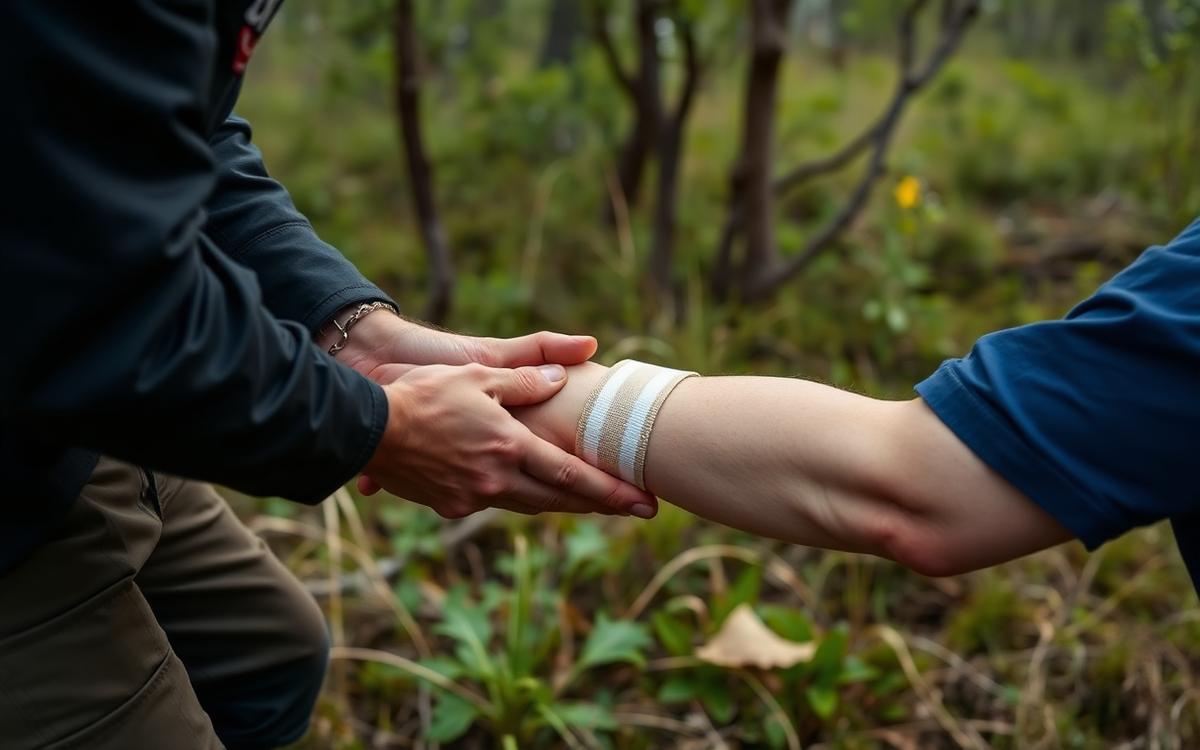
Wildlife Safety & First Aid9 min read
Snakebite First Aid: The First Ten Minutes That Matter
Most snakebite harm caused by bystanders happens in the first ten minutes. Here is the evidence-based sequence.
 Mahmoud Osama · Updated 15 Aug 2026
Independent wildlife science desk · Est. 2019
Field-verified reporting on venomous invertebrates and the world's rarest animals. Every guide is checked against peer-reviewed toxinology, national poison-centre protocols and current IUCN assessments before it is published.
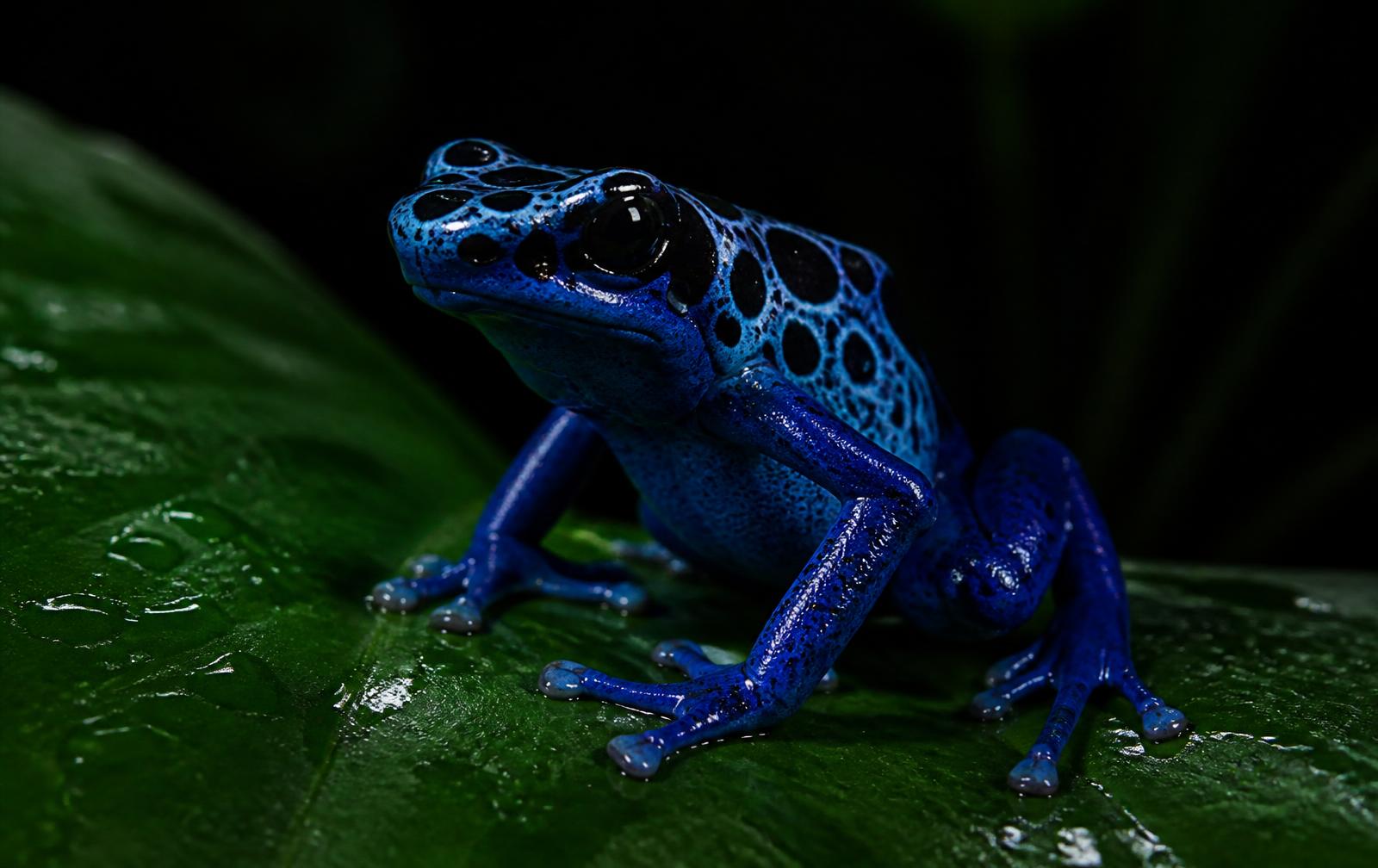
Aposematic colouration in a dendrobatid frog — a warning signal, not a bluff.
Latest
Most snakebite harm caused by bystanders happens in the first ten minutes. Here is the evidence-based sequence.
Mahmoud Osama · Updated 15 Aug 2026
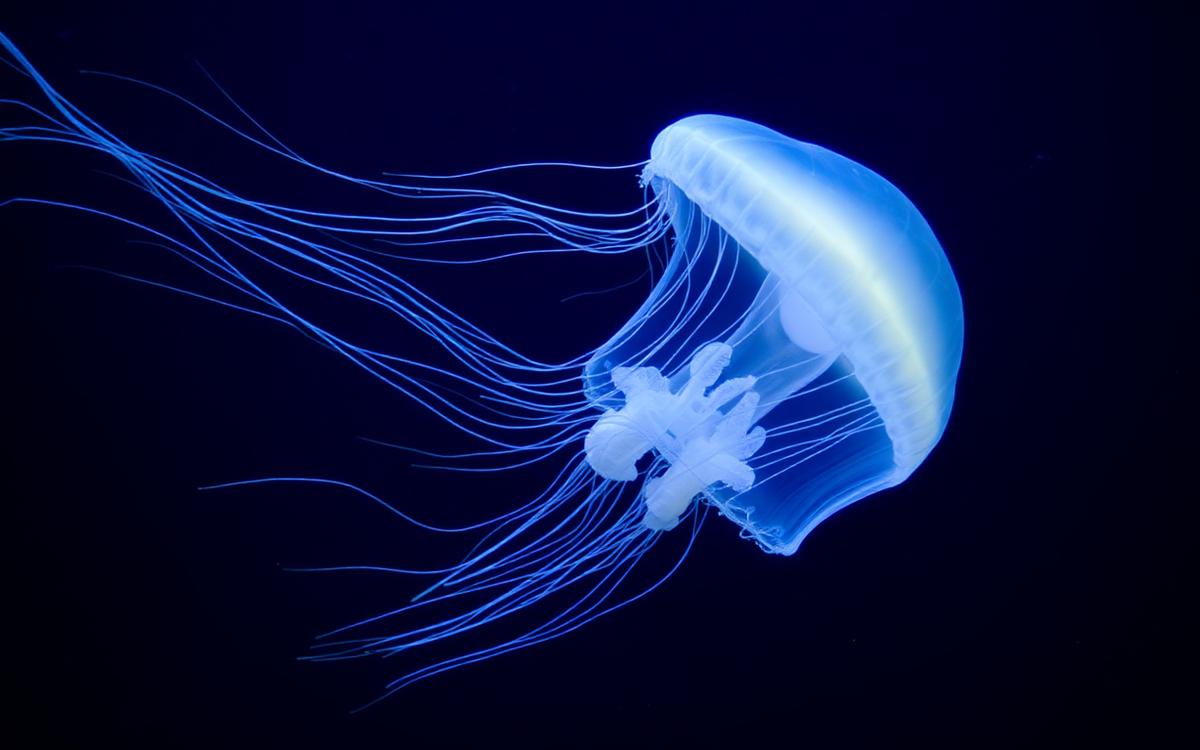
Box jellyfish venom acts within minutes. The right response in those minutes is well studied — and it is not urine.
Mahmoud Osama · Updated 14 Aug 2026
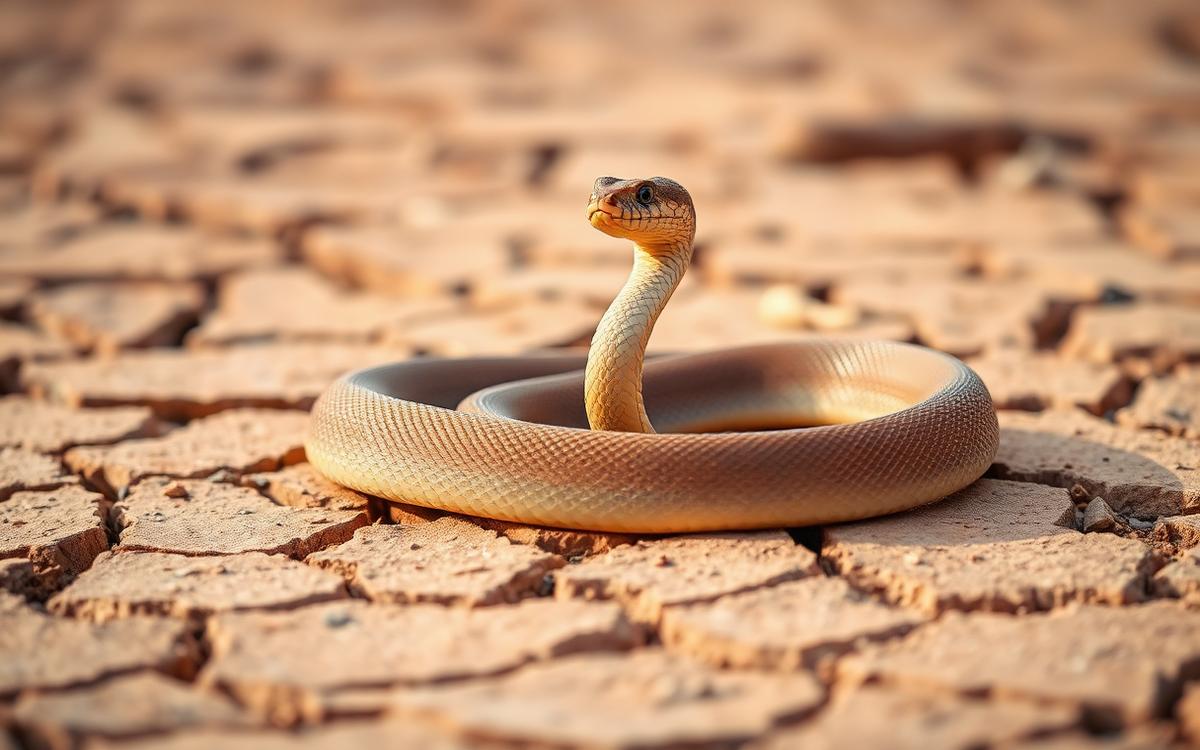
Venom potency rankings and actual danger to humans are two different measurements. The inland taipan is the clearest illustration.
Mahmoud Osama · Updated 12 Aug 2026
Explore
Stings, venom chemistry and the insects that deliver them.
5 content clusters
Arachnid venom, medical significance and identification.
5 content clusters
The species closest to disappearing — and why.
5 content clusters
Snakes, lizards and toxic amphibians.
5 content clusters
Ocean animals with the most potent venoms on Earth.
5 content clusters
Evidence-based responses to bites, stings and encounters.
5 content clusters
Free VPN services tested for speed, limits and privacy.
5 content clusters
Streaming-capable VPNs and how to fix proxy errors.
5 content clusters
Mobile VPN setup, speed and battery guidance.
5 content clusters
Free mobile VPN apps, tested and vetted.
5 content clusters
Desktop VPNs for Windows, macOS and Linux.
5 content clusters
Cornerstone
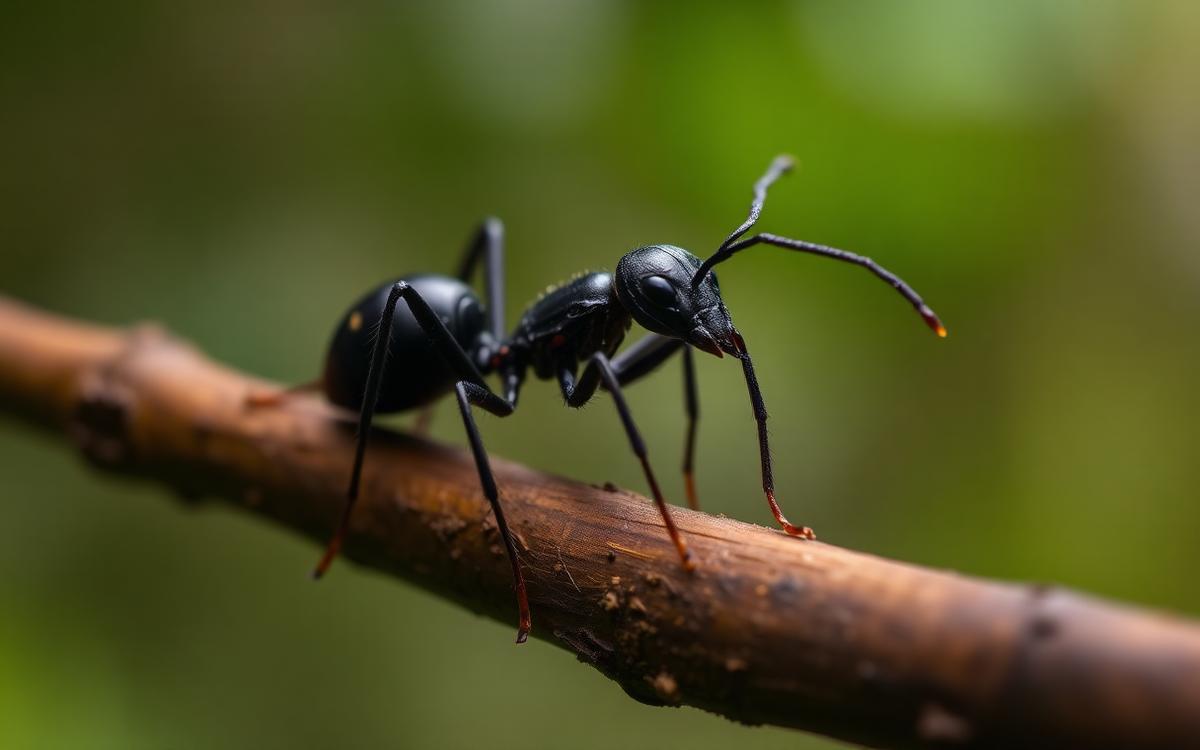
Rated 4.0+ on the Schmidt sting pain index, the bullet ant delivers a peptide that hijacks sodium channels. Here is what happens hour by hour — and what actually helps.
Mahmoud Osama · Updated 10 Aug 2026
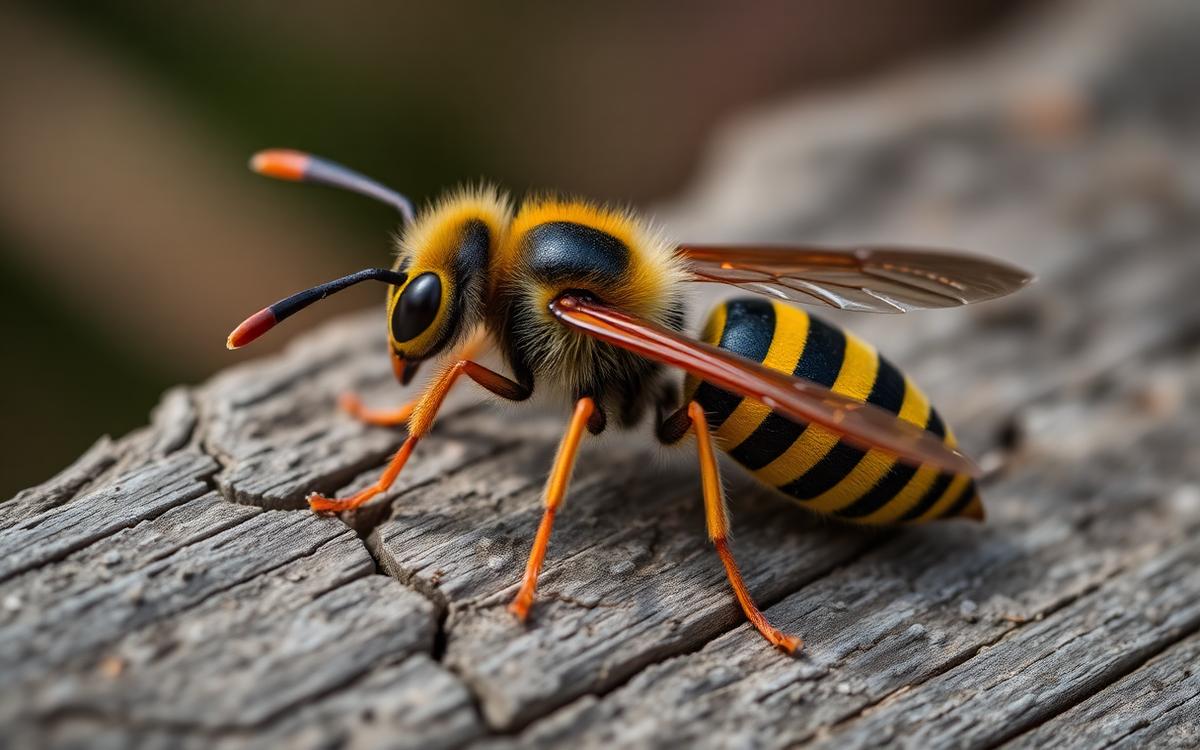
Giant hornets are genuinely dangerous, but for reasons most headlines get wrong. The threat is dose and swarming, not a uniquely lethal toxin.
Mahmoud Osama · Updated 2 Aug 2026
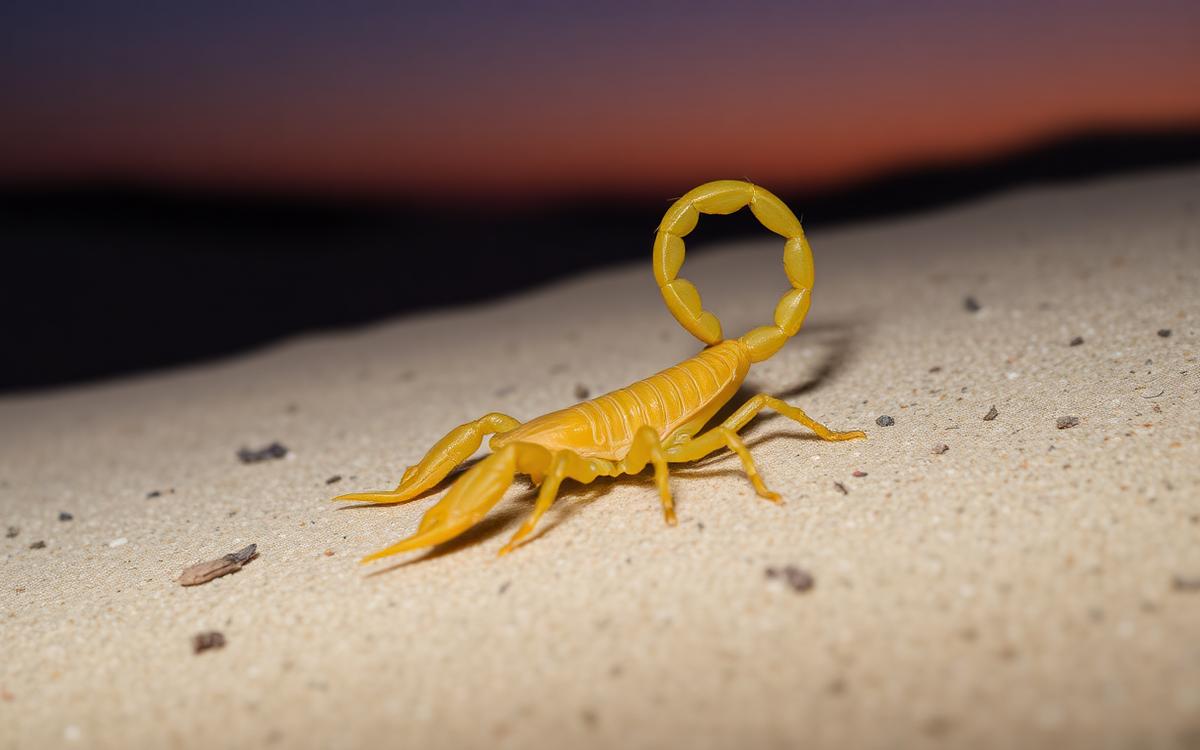
Leiurus quinquestriatus has one of the most medically significant scorpion venoms on Earth — and one of the most promising for cancer imaging research.
Mahmoud Osama · Updated 21 Jul 2026
Who writes this
Senior Wildlife Researcher & Editor-in-Chief · 8+ years in the field
Entomologist and wildlife writer with 8+ years documenting venomous invertebrates and endangered species across North Africa, the Levant and Southeast Asia.
Read the full profileArchive
Most snakebite harm caused by bystanders happens in the first ten minutes. Here is the evidence-based sequence.
Mahmoud Osama · Updated 15 Aug 2026
Box jellyfish venom acts within minutes. The right response in those minutes is well studied — and it is not urine.
Mahmoud Osama · Updated 14 Aug 2026
Venom potency rankings and actual danger to humans are two different measurements. The inland taipan is the clearest illustration.
Mahmoud Osama · Updated 12 Aug 2026
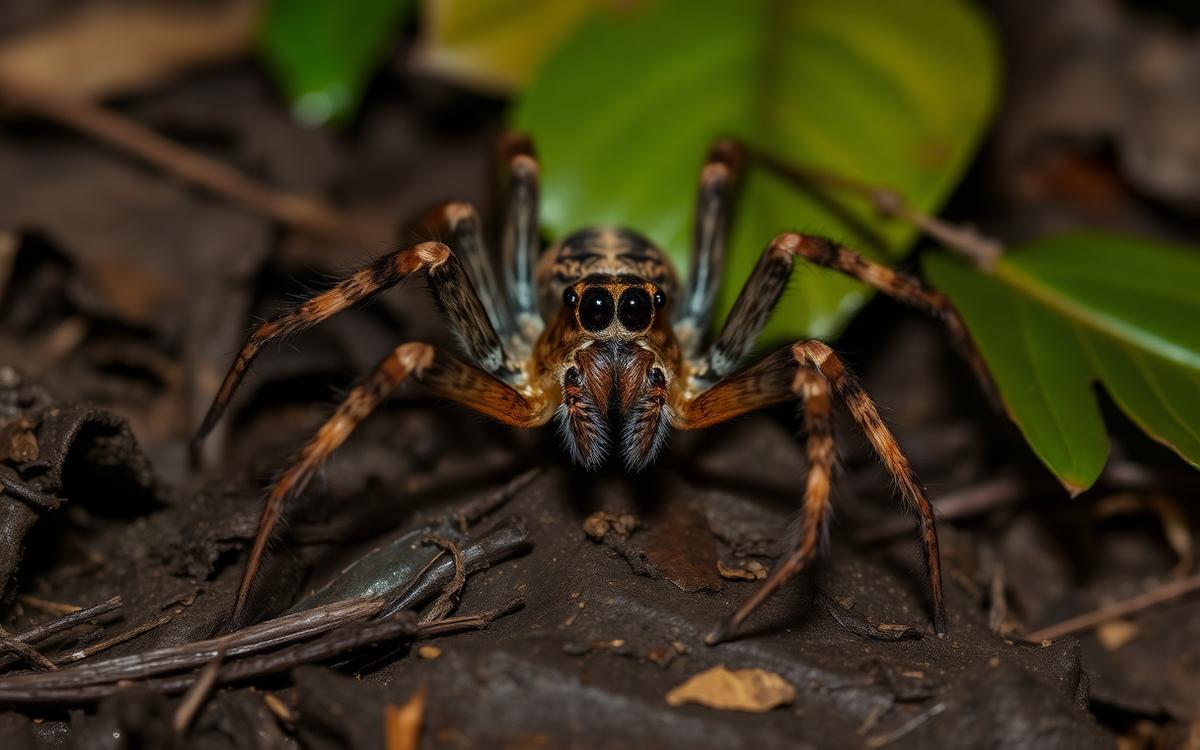
Phoneutria is medically significant and widely exaggerated at the same time. The clinical literature tells a more precise story than the viral posts.
Mahmoud Osama · Updated 5 Aug 2026
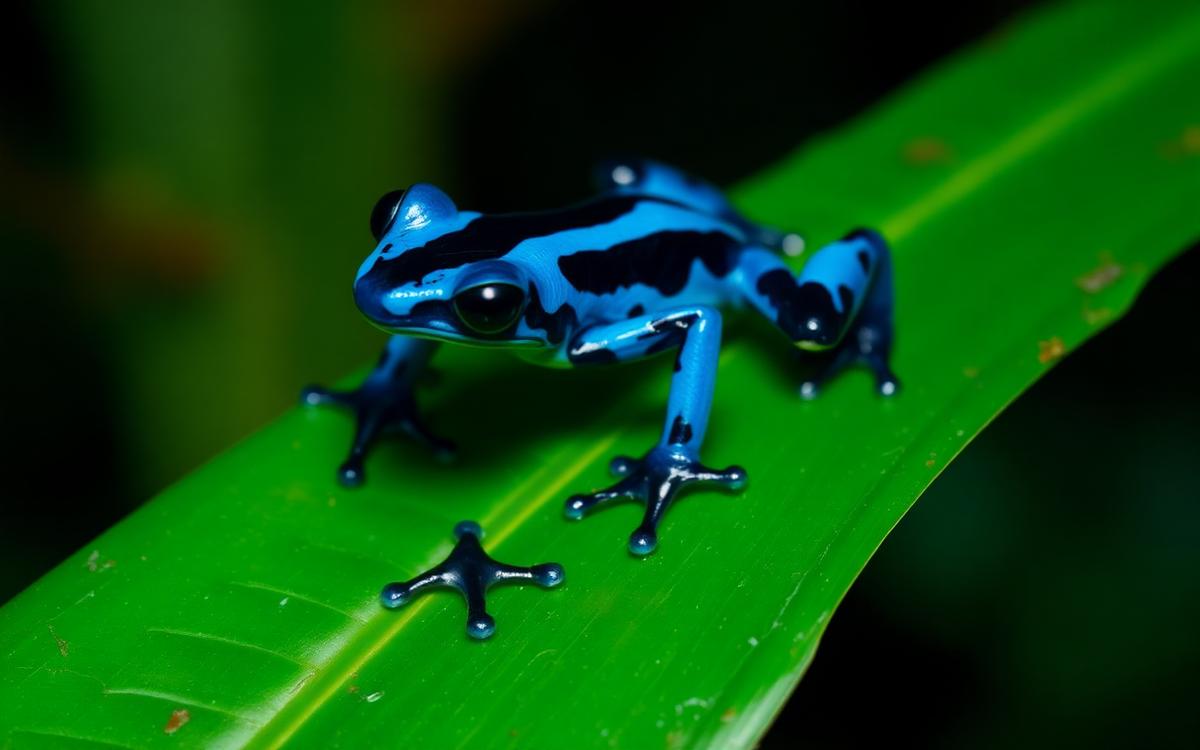
The golden poison frog carries enough batrachotoxin to matter — but only while it eats the right arthropods in the right forest.
Mahmoud Osama · Updated 1 Aug 2026
Rated 4.0+ on the Schmidt sting pain index, the bullet ant delivers a peptide that hijacks sodium channels. Here is what happens hour by hour — and what actually helps.
Mahmoud Osama · Updated 10 Aug 2026
Giant hornets are genuinely dangerous, but for reasons most headlines get wrong. The threat is dose and swarming, not a uniquely lethal toxin.
Mahmoud Osama · Updated 2 Aug 2026
Leiurus quinquestriatus has one of the most medically significant scorpion venoms on Earth — and one of the most promising for cancer imaging research.
Mahmoud Osama · Updated 21 Jul 2026
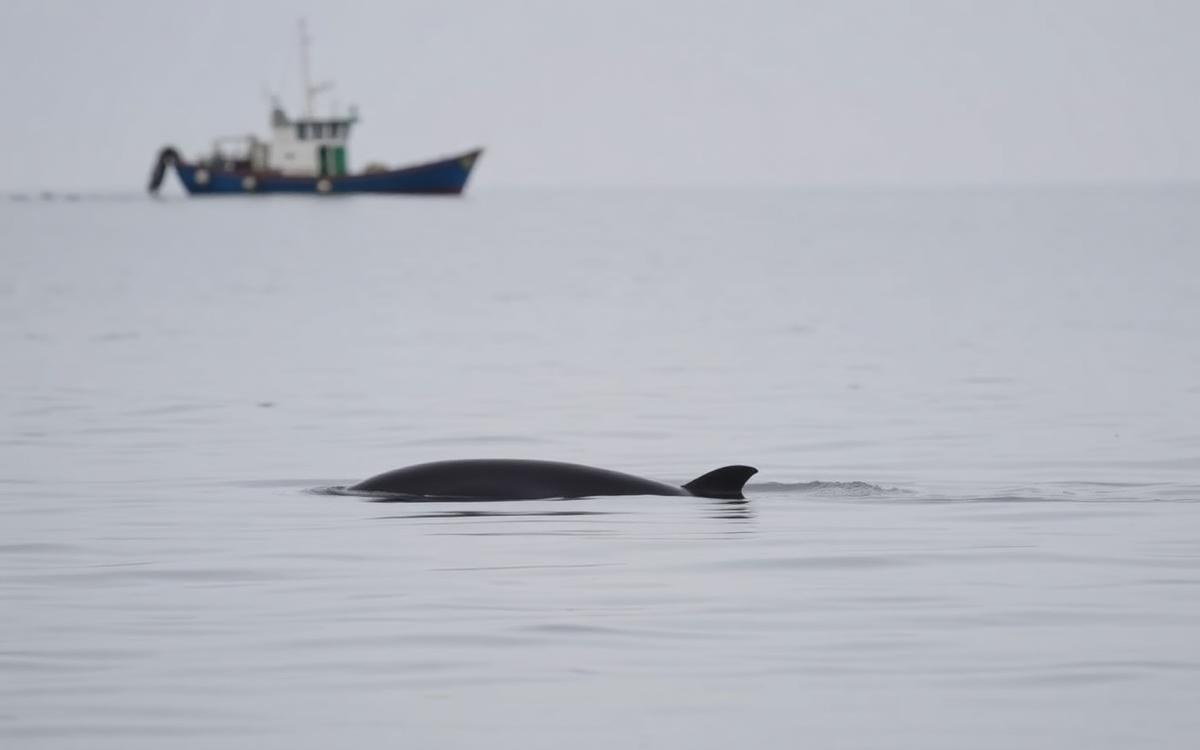
Fewer than a dozen vaquitas are thought to remain. The cause is not mysterious — it is one fishing method in one small bay.
Mahmoud Osama · Updated 30 Jul 2026
Rarity is a measurement, not a mood. Understanding how those numbers are produced changes how you read every extinction headline.
Mahmoud Osama · Updated 8 Aug 2026

Headlines promise mammoths and dodos are coming back. The real science is more limited, and more useful, than the hype suggests.
Mahmoud Osama · Updated 20 Jan 2026
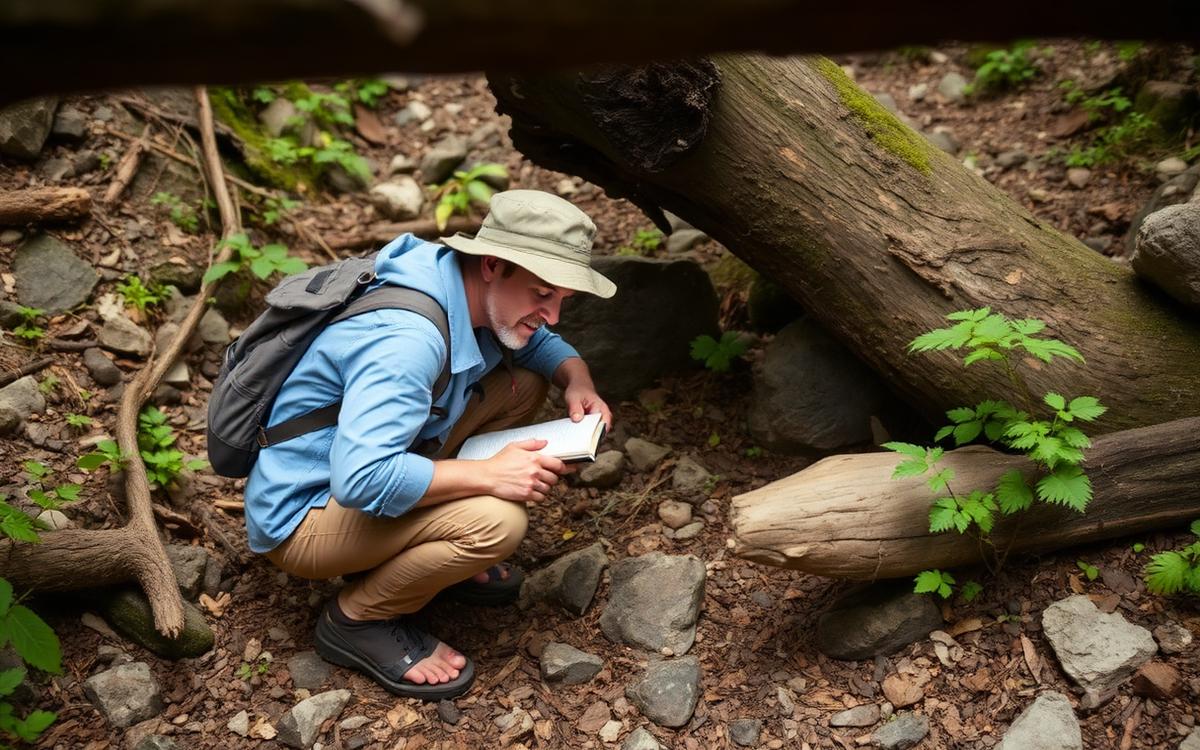
Herping, the hobby of searching for reptiles and amphibians in the wild, is rewarding but comes with real risks that responsible enthusiasts learn to manage.
Mahmoud Osama · Updated 15 Jan 2026
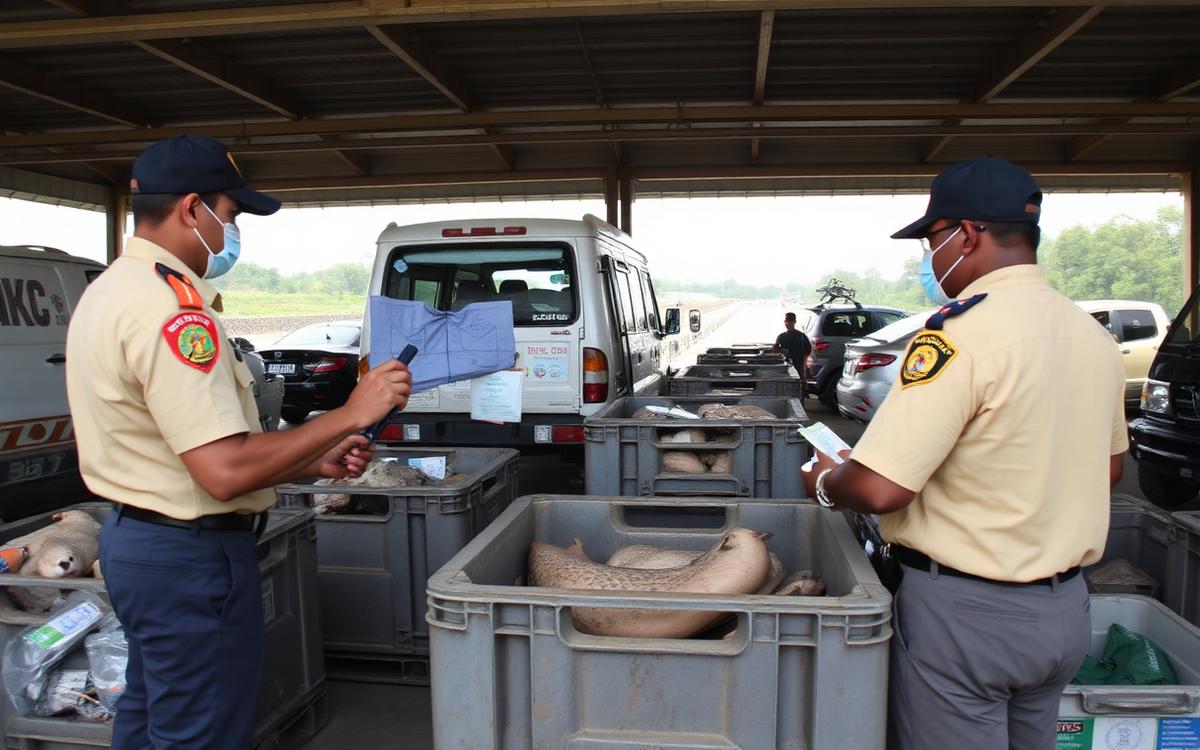
From ivory to pangolin scales, the illegal wildlife trade is one of the largest illicit markets on Earth, and one of the hardest to stop.
Mahmoud Osama · Updated 20 Dec 2025
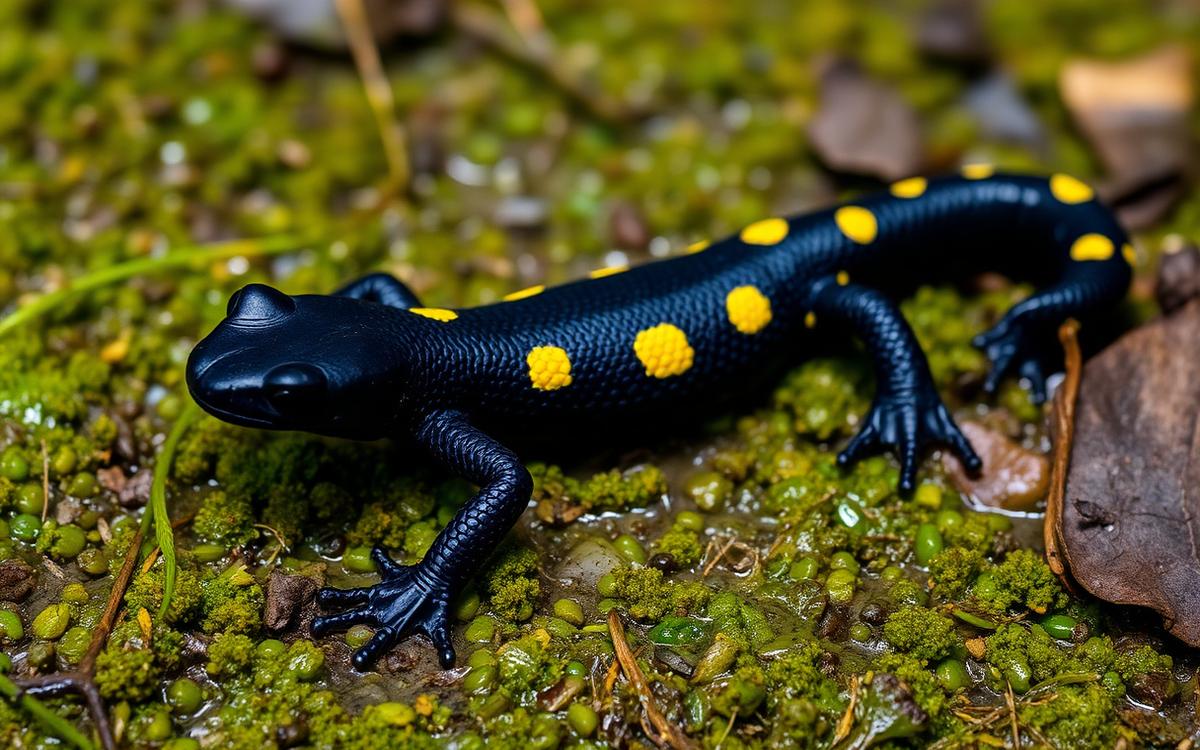
The fire salamander's striking black and yellow pattern advertises a genuine chemical defense: a neurotoxic alkaloid called samandarin.
Mahmoud Osama · Updated 18 Dec 2025
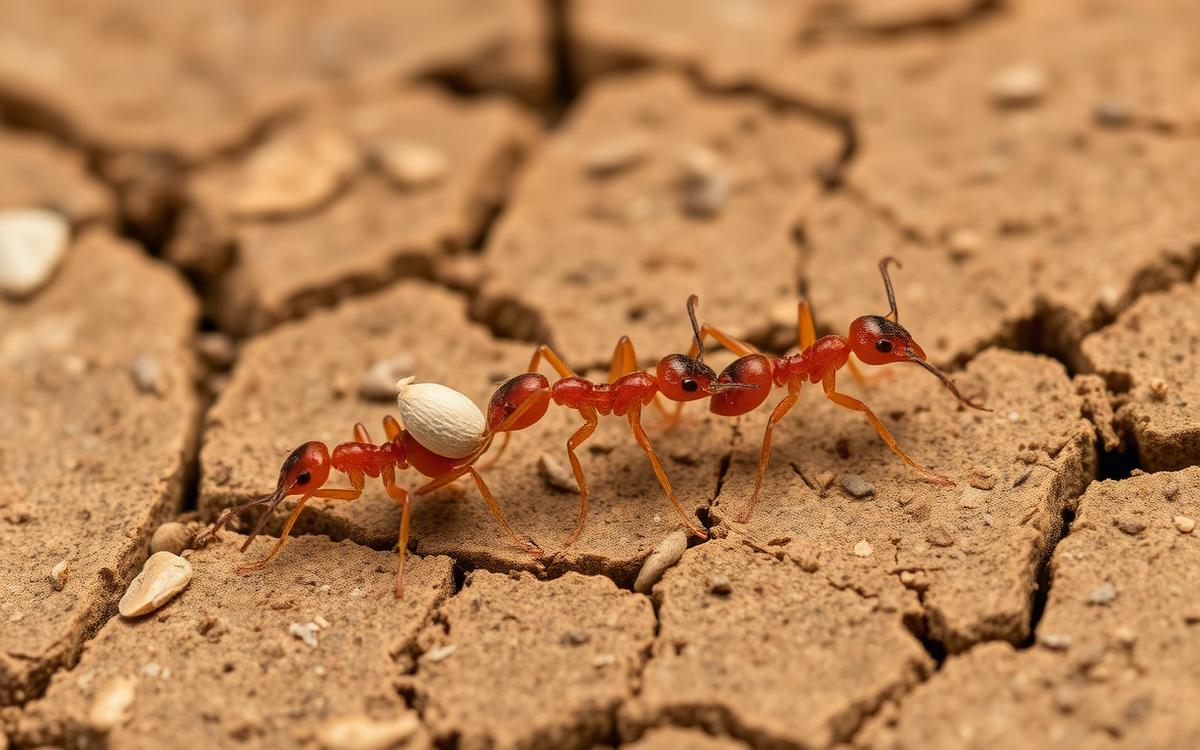
Gram for gram, harvester ant venom is more lethal than that of nearly any other insect, yet a single sting is rarely dangerous thanks to the tiny dose delivered.
Mahmoud Osama · Updated 5 Jan 2026
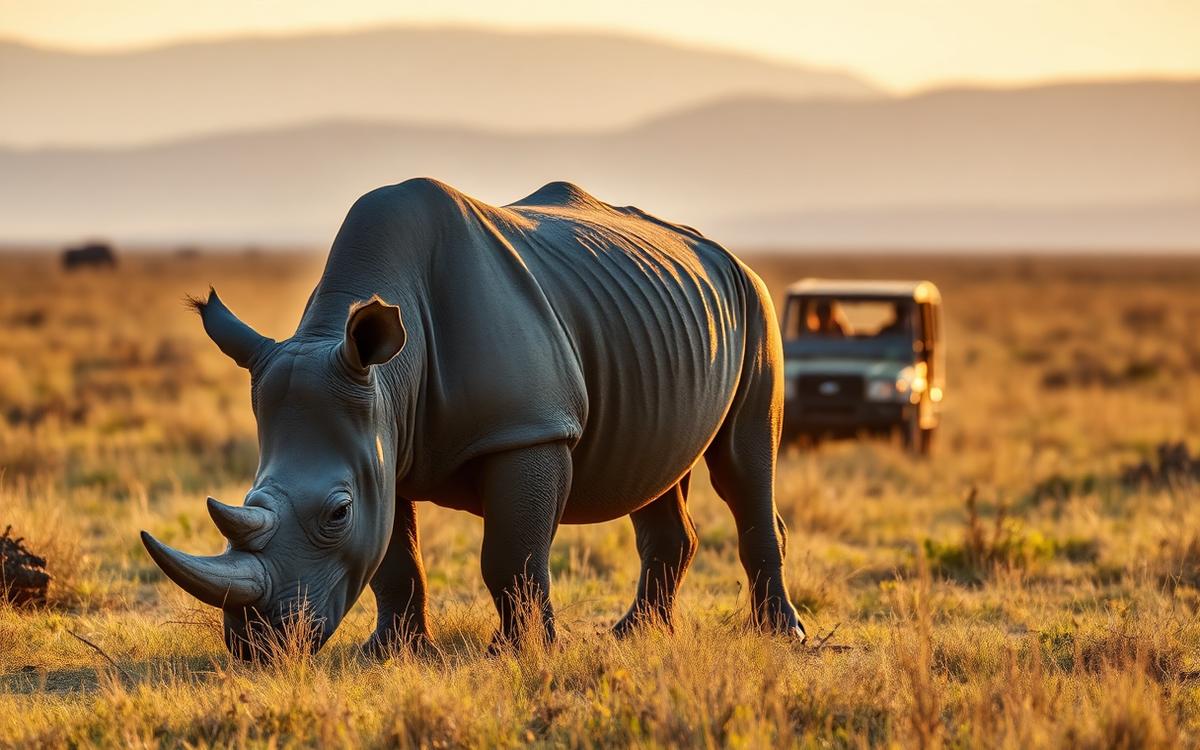
With no living males left, the northern white rhino subspecies now depends entirely on advanced reproductive science, stored genetic material, and a southern white rhino surrogate program.
Mahmoud Osama · Updated 10 Dec 2025
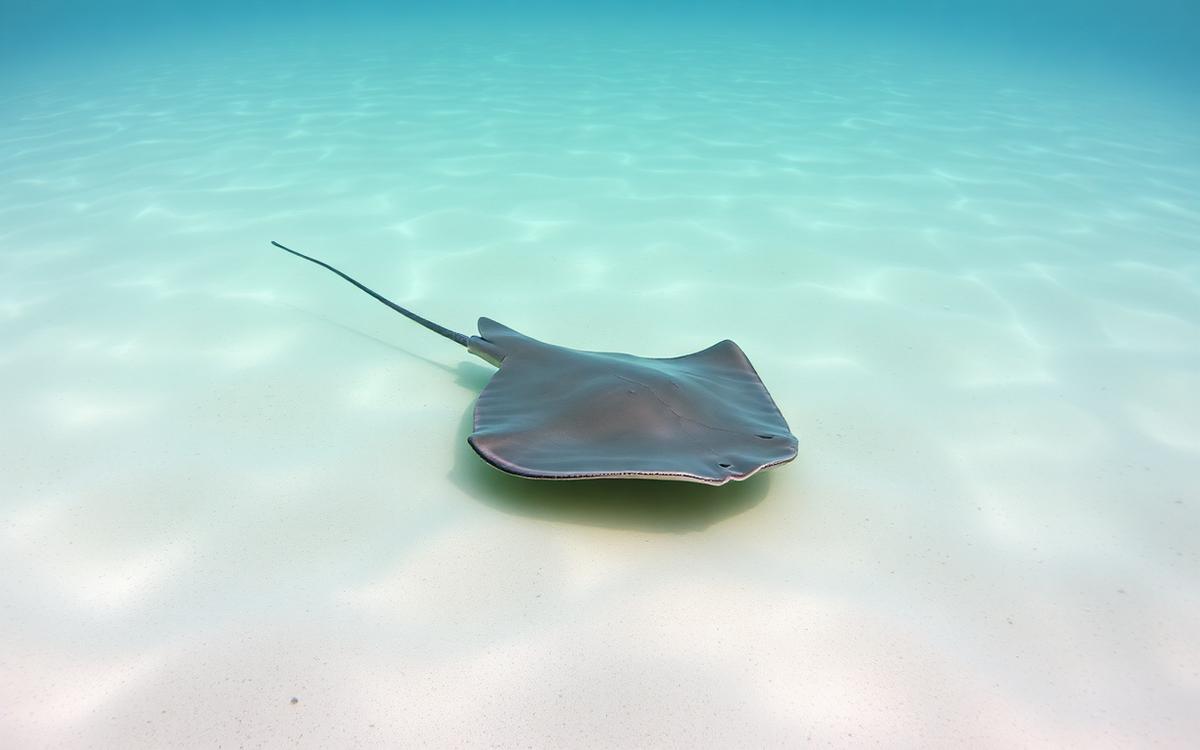
Most stingray injuries happen when someone steps on a ray buried in sand, triggering a defensive strike from a venomous barbed tail.
Mahmoud Osama · Updated 10 Dec 2025

Children explore the outdoors with curious hands, making age-appropriate precautions around stings, ticks, and snakes especially important.
Mahmoud Osama · Updated 10 Dec 2025
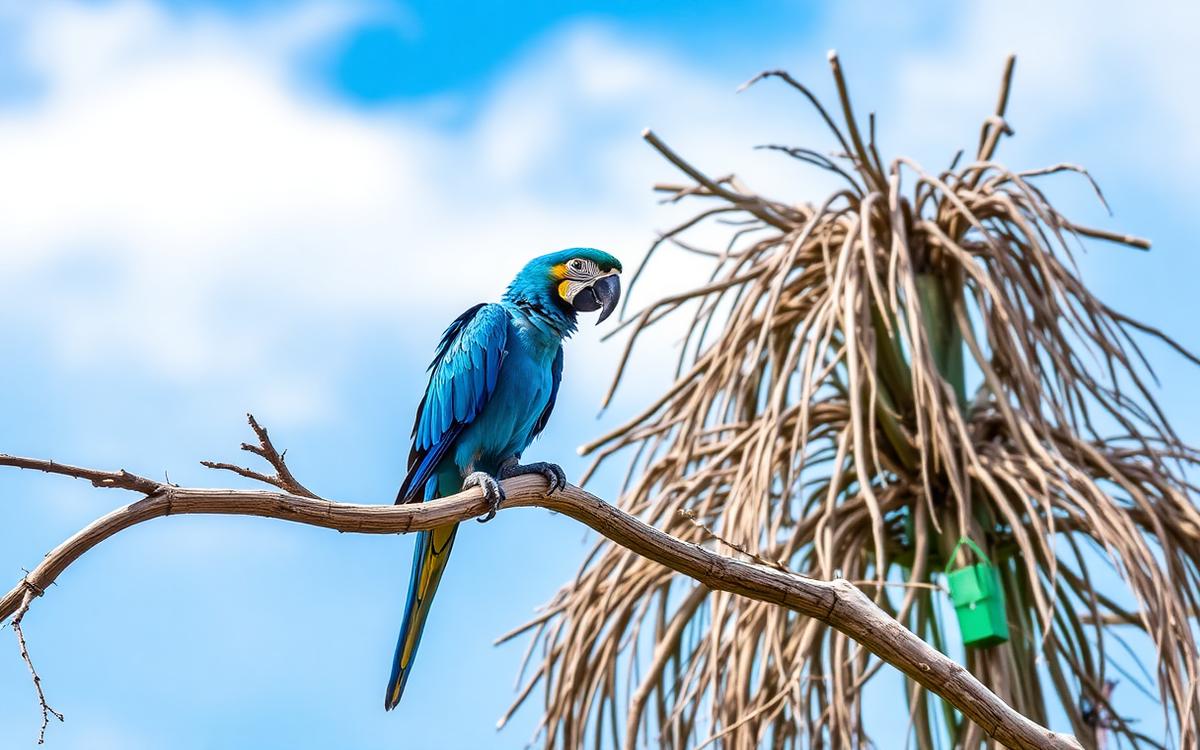
Made famous by the animated film 'Rio,' the Spix's macaw vanished from the wild entirely before a captive breeding program began returning it to Brazil's forests.
Mahmoud Osama · Updated 8 Dec 2025
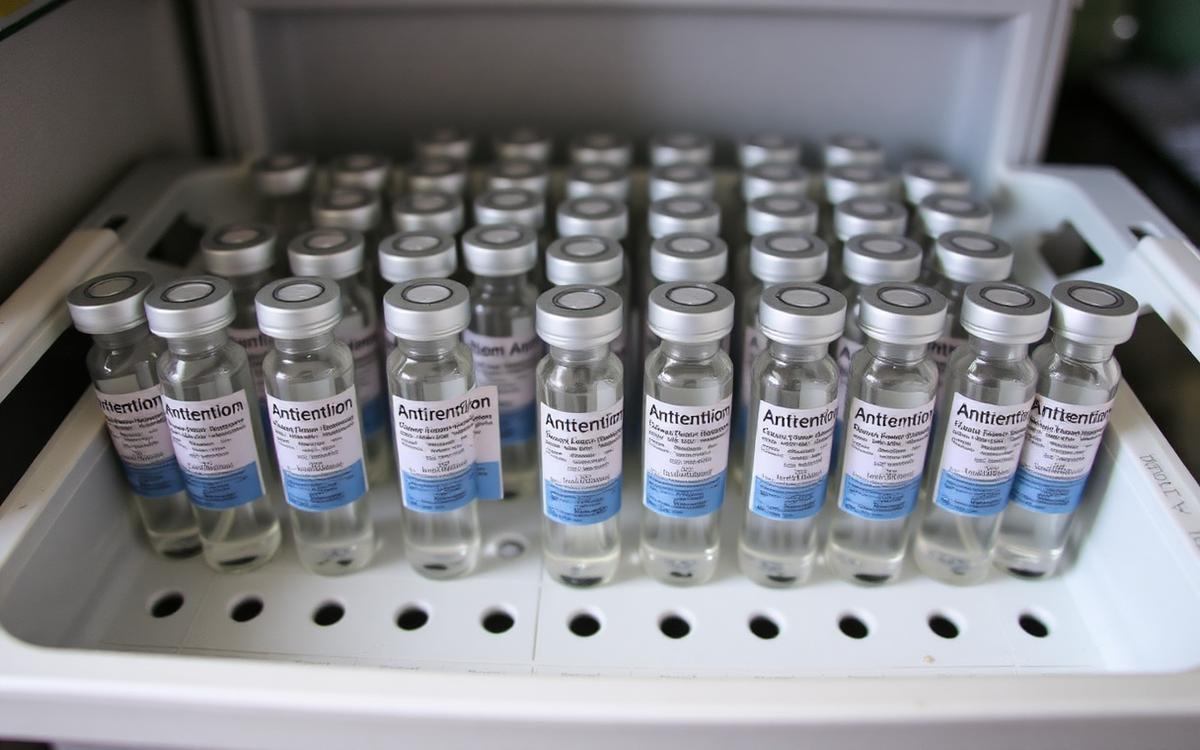
Effective scorpion antivenoms exist for most medically significant species, but access remains deeply uneven between wealthy and low-resource regions.
Mahmoud Osama · Updated 5 Dec 2025
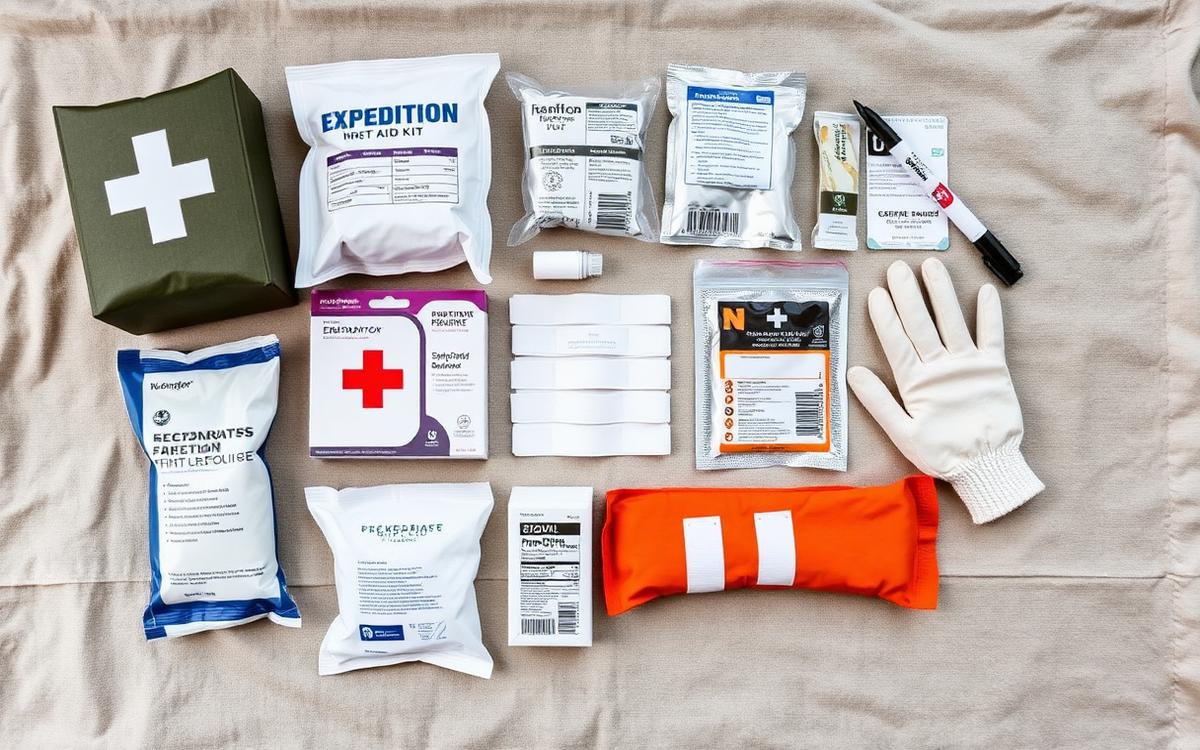
Heading into remote venomous-animal habitat requires more than a standard first-aid kit — here's what actually belongs in your pack.
Mahmoud Osama · Updated 5 Dec 2025
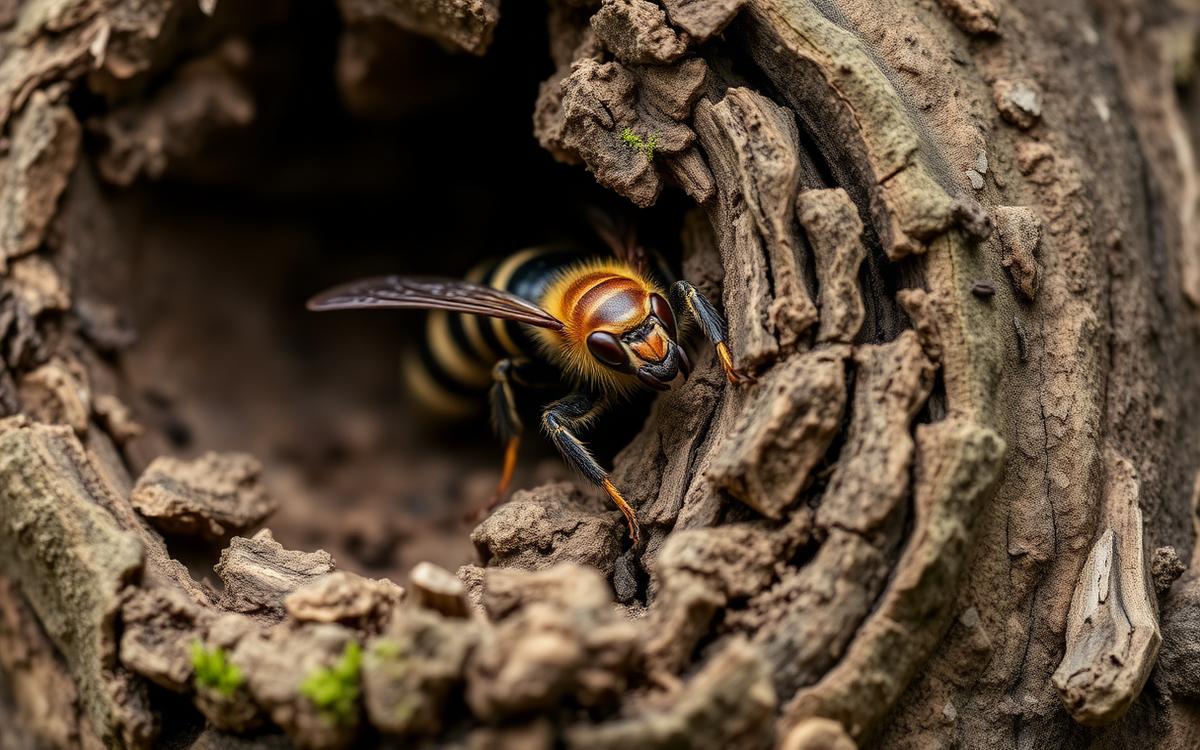
Media coverage of the Asian giant hornet sparked years of "murder hornet" panic, but most large hornets people encounter in North America are actually the far less dangerous European hornet.
Mahmoud Osama · Updated 4 Dec 2025
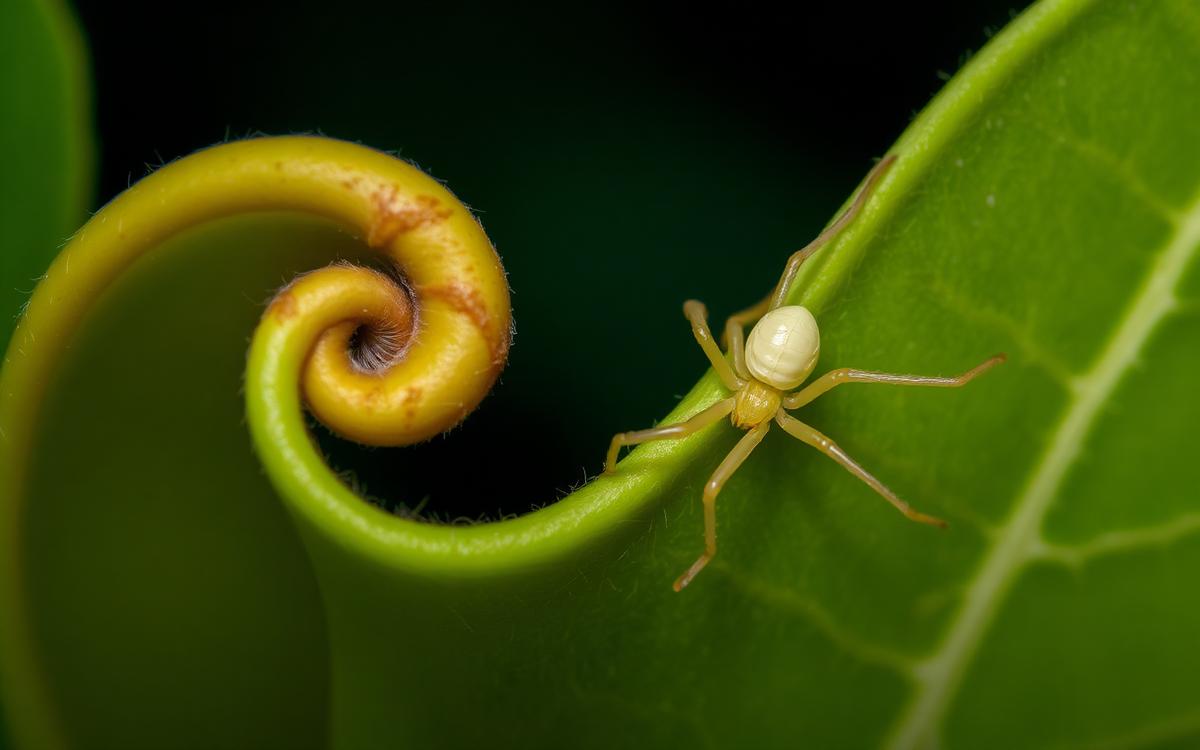
Yellow sac spiders are among the most commonly encountered house spiders, and their bites are far milder than old myths suggested.
Mahmoud Osama · Updated 4 Dec 2025
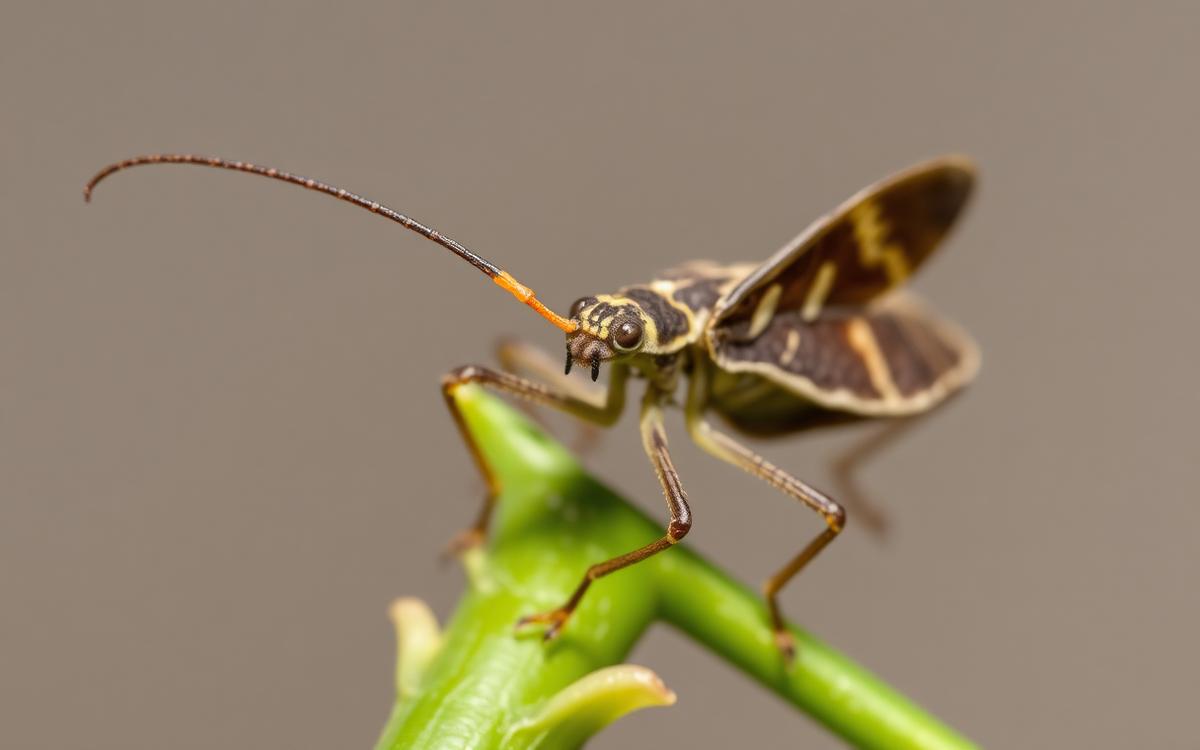
Assassin bugs use a piercing beak to subdue prey with a painful bite, and one subgroup, the kissing bugs, is medically significant as a vector for Chagas disease.
Mahmoud Osama · Updated 1 Dec 2025
Rewilding takes a different approach than traditional conservation: restore natural processes and let ecosystems rebuild themselves.
Mahmoud Osama · Updated 1 Dec 2025
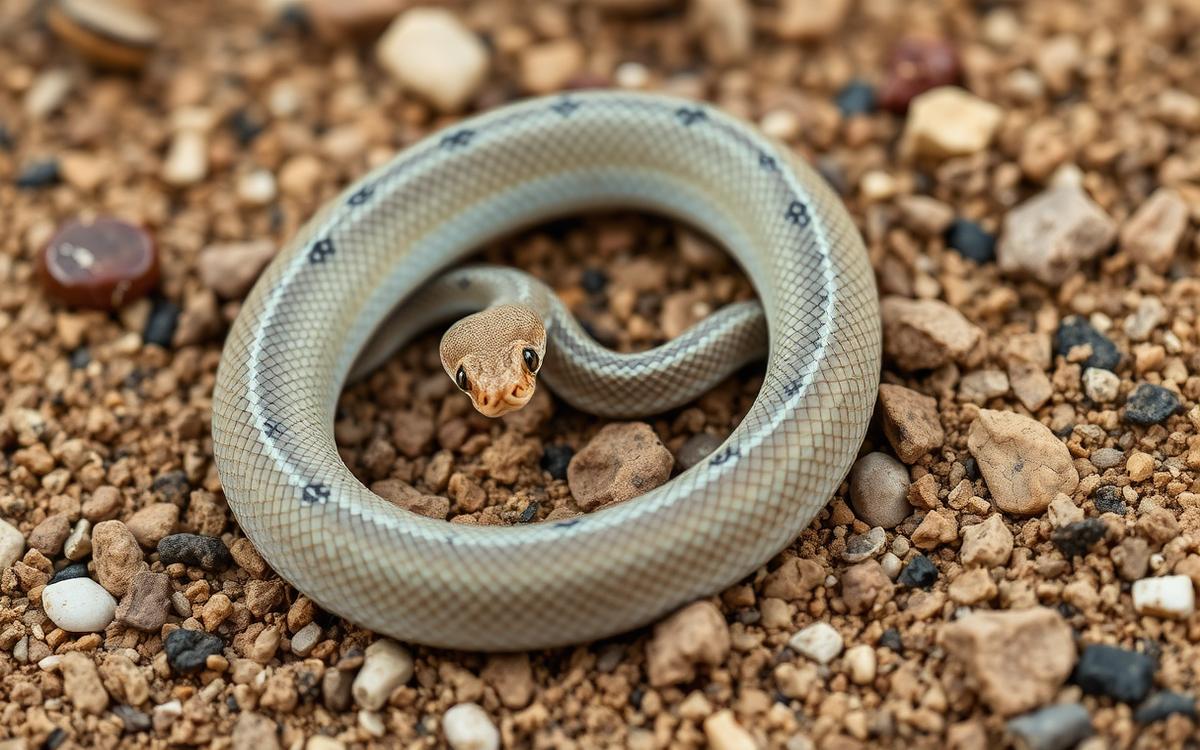
Barely half a meter long, the saw-scaled viper is often cited as causing more human deaths annually than any other snake species on Earth.
Mahmoud Osama · Updated 5 Feb 2026
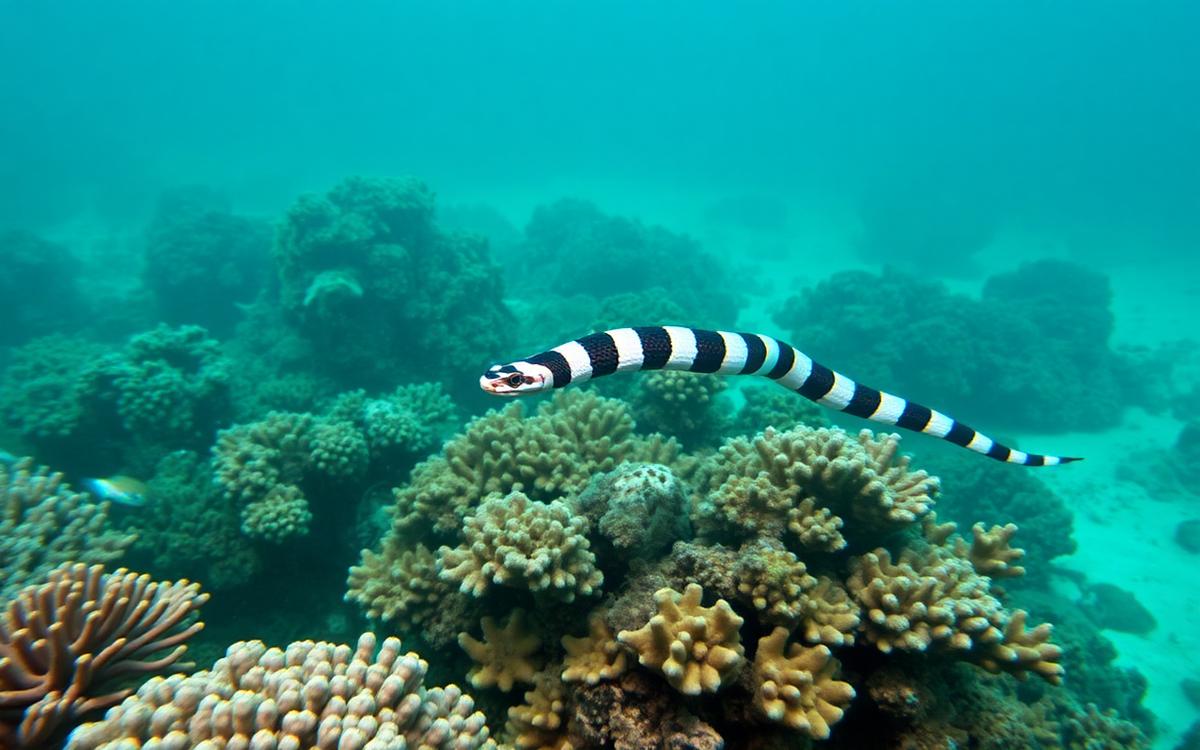
Sea snakes produce highly potent neurotoxic venom, but their docile temperament and small fangs make serious human bites surprisingly rare.
Mahmoud Osama · Updated 27 Nov 2025
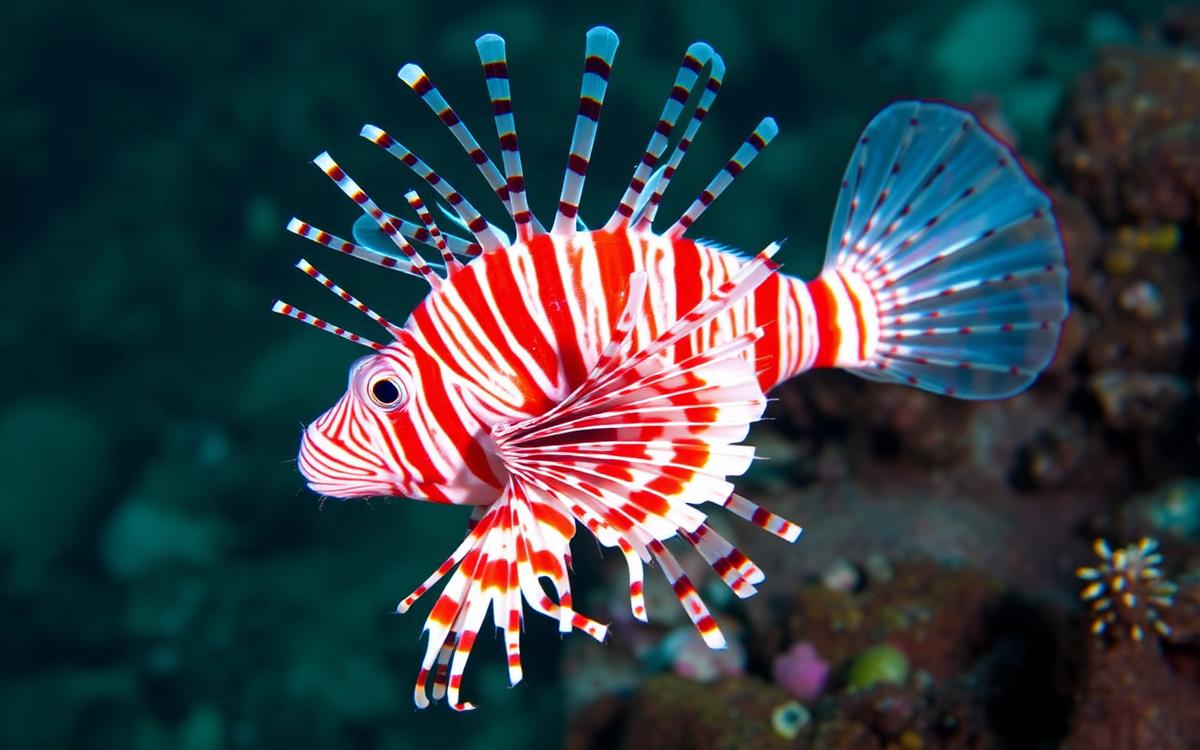
Lionfish combine striking beauty with a set of venomous spines, and their explosive spread through the Atlantic and Caribbean has made stings increasingly common.
Mahmoud Osama · Updated 25 Nov 2025

Camping in snake habitat does not have to be stressful. A few practical habits dramatically lower your odds of an unwanted encounter.
Mahmoud Osama · Updated 25 Nov 2025
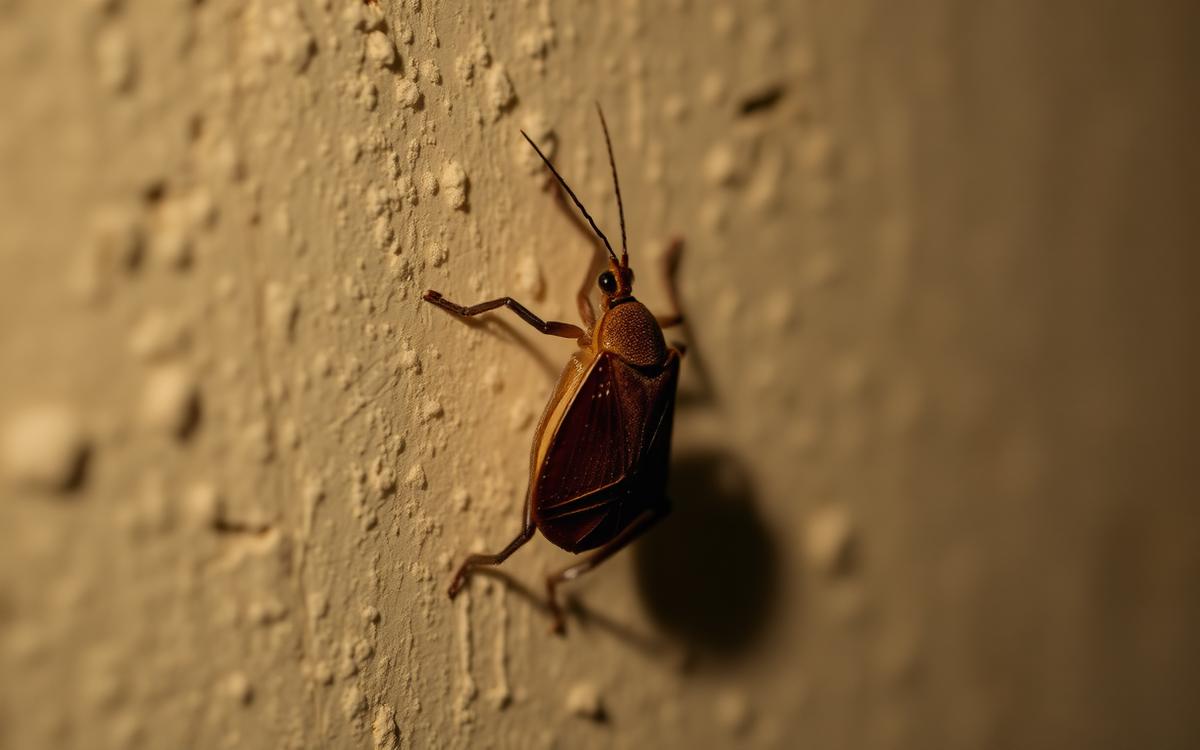
Kissing bugs feed painlessly on sleeping hosts, but it is their feces — not their bite — that can transmit the parasite responsible for Chagas disease.
Mahmoud Osama · Updated 20 Nov 2025
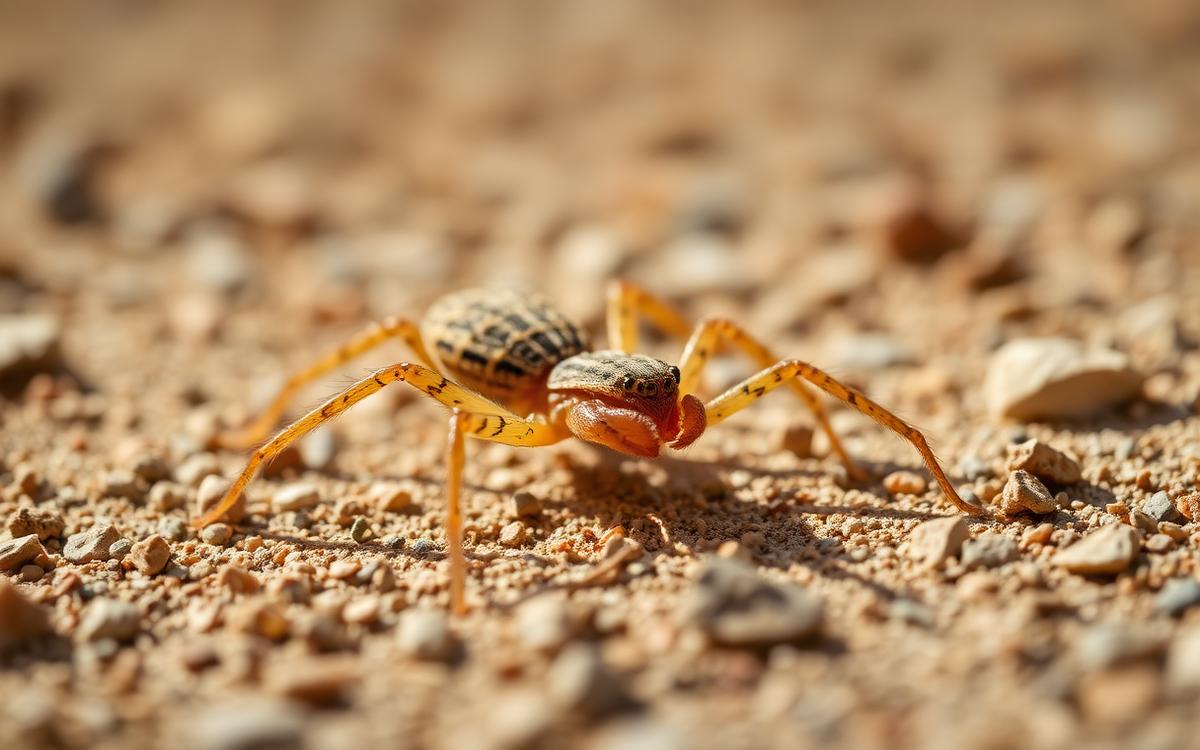
Camel spiders became internet legends during the Iraq and Afghanistan wars, but nearly every viral claim about them is false.
Mahmoud Osama · Updated 20 Nov 2025
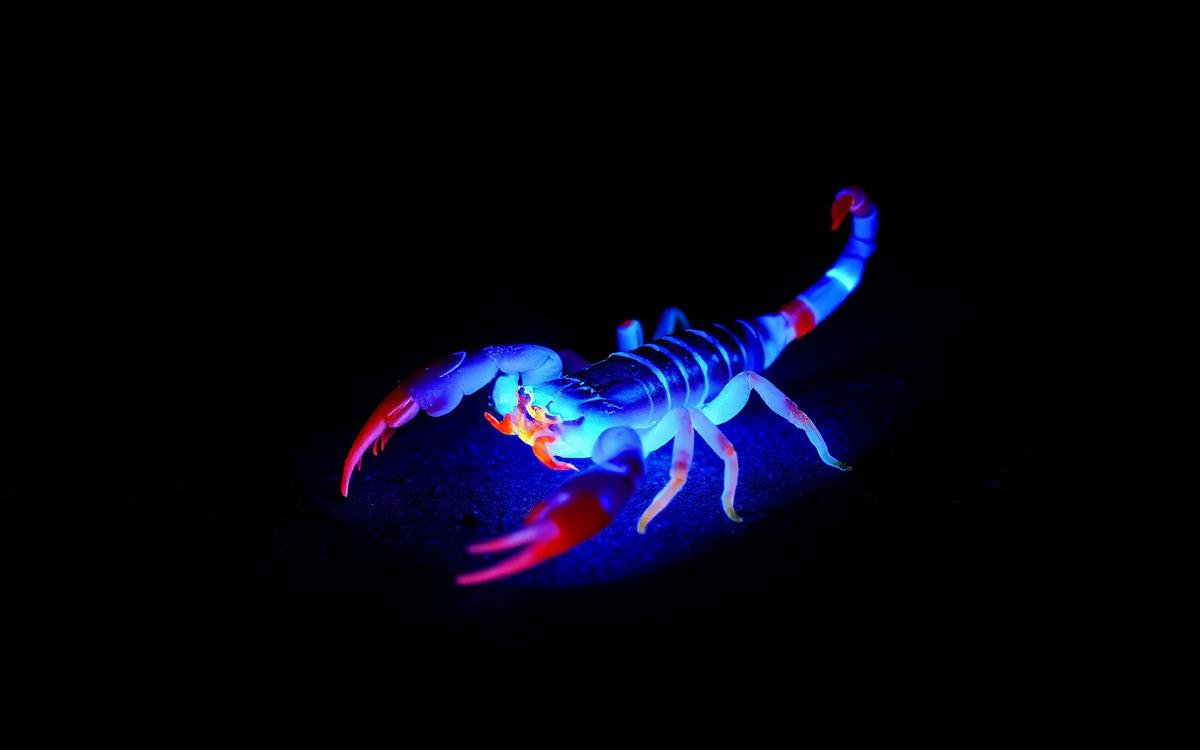
Shine a blacklight into the desert at night and scorpions light up in eerie blue-green, a fluorescence scientists still do not fully understand.
Mahmoud Osama · Updated 20 Nov 2025
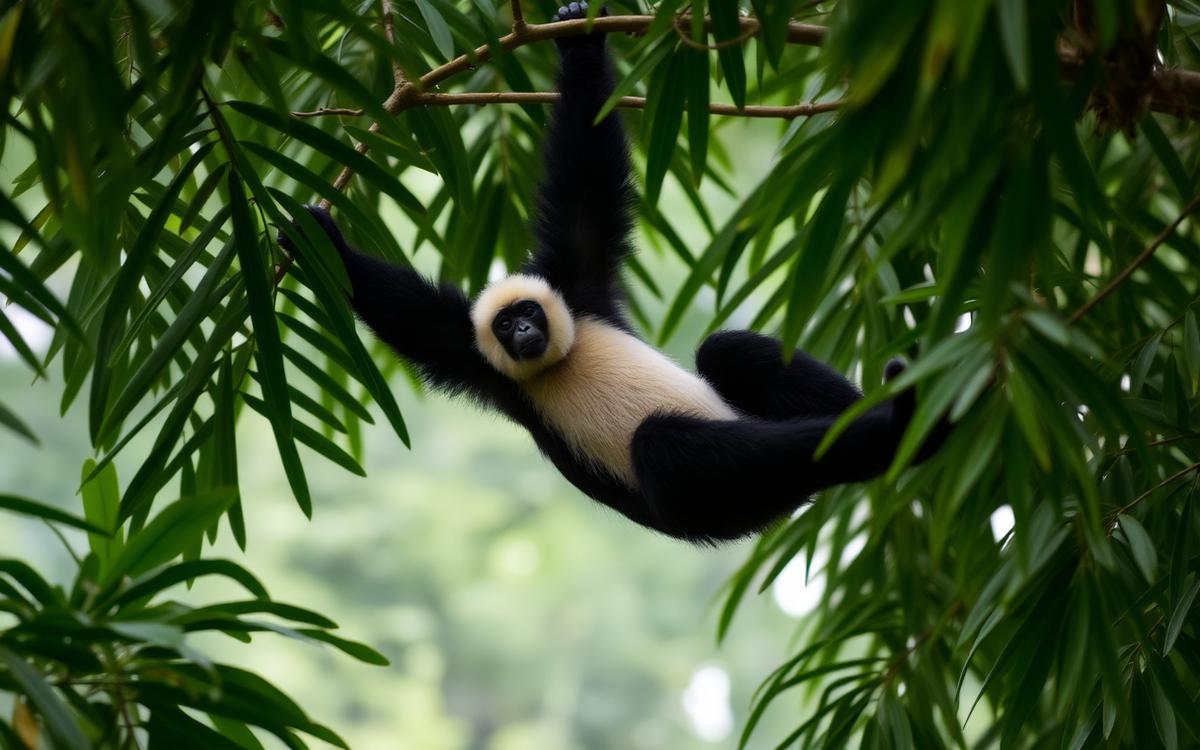
Confined to a single forest reserve on Hainan Island, China, the Hainan gibbon has recovered from as few as nine individuals to roughly 35–40, still the lowest count of any primate species.
Mahmoud Osama · Updated 20 Nov 2025
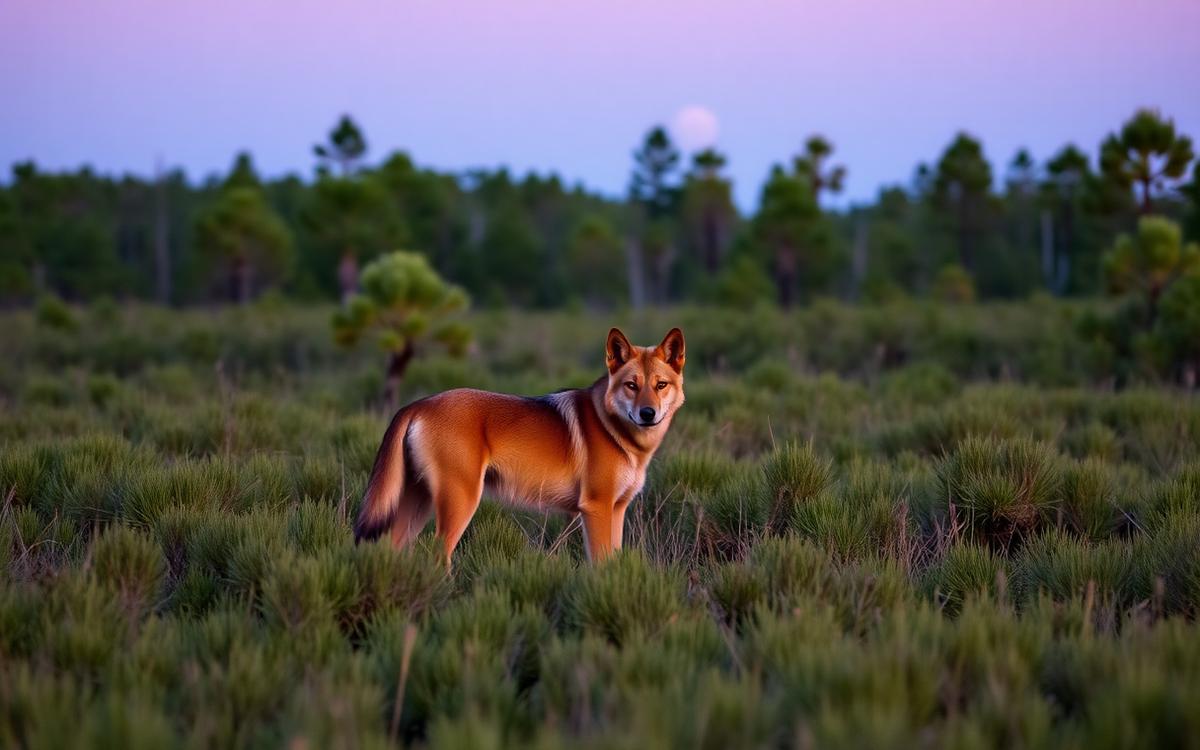
Once declared extinct in the wild, the red wolf survives today through a fragile captive breeding and reintroduction program centered in North Carolina.
Mahmoud Osama · Updated 20 Nov 2025
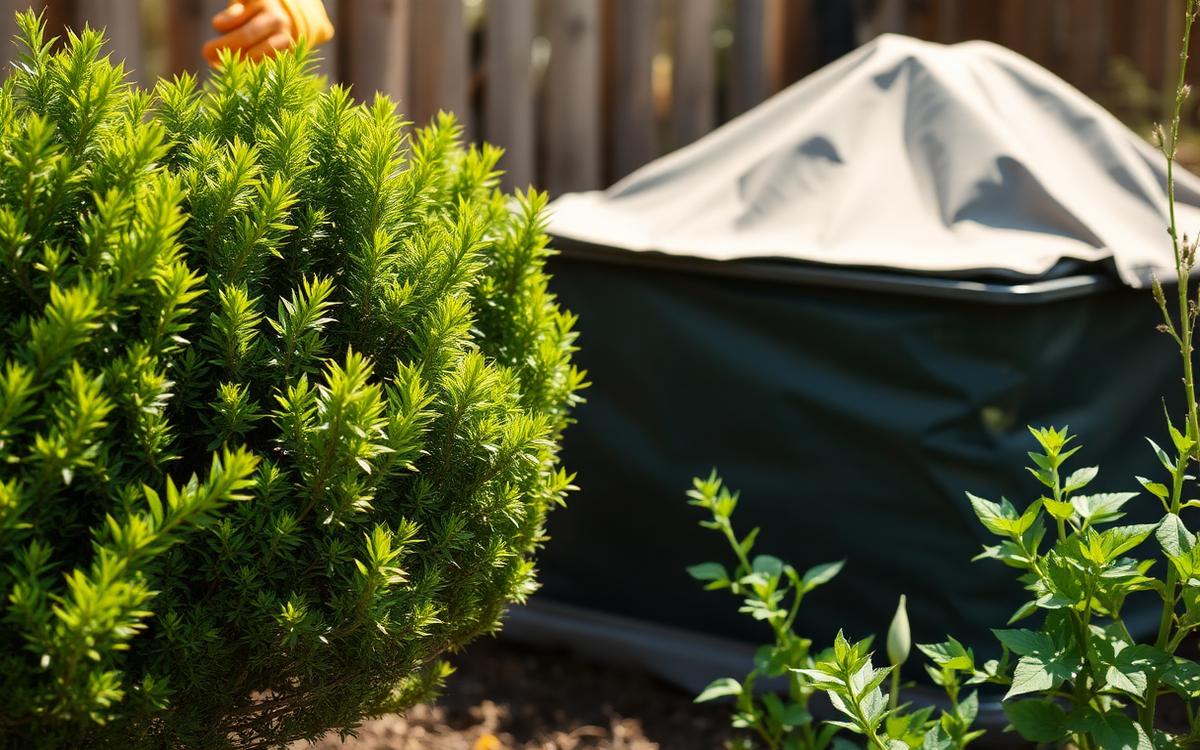
Gardens are prime real estate for stinging insects — here's how to enjoy your yard while minimizing your risk of painful or dangerous stings.
Mahmoud Osama · Updated 20 Nov 2025
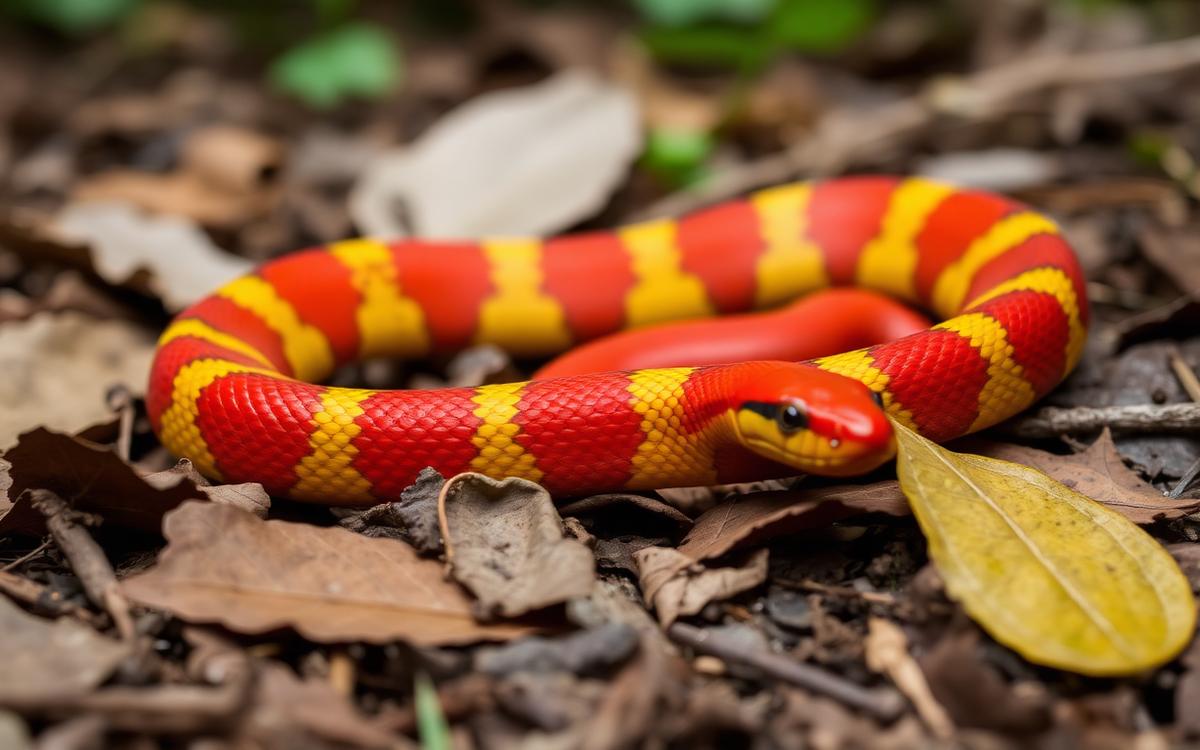
Bright red, yellow, and black bands can mean a harmless milk snake or a highly venomous coral snake, and getting the identification wrong matters.
Mahmoud Osama · Updated 25 Jan 2026
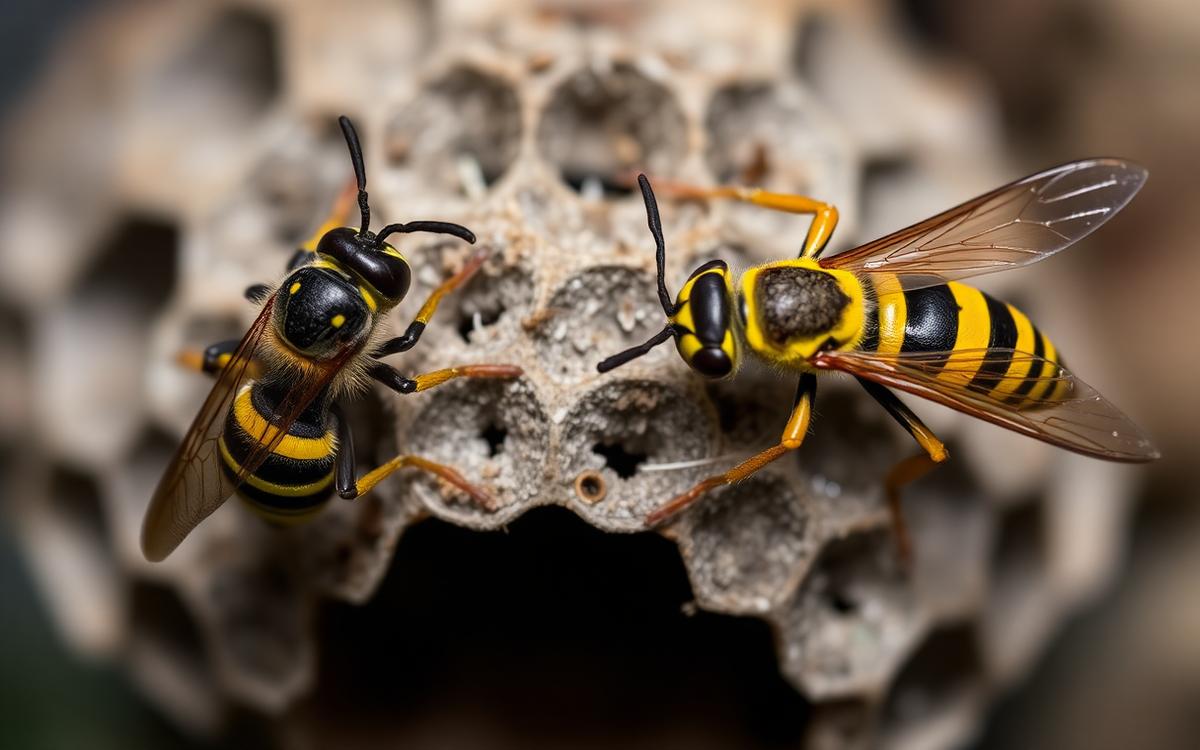
Yellowjackets and paper wasps are frequently confused, but their nesting habits and aggression levels differ enough that correct identification changes how you should respond.
Mahmoud Osama · Updated 10 Nov 2025
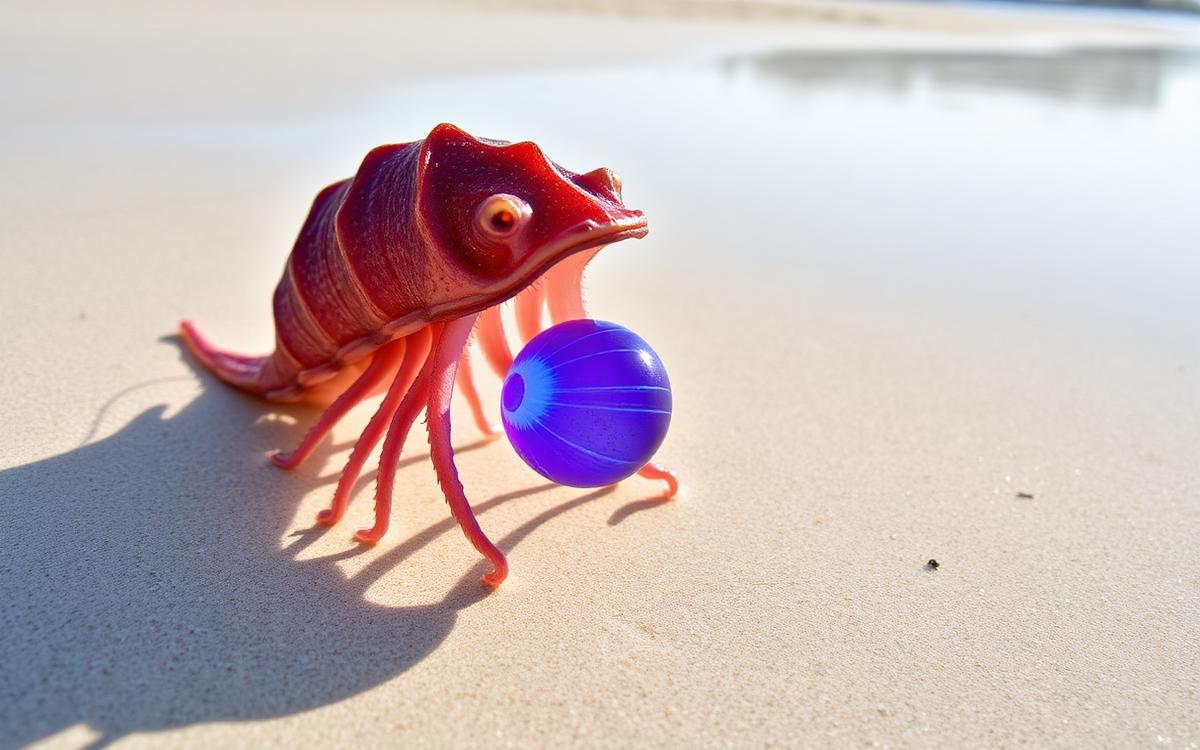
Often mistaken for a jellyfish, the Portuguese man o' war is a colony of specialized organisms trailing tentacles capable of stinging long after washing ashore.
Mahmoud Osama · Updated 8 Nov 2025

Many people who believe they were bitten by a spider actually have a bacterial skin infection. Here is how doctors tell the two apart.
Mahmoud Osama · Updated 8 Nov 2025
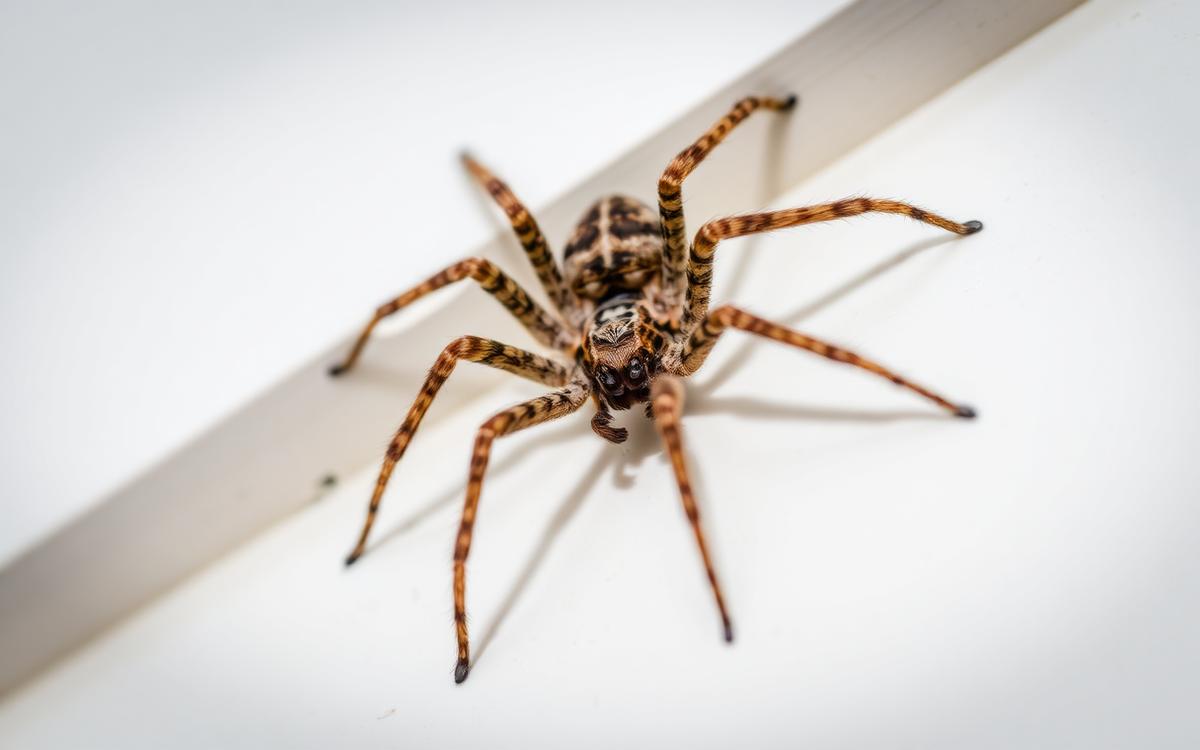
Huntsman spiders can span a dinner plate and move startlingly fast, but their bite is mild and they help control household pests.
Mahmoud Osama · Updated 6 Nov 2025
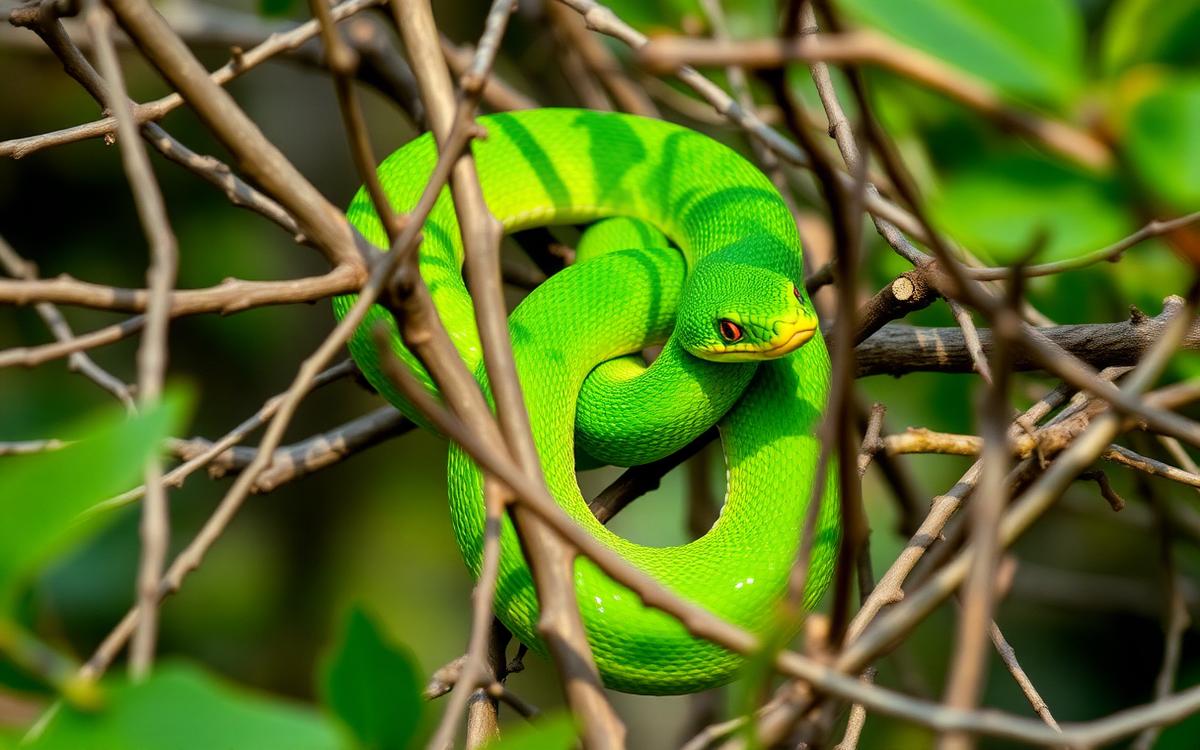
Rear-fanged colubrid snakes were long dismissed as harmless, until the boomslang's potent, slow-onset venom proved otherwise in tragic fashion.
Mahmoud Osama · Updated 6 Nov 2025
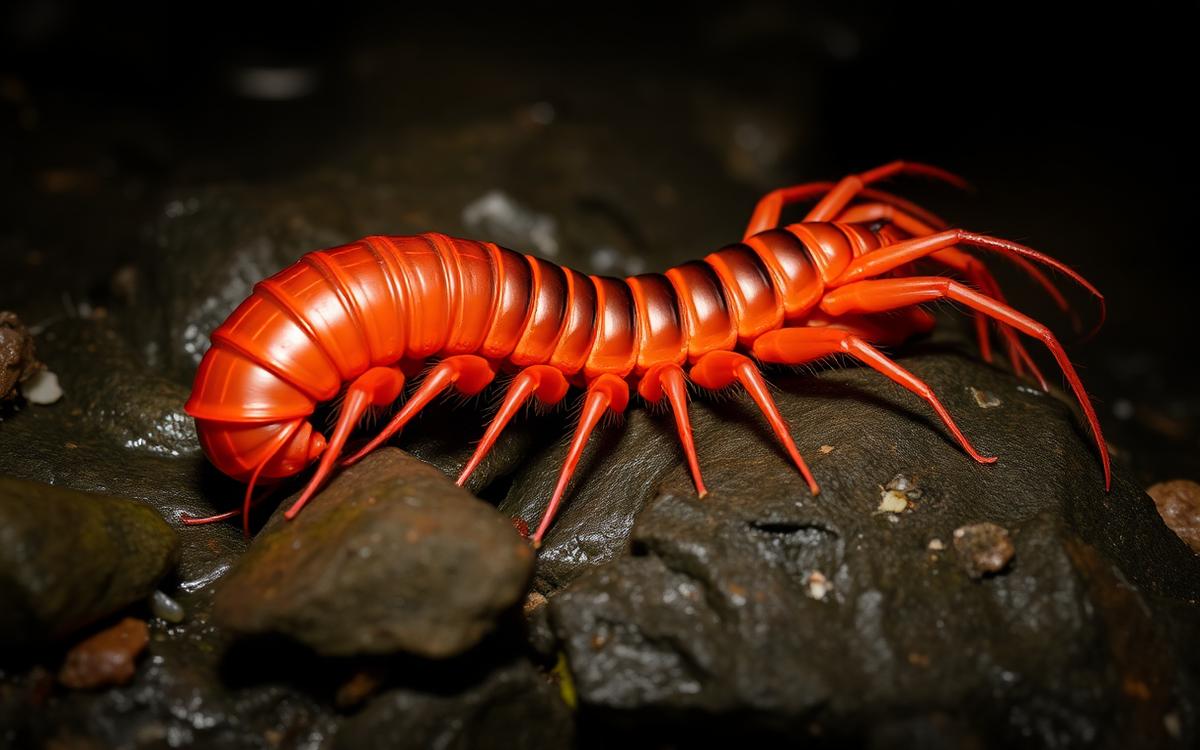
Giant centipedes in the genus Scolopendra can grow over 30 cm long and deliver a bite with venom-injecting forcipules capable of causing severe pain and swelling.
Mahmoud Osama · Updated 5 Nov 2025
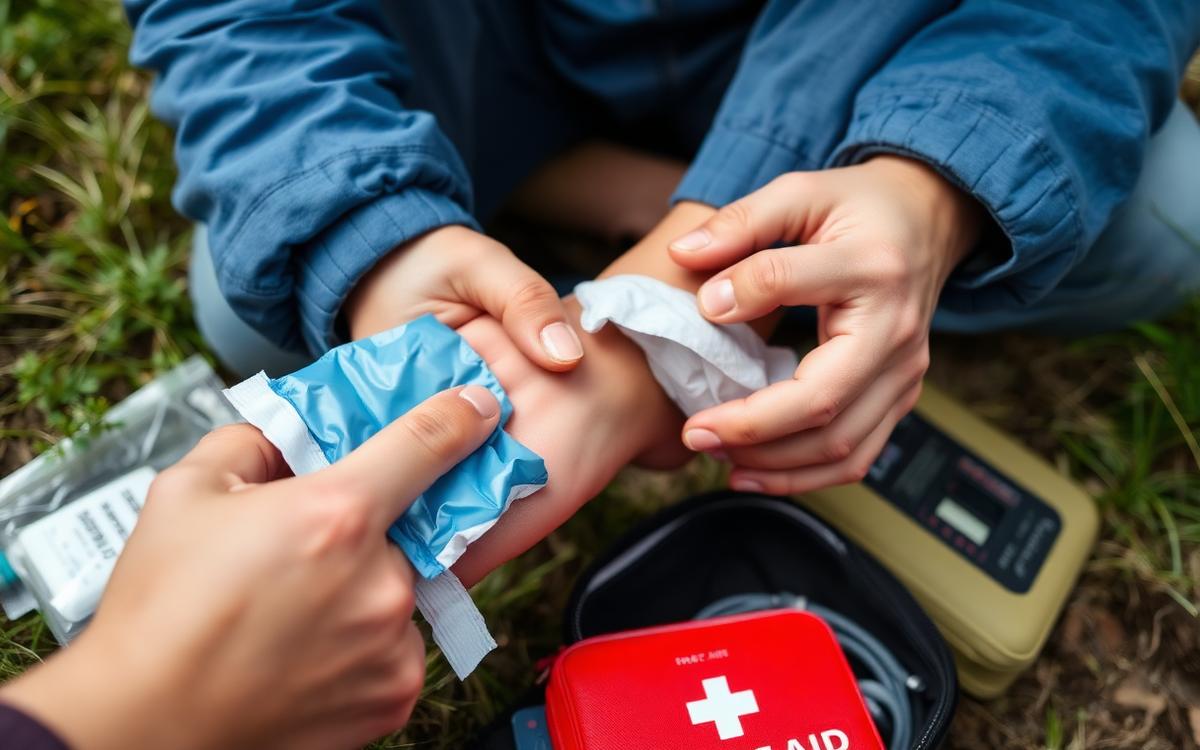
Most scorpion stings are painful but not dangerous, yet knowing the warning signs that separate a routine sting from a medical emergency can save a life.
Mahmoud Osama · Updated 5 Nov 2025

Islands host a small fraction of the world's land area but an outsized share of its extinctions. The reasons are rooted in evolution itself.
Mahmoud Osama · Updated 5 Nov 2025

Scorpions and spiders enter homes looking for shelter, moisture, and prey — here's how to make your home far less appealing to both.
Mahmoud Osama · Updated 3 Nov 2025
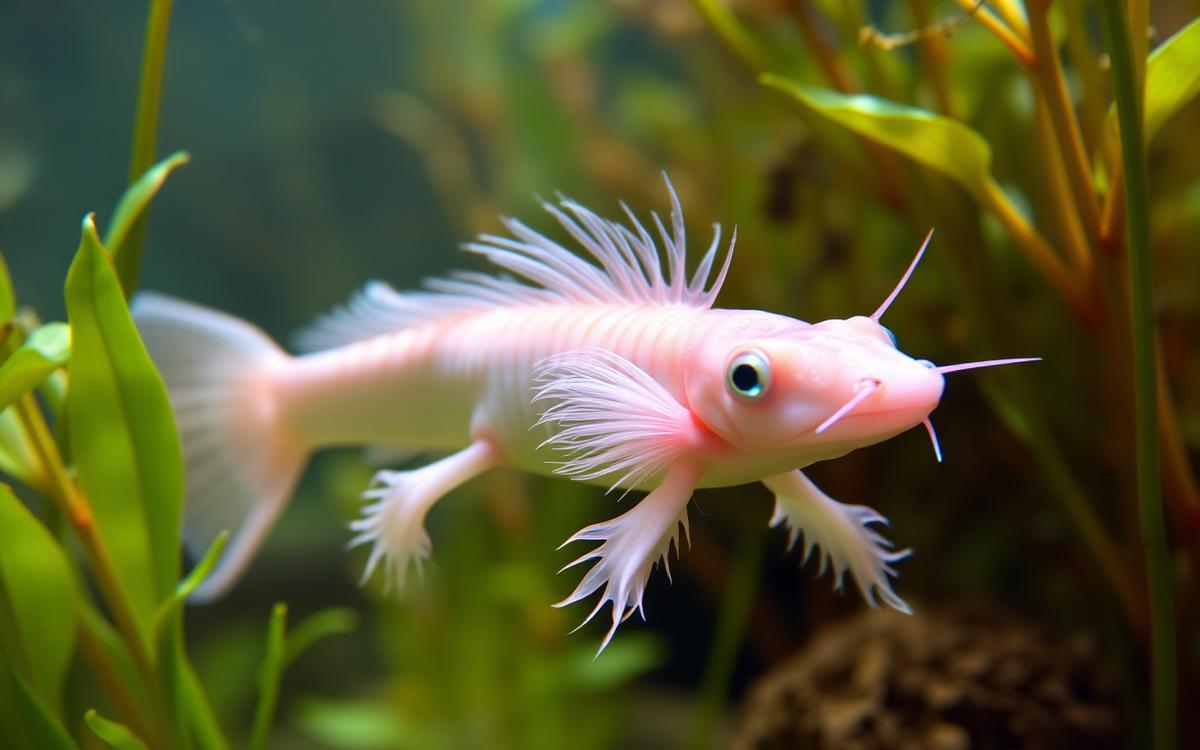
Millions of axolotls exist in aquariums and laboratories worldwide, yet the wild population, confined to a shrinking canal system in Mexico City, may now number only in the hundreds.
Mahmoud Osama · Updated 2 Nov 2025
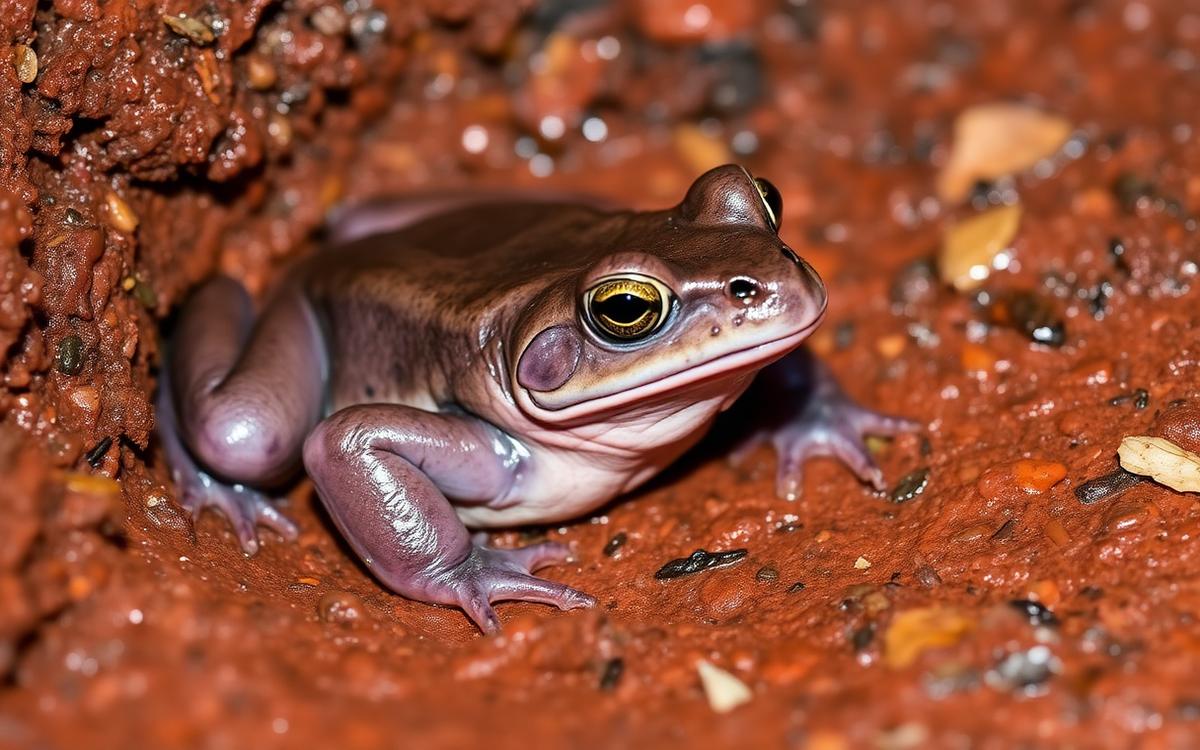
Discovered by science only in 2003, the purple frog is a burrowing amphibian whose lineage diverged from all other frogs around 100 million years ago.
Mahmoud Osama · Updated 2 Nov 2025
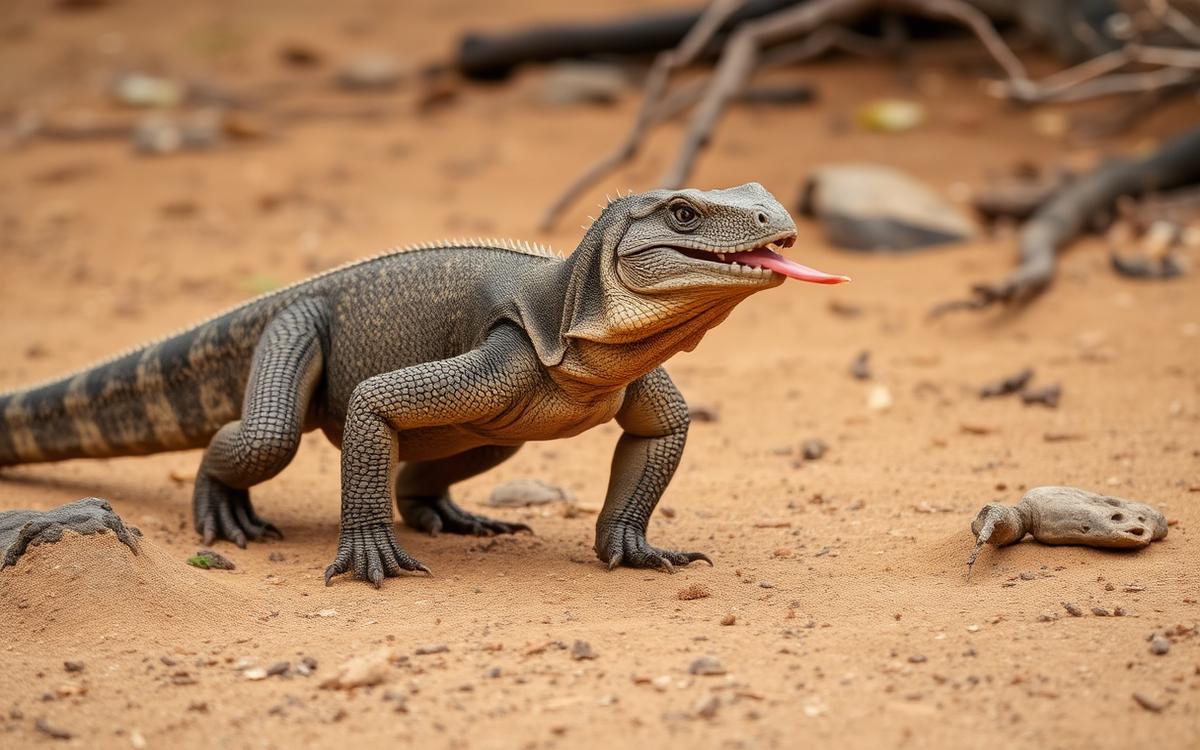
For decades, scientists assumed Komodo dragons killed prey with bacteria-laden mouths. Newer research suggests venom glands play a real role too.
Mahmoud Osama · Updated 10 Jan 2026
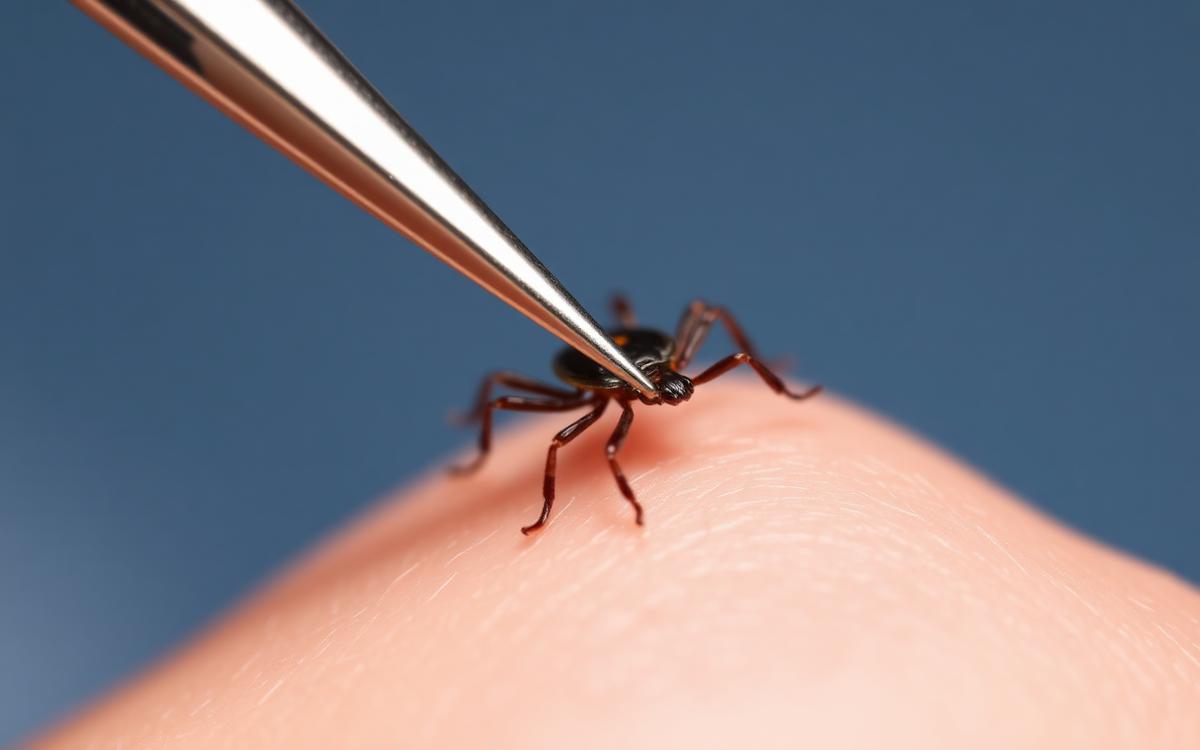
Removing an attached tick correctly, and monitoring the bite site afterward, meaningfully lowers your risk of tick-borne illness like Lyme disease.
Mahmoud Osama · Updated 25 Oct 2025
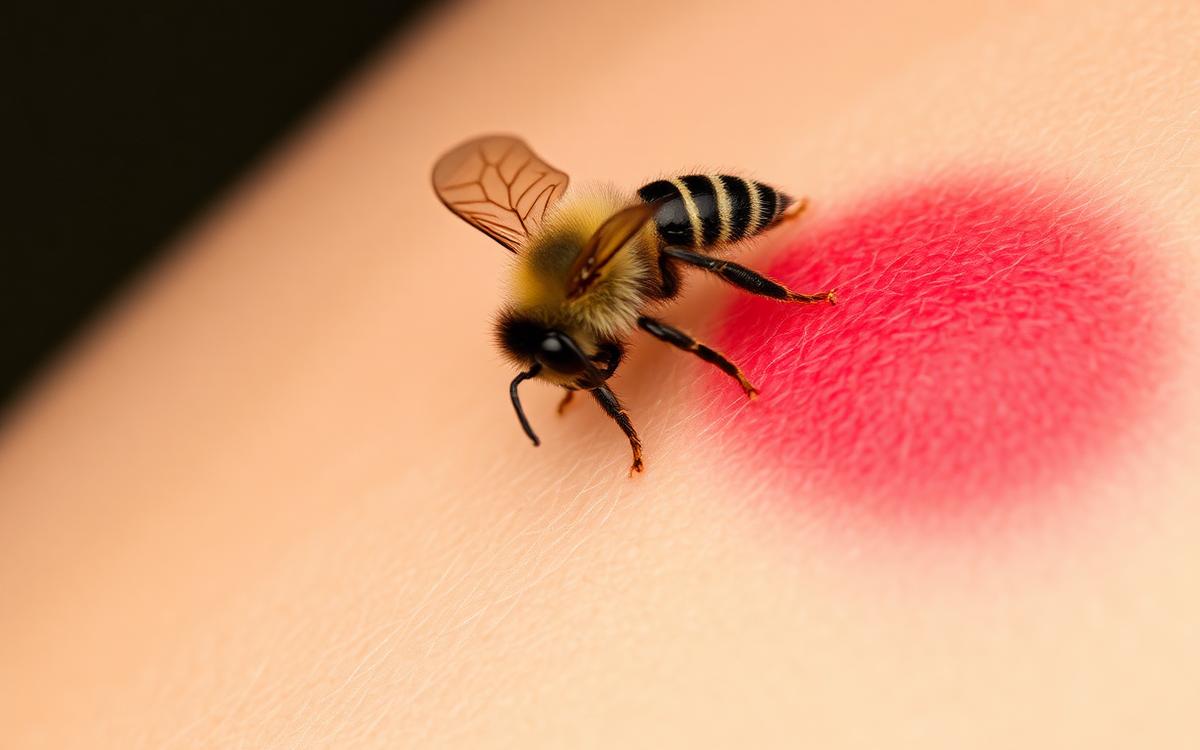
For most people a honey bee sting is a brief annoyance, but for those with a venom allergy it can trigger anaphylaxis within minutes — a true medical emergency.
Mahmoud Osama · Updated 1 Nov 2025
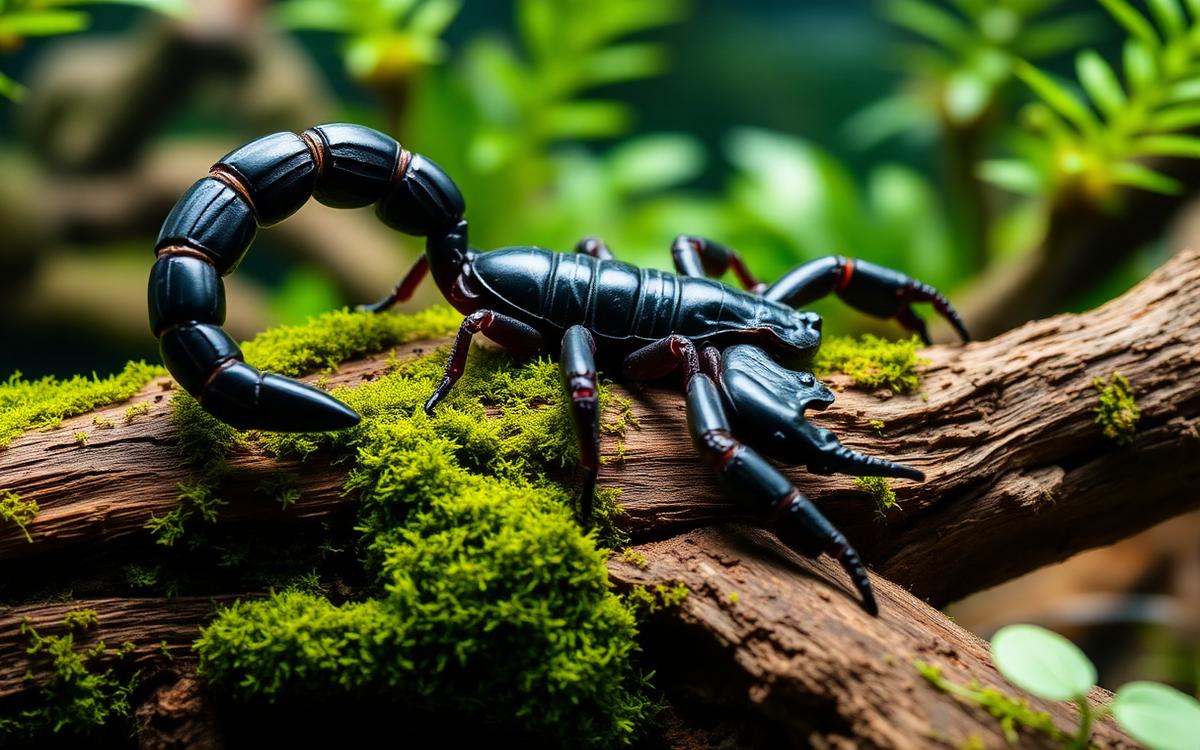
Despite its imposing size and fearsome pincers, the emperor scorpion has venom no more dangerous than a bee sting, making it one of the safest scorpions to keep.
Mahmoud Osama · Updated 20 Oct 2025
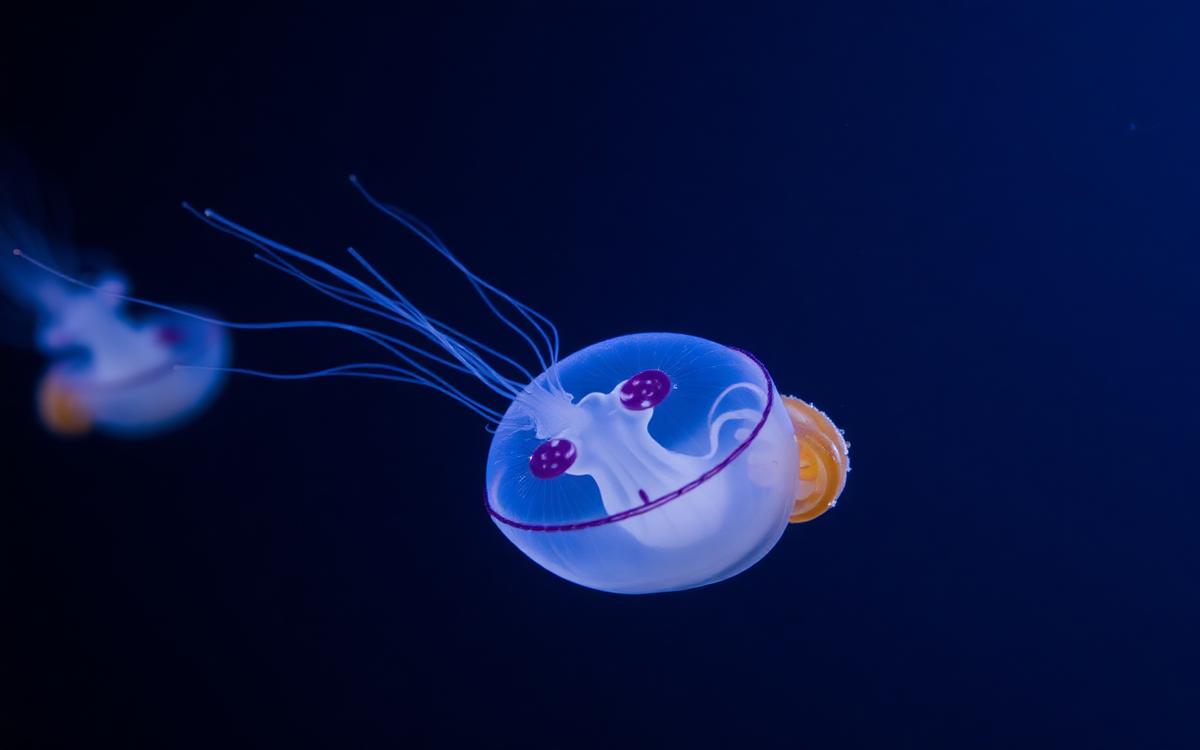
A sting from a jellyfish barely bigger than a fingernail can trigger Irukandji syndrome, a delayed cascade of pain, vomiting, and cardiovascular danger.
Mahmoud Osama · Updated 20 Oct 2025
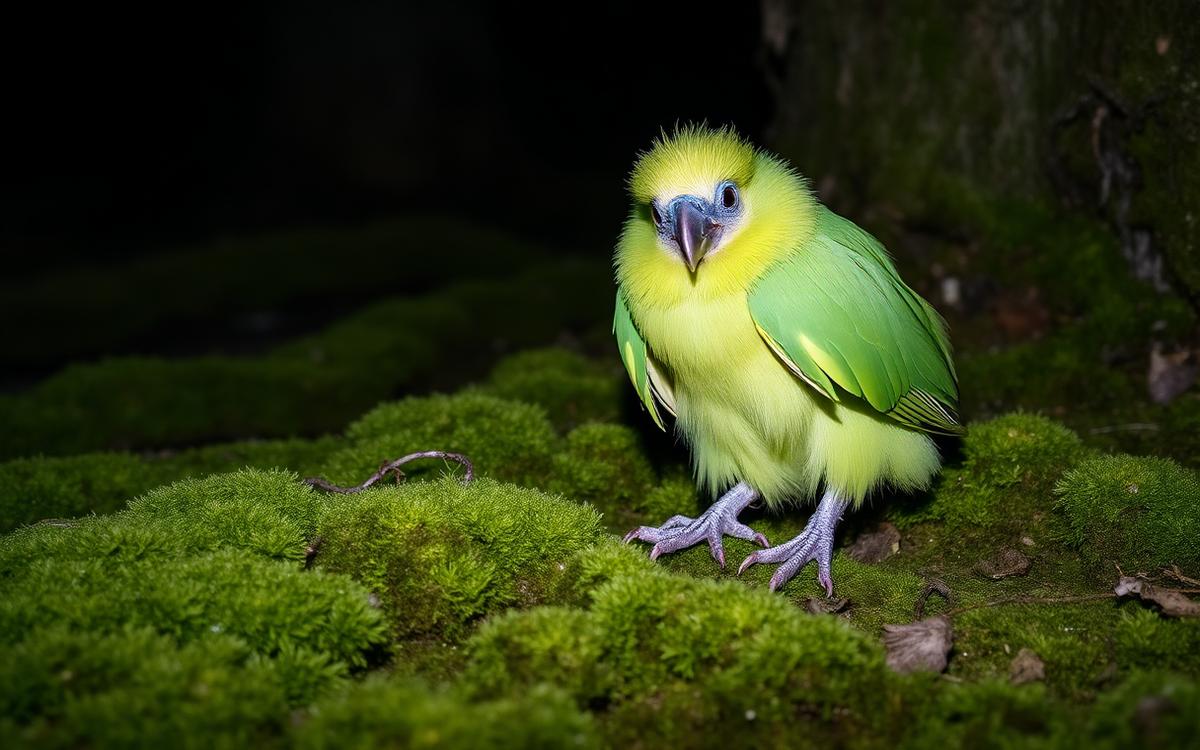
The world's heaviest parrot, flightless and nocturnal, the kakapo dropped to just over 50 birds before an intensive, individually managed recovery program brought numbers past 250.
Mahmoud Osama · Updated 18 Oct 2025
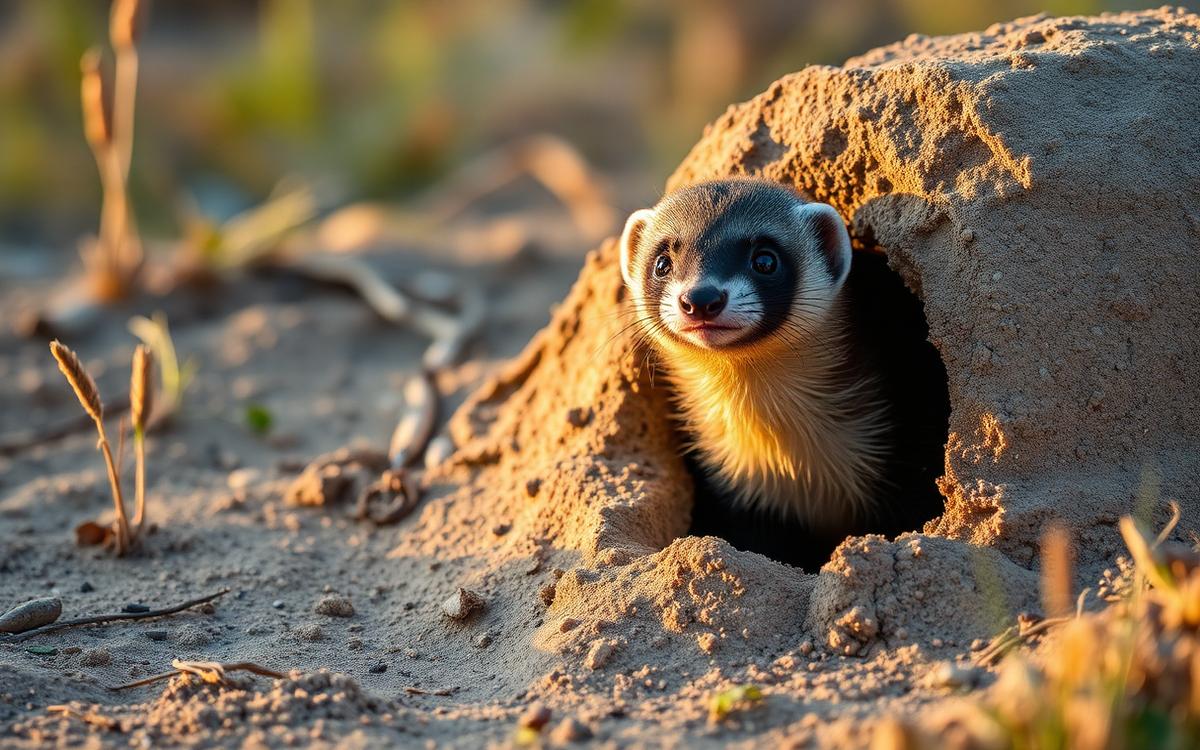
Declared extinct twice before a small wild population was found in 1981, the black-footed ferret survives today only through an intensive captive breeding program.
Mahmoud Osama · Updated 18 Oct 2025
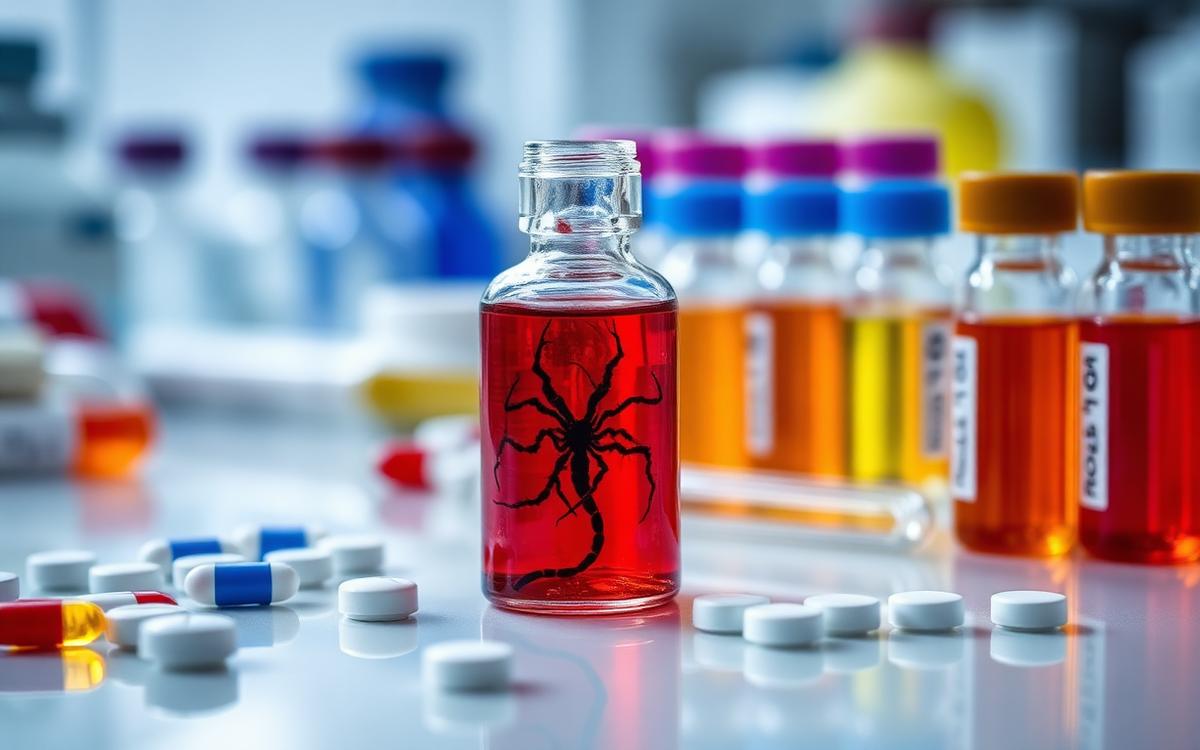
Some of the most effective drugs on pharmacy shelves started as deadly venom — here's how researchers turn toxins into treatments.
Mahmoud Osama · Updated 18 Oct 2025
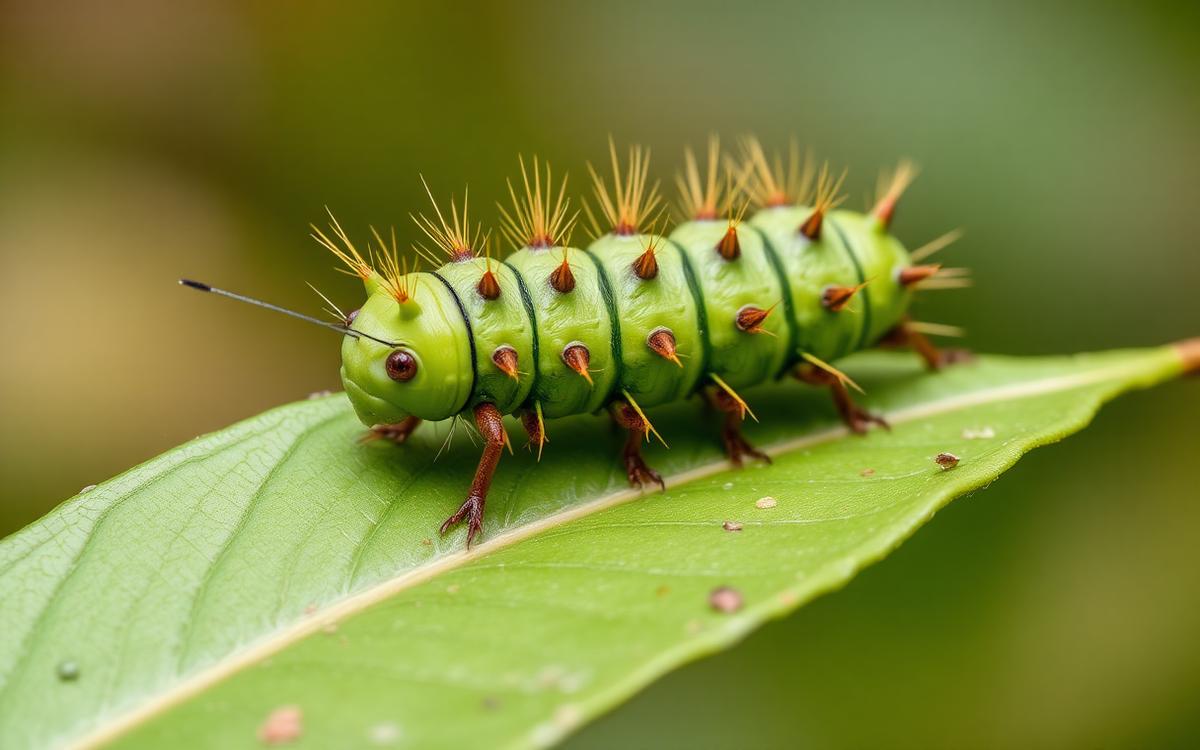
The saddleback caterpillar's vivid green-and-brown pattern is a warning sign — its urticating spines deliver a sting that rivals a wasp for intensity.
Mahmoud Osama · Updated 16 Oct 2025
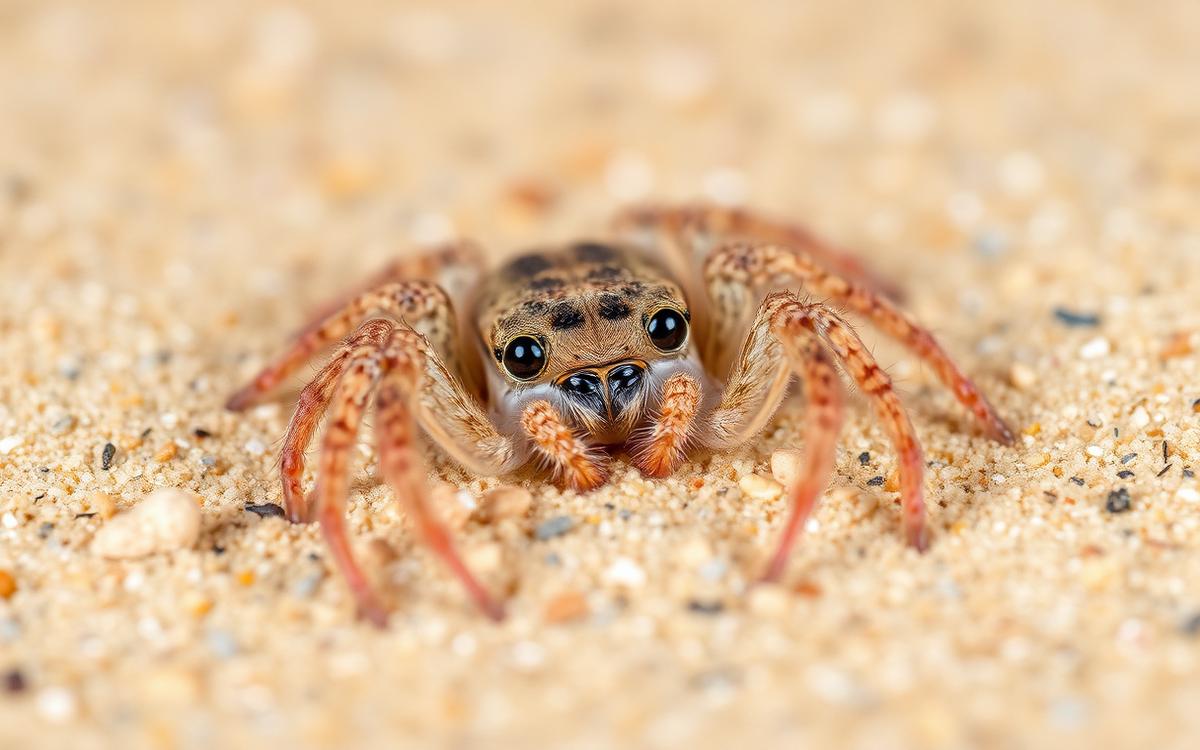
The six-eyed sand spider is a camouflaged desert ambusher whose venom is feared but almost never actually documented in human bites.
Mahmoud Osama · Updated 16 Oct 2025
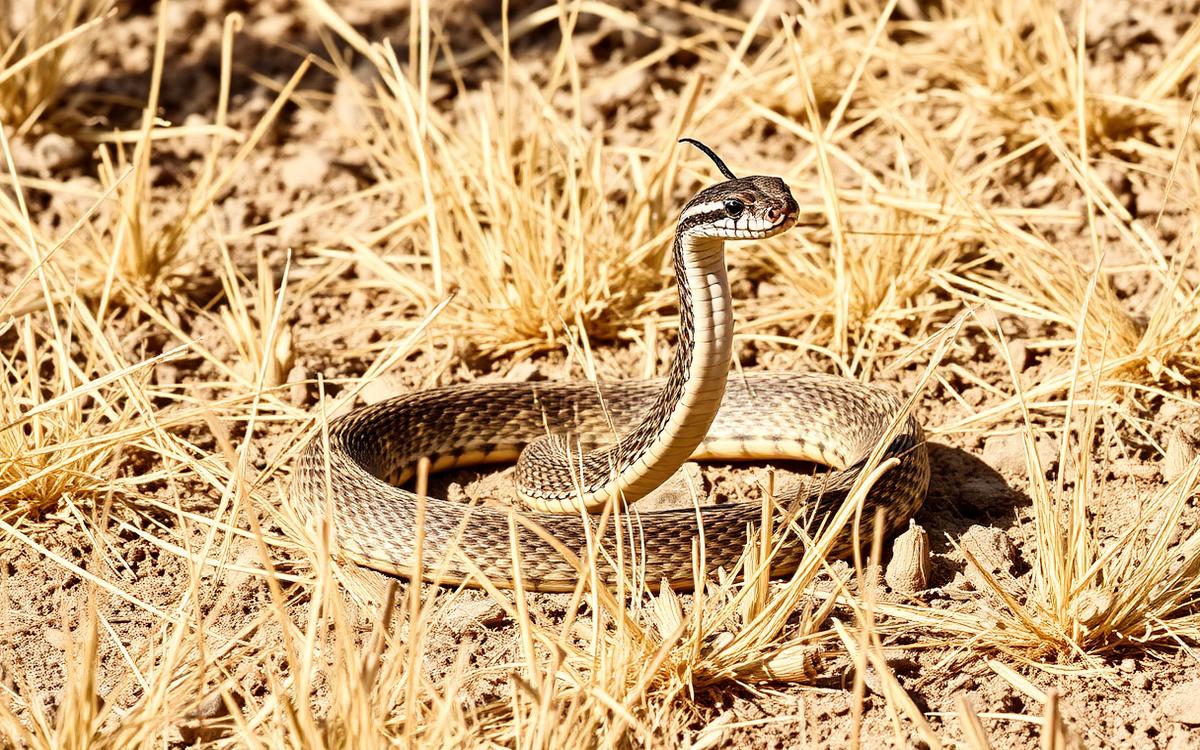
Old rattlesnake bite myths like cutting the wound or applying a tourniquet can cause more harm than the bite itself. Here is what modern medicine recommends.
Mahmoud Osama · Updated 16 Oct 2025
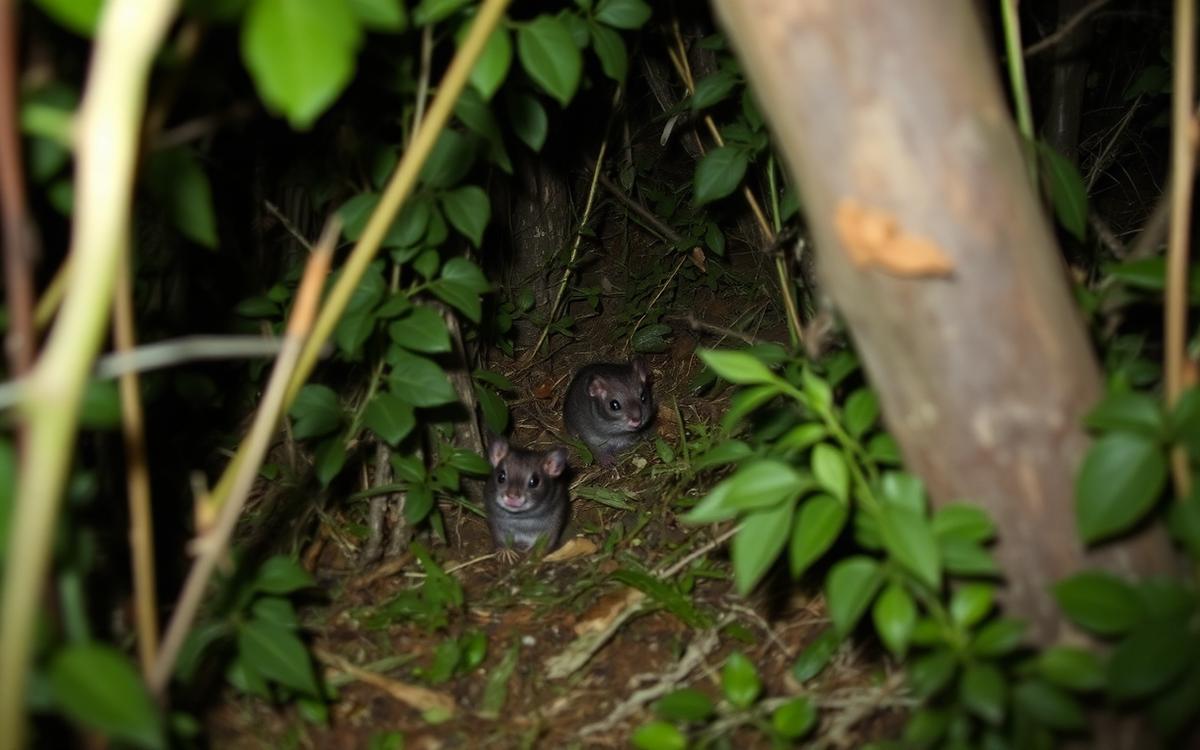
Every so often, a species written off as extinct turns up alive. These rediscoveries carry lessons about survey gaps and hidden refuges.
Mahmoud Osama · Updated 15 Oct 2025
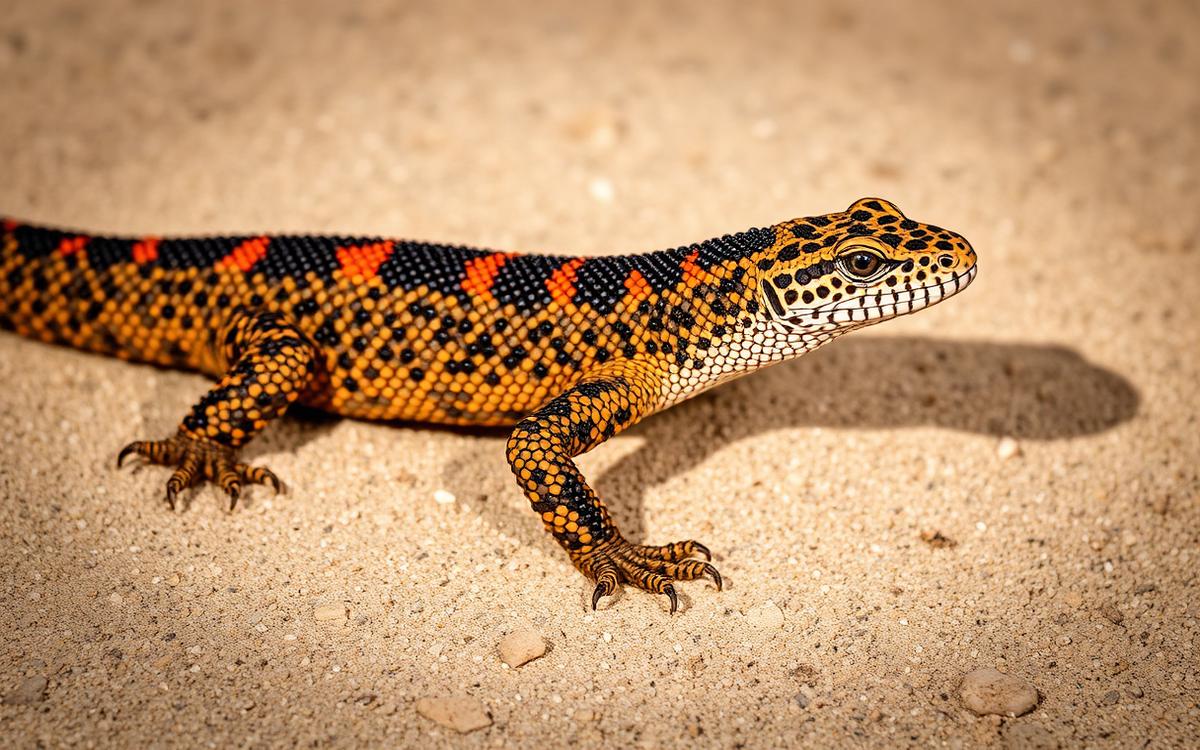
The Gila monster's slow, deliberate demeanor hides a genuinely venomous bite, one of the few examples of venom delivery among lizards worldwide.
Mahmoud Osama · Updated 20 Dec 2025

For people with severe insect sting allergies, minutes matter. Here is how to recognize anaphylaxis and use an adrenaline auto-injector correctly.
Mahmoud Osama · Updated 10 Oct 2025
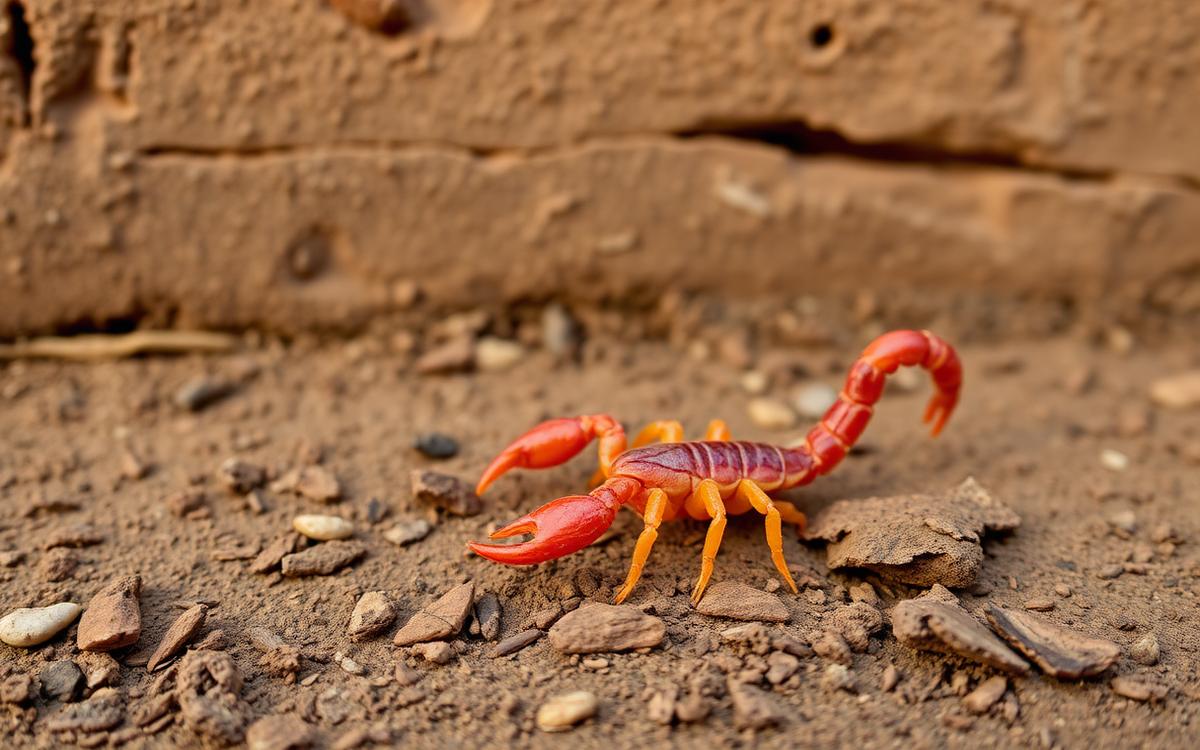
Despite its modest size, the Indian red scorpion causes some of the most severe cardiovascular scorpion sting reactions documented anywhere in the world.
Mahmoud Osama · Updated 5 Oct 2025
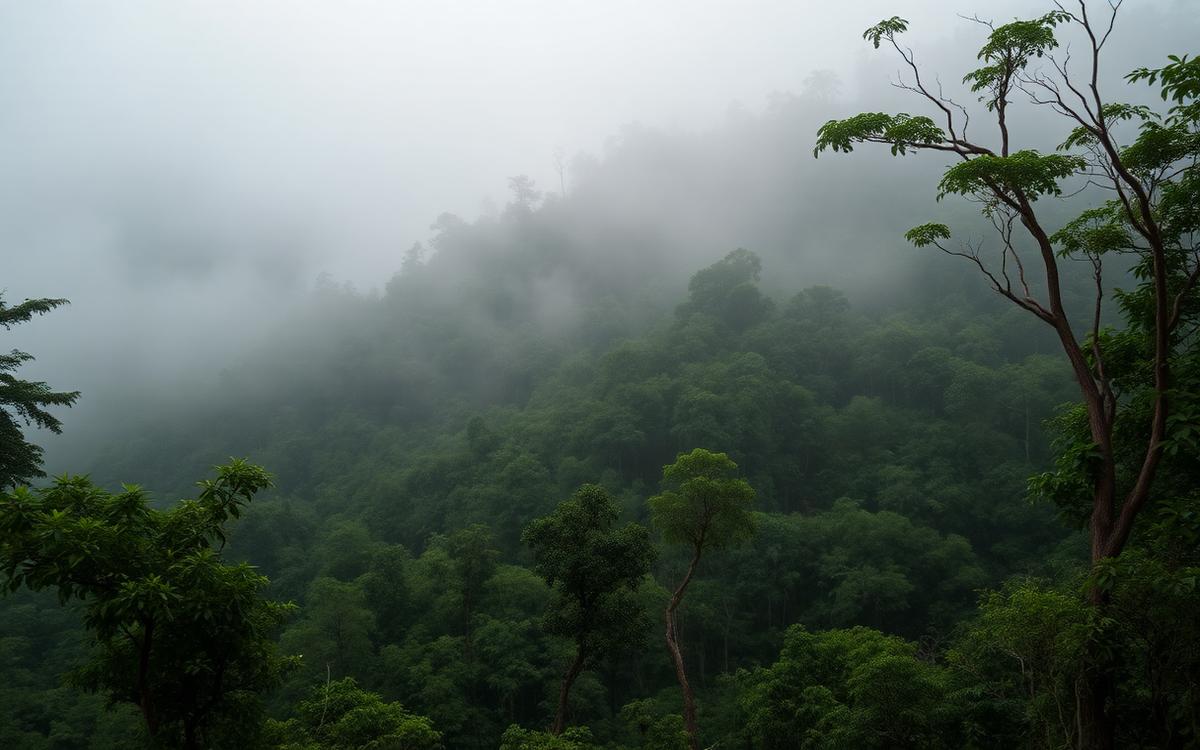
Discovered by science only in 1992, the saola may be one of the rarest large mammals on the planet, with no confirmed sighting since a 2013 camera trap image.
Mahmoud Osama · Updated 3 Oct 2025
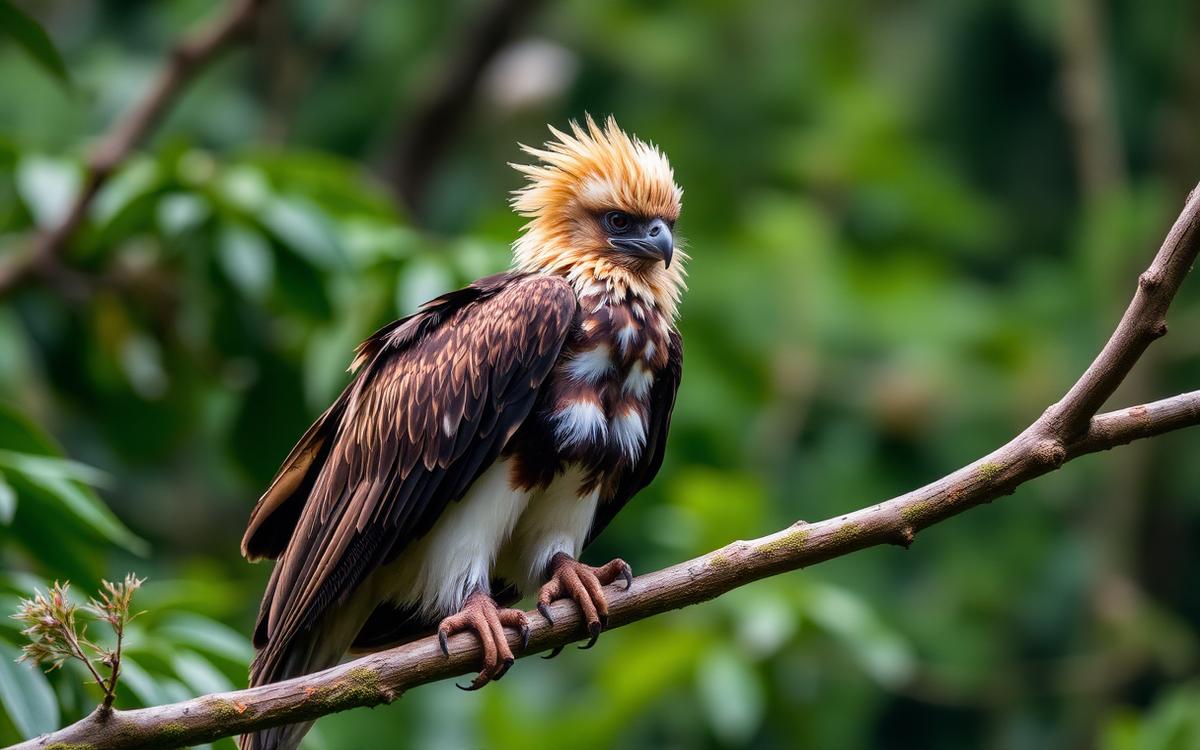
With fewer than 800 individuals left, the Philippine eagle depends on vanishing old-growth forest that is disappearing faster than it can be protected.
Mahmoud Osama · Updated 3 Oct 2025
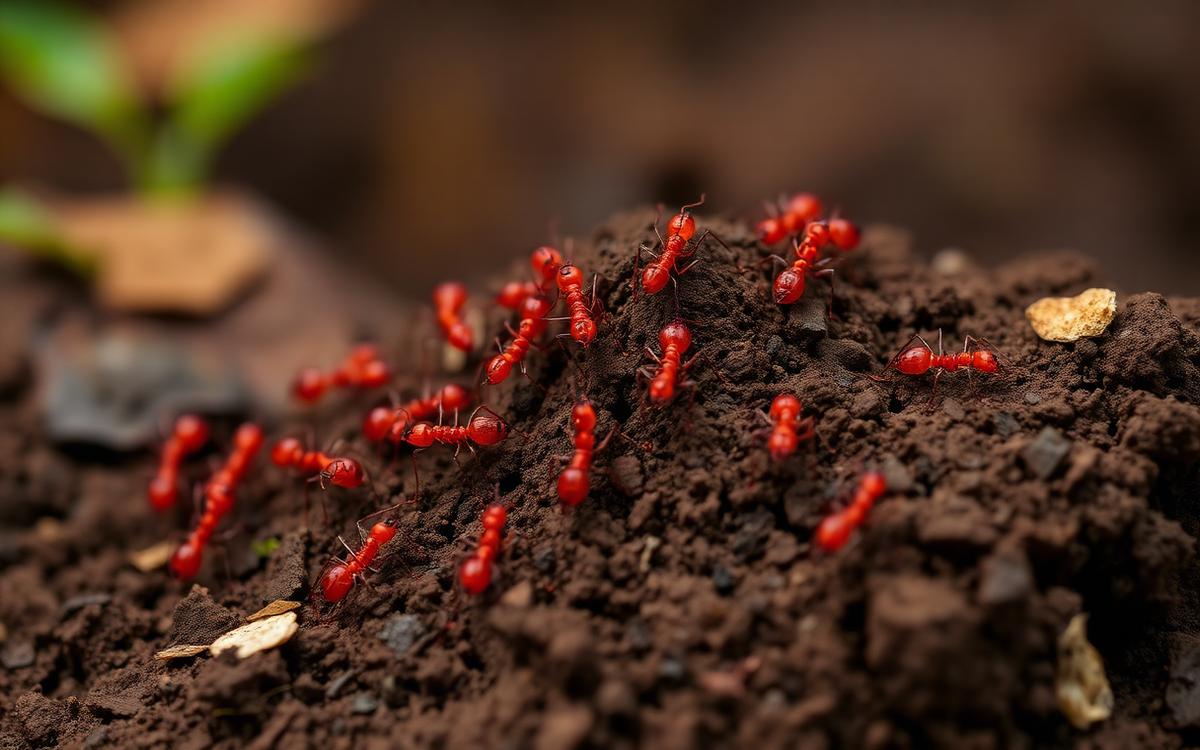
Fire ants swarm and sting in numbers, leaving behind the telltale white pustules that make their stings instantly recognizable — and occasionally dangerous for the allergic.
Mahmoud Osama · Updated 2 Oct 2025
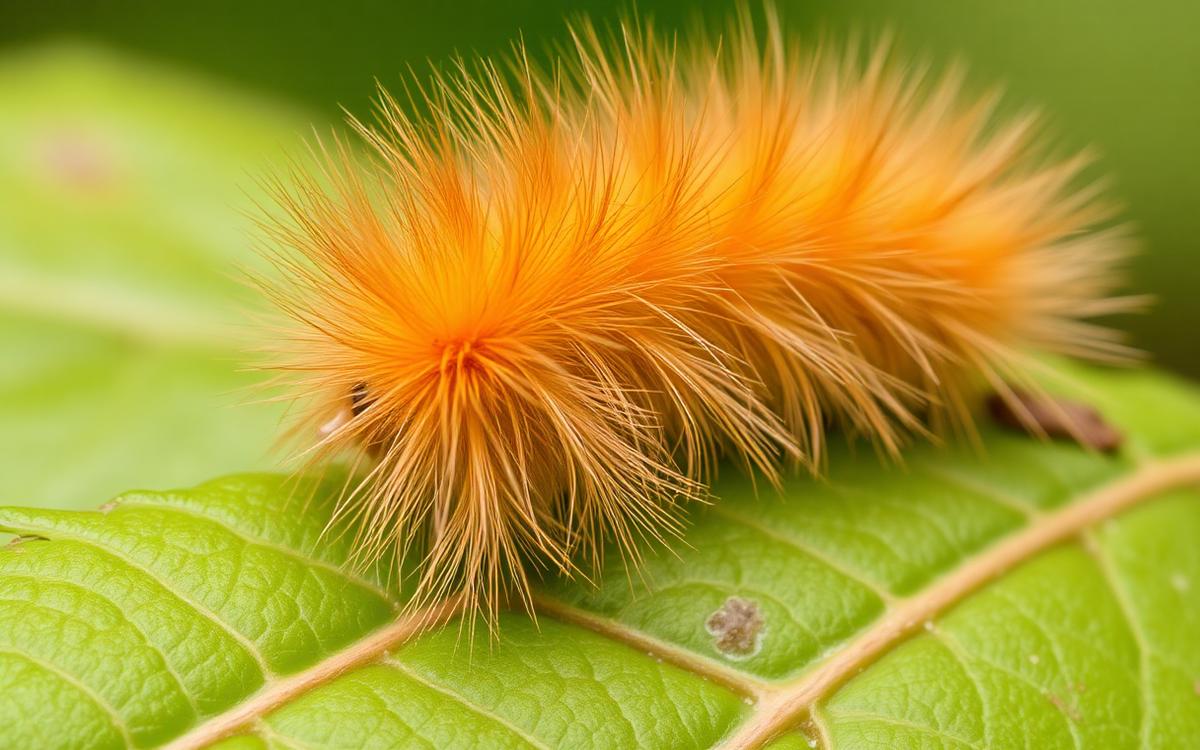
Southern flannel moth caterpillars, nicknamed puss caterpillars, are covered in soft-looking hair that conceals venomous spines capable of causing severe, radiating pain.
Mahmoud Osama · Updated 2 Oct 2025
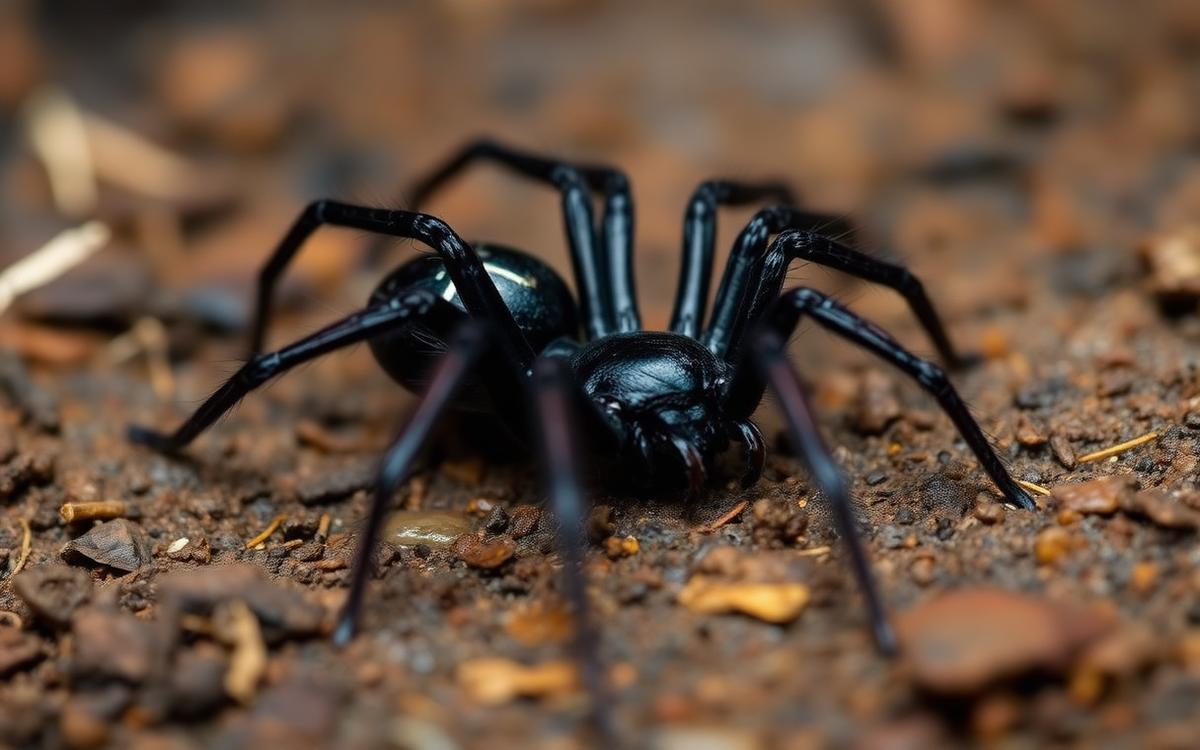
The Sydney funnel-web spider's venom can kill within hours, yet no one has died from a confirmed bite since antivenom was introduced.
Mahmoud Osama · Updated 2 Oct 2025
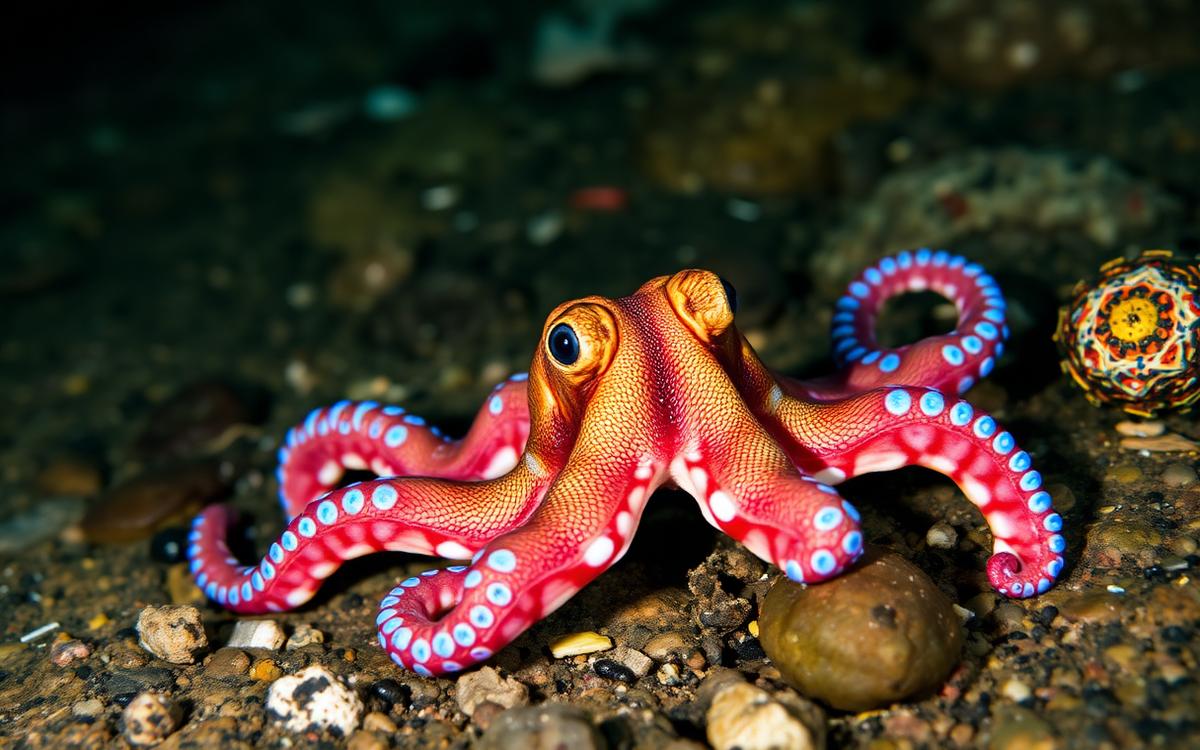
Barely the size of a golf ball, the blue-ringed octopus carries enough tetrodotoxin to kill an adult human, with no antivenom available.
Mahmoud Osama · Updated 2 Oct 2025

LD50 numbers get thrown around constantly in venom rankings, but the metric was never designed to tell you how dangerous an animal is to a human.
Mahmoud Osama · Updated 2 Oct 2025
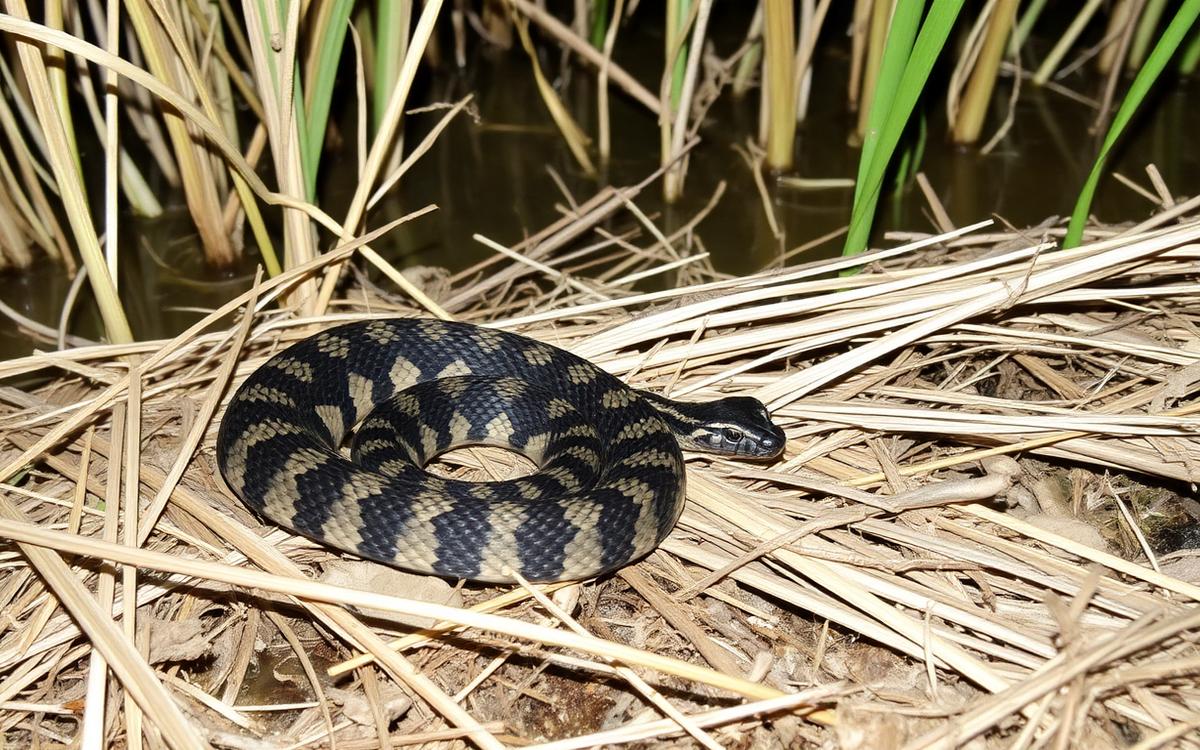
Russell's viper is one of Asia's 'big four' medically important snakes, responsible for tens of thousands of severe bites each year across farming communities.
Mahmoud Osama · Updated 5 Dec 2025
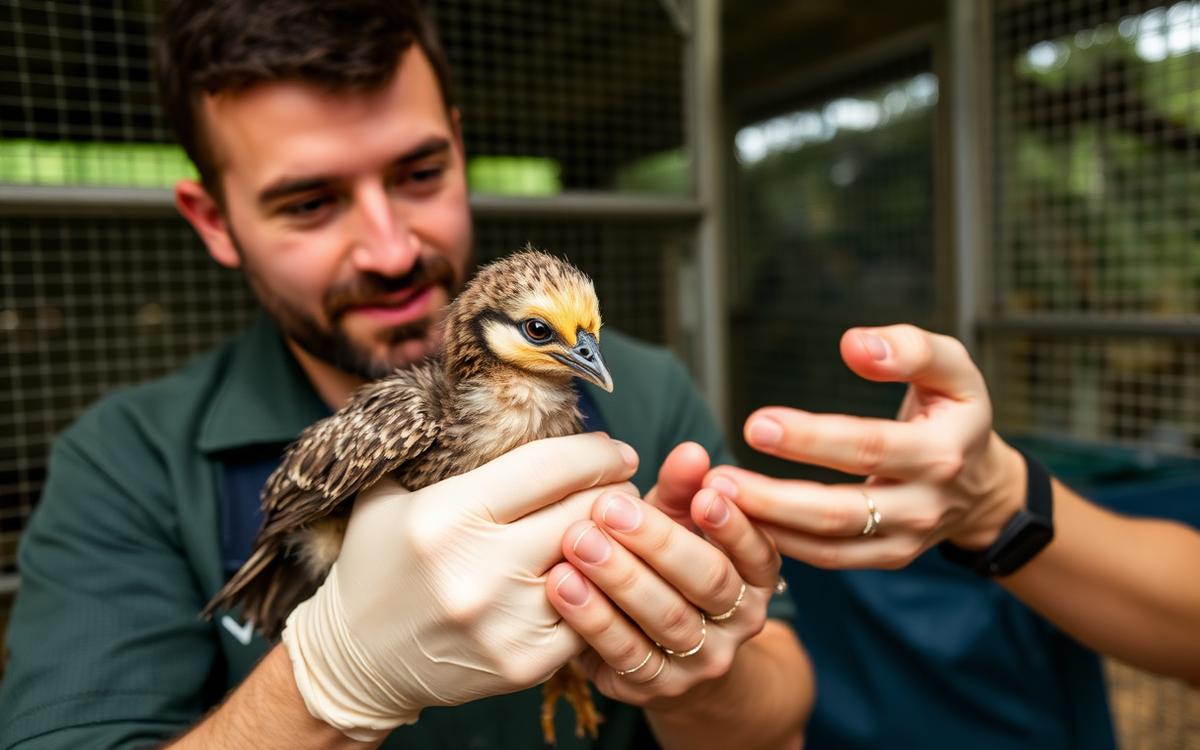
Captive breeding is a last resort, but a handful of programmes have turned a handful of survivors into stable wild populations.
Mahmoud Osama · Updated 25 Sept 2025
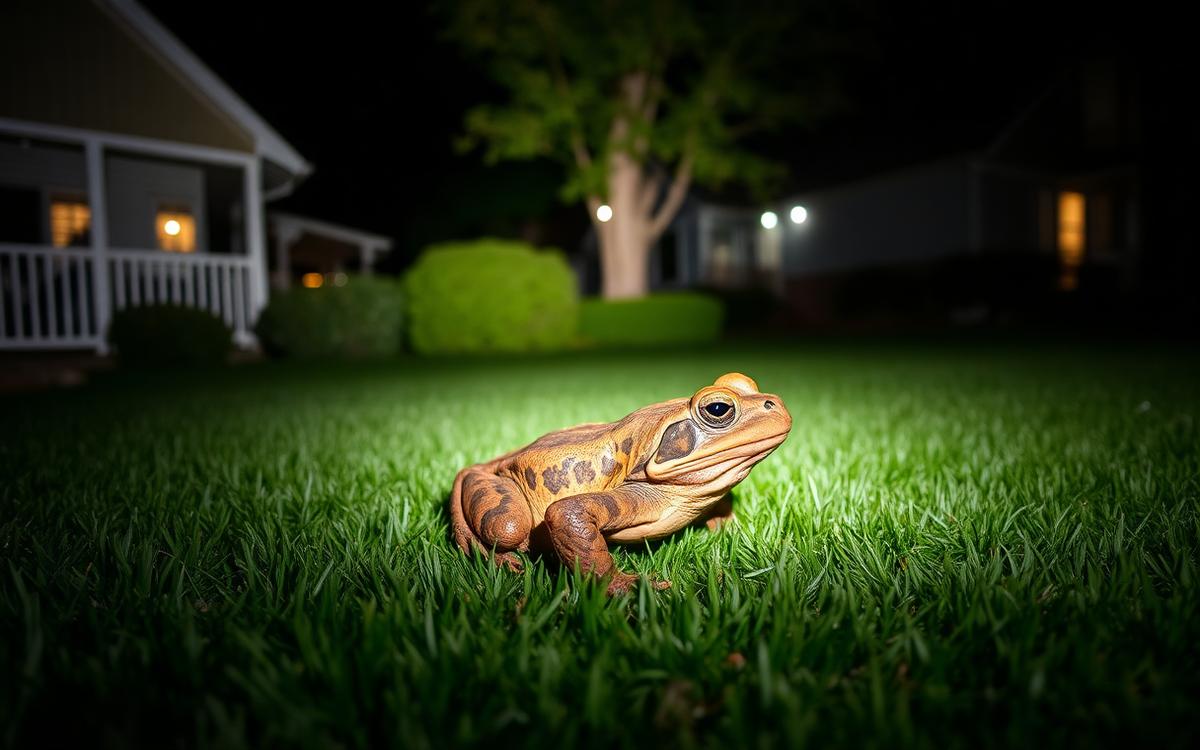
Cane toads secrete a potent cardiotoxin from glands behind their eyes, and every year it sickens or kills thousands of curious dogs and cats.
Mahmoud Osama · Updated 25 Sept 2025
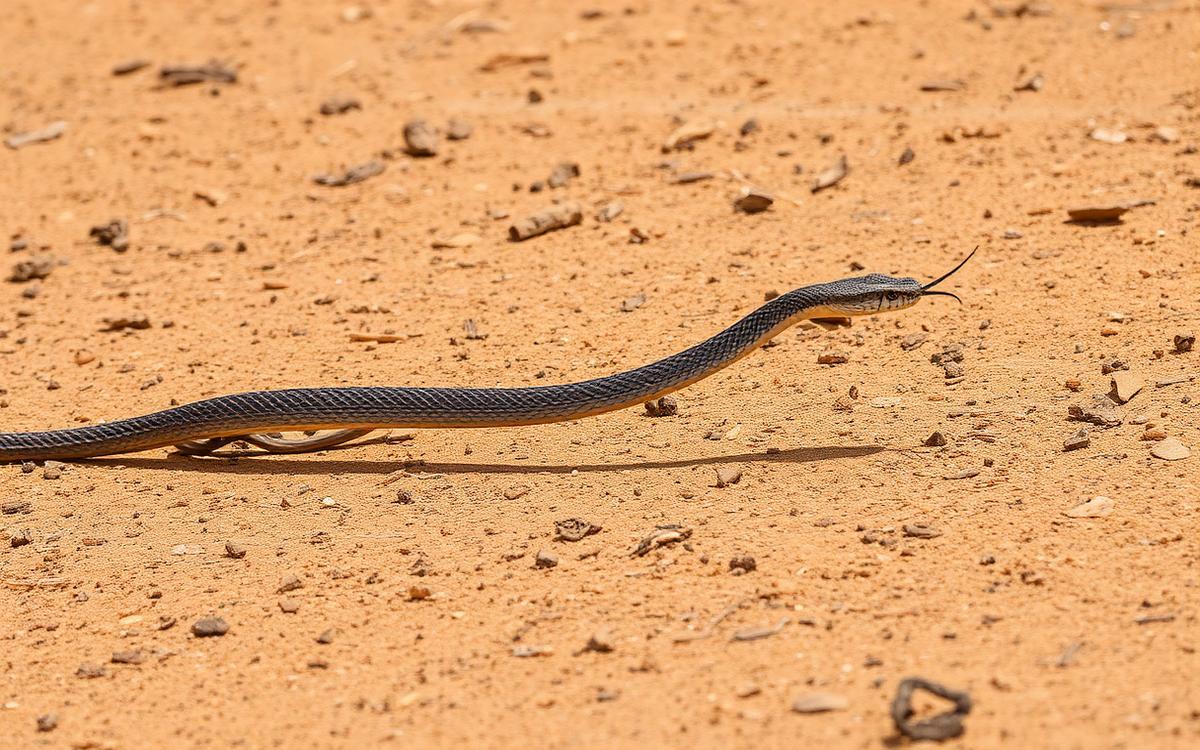
The black mamba's reputation for speed and lethal venom is partly myth and partly hard biological fact, and separating the two matters for safety and conservation alike.
Mahmoud Osama · Updated 10 Nov 2025
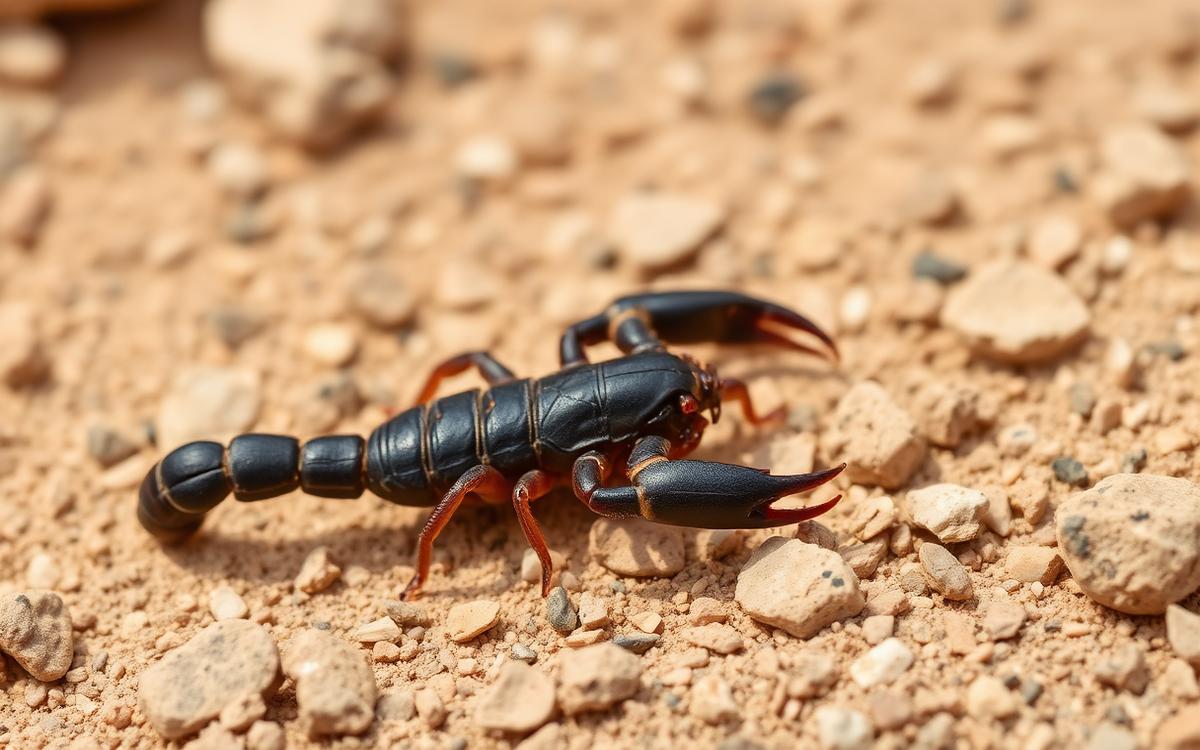
With thick tails packed with muscle and highly potent neurotoxic venom, Androctonus species are considered among the deadliest scorpions in the world.
Mahmoud Osama · Updated 20 Sept 2025
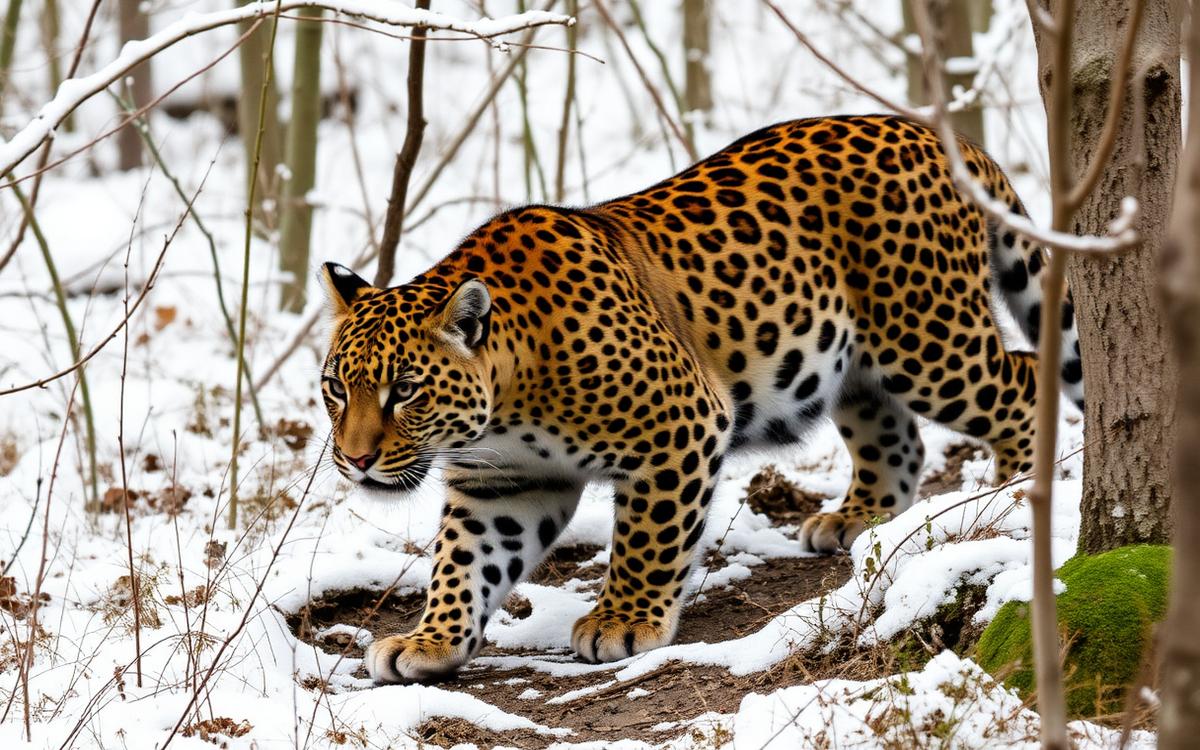
Adapted to snow and cold forests unlike any other leopard subspecies, the Amur leopard has climbed back from fewer than 30 wild cats to roughly 100–130 today.
Mahmoud Osama · Updated 20 Sept 2025
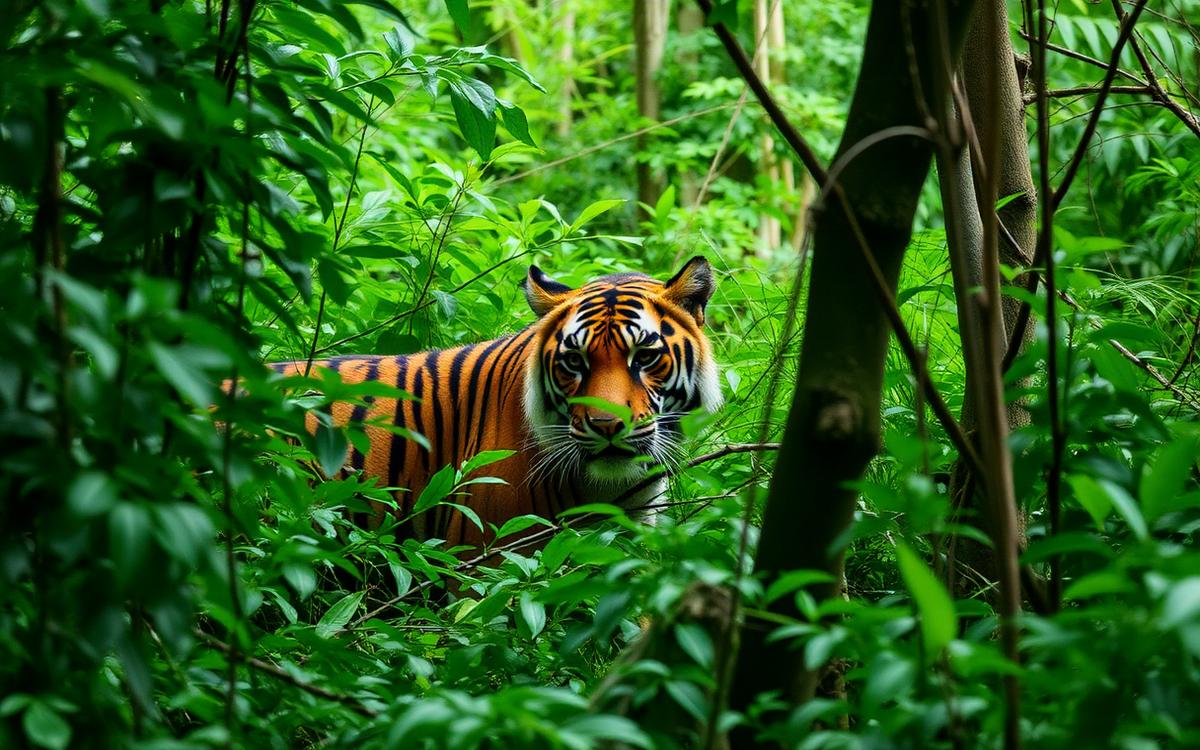
Fewer than 400 Sumatran tigers remain in the wild, isolated in shrinking forest fragments and threatened by poaching and palm oil expansion.
Mahmoud Osama · Updated 20 Sept 2025
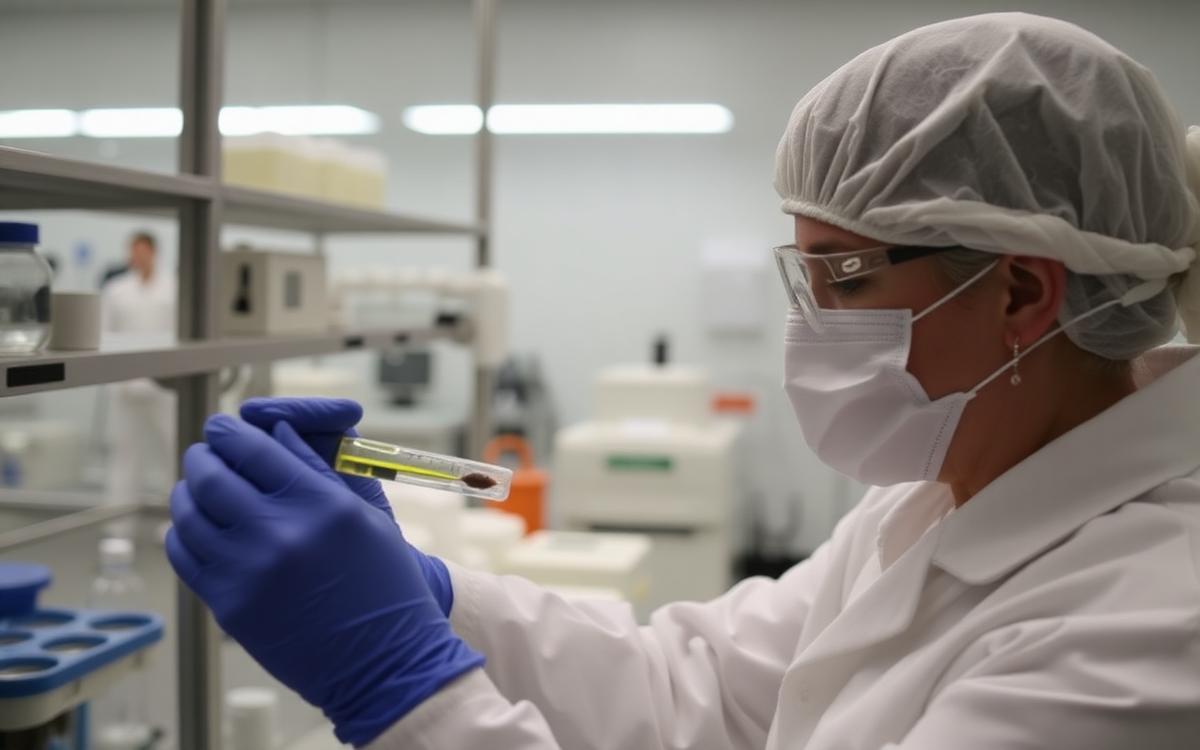
Antivenom is one of medicine's oldest biologics, made by harvesting antibodies raised against venom. Here is how it actually works inside the body.
Mahmoud Osama · Updated 20 Sept 2025
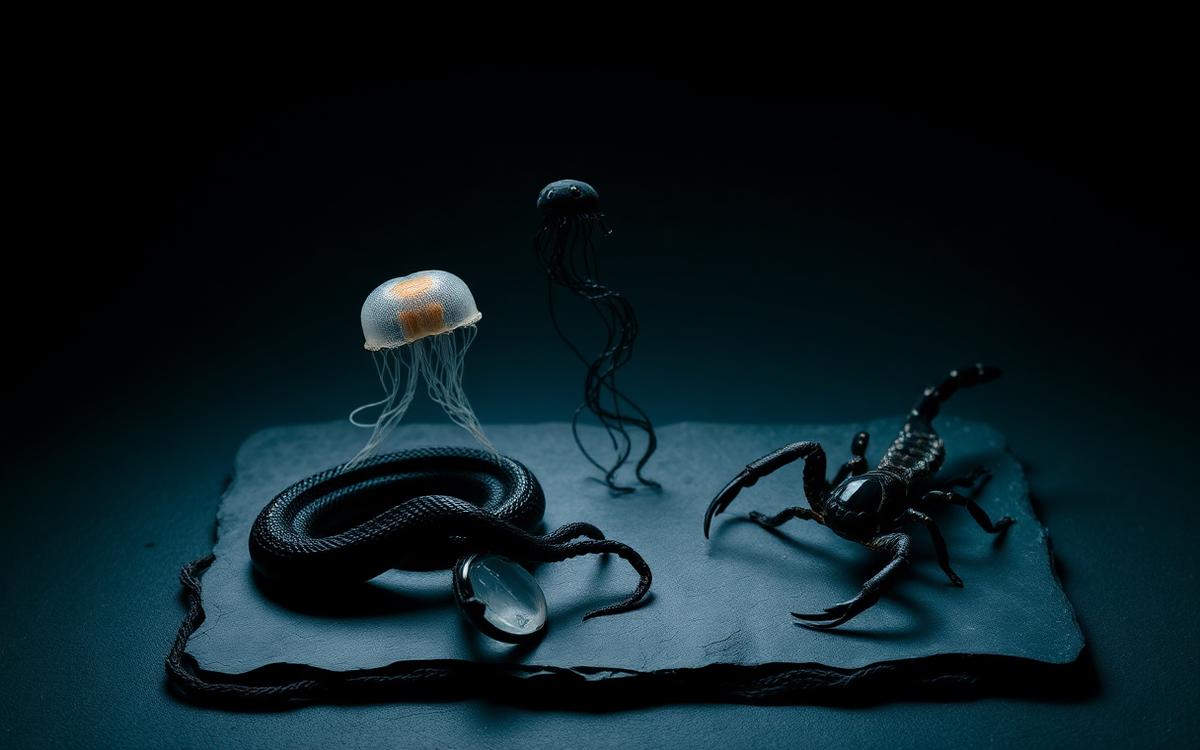
Rankings of 'most venomous' animals are popular clickbait, but the real science behind venom potency is far messier than a simple list suggests.
Mahmoud Osama · Updated 20 Sept 2025
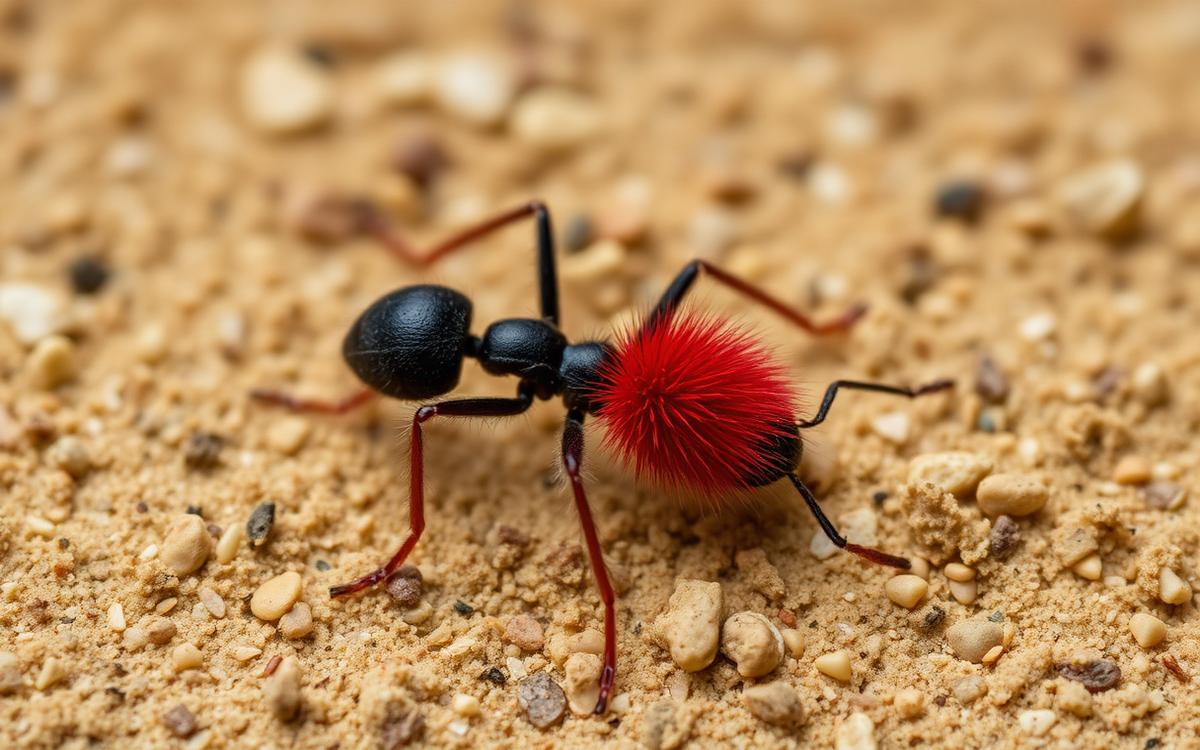
The velvet ant is not an ant at all but a wingless wasp whose sting earned it the nickname "cow killer" for its reputed ability to drop livestock — an exaggeration, but the pain is real.
Mahmoud Osama · Updated 18 Sept 2025
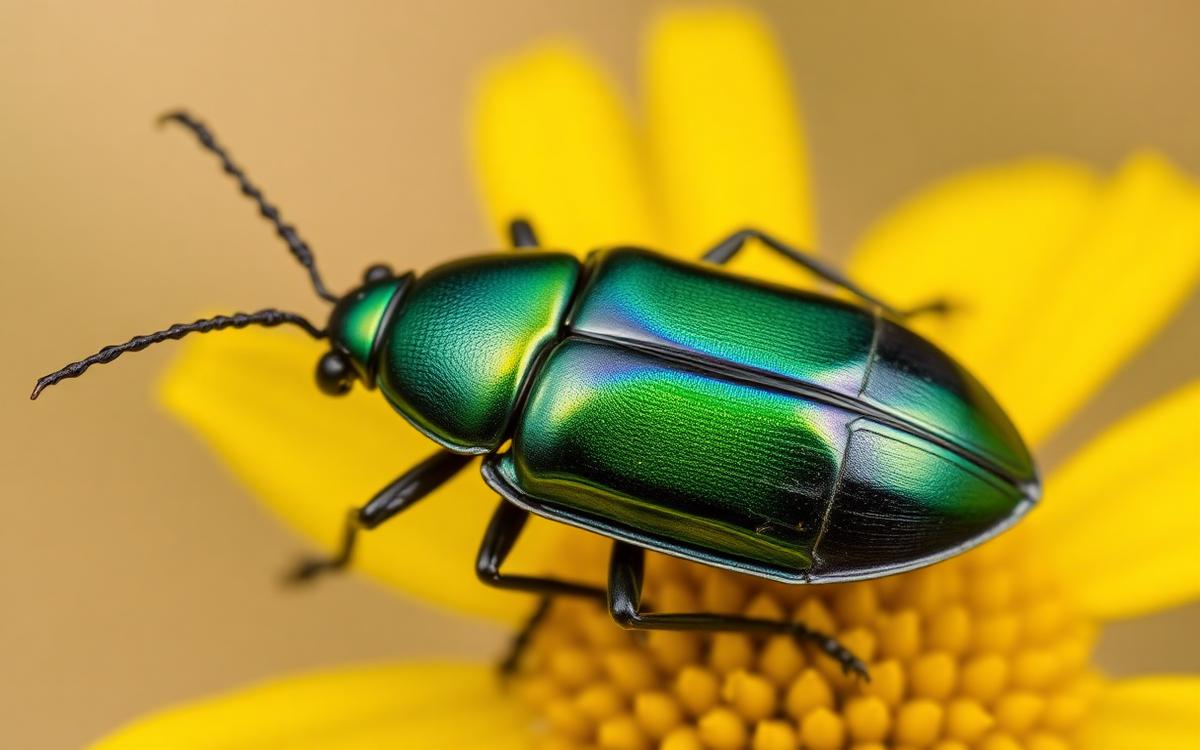
Blister beetles do not bite or sting — they defend themselves with cantharidin, a corrosive chemical potent enough to blister skin and poison horses through contaminated hay.
Mahmoud Osama · Updated 18 Sept 2025
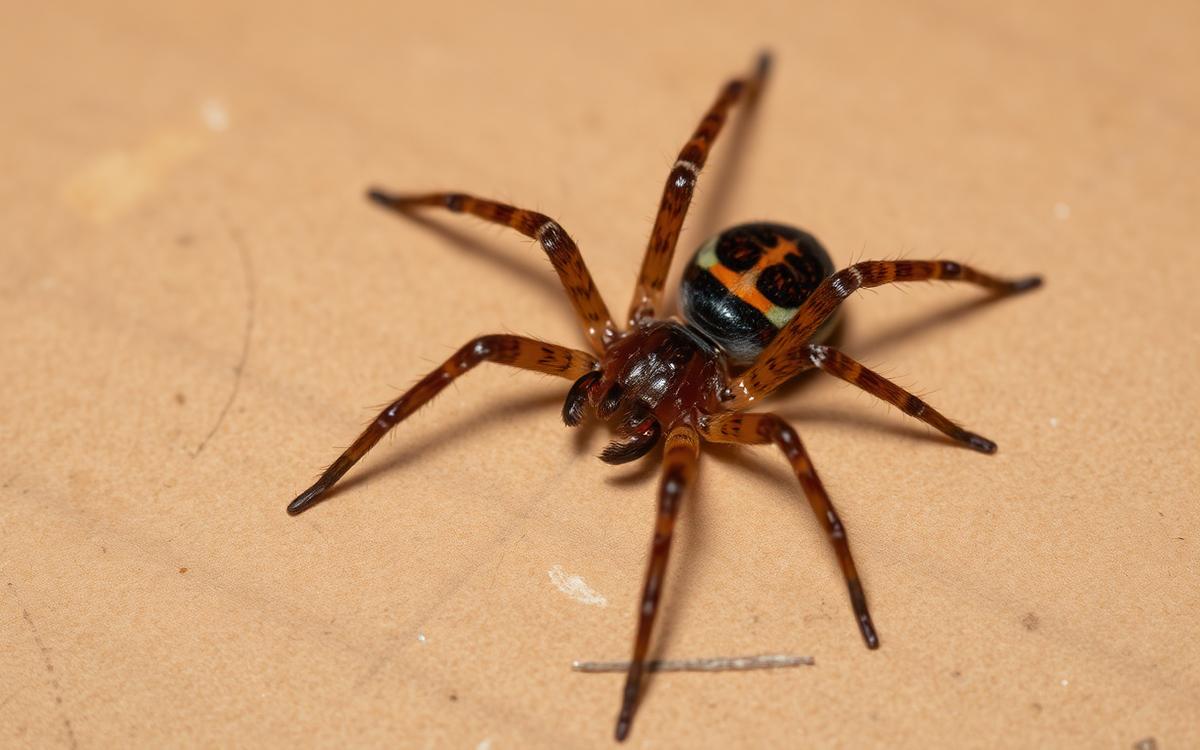
Brown recluse bites are widely blamed for skin wounds they did not cause. Here is what the evidence actually shows.
Mahmoud Osama · Updated 18 Sept 2025
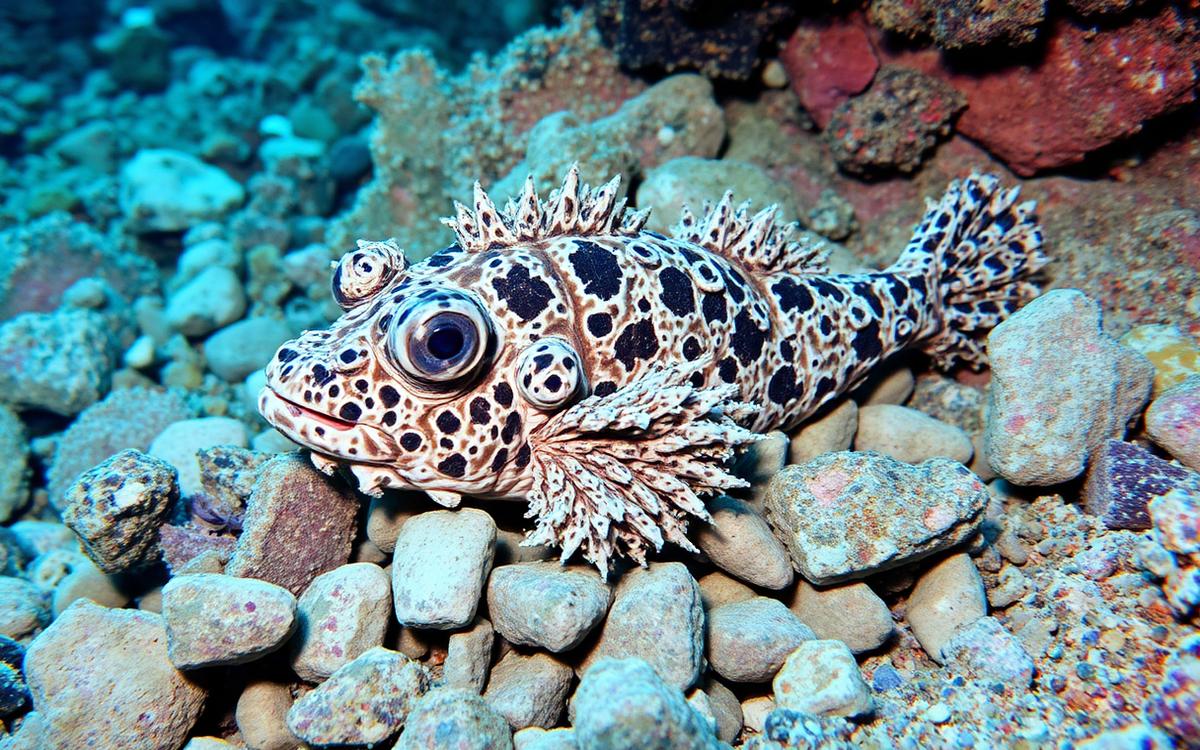
Camouflaged perfectly against rock and coral, the stonefish delivers one of the most painful stings in the ocean through 13 needle-sharp dorsal spines.
Mahmoud Osama · Updated 18 Sept 2025
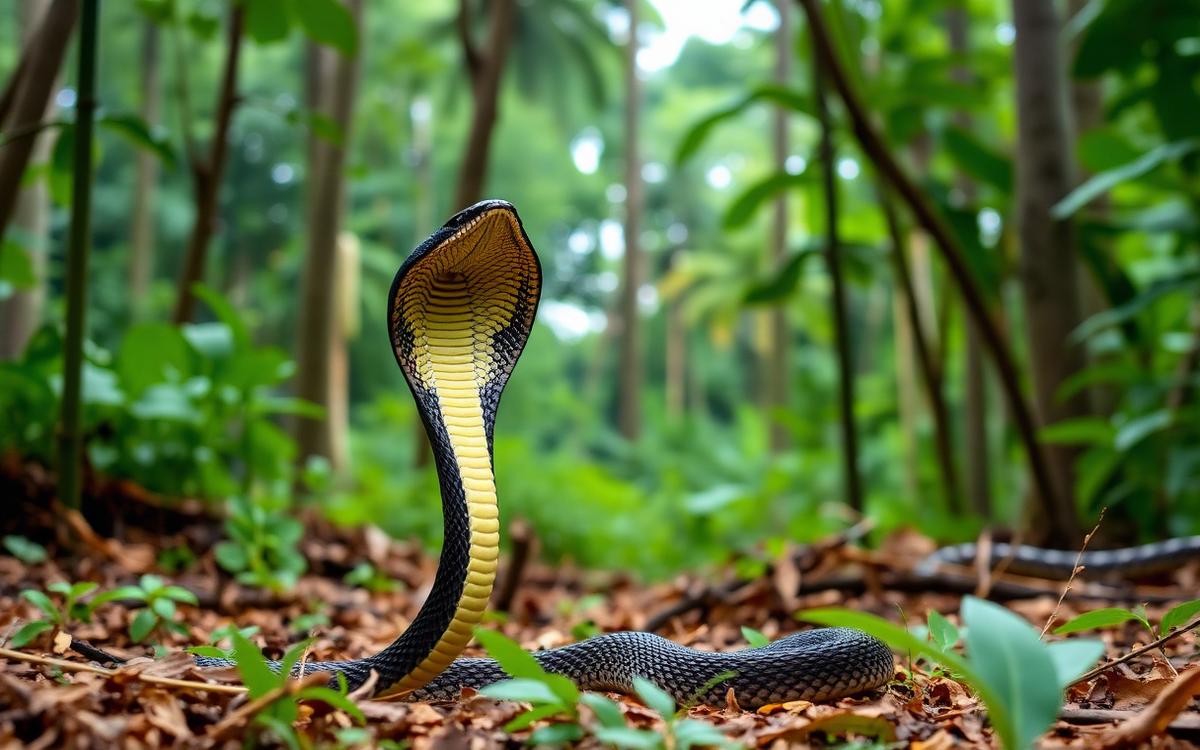
The king cobra is the longest venomous snake on Earth, a specialist snake-eater whose neurotoxic bite and dramatic hood display have made it a symbol of both fear and fascination.
Mahmoud Osama · Updated 2 Nov 2025
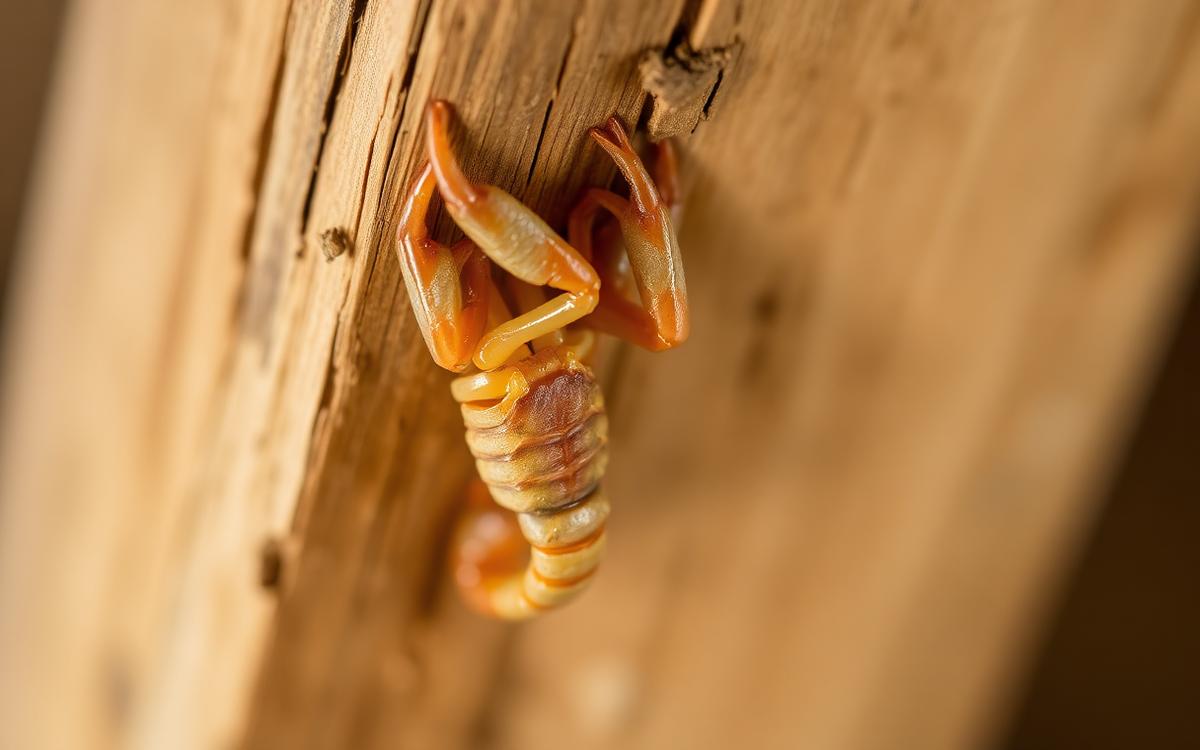
Small, pale, and often hiding in woodpiles or shoes, the Arizona bark scorpion delivers the most dangerous sting of any scorpion native to the United States.
Mahmoud Osama · Updated 5 Sept 2025
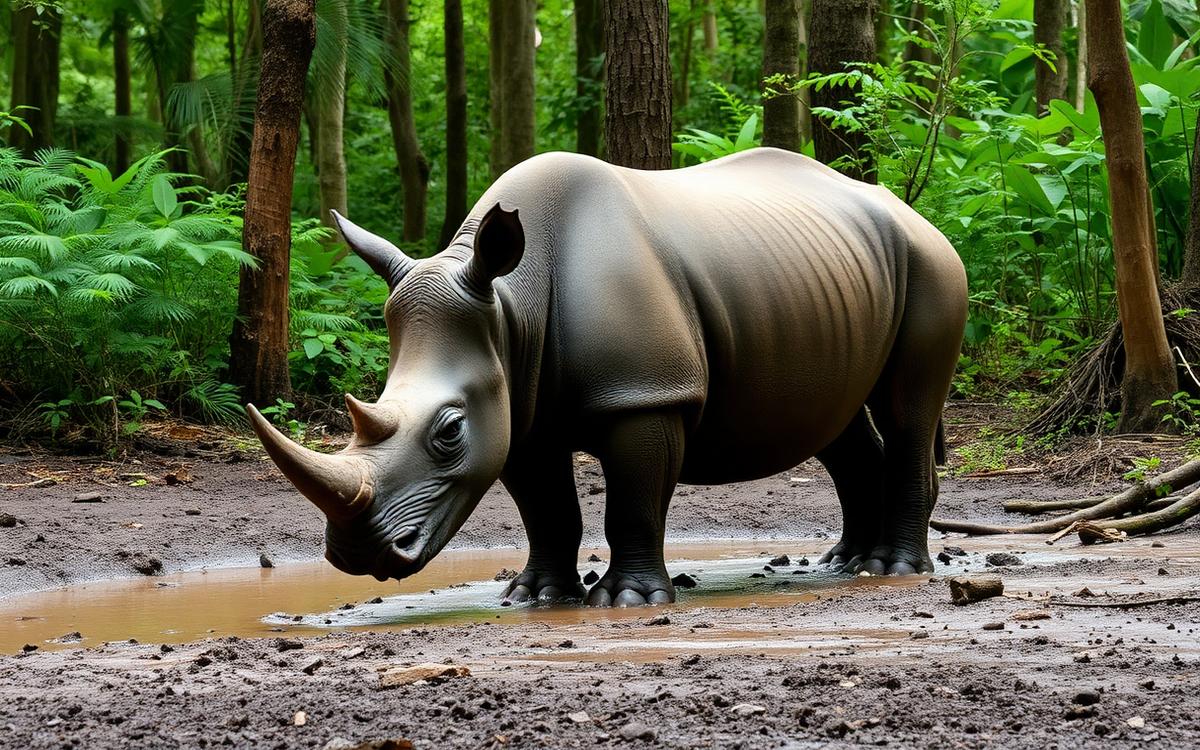
Confined to one national park in Indonesia, the Javan rhino is arguably the rarest large mammal on Earth, with a population that has never topped 100 animals in living memory.
Mahmoud Osama · Updated 5 Sept 2025
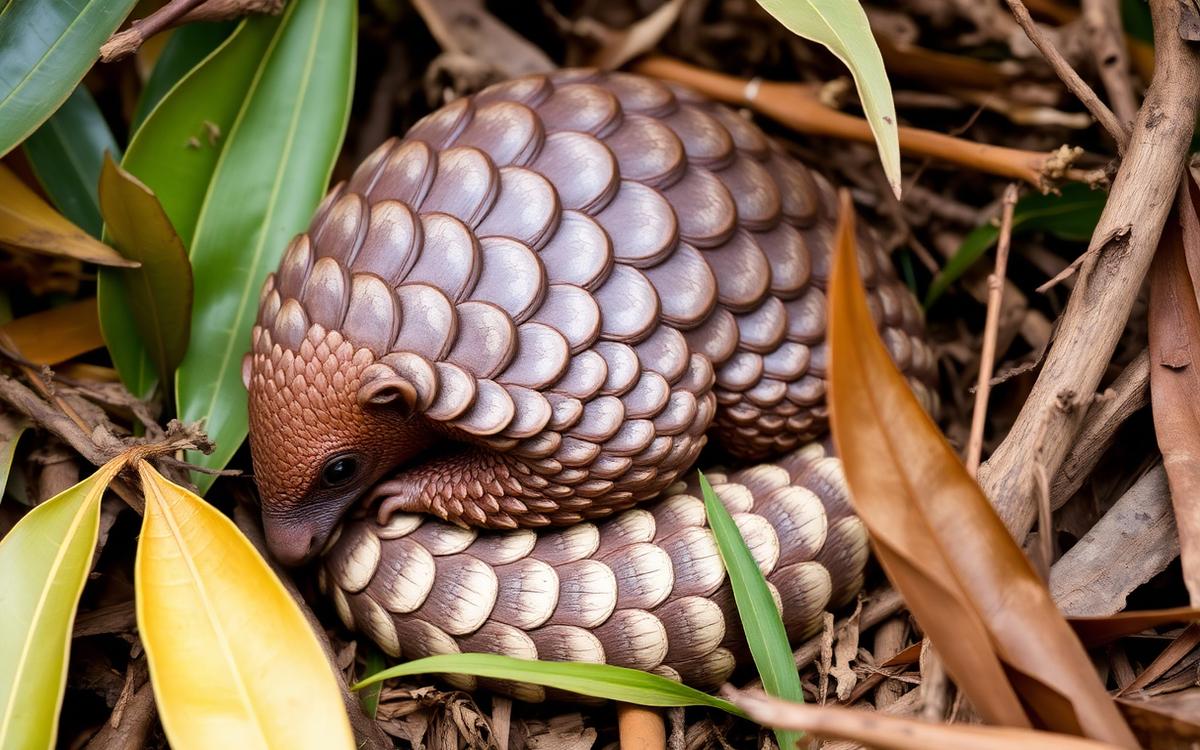
Millions of pangolins have been snatched from forests across Asia and Africa for their scales and meat, pushing all eight species toward extinction.
Mahmoud Osama · Updated 5 Sept 2025

The IUCN Red List is the world's most widely used system for gauging extinction risk. Here is how its categories are defined and applied.
Mahmoud Osama · Updated 5 Sept 2025
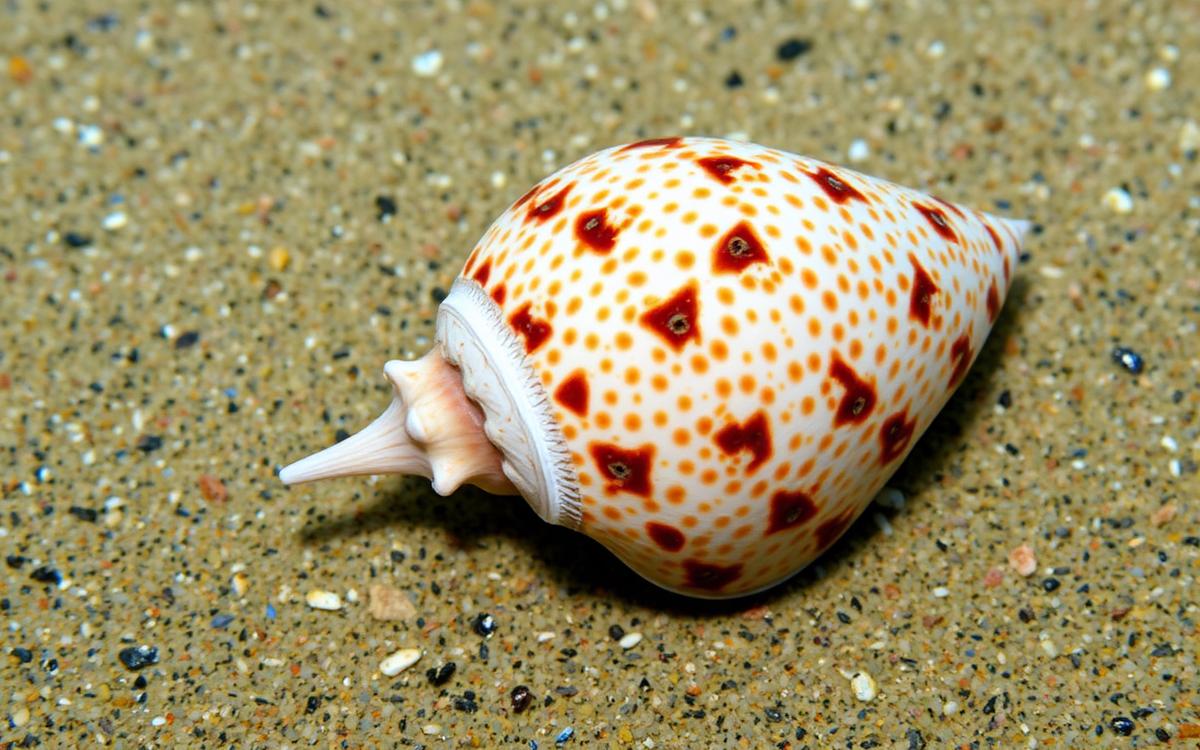
Cone snails deliver one of the most chemically sophisticated venoms in nature, a cocktail of conotoxins so precise it has inspired new painkillers.
Mahmoud Osama · Updated 5 Sept 2025

Pressure immobilisation bandaging can buy critical time after a suspected elapid snakebite by slowing lymphatic spread of venom until emergency care arrives.
Mahmoud Osama · Updated 5 Sept 2025
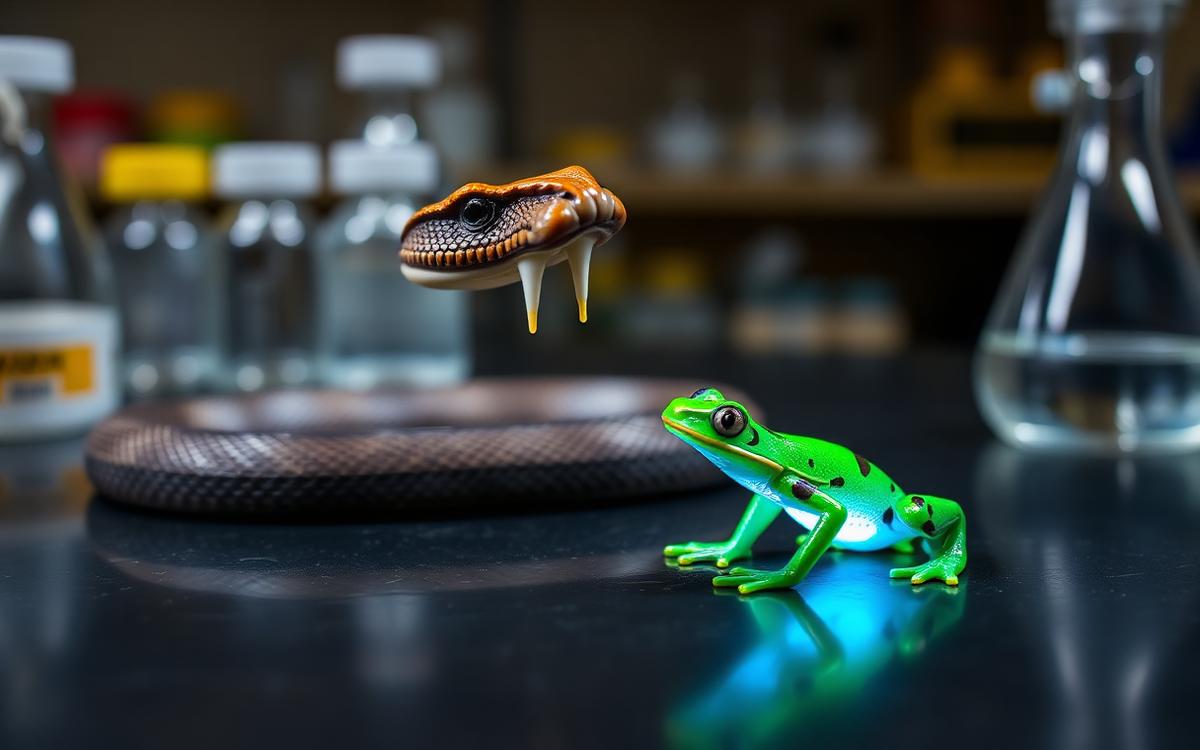
Venom and poison are often used interchangeably, but the distinction comes down to one thing: how the toxin gets into you.
Mahmoud Osama · Updated 5 Sept 2025
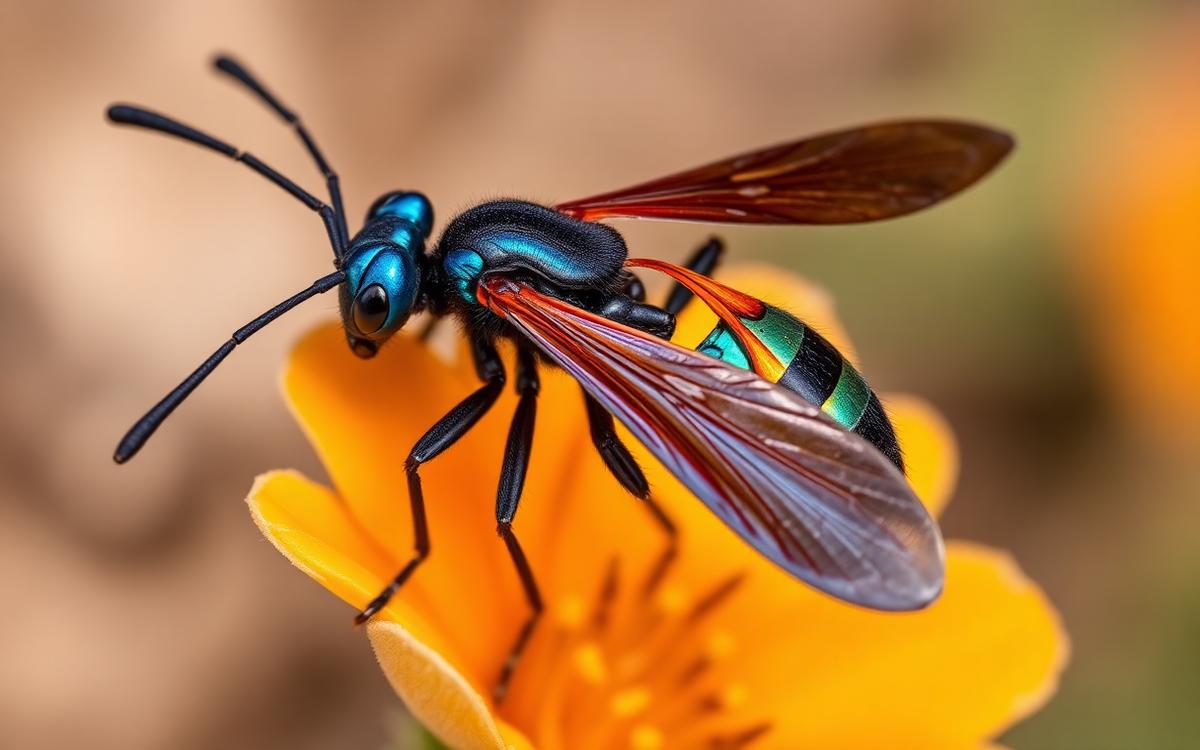
Tarantula hawks deliver one of the most intense stings on Earth, ranked near the top of the Schmidt Sting Pain Index, though the venom itself is rarely dangerous.
Mahmoud Osama · Updated 4 Sept 2025
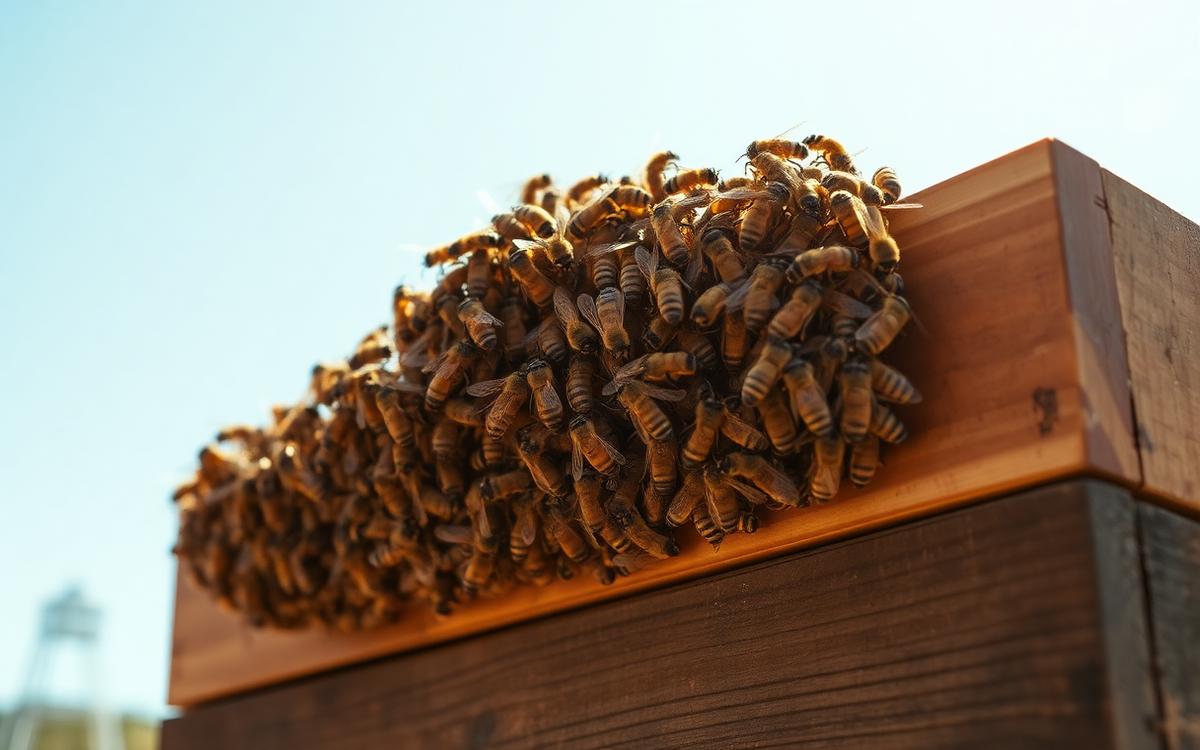
Africanized honey bees are not more venomous than ordinary honey bees, but their aggressive defense behavior makes mass-stinging incidents far more dangerous.
Mahmoud Osama · Updated 4 Sept 2025
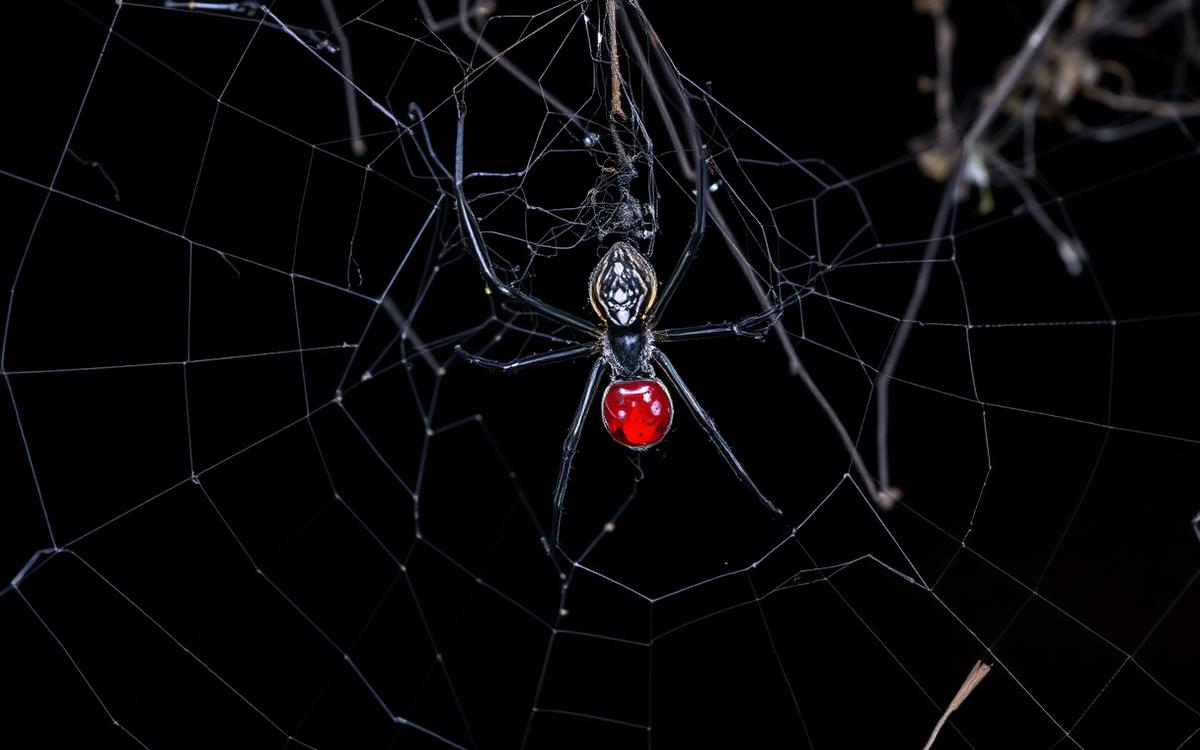
Black widow venom triggers a distinctive syndrome called latrodectism. Here is how to recognize it and what real treatment looks like.
Mahmoud Osama · Updated 4 Sept 2025
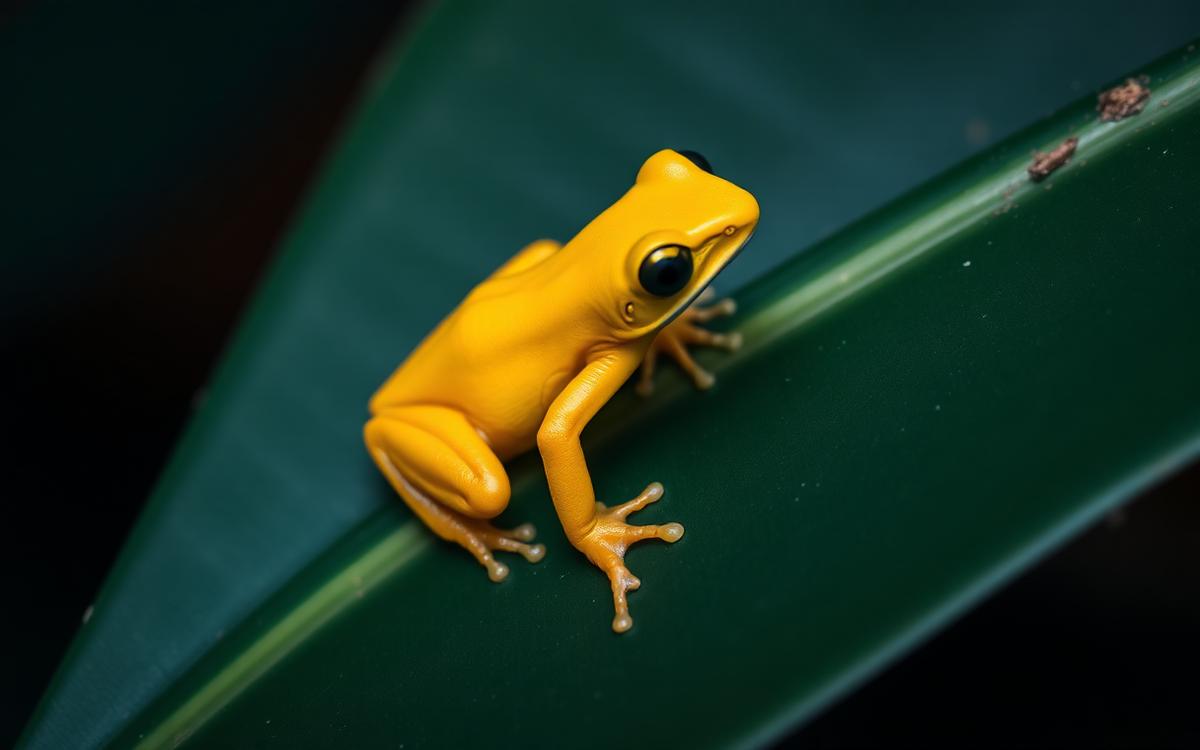
A tiny Colombian rainforest frog carries enough batrachotoxin in its skin to kill several adult humans, yet it makes none of that poison itself.
Mahmoud Osama · Updated 4 Sept 2025