Venomous Insects · Supporting guide
Puss Caterpillar Sting: Why the Cutest Caterpillar Hurts the Most
Southern flannel moth caterpillars, nicknamed puss caterpillars, are covered in soft-looking hair that conceals venomous spines capable of causing severe, radiating pain.
 By Mahmoud OsamaSenior Wildlife Researcher & Editor-in-ChiefPublished 2 October 2025 · Updated 2 October 2025 · 7 min read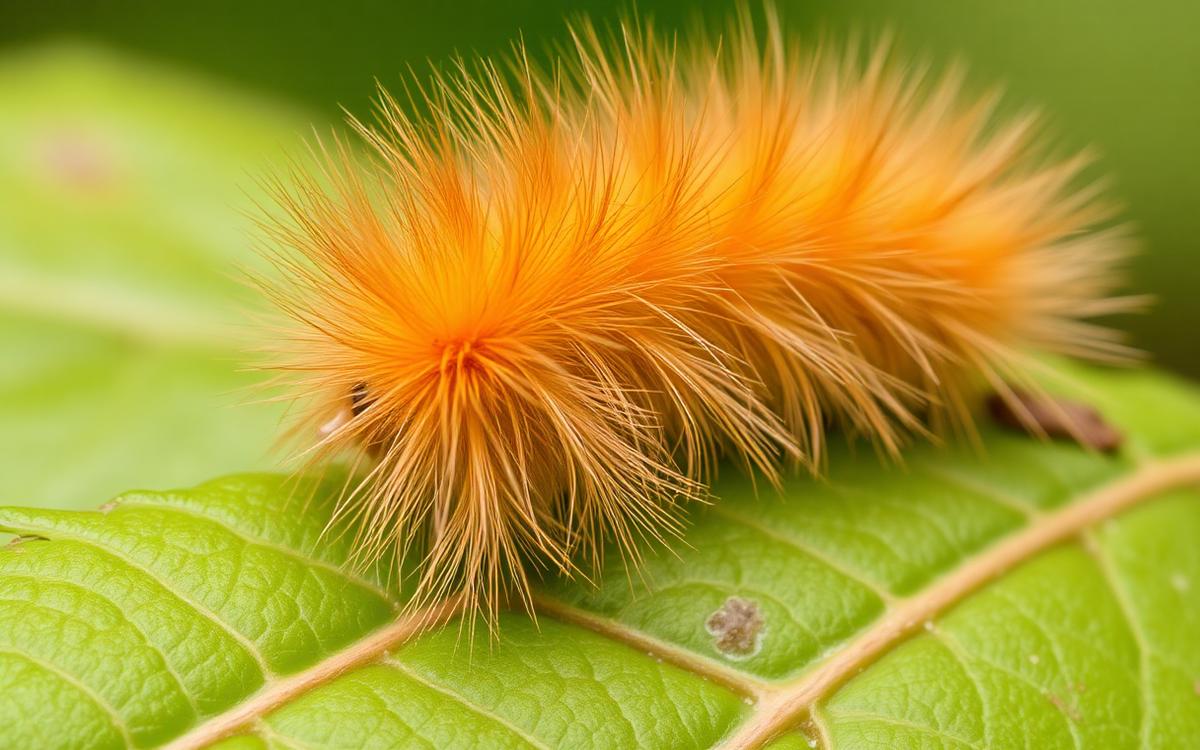
Reviewed against primary toxinology literature and IUCN assessments. This article is educational and is not medical advice — in an emergency contact your local poison centre or emergency services.
The puss caterpillar (Megalopyge opercularis), also called the asp caterpillar, is the larval stage of the southern flannel moth and one of the most venomous caterpillars in North America. It looks disarmingly soft, like a tiny toupee crawling along a branch, which is exactly why so many people pick one up before realizing their mistake.
Hidden beneath the long, silky hairs are rows of hollow spines connected to venom glands. Brushing against the caterpillar breaks these spines against the skin, injecting venom that produces pain often described as far worse than the animal's small size would suggest — sometimes compared to a bone-deep burn or electric shock.
Identifying the Puss Caterpillar
Puss caterpillars are found throughout the southeastern and south-central United States, particularly Texas, Florida, and the Gulf Coast, feeding on oak, elm, and ornamental shrubs. They are roughly 1 inch (2.5 cm) long, covered in dense hair ranging from golden-brown to gray, and taper at one end like a small furry teardrop.
- Soft-looking, thick coat of hair, no visible spines from a distance
- Coloration from tan/gold to dark gray-brown
- Found on oaks, elms, hackberry, and garden shrubs in the southern U.S.
- Most abundant in fall, with a smaller spring generation
How the Sting Works
Venom delivery through broken spines
Beneath the long hairs are shorter, hollow spines attached to venom glands. Contact pressure snaps these spines and drives venom into the skin. The venom contains enzymes and other compounds that trigger an intense local inflammatory response, and the reaction is often disproportionate to the visible contact area.
What a Sting Feels Like
- Immediate, intense burning or throbbing pain at the contact site
- Pain that radiates outward along lymphatic channels, sometimes up an entire limb
- A grid-like pattern of red welts matching where spines contacted skin
- Swelling, nausea, headache, and in some cases abdominal pain or difficulty breathing in severe reactions
Symptoms typically peak within the first hour and gradually ease over 12 to 24 hours, though residual tenderness can last several days.
First Aid and When to Seek Care
Remove any embedded spine fragments with adhesive tape applied and peeled off the skin, then wash the area with soap and water. Ice packs and oral analgesics (such as acetaminophen or ibuprofen) help with pain, and some clinicians recommend a paste of baking soda for local irritation.
Editor's note: Seek emergency care if there is difficulty breathing, chest tightness, widespread hives, or symptoms in a young child, as these suggest a broader systemic reaction.
Preventing Encounters
Teach children never to touch fuzzy caterpillars, inspect outdoor play equipment and low branches in endemic regions during peak fall season, and use gloves when doing yard work on host trees and shrubs.
Key takeaways
- The puss caterpillar is the larval form of the southern flannel moth and one of the most venomous caterpillars in the U.S.
- Its soft-looking hair conceals hollow venomous spines that break off on contact.
- Stings cause pain disproportionate to the contact area, sometimes radiating along an entire limb.
- Tape-stripping the skin removes embedded spines before washing and icing the area.
- Severe systemic symptoms (breathing trouble, widespread hives) require emergency evaluation.
Frequently asked questions
Is a puss caterpillar sting dangerous?+
Most stings, while extremely painful, resolve without lasting harm. Severe systemic reactions are uncommon but possible, especially in children, and warrant medical attention.
How do you treat a puss caterpillar sting at home?+
Remove spines with sticky tape, wash with soap and water, apply ice, and take an over-the-counter pain reliever. A baking soda paste may ease irritation.
Where are puss caterpillars found?+
They are most common in the southeastern and south-central United States, especially Texas and Florida, on oaks, elms, and ornamental shrubs.
Why does the sting hurt so much for such a small animal?+
The venom triggers an intense local inflammatory and nerve response, and pain can radiate along lymphatic pathways well beyond the contact site.
Can you get stung without touching the caterpillar directly?+
Direct contact with the spines is required, but shed hairs can occasionally cause irritation if handled, so avoid touching cast skins or debris beneath infested trees.