The Vaquita: Anatomy of the World's Most Urgent Extinction
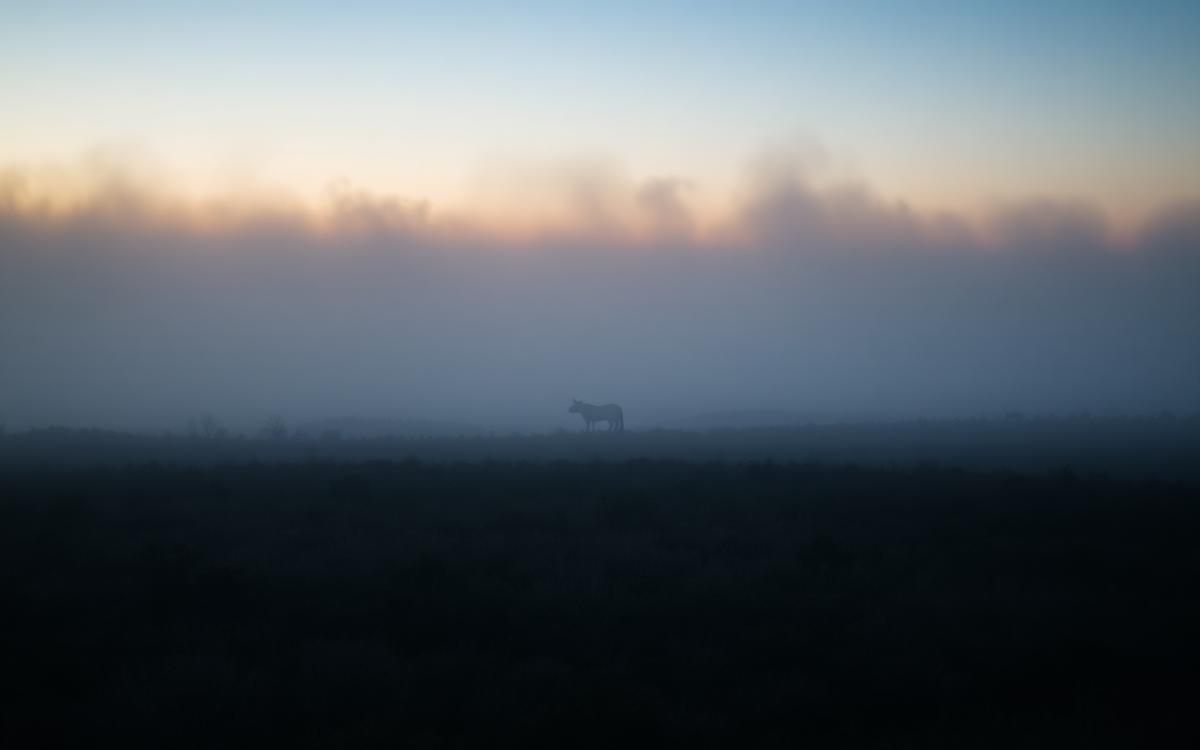
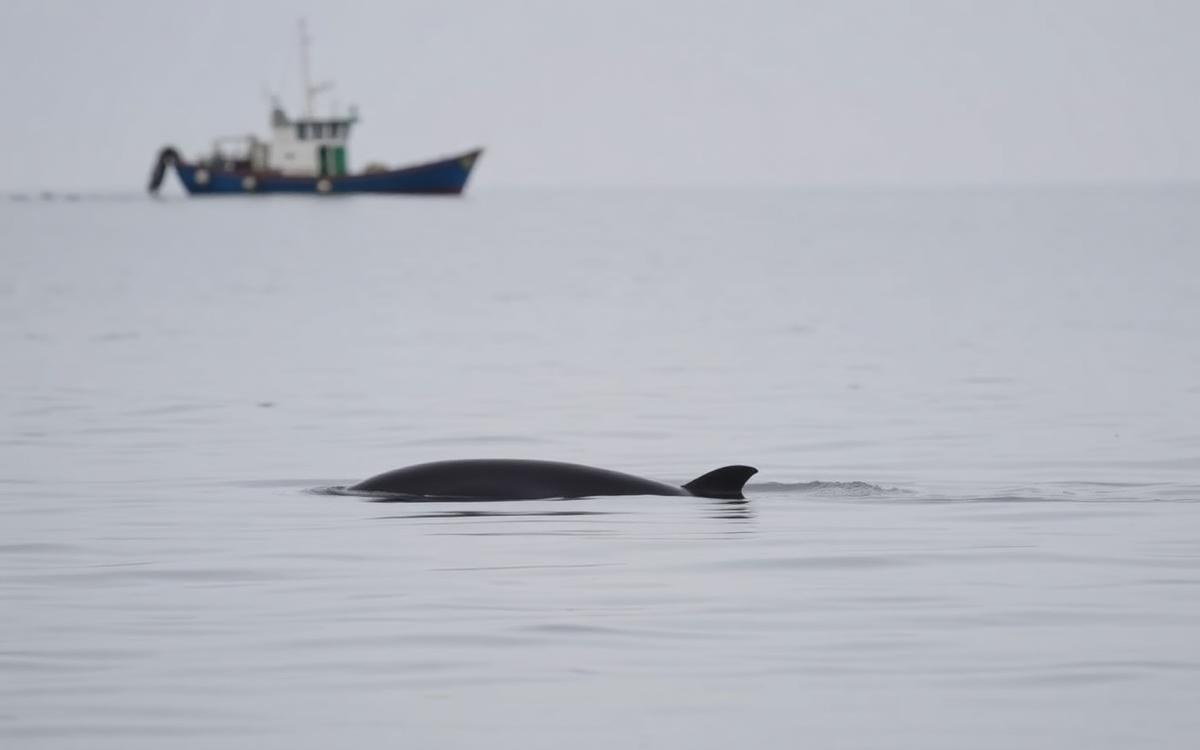
Fewer than a dozen vaquitas are thought to remain. The cause is not mysterious — it is one fishing method in one small bay.

Mahmoud Osama · Updated 30 Jul 2026
Critically endangered mammals, birds, amphibians and invertebrates. Population estimates, IUCN status, the specific pressures driving decline and the conservation programmes that work.
23 published

Fewer than a dozen vaquitas are thought to remain. The cause is not mysterious — it is one fishing method in one small bay.
Mahmoud Osama · Updated 30 Jul 2026
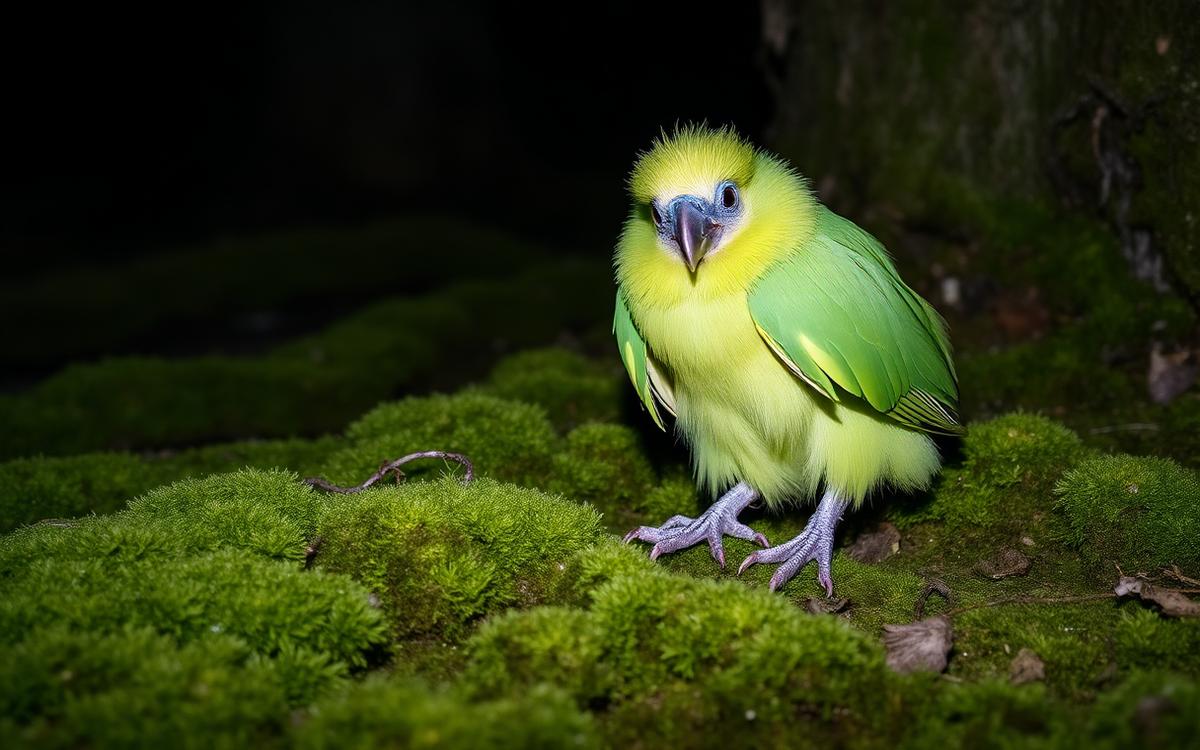
Rarity is a measurement, not a mood. Understanding how those numbers are produced changes how you read every extinction headline.
Mahmoud Osama · Updated 8 Aug 2026

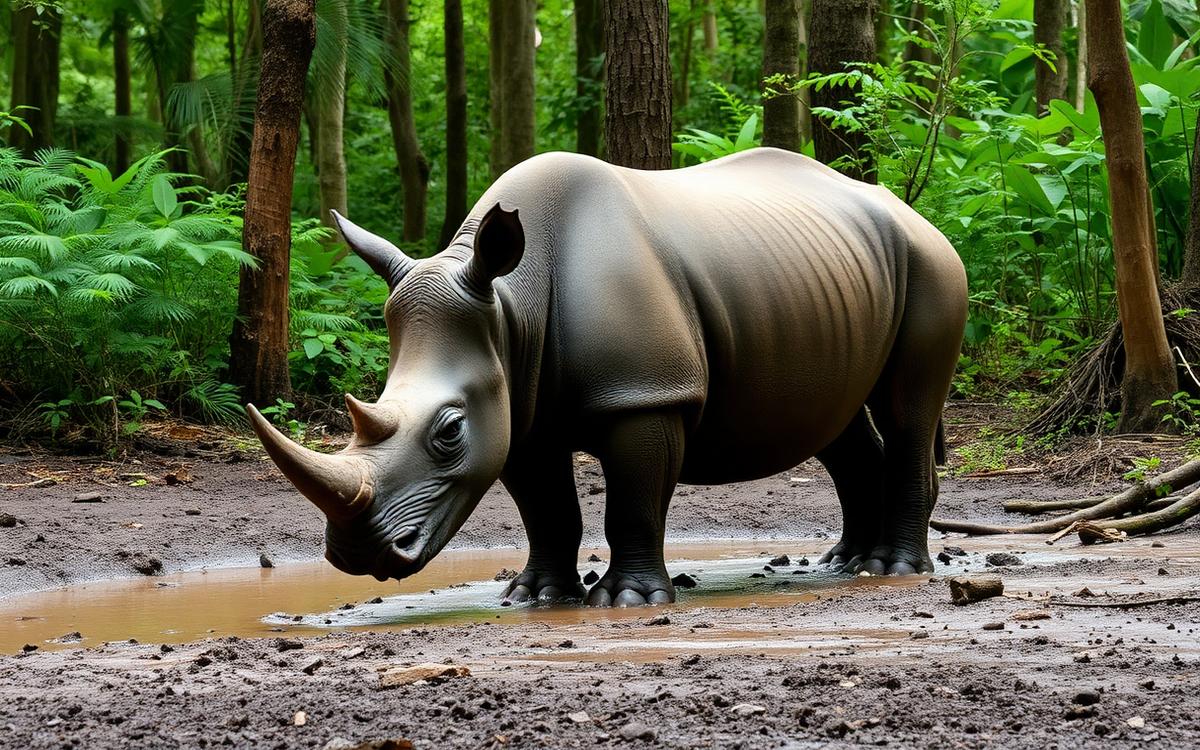
Confined to one national park in Indonesia, the Javan rhino is arguably the rarest large mammal on Earth, with a population that has never topped 100 animals in living memory.
Mahmoud Osama · Updated 5 Sept 2025

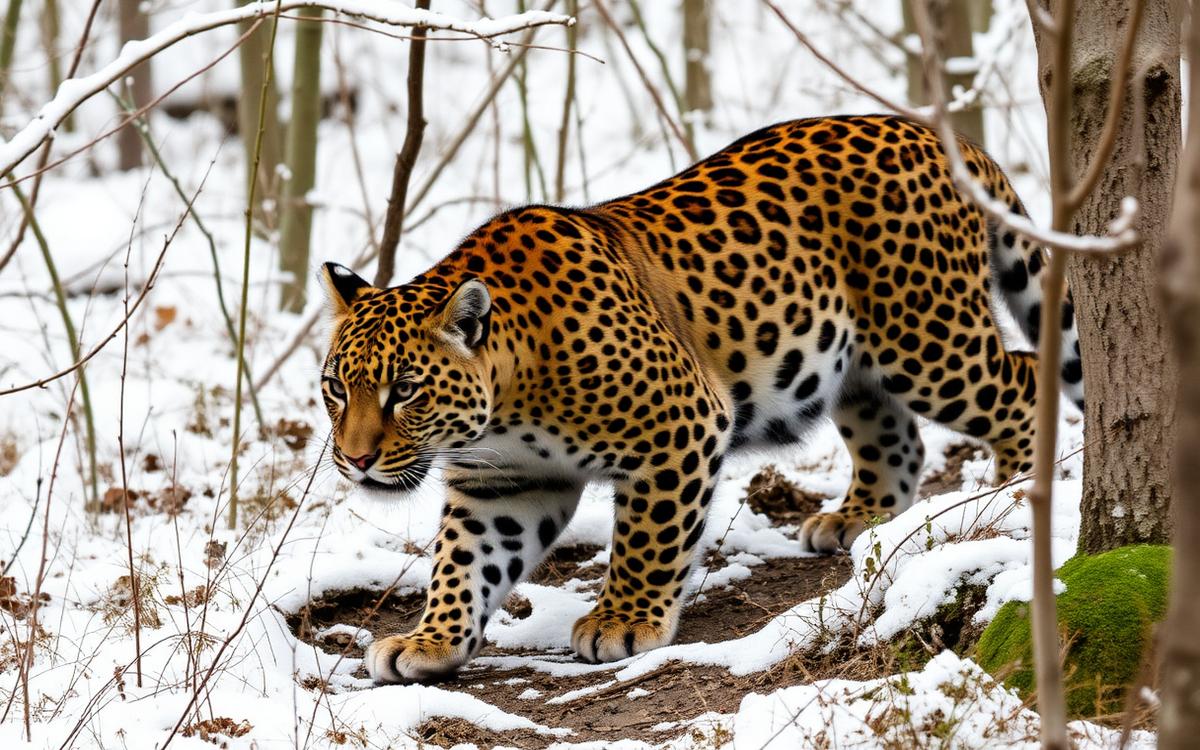
Adapted to snow and cold forests unlike any other leopard subspecies, the Amur leopard has climbed back from fewer than 30 wild cats to roughly 100–130 today.
Mahmoud Osama · Updated 20 Sept 2025

Discovered by science only in 1992, the saola may be one of the rarest large mammals on the planet, with no confirmed sighting since a 2013 camera trap image.
Mahmoud Osama · Updated 3 Oct 2025

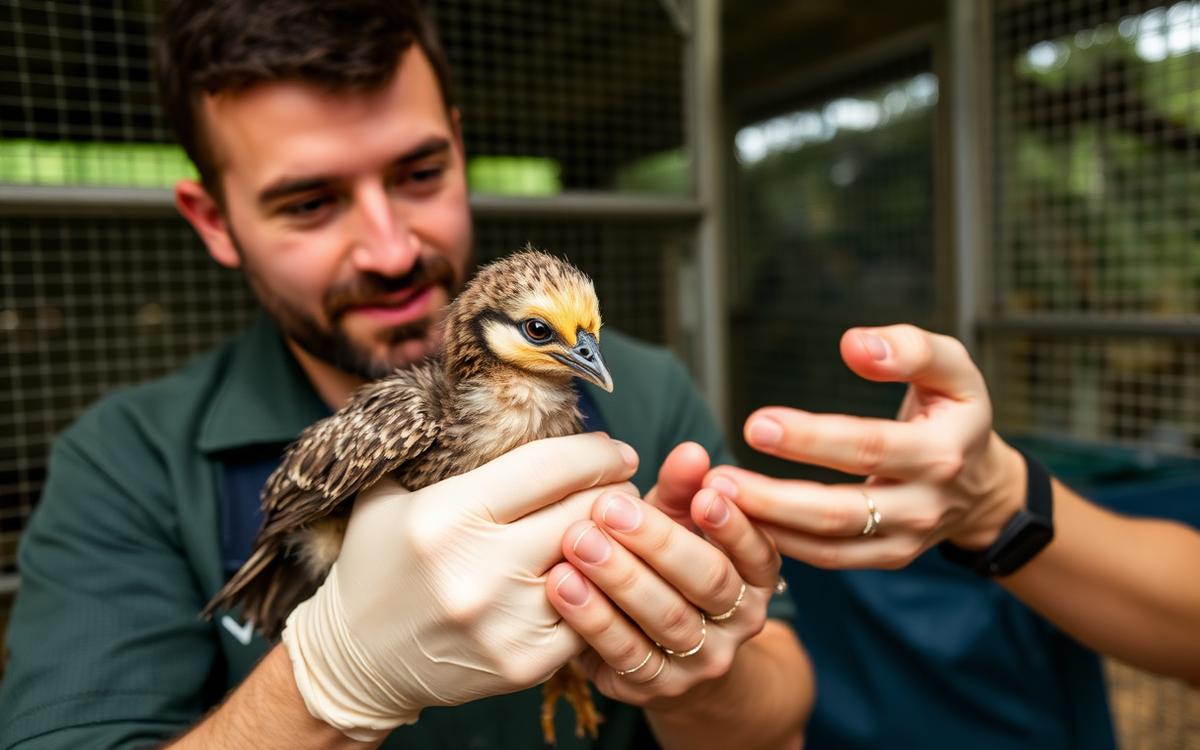
The world's heaviest parrot, flightless and nocturnal, the kakapo dropped to just over 50 birds before an intensive, individually managed recovery program brought numbers past 250.
Mahmoud Osama · Updated 18 Oct 2025

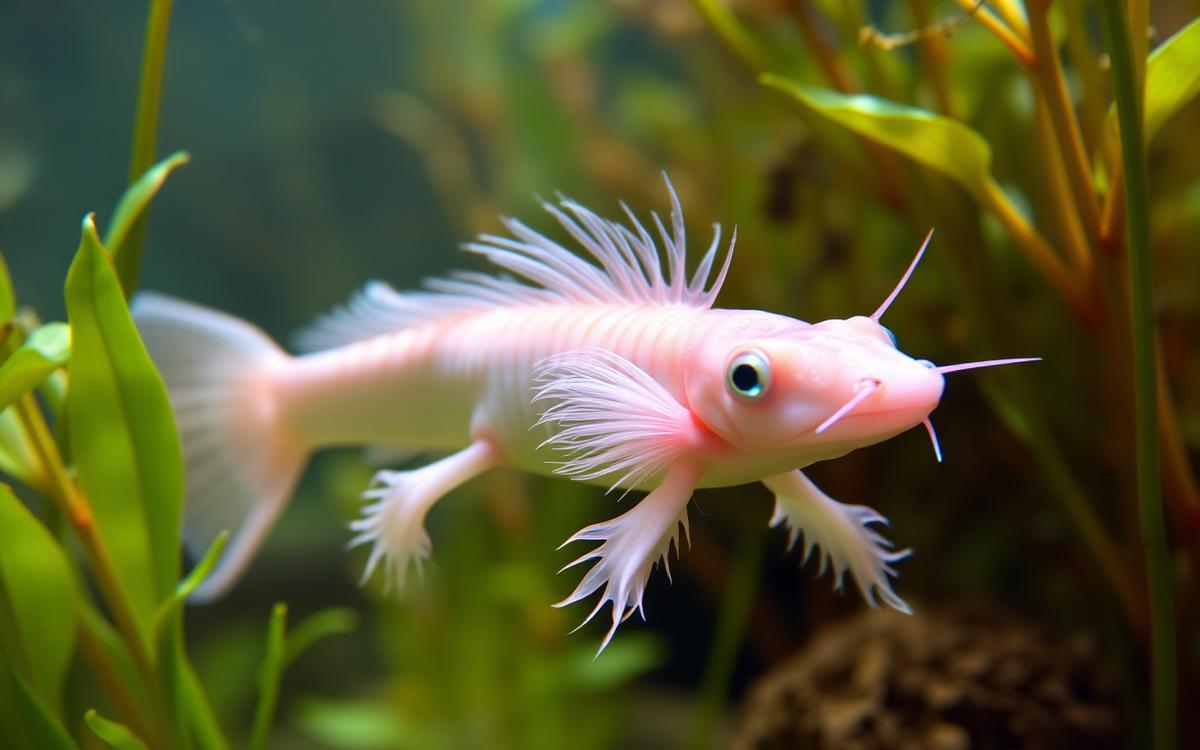
Millions of axolotls exist in aquariums and laboratories worldwide, yet the wild population, confined to a shrinking canal system in Mexico City, may now number only in the hundreds.
Mahmoud Osama · Updated 2 Nov 2025

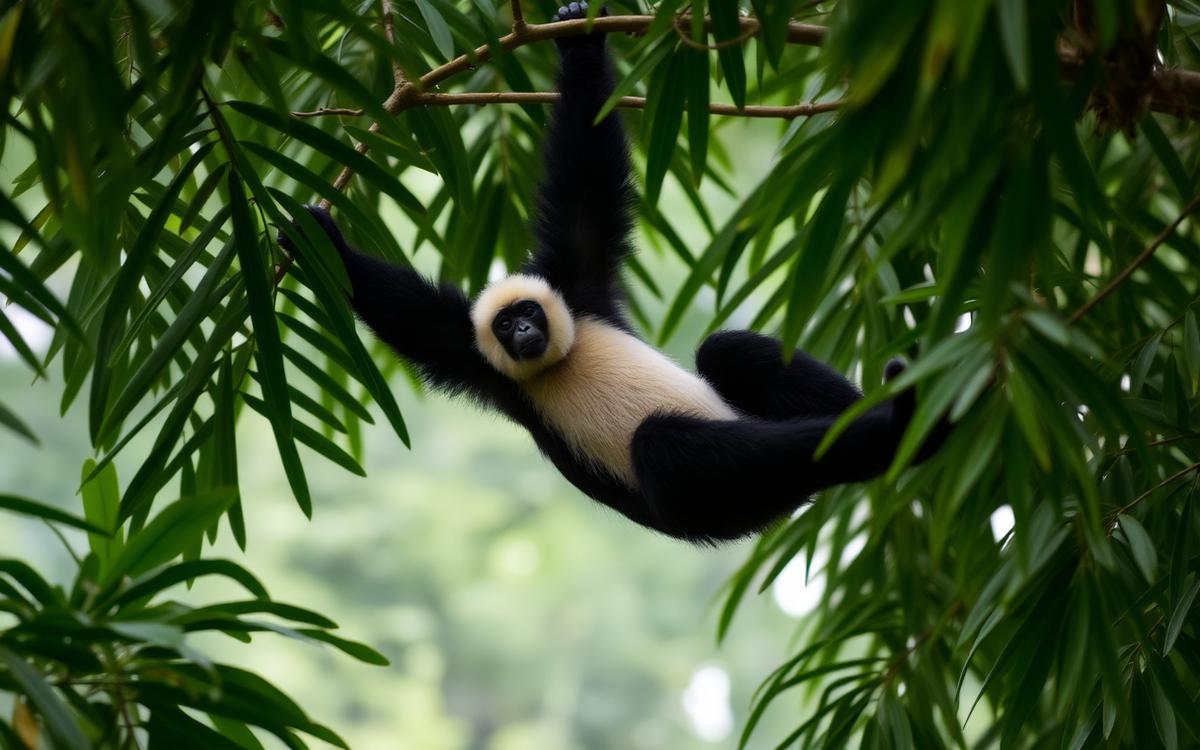
Confined to a single forest reserve on Hainan Island, China, the Hainan gibbon has recovered from as few as nine individuals to roughly 35–40, still the lowest count of any primate species.
Mahmoud Osama · Updated 20 Nov 2025

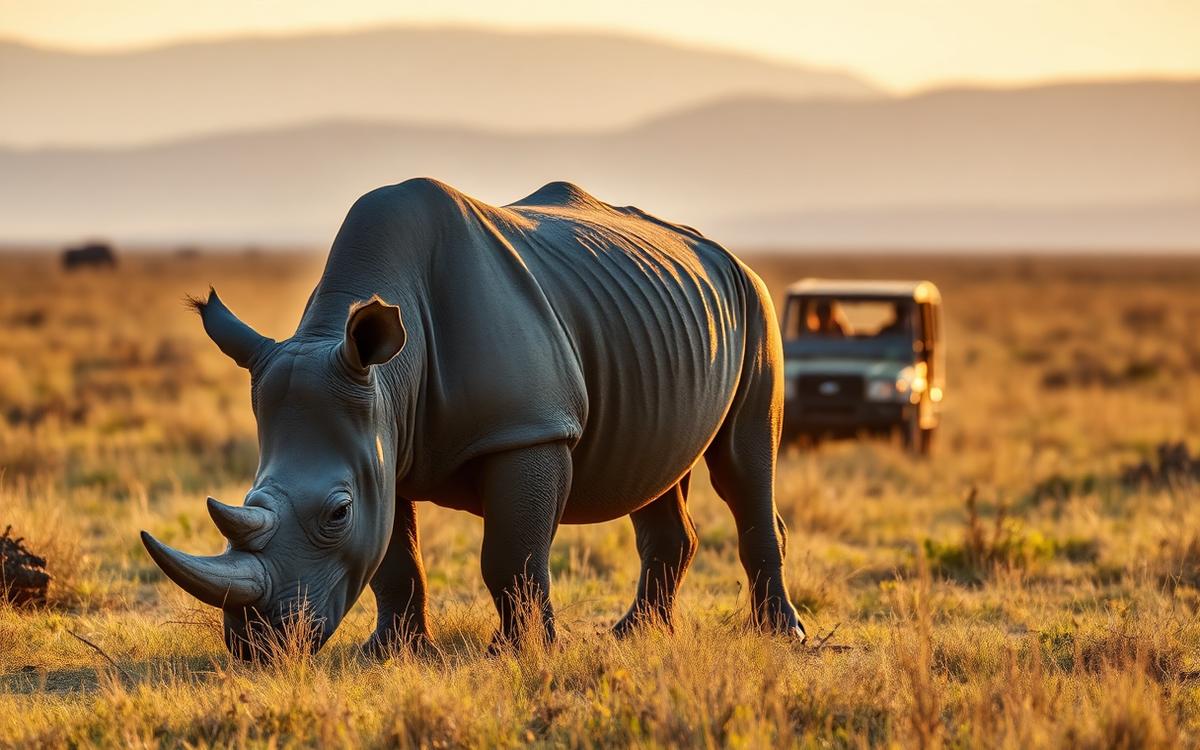
With no living males left, the northern white rhino subspecies now depends entirely on advanced reproductive science, stored genetic material, and a southern white rhino surrogate program.
Mahmoud Osama · Updated 10 Dec 2025

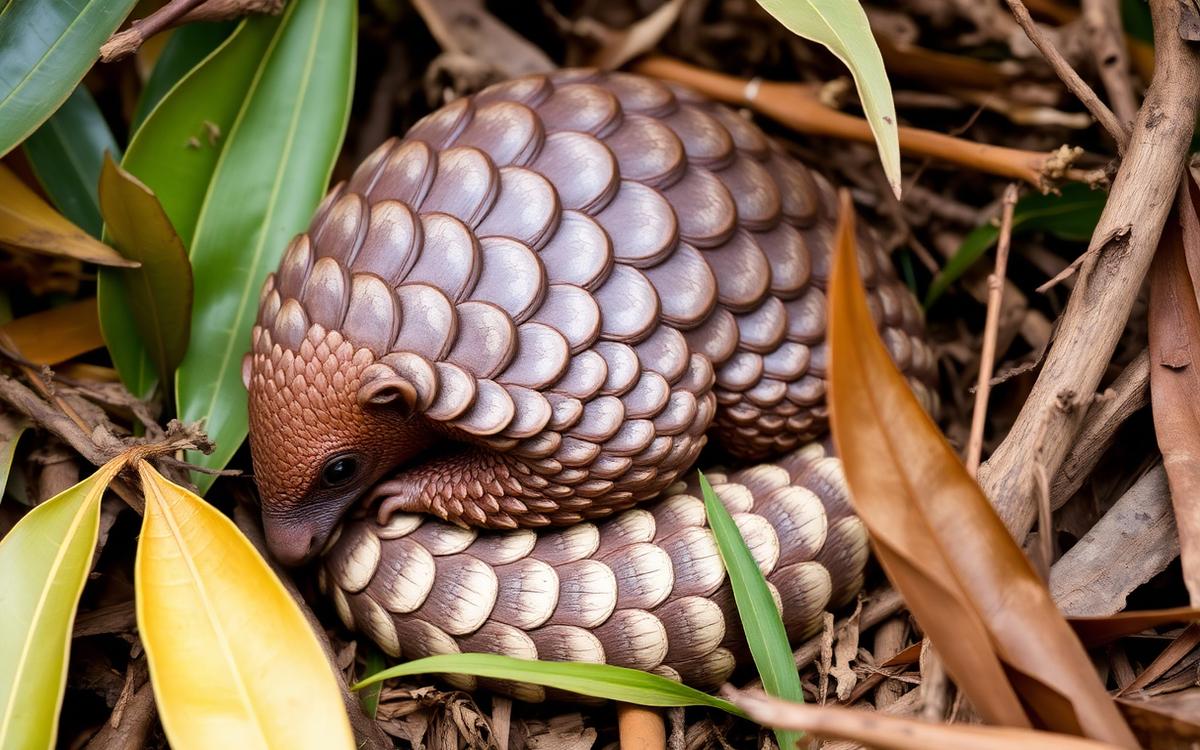
Millions of pangolins have been snatched from forests across Asia and Africa for their scales and meat, pushing all eight species toward extinction.
Mahmoud Osama · Updated 5 Sept 2025

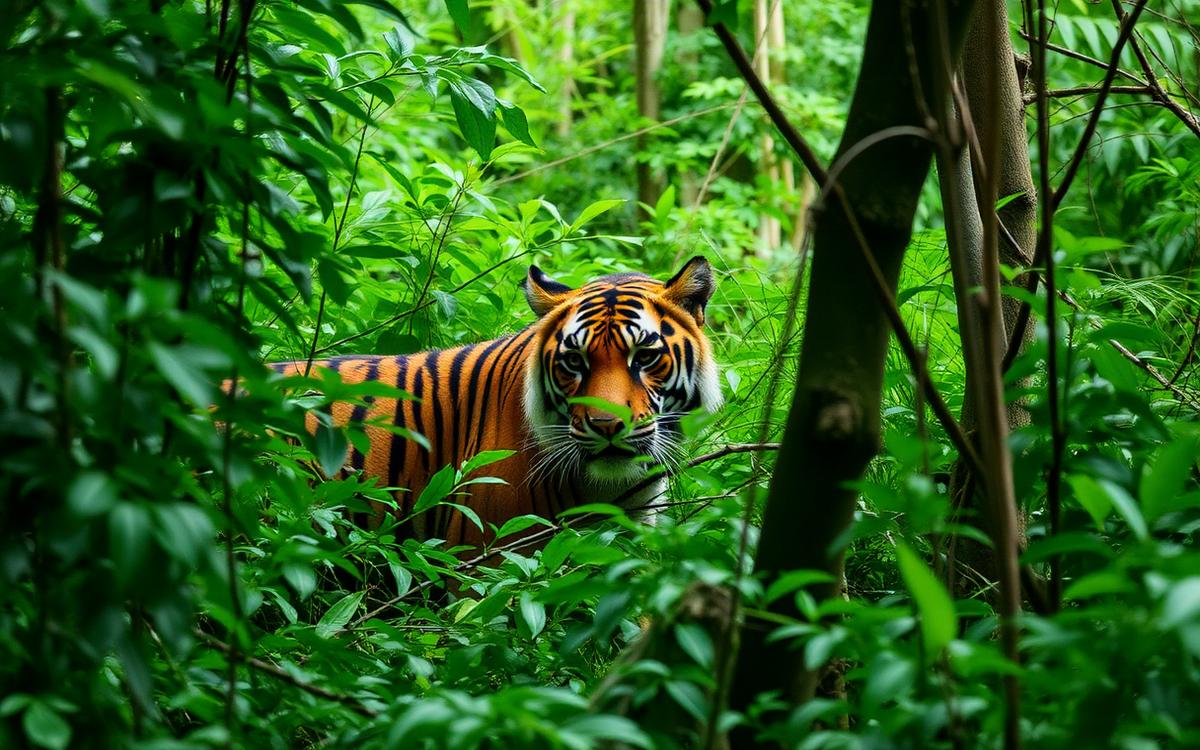
Fewer than 400 Sumatran tigers remain in the wild, isolated in shrinking forest fragments and threatened by poaching and palm oil expansion.
Mahmoud Osama · Updated 20 Sept 2025

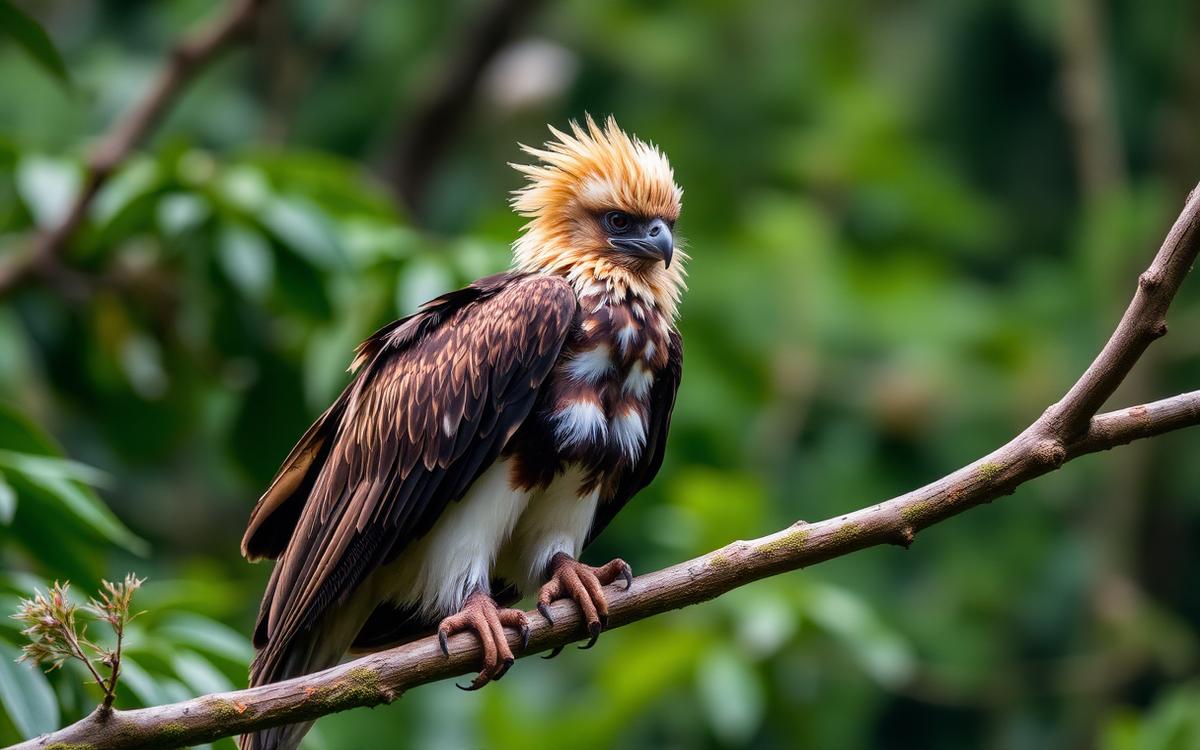
With fewer than 800 individuals left, the Philippine eagle depends on vanishing old-growth forest that is disappearing faster than it can be protected.
Mahmoud Osama · Updated 3 Oct 2025

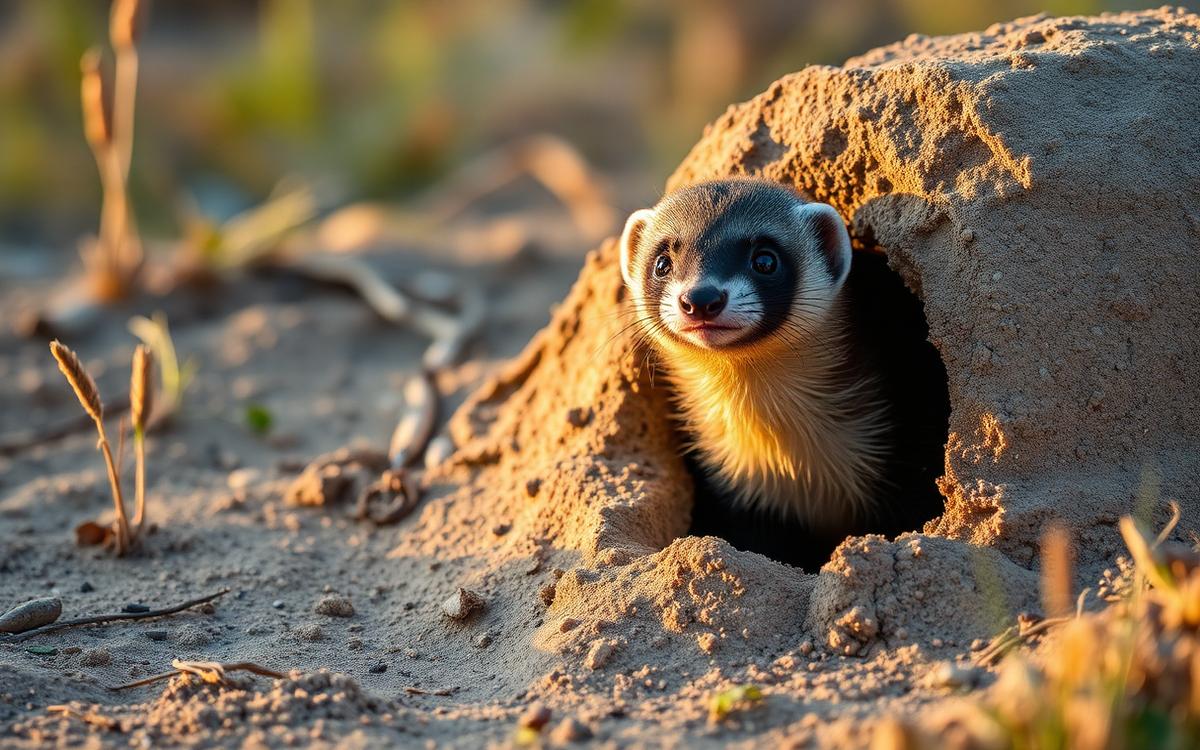
Declared extinct twice before a small wild population was found in 1981, the black-footed ferret survives today only through an intensive captive breeding program.
Mahmoud Osama · Updated 18 Oct 2025

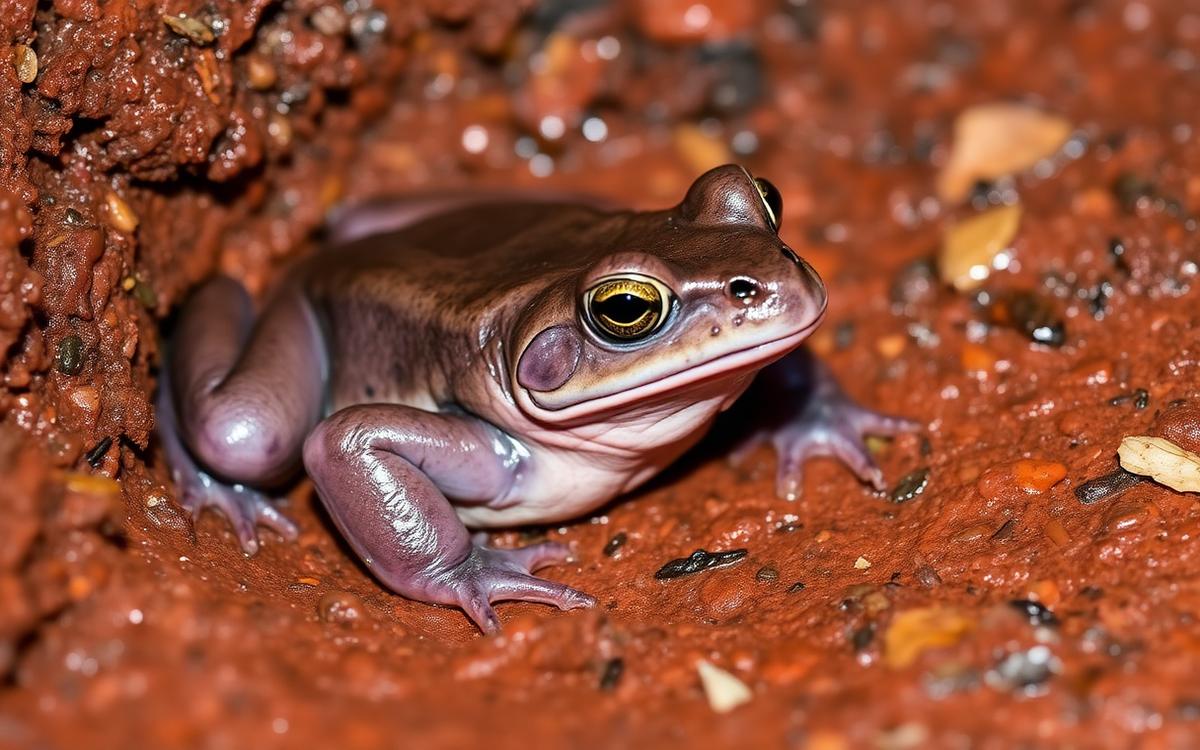
Discovered by science only in 2003, the purple frog is a burrowing amphibian whose lineage diverged from all other frogs around 100 million years ago.
Mahmoud Osama · Updated 2 Nov 2025

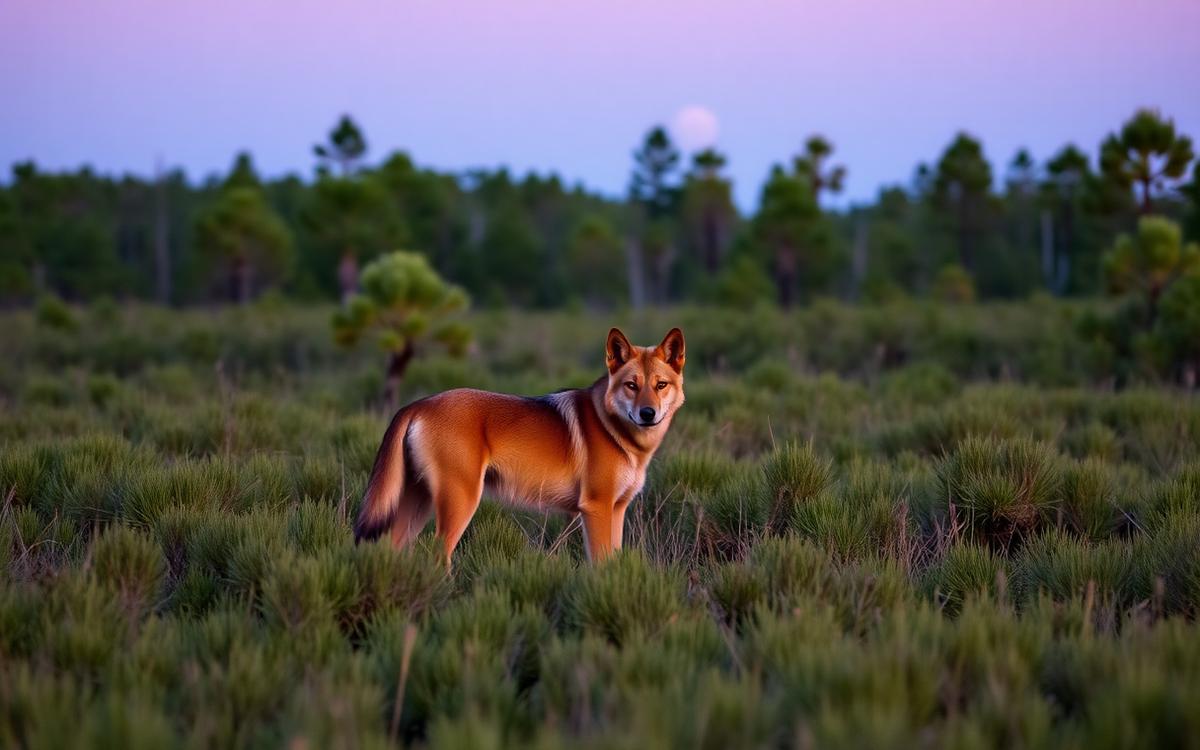
Once declared extinct in the wild, the red wolf survives today through a fragile captive breeding and reintroduction program centered in North Carolina.
Mahmoud Osama · Updated 20 Nov 2025

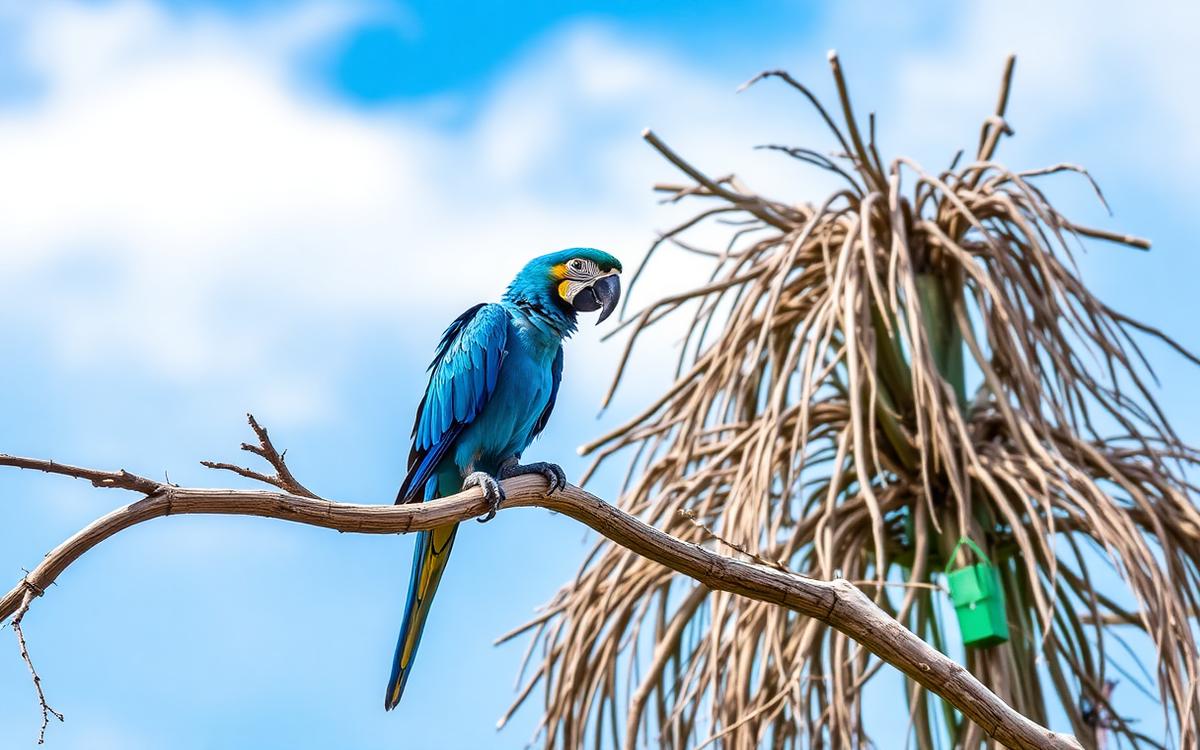
Made famous by the animated film 'Rio,' the Spix's macaw vanished from the wild entirely before a captive breeding program began returning it to Brazil's forests.
Mahmoud Osama · Updated 8 Dec 2025

The IUCN Red List is the world's most widely used system for gauging extinction risk. Here is how its categories are defined and applied.
Mahmoud Osama · Updated 5 Sept 2025

Captive breeding is a last resort, but a handful of programmes have turned a handful of survivors into stable wild populations.
Mahmoud Osama · Updated 25 Sept 2025

Every so often, a species written off as extinct turns up alive. These rediscoveries carry lessons about survey gaps and hidden refuges.
Mahmoud Osama · Updated 15 Oct 2025

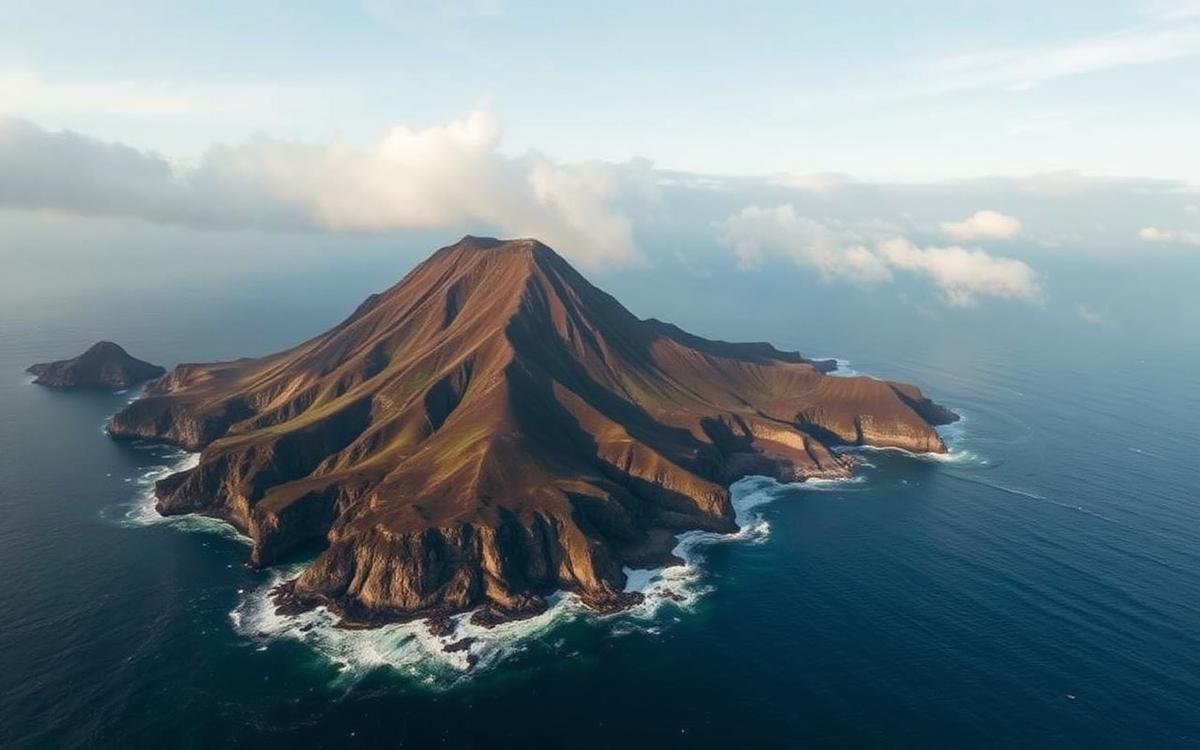
Islands host a small fraction of the world's land area but an outsized share of its extinctions. The reasons are rooted in evolution itself.
Mahmoud Osama · Updated 5 Nov 2025

Rewilding takes a different approach than traditional conservation: restore natural processes and let ecosystems rebuild themselves.
Mahmoud Osama · Updated 1 Dec 2025

From ivory to pangolin scales, the illegal wildlife trade is one of the largest illicit markets on Earth, and one of the hardest to stop.
Mahmoud Osama · Updated 20 Dec 2025

Headlines promise mammoths and dodos are coming back. The real science is more limited, and more useful, than the hype suggests.
Mahmoud Osama · Updated 20 Jan 2026
Related
Stings, venom chemistry and the insects that deliver them.
Arachnid venom, medical significance and identification.
Snakes, lizards and toxic amphibians.
Ocean animals with the most potent venoms on Earth.
Evidence-based responses to bites, stings and encounters.
Free VPN services tested for speed, limits and privacy.
Streaming-capable VPNs and how to fix proxy errors.
Mobile VPN setup, speed and battery guidance.
Free mobile VPN apps, tested and vetted.
Desktop VPNs for Windows, macOS and Linux.