Rare & Endangered Animals · Supporting guide
Saola: The 'Asian Unicorn' That May Already Be Nearly Gone
Discovered by science only in 1992, the saola may be one of the rarest large mammals on the planet, with no confirmed sighting since a 2013 camera trap image.
 By Mahmoud OsamaSenior Wildlife Researcher & Editor-in-ChiefPublished 3 October 2025 · Updated 3 October 2025 · 7 min read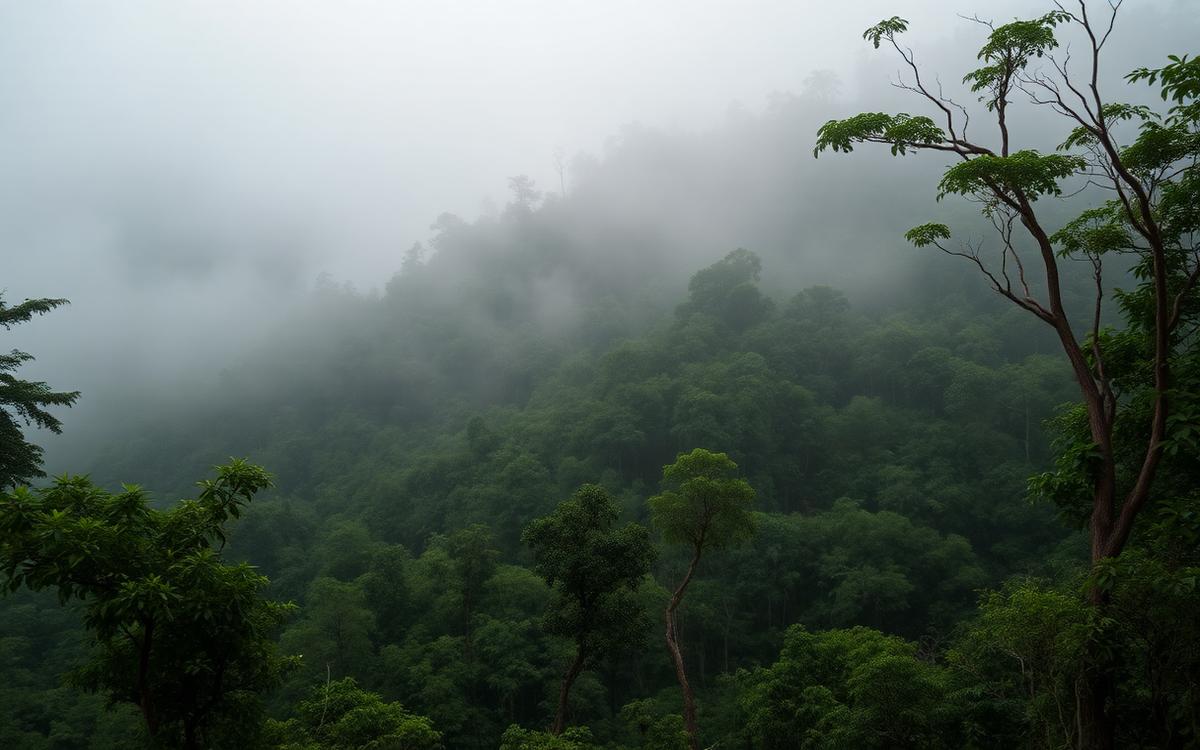
Reviewed against primary toxinology literature and IUCN assessments. This article is educational and is not medical advice — in an emergency contact your local poison centre or emergency services.
The saola (Pseudoryx nghetinhensis) is a forest-dwelling bovid discovered by scientists only in 1992 in Vietnam's Vu Quang Nature Reserve, the first large mammal new to science in over 50 years at the time. With long, straight horns and distinctive white facial markings, it earned the nickname 'Asian unicorn,' a fitting label given how rarely it has ever been observed. No saola has ever survived long in captivity, and no population estimate has ever been reliably established.
What is known is troubling: no confirmed camera-trap image or physical evidence of a living saola has been recorded since 2013, and some experts consider it plausible that fewer than 100, possibly only a few dozen, individuals remain scattered through the remote, mountainous Annamite Range forests along the Vietnam-Laos border. Because the species is so elusive, conservationists cannot rule out that it persists in low numbers, but they also cannot confirm it does.
A Recent Scientific Discovery
The saola was identified from skulls and horns found in villagers' homes near Vu Quang before a living animal was ever documented by scientists. Its combination of goat-like and antelope-like features led researchers to place it in its own genus, Pseudoryx, within the bovid family.
Almost never seen alive
Only a handful of saola have ever been briefly held by local communities or researchers, and none has survived captivity for more than a few months. This makes captive breeding, a standard tool for many critically endangered species, essentially unavailable for the saola.
Population Uncertainty
- Discovered by science in 1992 in Vietnam's Vu Quang Nature Reserve
- No confirmed camera-trap or physical evidence since 2013
- Estimates, where offered at all, range from a few dozen to under 100 individuals
- Range restricted to remote, forested areas of the Annamite mountains, Vietnam and Laos
- No living saola currently held in captivity anywhere
This extreme data scarcity is itself part of the story: the saola may be functionally one of the hardest large mammals on Earth to study, and conservation groups such as the Saola Working Group under the IUCN Species Survival Commission continue targeted camera-trap searches specifically to determine whether the species still survives.
Threats
The primary threat to the saola is not habitat loss directly but indiscriminate wire snaring set by hunters targeting other species such as wild pigs and deer for the commercial wildlife trade. Saola are frequently caught as bycatch in these snare lines across the Annamites.
Editor's note: Conservationists estimate that snaring has removed vast numbers of animals from Annamite forests over recent decades, a pressure believed to be the leading cause of the saola's apparent decline.
Conservation Response
Snare removal patrols, community outreach, and forest ranger deployment in Vietnam and Laos aim to reduce bycatch mortality. The Saola Working Group coordinates cross-border survey efforts and has explored an emergency captive-breeding sanctuary concept should any individuals be located, though this remains largely theoretical without confirmed animals to work with.
Key takeaways
- The saola was discovered by science only in 1992, making it one of the newest large mammal discoveries in decades.
- No confirmed sighting or camera-trap image has been recorded since 2013.
- Population estimates, where they exist, suggest possibly fewer than 100 individuals, if any survive.
- Wire snares set for other wildlife are the leading suspected threat to the species.
- No saola currently exists in captivity anywhere in the world.
Frequently asked questions
Is the saola extinct?+
It is not officially declared extinct, but no confirmed evidence of a living saola has surfaced since 2013, leaving its survival genuinely uncertain.
Why is the saola called the Asian unicorn?+
The nickname reflects both its rarity and its long, straight, parallel horns, along with how seldom it has ever been seen by people.
What is the biggest threat to the saola?+
Wire snares set indiscriminately by hunters targeting other forest animals are considered the leading cause of saola decline, since the species is often caught as unintended bycatch.
Can saola survive in captivity?+
No saola has survived captivity for more than a few months historically, making captive breeding essentially unavailable as a conservation tool for this species.