Rare & Endangered Animals · Cornerstone guide
The Rarest Animals on Earth: How Rarity Is Measured and What It Means
Rarity is a measurement, not a mood. Understanding how those numbers are produced changes how you read every extinction headline.
 By Mahmoud OsamaSenior Wildlife Researcher & Editor-in-ChiefPublished 22 January 2026 · Updated 8 August 2026 · 12 min read
Reviewed against primary toxinology literature and IUCN assessments. This article is educational and is not medical advice — in an emergency contact your local poison centre or emergency services.
Lists of the world's rarest animals circulate constantly, and most of them copy each other's numbers without noting the year, the method or the uncertainty. That matters: a population estimate of fifty animals derived from camera traps in one valley means something very different from fifty confirmed individuals in a studbook.
This guide explains how rarity is actually quantified, what each IUCN category means in practice, and which groups of species currently sit at the extreme end.
How population estimates are produced
There is rarely a headcount. Researchers infer population size from sampling, and each method carries its own error structure.
- Mark-recapture: individuals are marked and the proportion re-encountered gives a population estimate. Strong for accessible, catchable species.
- Camera trapping with individual recognition: works for patterned animals such as tigers and leopards.
- Acoustic monitoring: counts calls or clicks and models density, used heavily for cetaceans and bats.
- Environmental DNA: detects genetic material in water or soil, excellent for presence-absence and poor for abundance.
- Direct counts: only feasible for the very rarest species, where every individual is known — which is itself a diagnostic of critical status.
Editor's note: When a source gives a rare-species population as a precise single number with no range and no date, treat it as a copy rather than a measurement.
What the IUCN categories actually mean
The Red List categories are defined by quantitative criteria covering population size, rate of decline, range extent and fragmentation — not by expert impression.
- Least Concern: assessed and not currently at elevated risk.
- Near Threatened: close to qualifying for a threatened category.
- Vulnerable: high risk of extinction in the wild.
- Endangered: very high risk.
- Critically Endangered: extremely high risk; often fewer than 250 mature individuals or an extremely rapid decline.
- Extinct in the Wild: survives only in cultivation or captivity.
- Data Deficient: not enough information to assess — which is not the same as safe.
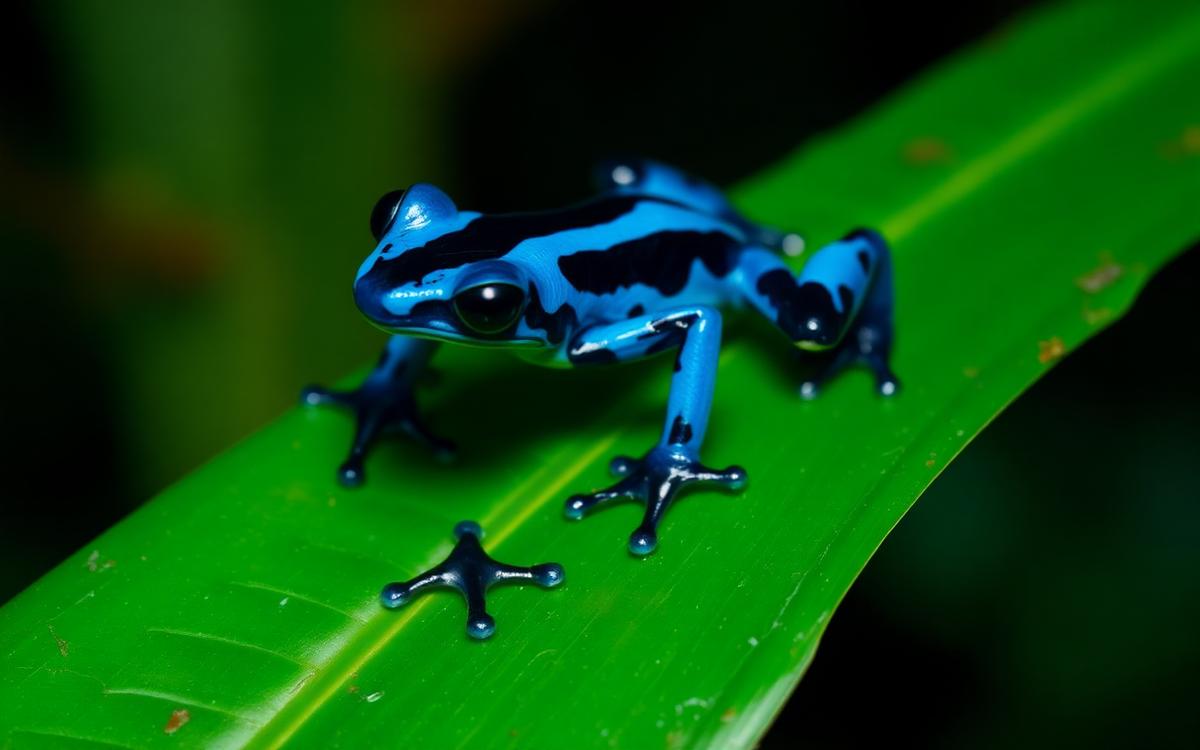
Data Deficient is the category most often misread. A large share of invertebrates, amphibians and deep-sea species sit there, and among them are almost certainly species already lost.
Species at the extreme end
Vertebrates with known individuals
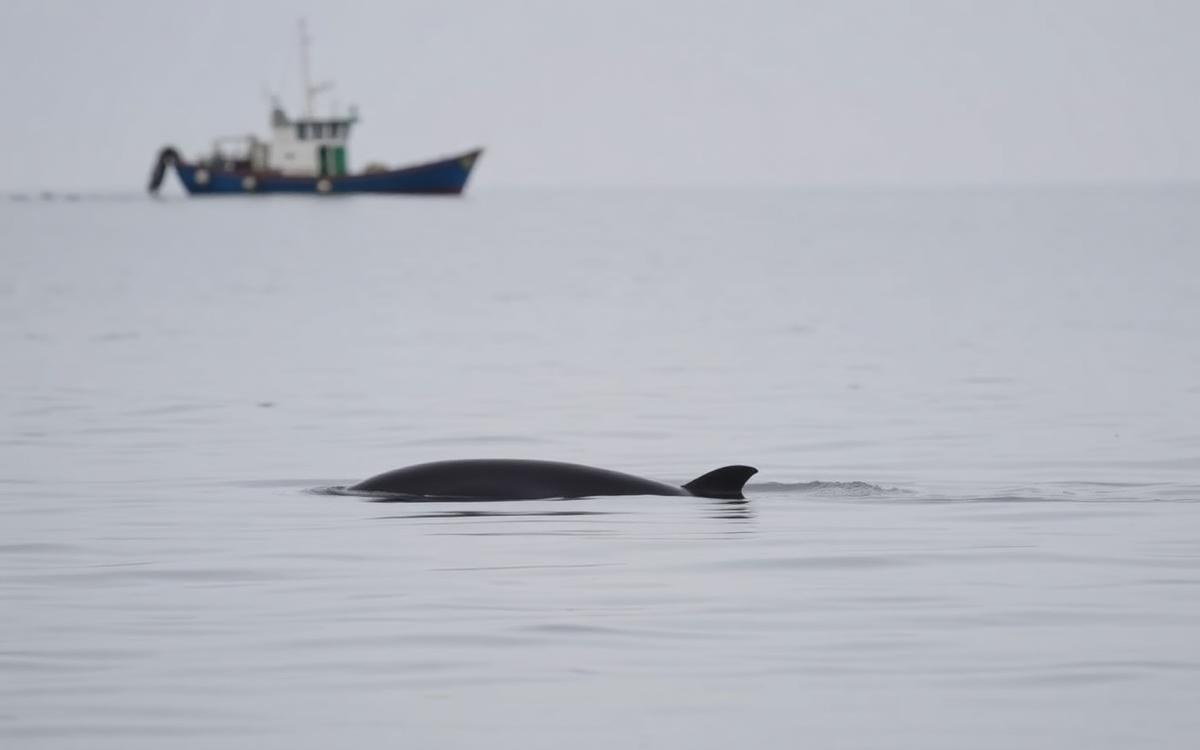
Several species are now counted individually rather than estimated: the vaquita porpoise in the Gulf of California, the Javan and Sumatran rhinoceros populations, and a handful of island birds whose entire species occupies a single valley or islet.
Extinct in the wild, alive in captivity
The scimitar-horned oryx demonstrated that this category is not automatically terminal — captive stock supported reintroduction in Chad. Others, such as certain freshwater fish, persist only in aquaria with no habitat left to return to.
Invertebrates, the invisible majority
Rare insects rarely make lists because charisma drives coverage. The Lord Howe Island stick insect, rediscovered on a sea stack after being presumed extinct, is one of the few invertebrate cases that reached public attention.
Why species become rare
- Habitat loss and fragmentation — still the single largest driver across taxa.
- Direct exploitation: hunting, fishing bycatch and the wildlife trade.
- Invasive species, which are devastating for island endemics with no evolved defences.
- Disease, such as chytrid fungus in amphibians and white-nose syndrome in bats.
- Climate-driven habitat shift, which compresses ranges for cold-adapted and high-altitude species.
- Small-population effects: once numbers are low, inbreeding and random events finish what the original pressure started.
How to read extinction headlines critically
Ask four questions of any rarity claim: what year is the estimate from, what method produced it, what is the confidence interval, and who assessed it. A claim that survives all four is worth citing. Most viral posts do not survive the first.
Key takeaways
- Rarity figures are statistical estimates with methods and error ranges attached.
- IUCN categories are defined by quantitative thresholds, not subjective judgement.
- Data Deficient species may include some already extinct.
- Habitat loss remains the dominant driver of rarity worldwide.
- Always check the date and method behind a population number before repeating it.
Frequently asked questions
What is the rarest animal in the world?+
Candidates change between survey seasons. The vaquita porpoise and Javan rhinoceros are consistently among the lowest-count vertebrates, while several amphibians and invertebrates are known from single individuals or sites.
Does Extinct in the Wild mean the species is doomed?+
No. Several species have been restored to the wild from captive populations, though success depends on remaining suitable habitat and threat removal.
How often is the IUCN Red List updated?+
Assessments are published in batches multiple times per year, with individual species reassessed on varying schedules.