Reptiles & Amphibians · Cornerstone guide
The Inland Taipan: The Most Toxic Venom, the Fewest Bites
Venom potency rankings and actual danger to humans are two different measurements. The inland taipan is the clearest illustration.
 By Mahmoud OsamaSenior Wildlife Researcher & Editor-in-ChiefPublished 30 June 2026 · Updated 12 August 2026 · 10 min read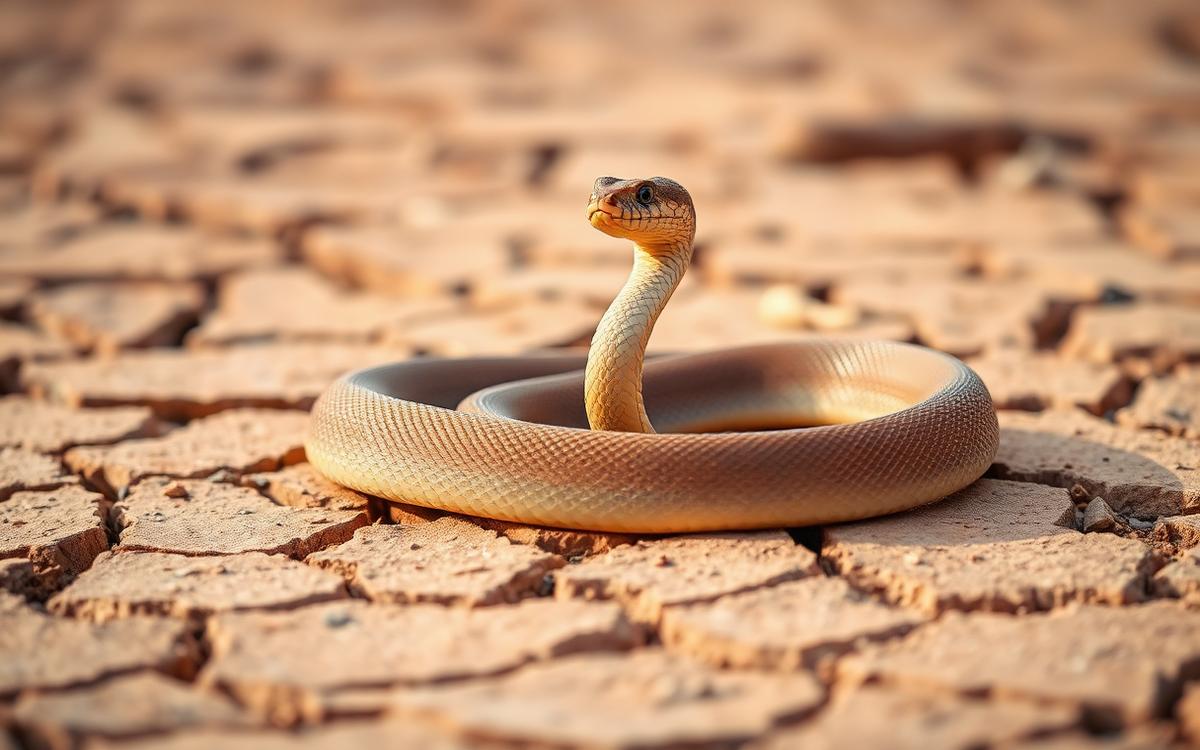
Reviewed against primary toxinology literature and IUCN assessments. This article is educational and is not medical advice — in an emergency contact your local poison centre or emergency services.
Oxyuranus microlepidotus holds the record for the most toxic venom of any snake measured by murine LD50. It also has an almost empty record of human fatalities. Both facts are true, and the tension between them is the most useful thing about the species.
This guide covers what the venom does, why laboratory potency is a poor proxy for danger, and where snakebite risk actually concentrates worldwide.
The snake itself
The inland taipan is a slender elapid reaching about two metres, found on the arid black-soil plains where Queensland, South Australia and the Northern Territory meet. It shelters in deep soil cracks and abandoned burrows and hunts small mammals, chiefly the long-haired rat.
Its colouration shifts seasonally, darkening in winter to absorb heat and lightening in summer. It is diurnal, secretive, and by every field account shy — it retreats when given the opportunity.
What the venom does
The venom is a fast-acting cocktail specialised for warm-blooded prey that must be killed quickly before it can retaliate in a confined burrow.
- Presynaptic and postsynaptic neurotoxins (taipoxin among them) block neuromuscular transmission, leading to progressive paralysis, including of the diaphragm.
- Procoagulants consume clotting factors and produce venom-induced consumption coagulopathy, leaving the victim unable to clot.
- Myotoxins damage skeletal muscle, releasing myoglobin that can injure the kidneys.
Untreated, a serious envenomation can progress within hours. With prompt access to Australian polyvalent or taipan-specific antivenom and intensive care, outcomes are generally good.
Why toxicity rankings mislead
The most venomous snake statistic comes from LD50 testing in mice. That measures the potency of a purified quantity in a rodent. It does not measure how much venom the snake injects, how often it bites people, how quickly help arrives, or whether antivenom exists.
By deaths, the dangerous snakes are elsewhere entirely: saw-scaled vipers, Indian cobras, kraits and Russell's vipers in South Asia, and puff adders and carpet vipers across sub-Saharan Africa. These species combine moderate venom potency with abundance, proximity to agricultural workers and poor access to treatment.
Editor's note: The World Health Organization classifies snakebite envenoming as a neglected tropical disease, with well over 100,000 deaths per year and several times that number of permanent disabilities.
If bitten by an elapid
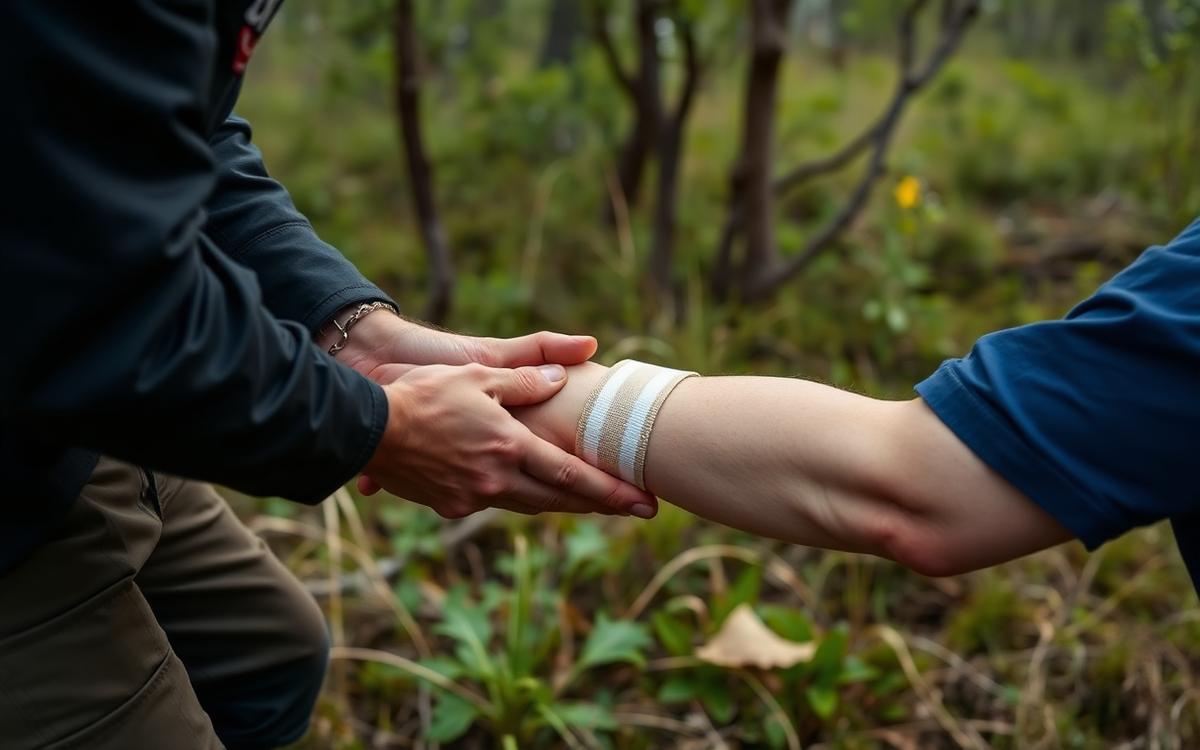
Australian first-aid guidance for elapid bites centres on pressure immobilisation bandaging, which slows lymphatic venom movement. It is specific to this snake group and is not appropriate for viper bites with heavy local tissue damage.
- Call emergency services immediately.
- Keep the person completely still; movement pumps venom through the lymphatic system.
- Apply a broad elastic bandage firmly over the bite and up the whole limb, then splint it.
- Do not wash the bite site — residual venom on the skin helps identify the species for antivenom selection.
- Never cut, suck, apply ice or use a tourniquet.
Key takeaways
- The inland taipan has the most toxic snake venom by LD50 but almost no fatality record.
- Its venom combines neurotoxins, procoagulants and myotoxins for rapid prey kill.
- Real-world snakebite mortality concentrates in South Asia and sub-Saharan Africa.
- Pressure immobilisation is the correct first aid for Australian elapid bites.
- Antivenom access and time to hospital determine outcomes more than venom potency.
Frequently asked questions
Has anyone died from an inland taipan bite?+
Documented bites are very few, all involving handlers or researchers, and all recorded cases have survived with antivenom and intensive care.
Is the inland taipan aggressive?+
No. Field and captive accounts describe a shy, retiring snake that bites only when cornered or handled.
Which snake kills the most people?+
The saw-scaled viper is frequently cited as responsible for the most human deaths, due to abundance and overlap with rural populations rather than exceptional venom potency.