Rare & Endangered Animals · Cornerstone guide
Northern White Rhino: Two Females and a Race Against Extinction
With no living males left, the northern white rhino subspecies now depends entirely on advanced reproductive science, stored genetic material, and a southern white rhino surrogate program.
 By Mahmoud OsamaSenior Wildlife Researcher & Editor-in-ChiefPublished 10 December 2025 · Updated 10 December 2025 · 9 min read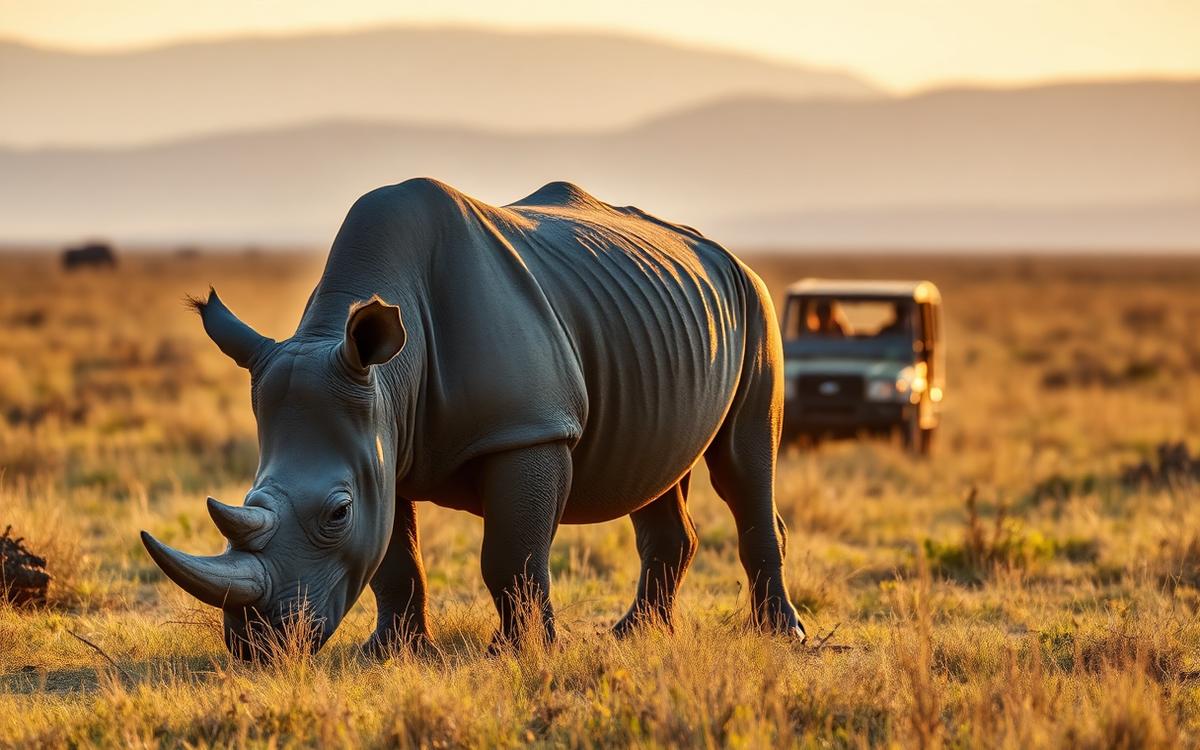
Reviewed against primary toxinology literature and IUCN assessments. This article is educational and is not medical advice — in an emergency contact your local poison centre or emergency services.
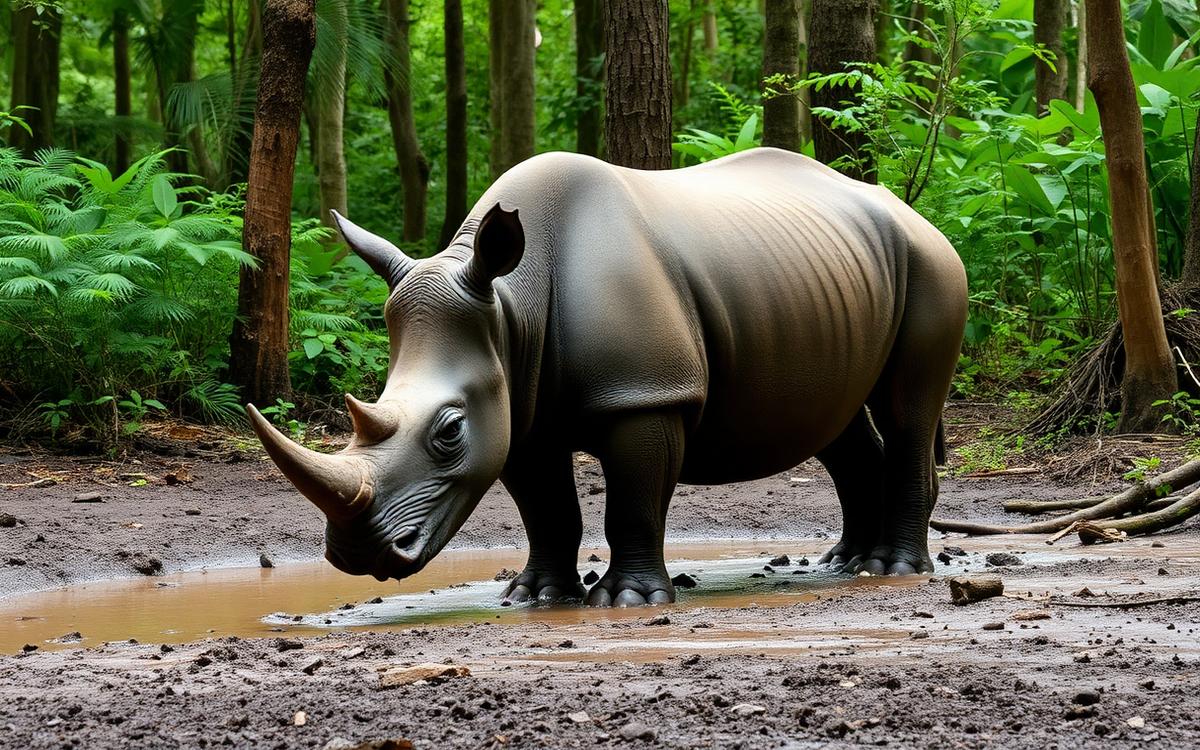
The northern white rhino (Ceratotherium simum cottoni) is functionally extinct in the wild and represented today by exactly two living individuals, both female: Najin and her daughter Fatu, who live under armed guard at Ol Pejeta Conservancy in Kenya. The last confirmed wild population, in Garamba National Park in the Democratic Republic of Congo, was wiped out by poaching by the early 2000s, and the last male, Sudan, died in 2018, leaving natural reproduction of the subspecies biologically impossible.
Rather than accepting extinction as inevitable, an international consortium of scientists, led by the BioRescue project involving Kenyan, German, Italian, and Czech researchers, is pursuing an ambitious in vitro fertilization program using preserved northern white rhino eggs and sperm, with viable embryos implanted into southern white rhino surrogate mothers. It is one of the most advanced genetic rescue efforts ever attempted for a large mammal, though success remains uncertain and the timeline for any live birth stretches years into the future.
How the Subspecies Reached This Point
The northern white rhino once ranged across parts of Uganda, Chad, Sudan, the Central African Republic, and the Democratic Republic of Congo, with a wild population estimated at around 2,000 individuals as recently as the 1960s. Intensive poaching for horn, fueled by demand in illegal wildlife trade markets, collapsed this population over subsequent decades.
- 1960s population estimate: roughly 2,000 individuals across central Africa
- 1980s: population reduced to a few hundred amid civil conflict and poaching
- 2008: subspecies declared extinct in the wild after the last individuals in Garamba National Park disappeared
- 2018: Sudan, the last male, died at Ol Pejeta Conservancy, Kenya
- Today: exactly two living individuals, Najin and Fatu, both female
The Science of Genetic Rescue
Because no living males remain, scientists have relied on frozen sperm collected from deceased males, including Sudan, before their deaths. Eggs harvested from Najin and Fatu are fertilized in laboratory conditions to create embryos, which are then implanted into southern white rhino females serving as surrogate mothers, since southern white rhinos are a closely related subspecies with a healthier population.
Embryos created, first surrogate pregnancies attempted
The BioRescue consortium has successfully created multiple viable northern white rhino embryos using this technique and has worked toward achieving a confirmed surrogate pregnancy, a critical milestone toward eventually producing a live northern white rhino calf. The process is technically demanding and has faced repeated setbacks, reflecting how difficult reproductive science remains even with dedicated funding and expertise.
Najin and Fatu
Najin and Fatu live under 24-hour armed protection at Ol Pejeta Conservancy, a private wildlife conservancy in Kenya, where they graze alongside southern white rhinos and other wildlife. Neither female is considered a viable candidate to carry a pregnancy herself due to age and health factors, which is why the surrogate approach using southern white rhinos was adopted.
Editor's note: Both Najin and Fatu continue to provide eggs for the ongoing IVF program, making their health and welfare central to the entire genetic rescue effort.
Why This Case Matters Beyond One Subspecies
The northern white rhino program is widely watched as a test case for whether advanced reproductive technology can meaningfully rescue species pushed past the point of natural recovery. Techniques developed here, including stem cell research aimed at eventually creating artificial gametes, may have implications for other critically endangered large mammals facing similarly narrow genetic bottlenecks.
Key takeaways
- Only two northern white rhinos remain alive, Najin and Fatu, both female, at Ol Pejeta Conservancy, Kenya.
- The subspecies has been extinct in the wild since approximately 2008 and lost its last male, Sudan, in 2018.
- The BioRescue consortium is using IVF with preserved genetic material and southern white rhino surrogates to attempt genetic rescue.
- Poaching for horn drove the population from roughly 2,000 in the 1960s to zero wild survivors.
- Success of the genetic rescue program remains uncertain and any live birth is likely years away.
Frequently asked questions
How many northern white rhinos are left?+
Exactly two, both female: Najin and her daughter Fatu, living at Ol Pejeta Conservancy in Kenya under armed protection.
Can the northern white rhino still reproduce naturally?+
No. With no living males and health issues preventing Najin and Fatu from carrying pregnancies, natural reproduction is impossible; scientists rely on IVF and surrogate mothers instead.
What is the BioRescue project?+
An international scientific consortium using preserved eggs and sperm to create northern white rhino embryos in vitro, implanted into southern white rhino surrogates in an attempt to produce live calves.
What happened to the male northern white rhinos?+
The last male, named Sudan, died in 2018 at Ol Pejeta Conservancy in Kenya, but his sperm was preserved and is being used in ongoing IVF efforts.