Venomous Insects · Supporting guide
Blister Beetles and Cantharidin: A Chemical Weapon on Six Legs
Blister beetles do not bite or sting — they defend themselves with cantharidin, a corrosive chemical potent enough to blister skin and poison horses through contaminated hay.
 By Mahmoud OsamaSenior Wildlife Researcher & Editor-in-ChiefPublished 18 September 2025 · Updated 18 September 2025 · 7 min read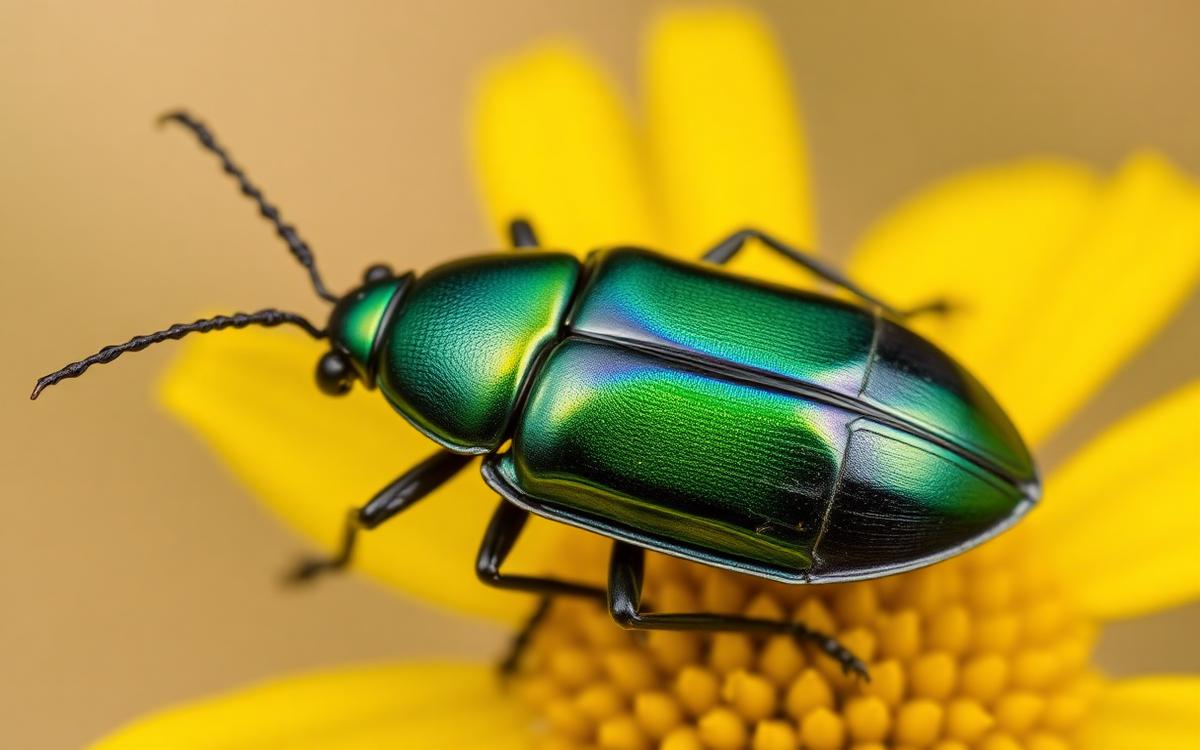
Reviewed against primary toxinology literature and IUCN assessments. This article is educational and is not medical advice — in an emergency contact your local poison centre or emergency services.
Blister beetles (family Meloidae) belong to a strange category of arthropod defense: they have no venomous bite or sting, yet they can cause chemical burns severe enough to blister skin within hours. Their weapon is cantharidin, an oily terpenoid compound stored in their hemolymph and released reflexively when the beetle is crushed, brushed, or threatened.
Cantharidin is the same compound historically sold, illegally and dangerously, as the aphrodisiac "Spanish fly." In reality it is a potent vesicant (blistering agent) with no reliable safe recreational use, and ingestion has caused fatal poisonings throughout history. Understanding how it works explains both the beetle's biology and a handful of very real medical and veterinary hazards.
What Cantharidin Does to Tissue
Cantharidin inhibits an enzyme called protein phosphatase 2A inside skin cells, disrupting the desmosomes that hold epidermal cells together. The result is acantholysis — cells separating from each other — which clinically appears as a fluid-filled blister, usually forming 2 to 5 hours after contact.
Unlike a sting, there is no injection mechanism. Contact happens when a beetle is squashed against skin, often unnoticed at first because the beetle causes no pain on contact — the blister is the first sign something happened.
From Folk Remedy to FDA-Approved Drug
A controlled dermatologic tool
In carefully measured, physician-applied doses, cantharidin is used clinically to treat molluscum contagiosum and common warts by deliberately inducing a controlled blister that lifts the infected tissue. This is dramatically different from uncontrolled environmental exposure, where concentration and duration are unknown.
- Topical clinical use: controlled dose, monitored blister, prescription only
- Accidental beetle contact: uncontrolled dose, unpredictable blister size and depth
- Historical "Spanish fly" ingestion: uncontrolled, has caused kidney failure and death
The Bigger Danger: Poisoned Hay and Livestock
The most serious real-world cantharidin hazard is not to humans but to horses. Blister beetles are attracted to alfalfa fields and can be crushed and baled into hay by mechanical harvesters. Horses that eat contaminated hay can ingest enough cantharidin to cause severe gastrointestinal ulceration, colic, and cardiac or kidney damage — cases have been fatal, sometimes from just a few dozen beetles in a bale.
Editor's note: Cantharidin remains toxic even in dead, dried beetles, so contaminated hay stays dangerous indefinitely.
Recognizing and Treating Human Contact
- Wash the area with soap and water as soon as contact is suspected
- Avoid popping blisters, which increases infection risk
- Keep the area clean and covered with a non-adherent dressing
- Seek care if blisters are extensive, near the eyes, or show signs of infection (spreading redness, pus, fever)
Most human contact dermatitis from blister beetles resolves within one to two weeks without scarring, though the lesion can look alarming while active.
Avoiding Exposure
Do not handle or crush unfamiliar beetles found on flowers, alfalfa, or crops with bare skin. If working in fields during blister beetle season (mid-to-late summer in much of North America), wear gloves and long sleeves, and buy hay from suppliers who inspect for beetle contamination.
Key takeaways
- Blister beetles do not bite or sting; they release cantharidin, a blister-inducing chemical, when crushed against skin.
- Cantharidin disrupts skin-cell adhesion, causing a delayed blister rather than immediate pain.
- The same compound is used medically in controlled doses to treat warts and molluscum contagiosum.
- Contaminated alfalfa hay is a leading cause of fatal cantharidin poisoning in horses.
- Wash exposed skin promptly and avoid popping resulting blisters.
Frequently asked questions
Does a blister beetle sting or bite you?+
No. It has no stinger and does not bite defensively; the injury comes from cantharidin released onto the skin when the beetle is crushed or handled.
Is Spanish fly a real aphrodisiac?+
"Spanish fly" refers to dried blister beetles containing cantharidin. It has no proven aphrodisiac benefit and has caused severe poisoning and death when ingested.
How long after contact does a blister appear?+
Typically 2 to 5 hours after skin contact with cantharidin, though timing can vary with exposure amount.
Can cantharidin poisoning kill livestock?+
Yes. Horses that eat alfalfa hay contaminated with crushed blister beetles have died from gastrointestinal and cardiac damage caused by cantharidin toxicity.
Should I pop a blister beetle blister?+
No, leave it intact to reduce infection risk; keep it clean and covered and seek medical care if it becomes large or infected.