Venomous Insects · Cornerstone guide
Saddleback Caterpillar and the World of Stinging Caterpillars
The saddleback caterpillar's vivid green-and-brown pattern is a warning sign — its urticating spines deliver a sting that rivals a wasp for intensity.
 By Mahmoud OsamaSenior Wildlife Researcher & Editor-in-ChiefPublished 16 October 2025 · Updated 16 October 2025 · 9 min read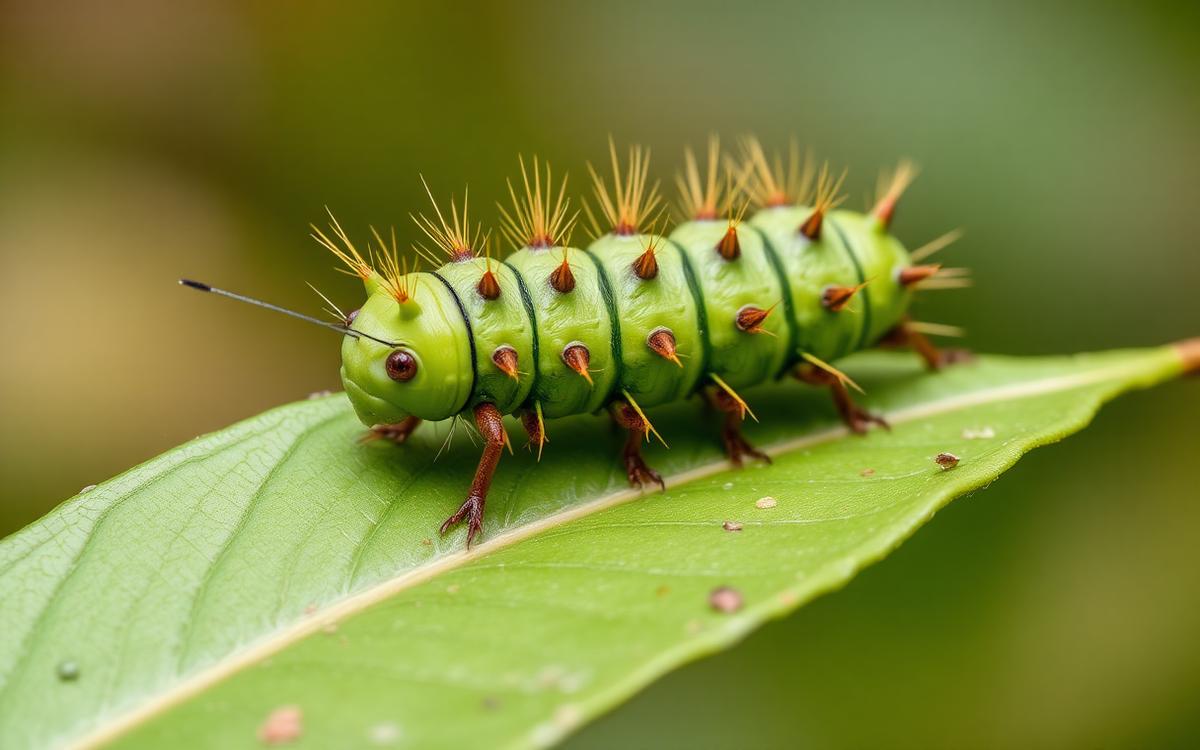
Reviewed against primary toxinology literature and IUCN assessments. This article is educational and is not medical advice — in an emergency contact your local poison centre or emergency services.
Not every venomous animal has fangs or a stinger — several caterpillar species deliver a genuine sting through specialized urticating spines packed with venom. The saddleback caterpillar (Acharia stimulea), named for the purple-brown "saddle" marking on its green back, is one of the most recognizable and most frequently encountered stinging caterpillars in the eastern United States.
Stinging caterpillars belong to several unrelated moth families that have independently evolved the same basic defense: bright warning coloration paired with hollow, venom-filled spines that break off in the skin of anything that brushes against them. Recognizing the pattern — and knowing which species share it — helps prevent painful surprises in gardens, parks, and forests.
Identifying the Saddleback Caterpillar
The saddleback caterpillar is roughly 1 inch (2.5 cm) long with a bright green midsection bordered by brown, and a brown oval "saddle" outlined in white in the center of its back. Fleshy horn-like projections at both ends bristle with stinging spines. It feeds on a wide range of plants, including corn, fruit trees, and many ornamental shrubs, across the eastern and southern U.S.
- Bright green body with brown "saddle" marking
- Spiny horn-like projections at head and tail ends
- Found on a broad range of garden and crop plants
- Active mainly in late summer and early fall
Other Stinging Caterpillars Worth Knowing
A shared defense evolved multiple times
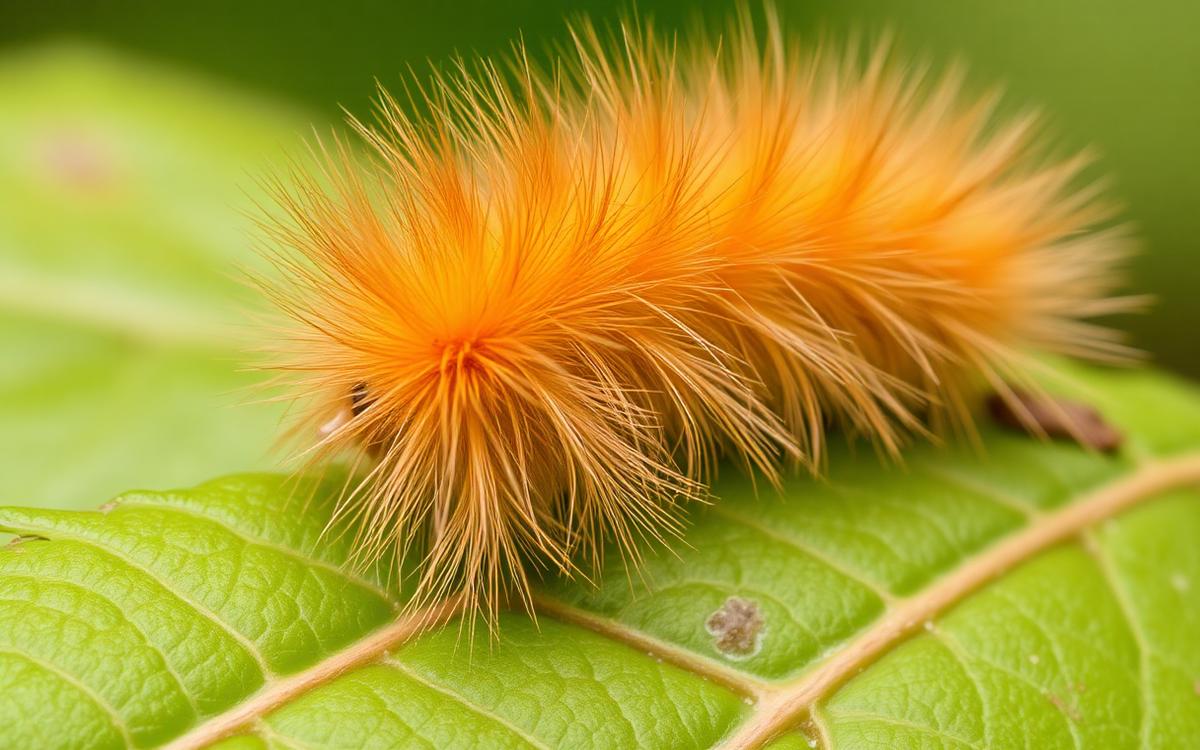
Several other North American caterpillars sting via similar urticating spines, even though they belong to different moth families: the io moth caterpillar (pale green with red and white stripes), the hag moth caterpillar (odd, hairy "monkey slug" appearance), and stinging rose caterpillars, alongside the puss caterpillar discussed elsewhere on this site. Each has slightly different spine density and venom composition, but the basic hazard and first aid are similar.
What Happens When You Get Stung
Contact drives numerous hollow spines into the skin, each releasing venom containing histamine-releasing compounds and other irritants. The result is immediate, sharp, burning pain, followed by redness, swelling, and sometimes a hive-like rash in a pattern matching the spines' contact points.
- Sharp, immediate burning pain, often compared to a nettle sting multiplied several times over
- Localized swelling and redness within minutes
- Possible secondary rash or itching lasting one to several days
- Rare systemic symptoms: nausea, headache, or generalized hives in sensitive individuals
Treating a Sting
As with other spine-based stings, apply and remove adhesive tape over the area to pull out broken spines before washing with soap and water. Ice reduces swelling and pain; oral antihistamines help with itching and hives. Most reactions resolve within a few days without treatment beyond basic comfort care.
Editor's note: Seek medical attention for signs of a broader allergic reaction, such as difficulty breathing, facial swelling, or widespread hives.
Avoiding Stinging Caterpillars in the Garden
Wear gloves when pruning or harvesting in late summer, inspect the undersides of leaves before grabbing them bare-handed, and teach children to look but never touch brightly colored or unusually textured caterpillars.
Key takeaways
- The saddleback caterpillar has a distinctive green body with a brown "saddle" and spiny projections that deliver a venomous sting.
- Multiple unrelated caterpillar species — io moth, hag moth, saddleback, puss caterpillar — have independently evolved urticating venomous spines.
- Stings cause sharp burning pain, redness, and swelling, occasionally with a secondary rash lasting days.
- Tape-stripping to remove spines, washing, icing, and antihistamines are the standard first-aid approach.
- Bright or unusual coloration on a caterpillar is often a reliable warning sign worth respecting.
Frequently asked questions
Is the saddleback caterpillar the most dangerous stinging caterpillar?+
It is among the most painful in the eastern U.S., but the puss caterpillar is generally considered more medically significant due to more intense and longer-lasting reactions in some cases.
How can I tell if a caterpillar can sting me?+
Bright, contrasting coloration, visible spines or hair tufts, and an unusual body shape are all warning signs. As a rule, avoid handling any caterpillar you cannot positively identify as harmless.
Do stinging caterpillars turn into stinging moths?+
No. The venomous spines exist only in the larval (caterpillar) stage; the adult moths are harmless to touch.
What plants attract saddleback caterpillars?+
They feed on a wide variety of plants including corn, fruit trees, roses, and many ornamental shrubs, making garden encounters common in late summer.
Can a caterpillar sting cause an allergic reaction?+
Yes, in sensitive individuals stings can trigger more significant hives or systemic symptoms, though severe allergic reactions are uncommon.