Venomous Insects · Supporting guide
Harvester Ant Venom: The Most Toxic Insect Sting by Weight
Gram for gram, harvester ant venom is more lethal than that of nearly any other insect, yet a single sting is rarely dangerous thanks to the tiny dose delivered.
 By Mahmoud OsamaSenior Wildlife Researcher & Editor-in-ChiefPublished 15 December 2025 · Updated 5 January 2026 · 7 min read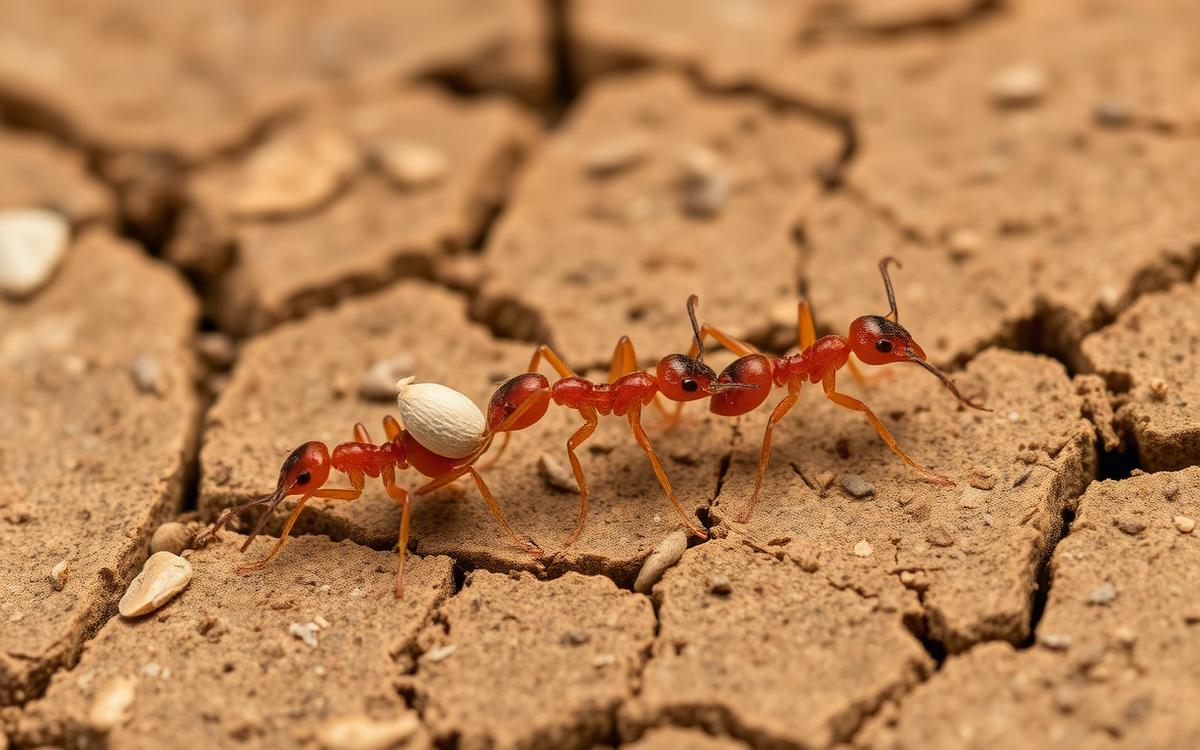
Reviewed against primary toxinology literature and IUCN assessments. This article is educational and is not medical advice — in an emergency contact your local poison centre or emergency services.
Harvester ants, particularly species in the genus Pogonomyrmex found across the southwestern United States, hold a striking scientific distinction: research measuring venom toxicity by weight (LD50 in test animals) has repeatedly ranked their venom among the most toxic of any insect studied, in some analyses surpassing even the venom of many snakes on a milligram-for-milligram basis. This sounds alarming, but the practical danger to humans is limited by the tiny quantity of venom a single ant can inject compared to the volume required to be dangerous to a full-grown person.
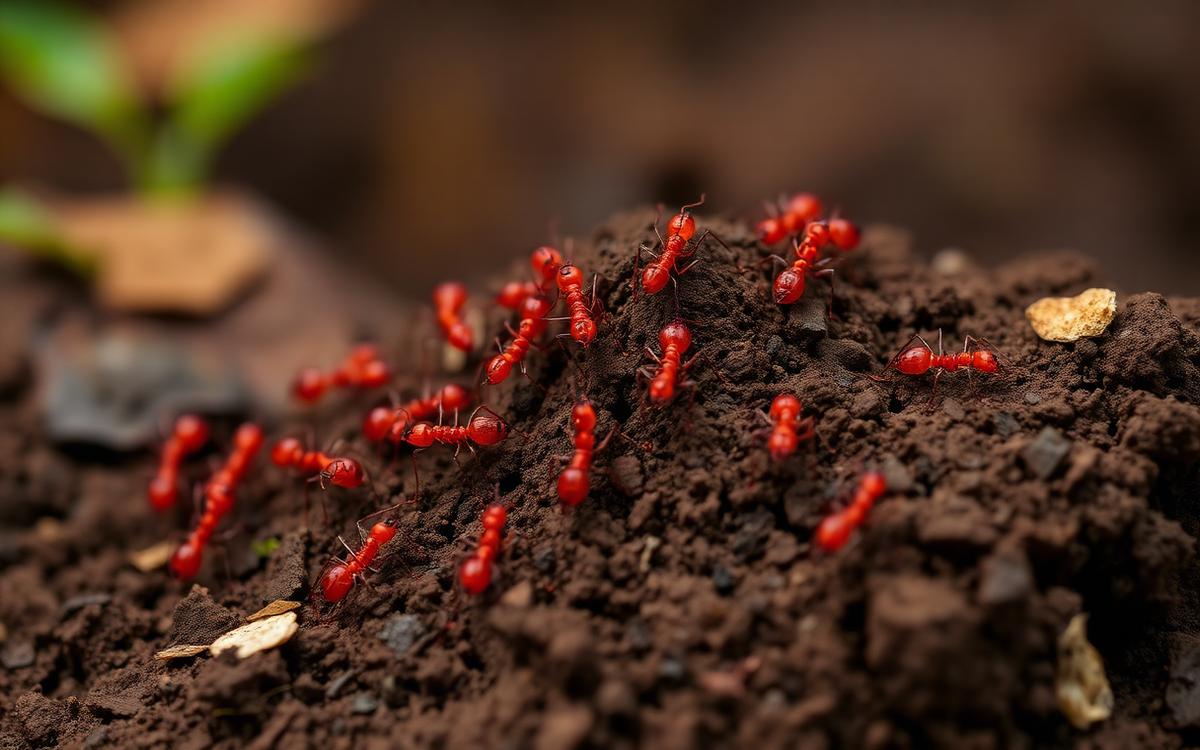
Harvester ants are large, reddish or dark-colored ants that build extensive underground colonies marked by cleared, crater-like mounds, often surrounded by a distinctive bare patch where they harvest seeds. Understanding the gap between laboratory toxicity rankings and real-world sting risk helps put this ant's fearsome reputation in proper context.
Why This Venom Ranks So High in Toxicity
Toxicity comparisons between venomous animals are usually made using LD50 values — the dose per unit of body weight that is lethal to 50 percent of test subjects, typically mice. On this scale, harvester ant venom has scored remarkably high, meaning a very small amount is theoretically capable of causing serious harm relative to body weight.
However, LD50 rankings do not account for the actual volume of venom an animal delivers in a real encounter. A harvester ant injects only a minuscule amount of venom per sting compared to, say, a snake bite, which is why the sting is intensely painful but not typically life-threatening to a healthy adult despite the venom's laboratory potency.
What a Sting Feels Like
The Schmidt Sting Pain Index rates the harvester ant sting around 3 out of 4, describing it as a bold, unrelenting pain that can last several hours, distinctly longer-lasting than the sharp, brief pain of many other ants and bees.
- Immediate, intense burning or throbbing pain at the sting site
- Localized redness and swelling developing within minutes
- Pain that can persist for 4 to 8 hours in some cases, longer than many other ant stings
- Occasional secondary itching as inflammation subsides over the following day or two
Treatment and First Aid
- Move away from the mound immediately, as harvester ants can continue to sting if the encounter continues
- Wash the sting site with soap and water
- Apply a cold compress to help manage pain and swelling
- Take an over-the-counter pain reliever such as ibuprofen or acetaminophen
- Use hydrocortisone cream or an antihistamine for residual itching
When to Escalate Care
Multiple stings from a disturbed colony, or any signs of an allergic reaction such as hives away from the sting site, facial swelling, or difficulty breathing, warrant immediate medical attention. As with other stinging insects, a genuine venom allergy is the primary scenario in which a harvester ant sting becomes truly dangerous.
Identifying Harvester Ant Colonies
- Large, reddish-brown to blackish ants, generally bigger than common household ants
- Mounds surrounded by a distinctive cleared, vegetation-free area used for seed collection and sunning
- Colonies often located in dry, open, sandy habitats across the southwestern US
- Workers observed carrying seeds back to the colony during daylight foraging hours
Because colonies can be long-lived, sometimes persisting for well over a decade in the same location, learning to recognize and avoid an established mound is more practical than attempting to eliminate it casually.
Ecological Importance
Despite their fearsome sting, harvester ants play a valuable ecological role as seed dispersers and soil aerators in arid ecosystems, and they are a critical food source for species such as the horned lizard, which has evolved specialized resistance to their venom. Wholesale eradication of harvester ant colonies can have ripple effects on the food web in the habitats they occupy.
Key takeaways
- Harvester ant venom ranks among the most toxic insect venoms by weight in laboratory LD50 testing
- The tiny volume delivered per sting keeps real-world risk to healthy humans relatively low
- Pain from a single sting can last 4 to 8 hours, longer than many other stinging insects
- Cold compresses and OTC pain relievers are effective first-line treatment
- Harvester ants play an important ecological role as seed dispersers and prey for species like horned lizards
Frequently asked questions
Is harvester ant venom really more toxic than snake venom?+
By weight in laboratory LD50 testing, some studies have ranked it higher than many snake venoms, but the tiny amount injected per sting means real-world danger to humans is far lower than a venomous snake bite.
Can a harvester ant sting kill you?+
For a healthy adult without a venom allergy, a single sting is very unlikely to be fatal, though multiple stings from a disturbed colony could pose more risk, and a true allergic reaction remains the main serious concern.
How long does harvester ant sting pain last?+
Pain commonly persists for several hours, notably longer than the brief, sharp pain of many other ant and bee stings.
Are harvester ants aggressive?+
They are defensive rather than actively aggressive, generally stinging only when their mound is disturbed or they are stepped on.
What animal is famously resistant to harvester ant venom?+
The Texas horned lizard has evolved specialized blood chemistry that allows it to eat large numbers of harvester ants with minimal ill effect, making the ants a dietary staple for the species.