Venomous Insects · Supporting guide
Velvet Ant (Cow Killer) Sting: Why This Fuzzy Insect Packs Such a Punch
The velvet ant is not an ant at all but a wingless wasp whose sting earned it the nickname "cow killer" for its reputed ability to drop livestock — an exaggeration, but the pain is real.
 By Mahmoud OsamaSenior Wildlife Researcher & Editor-in-ChiefPublished 18 September 2025 · Updated 18 September 2025 · 7 min read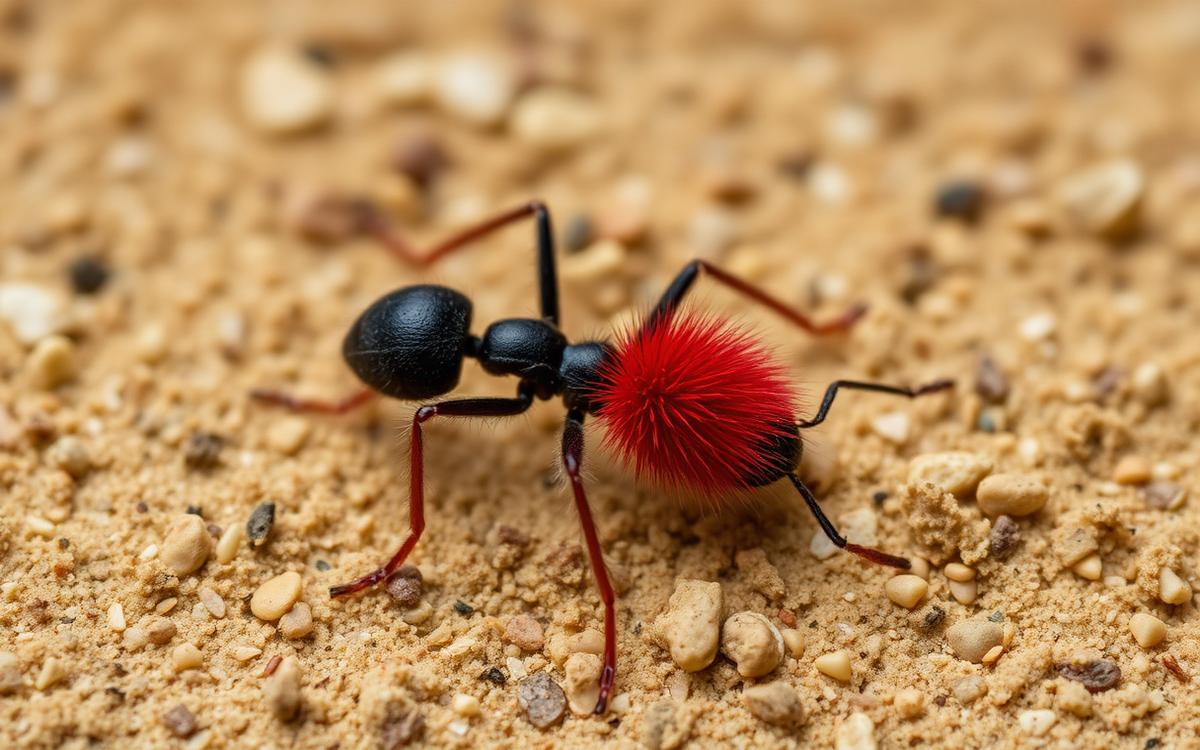
Reviewed against primary toxinology literature and IUCN assessments. This article is educational and is not medical advice — in an emergency contact your local poison centre or emergency services.
Despite the name, velvet ants belong to the family Mutillidae and are true wasps — specifically, the wingless females of a group whose males fly and look entirely different. Found throughout warm regions of North and South America, they are covered in dense hair that ranges from fiery red to orange to white, an unmistakable warning pattern that predators learn to avoid. Their common nickname, "cow killer," is folklore rather than fact; no verified case shows their sting harming livestock, but the exaggeration says a lot about how painful people have found it.
Because velvet ants are solitary and slow-moving, encounters usually happen when someone picks one up out of curiosity or steps on one barefoot in sandy soil. Understanding what the sting does — and does not — do can help prevent unnecessary panic while still taking basic reactions seriously.
Identifying a Velvet Ant
- Wingless, ant-like body shape but noticeably larger and hairier than typical ants
- Bright red, orange, or white fur-like covering over a black exoskeleton
- Found in dry, sandy, or grassy habitats, especially in the southern and southwestern US
- Slow, deliberate walking pace rather than the quick scurrying of true ants
- Males have wings and cannot sting; only wingless females possess a stinger
The vivid coloration is aposematic — a visual warning that has evolved specifically to tell predators this insect is not worth the trouble of attacking.
What the Sting Feels Like
Justin Schmidt, the entomologist behind the Schmidt Sting Pain Index, rated the velvet ant's sting around a 3 out of 4, describing it as explosive and long-lasting compared to a typical bee sting. Victims commonly describe an intense, radiating pain that can last considerably longer than a honey bee sting, sometimes accompanied by localized swelling and a throbbing sensation for several hours.
Why It Hurts Longer Than Expected
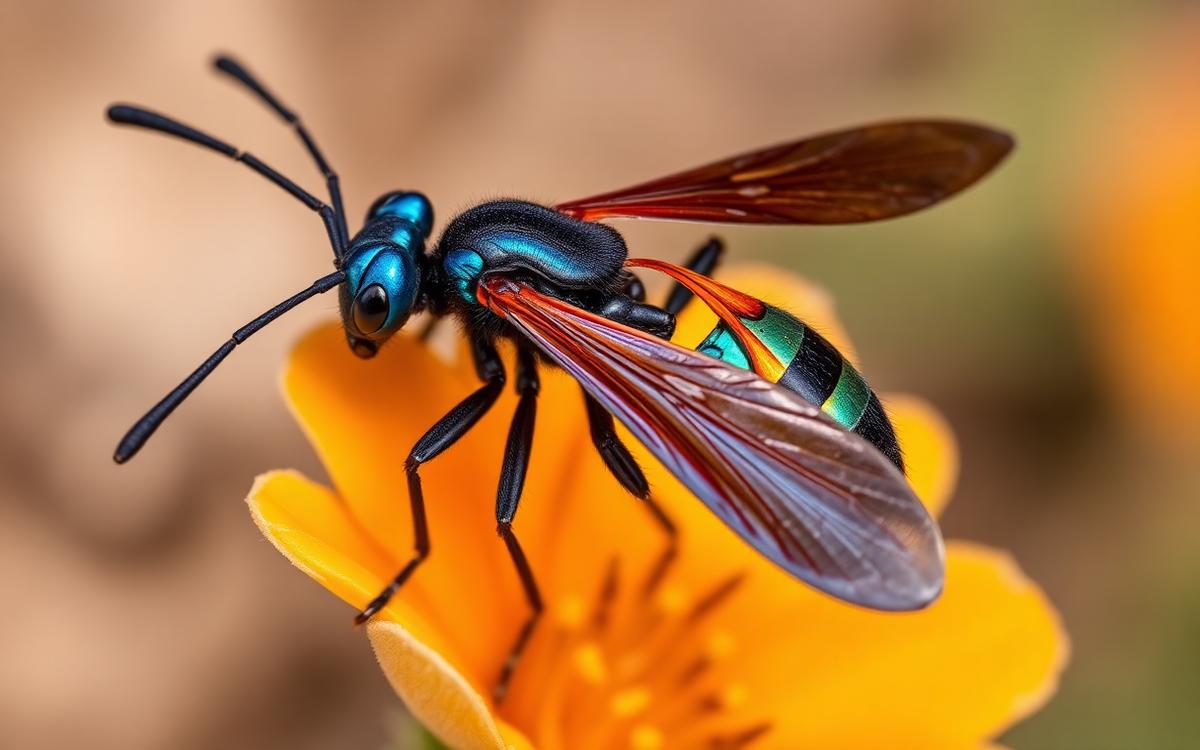
Velvet ant venom is thought to be optimized purely for deterrence, similar to the tarantula hawk, rather than for subduing prey. Because females are wingless and cannot flee quickly, a memorably painful sting is their main defense against being eaten by birds, lizards, or curious humans.
Treatment
- Clean the sting site with soap and water
- Apply a cold compress in 10–15 minute intervals to reduce swelling and numb pain
- Take an over-the-counter pain reliever such as ibuprofen
- Apply hydrocortisone cream or a paste of baking soda and water for itching
- Monitor the area for excessive swelling, spreading redness, or signs of infection over the next 24–48 hours
Editor's note: As with any insect sting, watch closely for hives, facial swelling, or difficulty breathing, which indicate a systemic allergic reaction requiring emergency treatment.
How Dangerous Is It Really?
Toxinologically, velvet ant venom is not considered highly dangerous to healthy humans. There is no verified scientific documentation of the sting killing livestock or people outside of rare, severe allergic reactions, which can occur with essentially any Hymenoptera sting. The exoskeleton of a velvet ant is also famously tough, giving rise to another nickname, "the ant that could not be killed," referencing how difficult they are to crush.
The greater real-world risk is usually indirect: a reflexive movement after being stung, such as dropping something hot or losing balance on a ladder, rather than the venom itself.
Avoiding an Encounter
- Never pick up a hairy, brightly colored ant-like insect, no matter how harmless it looks
- Wear shoes when walking across sandy, open ground in velvet ant territory during summer
- Teach children the "look, don't touch" rule for boldly colored insects generally
- Keep pets from investigating or pawing at slow-moving fuzzy insects outdoors
Key takeaways
- Velvet ants are wingless female wasps, not true ants, in the family Mutillidae
- The nickname "cow killer" is folklore; there is no verified case of the sting harming livestock
- The sting rates roughly 3 out of 4 on the Schmidt Sting Pain Index and can throb for hours
- Cold compresses and OTC pain relievers manage most stings effectively at home
- Severe allergic reactions are rare but require the same emergency response as any insect sting
Frequently asked questions
Can a velvet ant sting kill a cow?+
No verified evidence supports this. The nickname reflects how painful the sting is perceived to be by humans, not a documented ability to kill livestock.
Are velvet ants aggressive?+
No, they are solitary and generally avoid confrontation, only stinging when picked up, stepped on, or otherwise physically threatened.
Can male velvet ants sting?+
No, only the wingless females have a functional stinger; males have wings and lack a stinger entirely.
How long does the swelling last after a sting?+
Localized swelling and redness typically peak within a day and resolve over 24–72 hours without treatment beyond basic wound care.
Is a velvet ant sting worse than a bee sting?+
Most people who have experienced both describe the velvet ant sting as more intense and longer-lasting than a typical honey bee sting.