Venomous Insects · Cornerstone guide
Fire Ant Stings: Symptoms, Treatment, and When to Worry
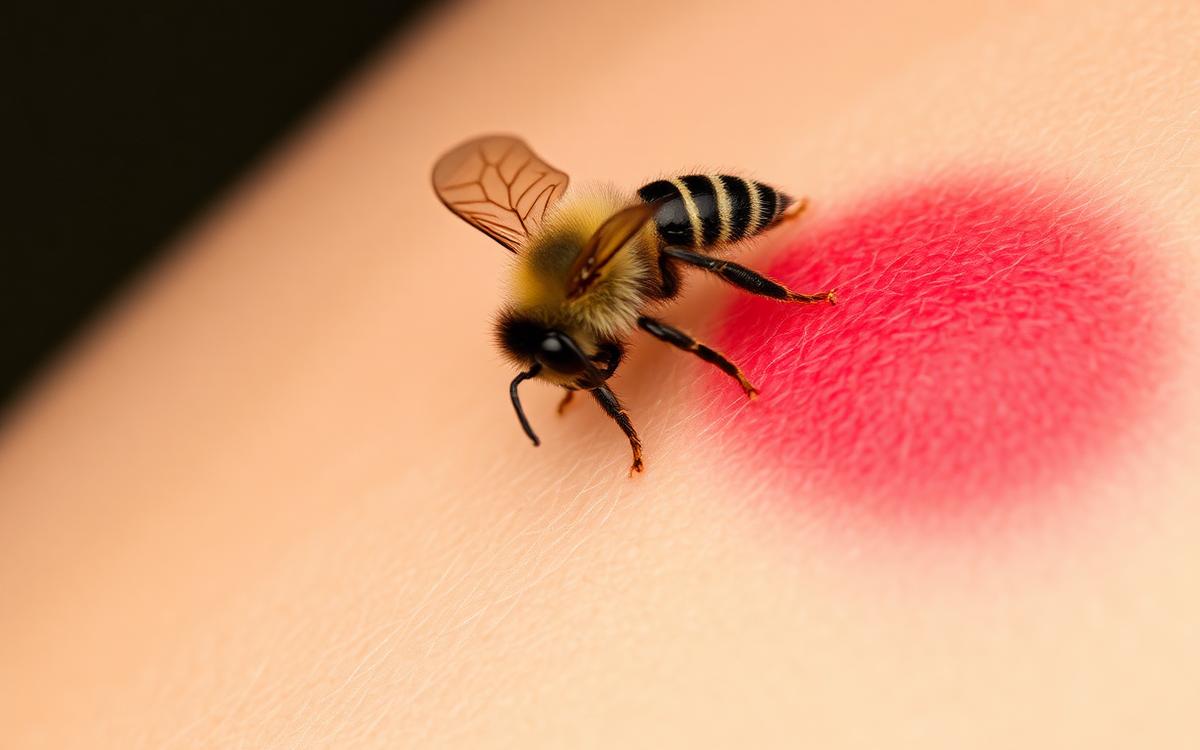
Fire ants swarm and sting in numbers, leaving behind the telltale white pustules that make their stings instantly recognizable — and occasionally dangerous for the allergic.
 By Mahmoud OsamaSenior Wildlife Researcher & Editor-in-ChiefPublished 2 October 2025 · Updated 2 October 2025 · 8 min read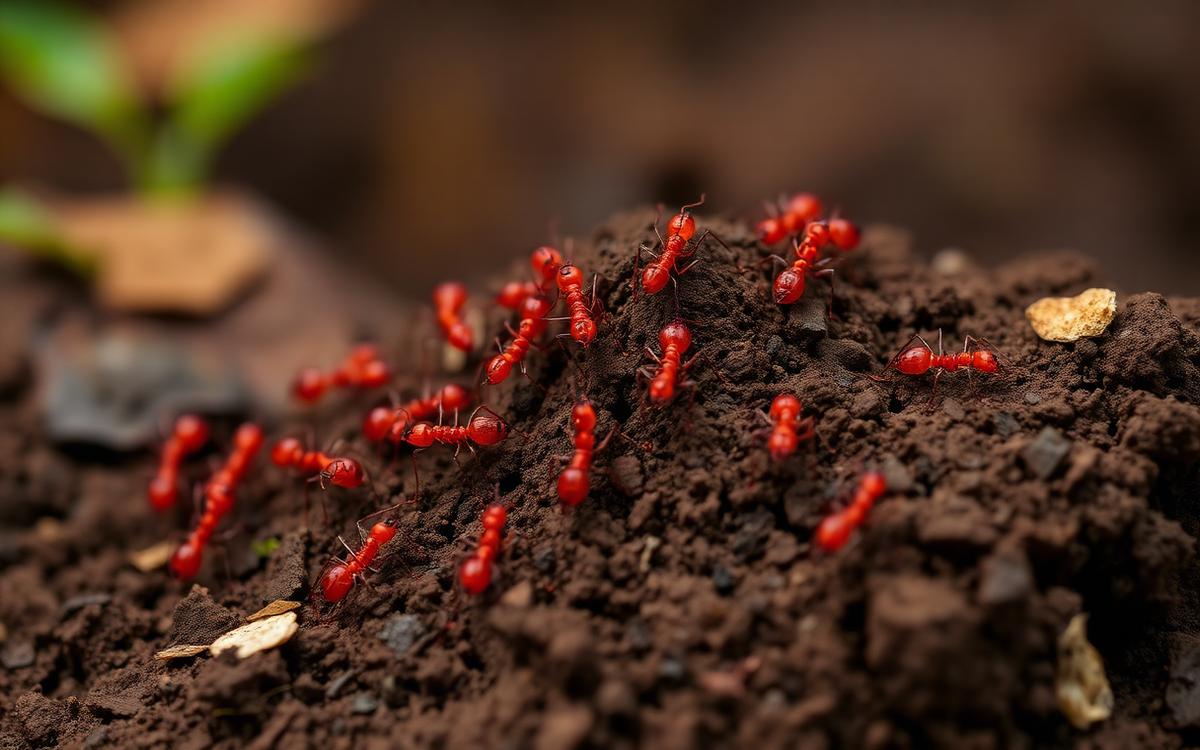
Reviewed against primary toxinology literature and IUCN assessments. This article is educational and is not medical advice — in an emergency contact your local poison centre or emergency services.
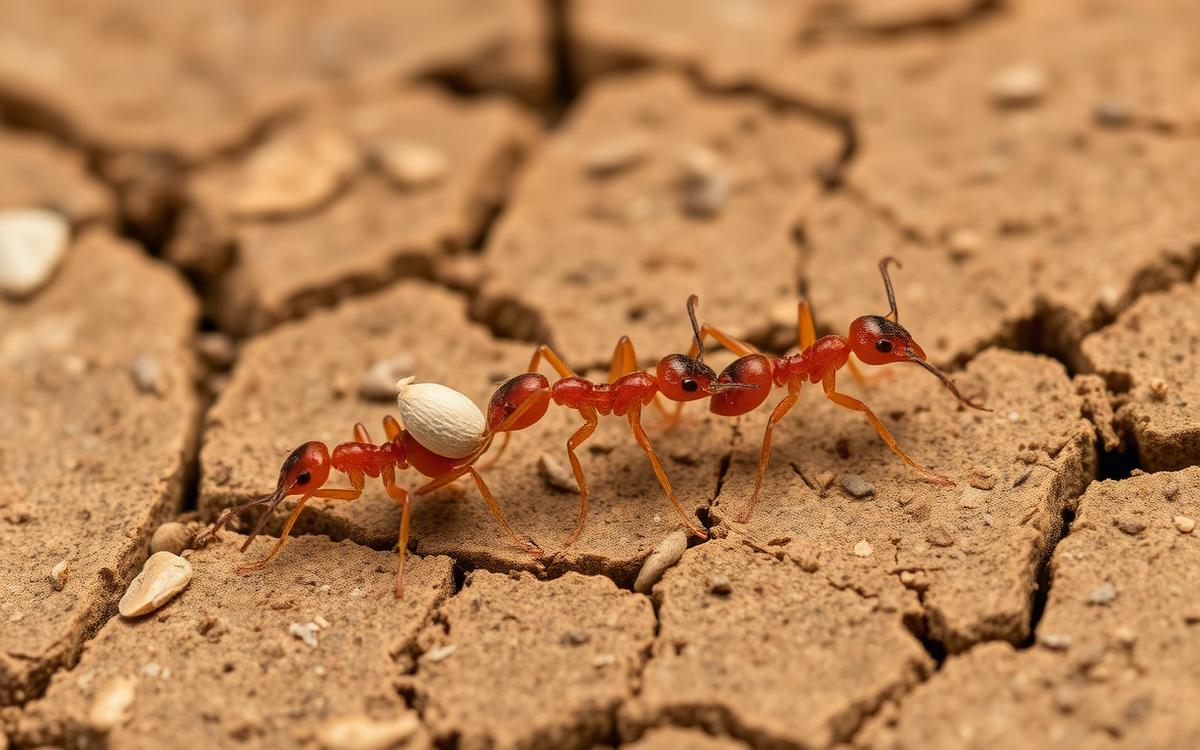
Fire ants, especially the invasive red imported fire ant (Solenopsis invicta), are among the most medically significant stinging insects in the southern United States simply because of how often people encounter them. A disturbed mound can release hundreds of ants within seconds, and each ant can sting repeatedly, gripping the skin with its mandibles and pivoting to deliver several stings in a small area. The result is a distinctive cluster of burning welts that develop into fluid-filled, then pus-filled, blisters over the following day.
Most fire ant stings are painful but manageable with home care. The real medical concern is the small percentage of people who develop a significant allergic reaction, which can range from large local swelling to full-body anaphylaxis. Knowing the normal progression of a sting helps you recognize quickly when something has gone beyond typical.
What Happens After a Sting
Fire ant venom is unusual among stinging insects because it is composed mostly of alkaloids rather than the protein-heavy venom of bees and wasps, which is why it produces such a distinctive burning sensation immediately on contact.
- Immediate: Sharp burning or stinging pain at each sting site
- Within 20 minutes: Raised, itchy welts (similar to hives) appear
- 8–24 hours: Welts develop into characteristic cloudy, fluid-filled pustules
- 3–10 days: Pustules dry out and crust over as the skin heals
- Occasionally: Scarring or secondary infection if pustules are scratched open
Home Treatment
- Move away from the mound immediately and brush off any remaining ants rather than swatting, which can trigger more stings
- Wash the affected area with soap and water
- Apply a cold compress to reduce swelling and pain
- Use an antihistamine and hydrocortisone cream to control itching
- Leave pustules intact; popping them increases the risk of infection and scarring
Why You Should Not Pop the Pustules
The pustule that forms after a fire ant sting is sterile and part of the body's normal inflammatory response to the venom's alkaloid compounds. Breaking it open introduces bacteria from the skin surface and significantly raises the risk of a secondary bacterial infection that can be more serious than the sting itself.
Recognizing an Allergic Reaction
A small number of people, particularly those who have been stung many times over the years, develop a genuine allergy to fire ant venom. This can manifest as a large local reaction, where swelling spreads well beyond the sting site, or as systemic anaphylaxis affecting the whole body.
- Hives or swelling appearing away from the sting site
- Swelling of the lips, tongue, throat, or face
- Difficulty breathing, wheezing, or a tight feeling in the chest
- Dizziness, rapid heartbeat, or a sudden drop in blood pressure
- Nausea, vomiting, or abdominal cramping following the sting
Editor's note: Anaphylaxis is a medical emergency. Use an epinephrine auto-injector if available and call emergency services immediately, even if symptoms initially seem mild.
Who Is Most at Risk
Children playing outdoors, gardeners, and anyone in the southeastern and south-central United States is at elevated risk simply due to geographic overlap with the red imported fire ant's range, which has expanded steadily since its introduction from South America in the early 20th century.
People with known venom allergies, and those who have previously had a large local reaction to a fire ant sting, should discuss carrying an epinephrine auto-injector with their doctor, since reaction severity can escalate with repeated exposure.
Preventing Fire Ant Stings
- Wear closed shoes and long pants when walking through grassy or wooded areas in fire ant territory
- Watch for characteristic dome-shaped mounds in lawns, fields, and along sidewalks
- Treat known mounds with ant bait products rather than disturbing them directly
- Teach children to recognize and avoid mounds, especially after rain when ants become more active near the surface
Key takeaways
- Fire ants sting repeatedly in one attack, creating clusters of burning welts
- Pustules that form within a day are a normal, sterile response — do not pop them
- Fire ant venom is alkaloid-based, unlike the protein-rich venom of bees and wasps
- A small percentage of people develop true allergy, which can progress to anaphylaxis
- Anyone with facial swelling, breathing trouble, or dizziness after a sting needs emergency care
Frequently asked questions
How long do fire ant stings take to heal?+
The pustules typically dry out and crust over within 3 to 10 days, though full healing and fading of any marks can take a few weeks.
Is it normal for fire ant stings to turn into blisters?+
Yes, the progression from welt to cloudy pustule is the typical, expected response to fire ant venom and is not itself a sign of infection.
Can you be allergic to fire ants without knowing it?+
Yes, allergy can develop after repeated stings over time, so someone who tolerated stings fine in the past could have a more severe reaction later in life.
Should I put toothpaste or bleach on a fire ant sting?+
These home remedies have no proven benefit and can irritate the skin further; soap, water, cold compresses, and antihistamines are better supported options.
How many times can one fire ant sting you?+
A single fire ant can sting multiple times in one encounter because it anchors itself with its mandibles and pivots to sting repeatedly.