Wildlife Safety & First Aid · Supporting guide
From Venom to Vials: The Medicines Born From Deadly Toxins
Some of the most effective drugs on pharmacy shelves started as deadly venom — here's how researchers turn toxins into treatments.
 By Mahmoud OsamaSenior Wildlife Researcher & Editor-in-ChiefPublished 18 October 2025 · Updated 18 October 2025 · 7 min read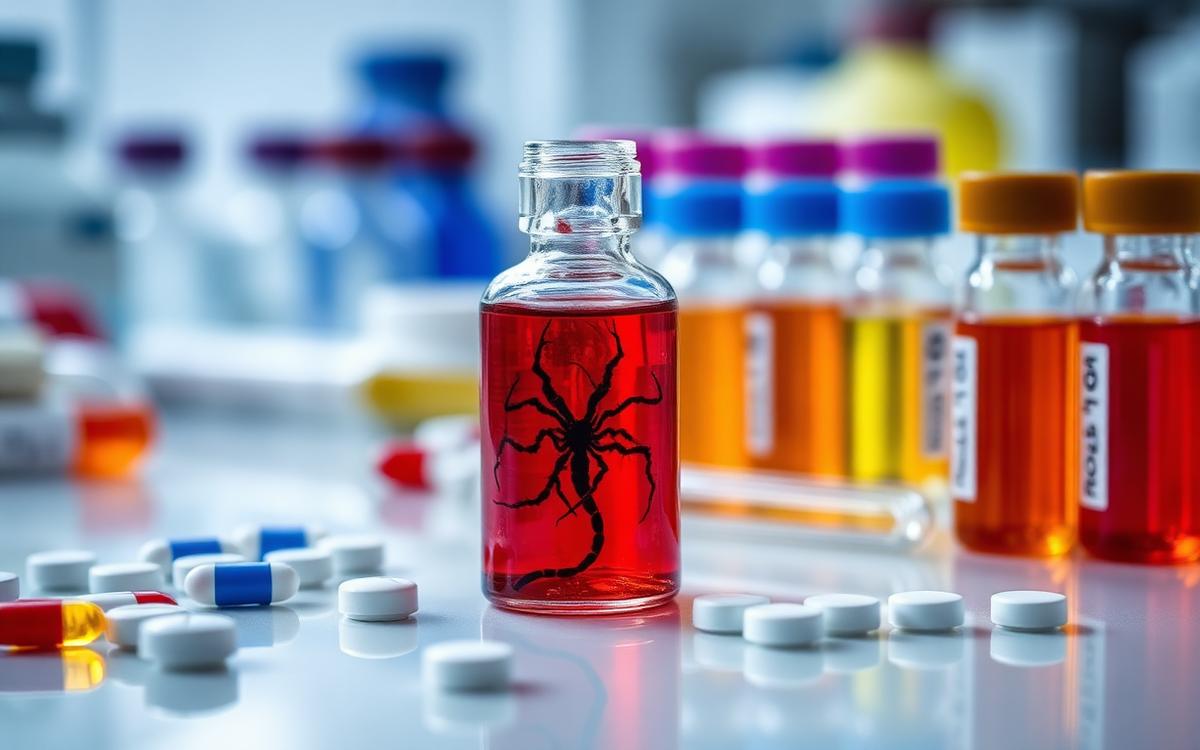
Reviewed against primary toxinology literature and IUCN assessments. This article is educational and is not medical advice — in an emergency contact your local poison centre or emergency services.
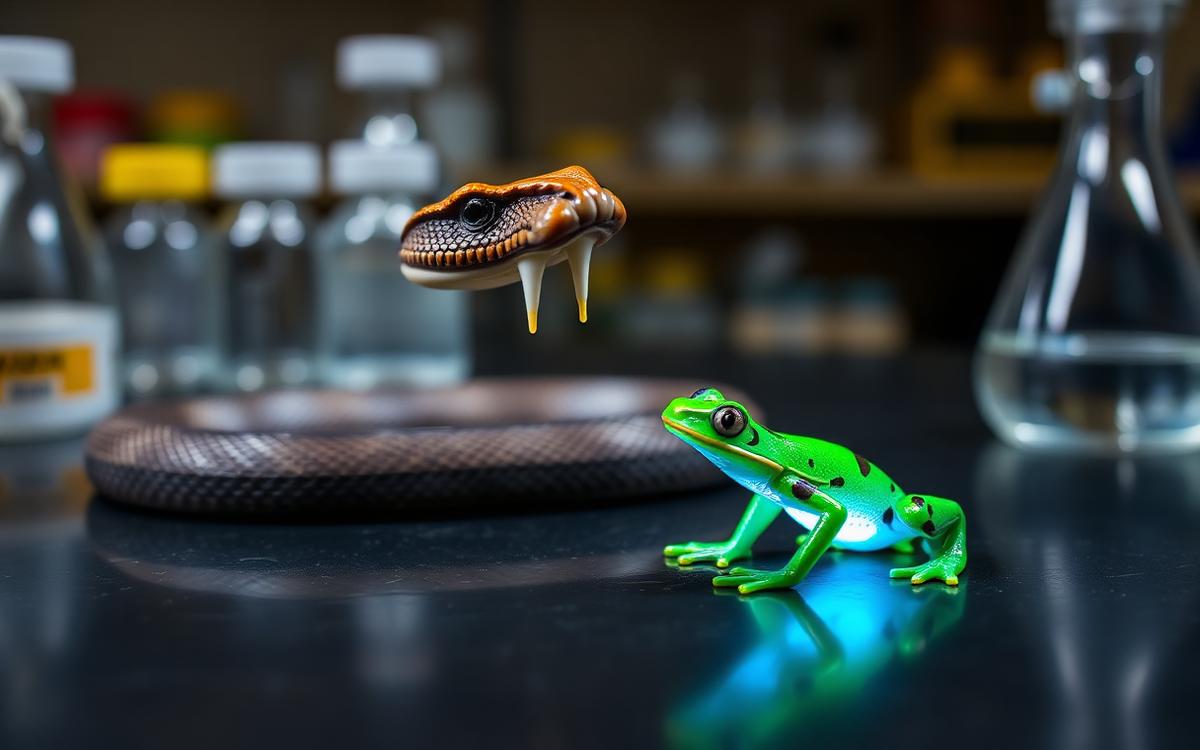
It sounds paradoxical: some of the deadliest substances in nature have become the basis for medicines that save lives every day. Venom is, at its core, a highly refined cocktail of bioactive molecules that evolved over millions of years to target specific physiological processes with extreme precision — exactly the kind of specificity drug developers spend decades trying to engineer from scratch.
This article surveys several well-documented venom-derived drugs, explains the general process researchers use to turn toxins into treatments, and looks at where this field of "venom-to-drug" research is headed next.
Why Venom Makes Good Drug Material
Venom peptides are shaped by evolutionary pressure to bind with extreme precision to specific receptors, ion channels, or enzymes in prey. That same precision is exactly what pharmaceutical researchers look for when designing drugs meant to act on a single target without broadly disrupting other body systems.
Because venom components are typically small peptides rather than large proteins, they can sometimes be synthesized or modified more easily than other biological drug candidates, though delivery (many peptides break down if taken orally) remains a persistent challenge.
Documented Success Stories
- Captopril — derived from the venom of the Brazilian pit viper (Bothrops jararaca), this was one of the first venom-derived drugs, used to treat high blood pressure by inhibiting an enzyme involved in blood vessel constriction.
- Ziconotide (Prialt) — derived from the venom of the magician's cone snail, used as a powerful non-opioid pain reliever for chronic severe pain, administered via spinal injection.
- Exenatide (Byetta) — based on a compound found in Gila monster venom, used to help regulate blood sugar in type 2 diabetes.
- Batroxobin — from pit viper venom, used in some countries as a hemostatic agent to help control bleeding.
Each of these drugs works by exploiting the venom's original biological function — blood pressure disruption, pain-signal blocking, or blood clotting interference — repurposed to a therapeutic dose and delivery method.
How Venom Becomes a Drug
From Milking to Molecule
The process typically starts with venom "milking" — safely extracting venom from a live animal — followed by chromatography and mass spectrometry to isolate and identify individual peptides or proteins within the complex mixture.
Promising candidate molecules are then tested for their specific biological activity, refined structurally to improve stability or reduce side effects, and eventually synthesized in a lab rather than sourced from live animals, since natural venom yield is far too limited for commercial drug production.
What's Being Researched Now
Researchers are currently investigating venom-derived compounds for potential use in treating certain cancers, autoimmune conditions, and even antibiotic-resistant infections. Scorpion venom peptides, for example, are being studied for their potential to bind selectively to tumor cells, which could aid in more precise cancer imaging and targeted therapy.
Cone snail venom remains one of the richest areas of ongoing research, given the enormous diversity of toxins across hundreds of species, each potentially offering a novel therapeutic mechanism still waiting to be characterized.
Caveats and Realistic Expectations
Despite promising headlines, the path from a lab discovery to an approved drug is long, expensive, and has a high failure rate — this is true of venom-derived compounds just as it is for any other drug candidate. Most publicized "venom could cure cancer" studies represent early-stage lab or animal research, not near-term treatments.
Editor's note: No one should attempt to use raw venom therapeutically outside of approved, clinically tested pharmaceutical products. Untreated venom exposure is dangerous and unpredictable.
Key takeaways
- Venom's evolutionary precision at targeting specific biological pathways makes it valuable for drug development.
- Captopril, derived from pit viper venom, became a major blood pressure medication.
- Ziconotide, from cone snail venom, treats severe chronic pain without opioid mechanisms.
- Exenatide, based on Gila monster venom, helps manage type 2 diabetes.
- Turning venom into medicine requires years of isolation, testing, and synthetic replication — not raw venom use.
Frequently asked questions
Is it safe to use raw snake venom as medicine?+
No. All approved venom-derived medications are highly purified, synthesized, and dosed precisely in clinical settings — raw venom is dangerous and unpredictable.
What was the first major venom-derived drug?+
Captopril, developed from Brazilian pit viper venom in the 1970s, is widely considered one of the first successful venom-derived pharmaceuticals.
Are cone snails used to make current medications?+
Yes, ziconotide (marketed as Prialt) is derived from cone snail venom and is used as a non-opioid treatment for severe chronic pain.
Can venom cure cancer?+
Some venom compounds are being researched for cancer-related applications like targeted cell binding, but no venom-derived cancer cure is currently approved for clinical use.