Wildlife Safety & First Aid · Cornerstone guide
Venom vs. Poison: What's the Real Difference?
Venom and poison are often used interchangeably, but the distinction comes down to one thing: how the toxin gets into you.
 By Mahmoud OsamaSenior Wildlife Researcher & Editor-in-ChiefPublished 5 September 2025 · Updated 5 September 2025 · 7 min read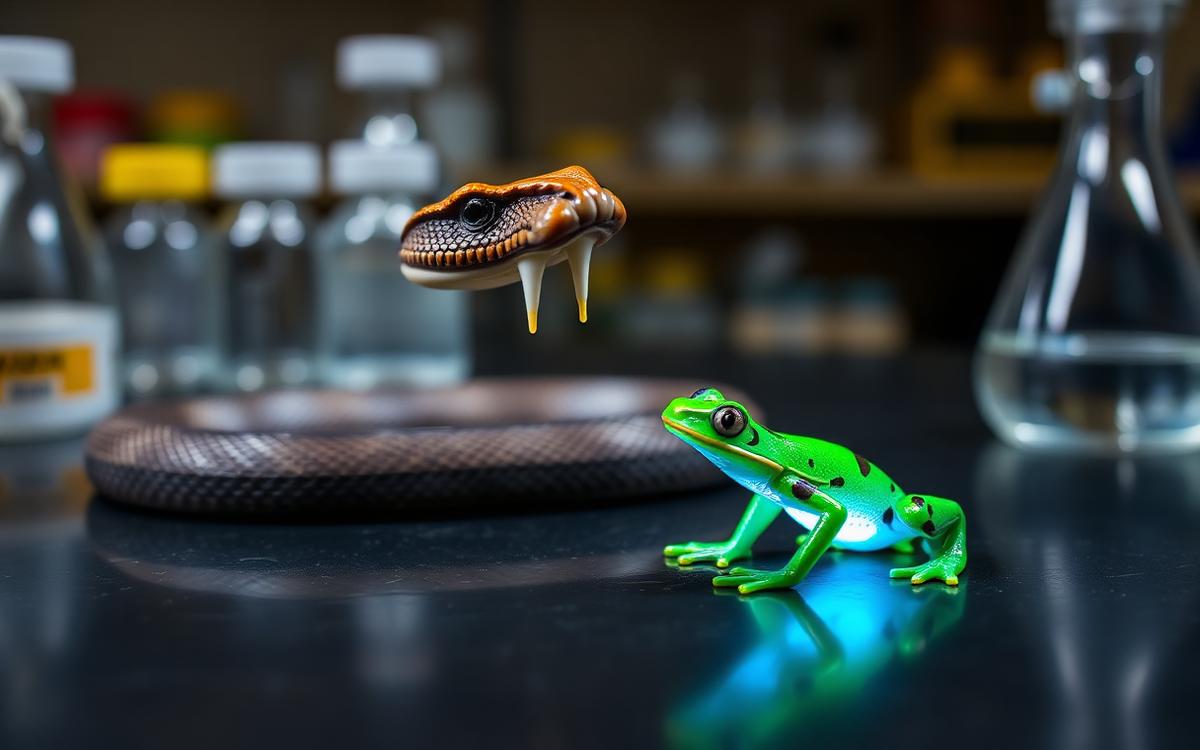
Reviewed against primary toxinology literature and IUCN assessments. This article is educational and is not medical advice — in an emergency contact your local poison centre or emergency services.
Every year, headlines and classroom debates alike stumble over the same mix-up: is a creature "venomous" or "poisonous"? The two words get swapped constantly, but toxinologists draw a firm line between them based on a single question — how does the toxin enter the victim's body?
Understanding this distinction is not just pedantry. It shapes how we identify risk in the wild, how antivenom is developed, and how we talk about animals accurately in science communication. This guide breaks down the mechanics, gives clear examples, and clears up the gray areas that trip up even seasoned nature enthusiasts.
The Core Definitions
Venom is a toxin that an animal actively injects into another organism, usually through a specialized delivery mechanism such as fangs, stingers, spines, or barbs. The key word is "injects" — venom requires a wound or puncture to take effect.
Poison, by contrast, is a toxin that causes harm through passive contact, ingestion, or inhalation. A poisonous animal does not need to bite or sting you; touching its skin or eating it is enough to cause harm.
A Simple Rule of Thumb
If it bites or stings you and you get hurt, it's likely venomous. If you bite or touch it and you get hurt, it's likely poisonous. Some species, confusingly, are both.
Real-World Examples
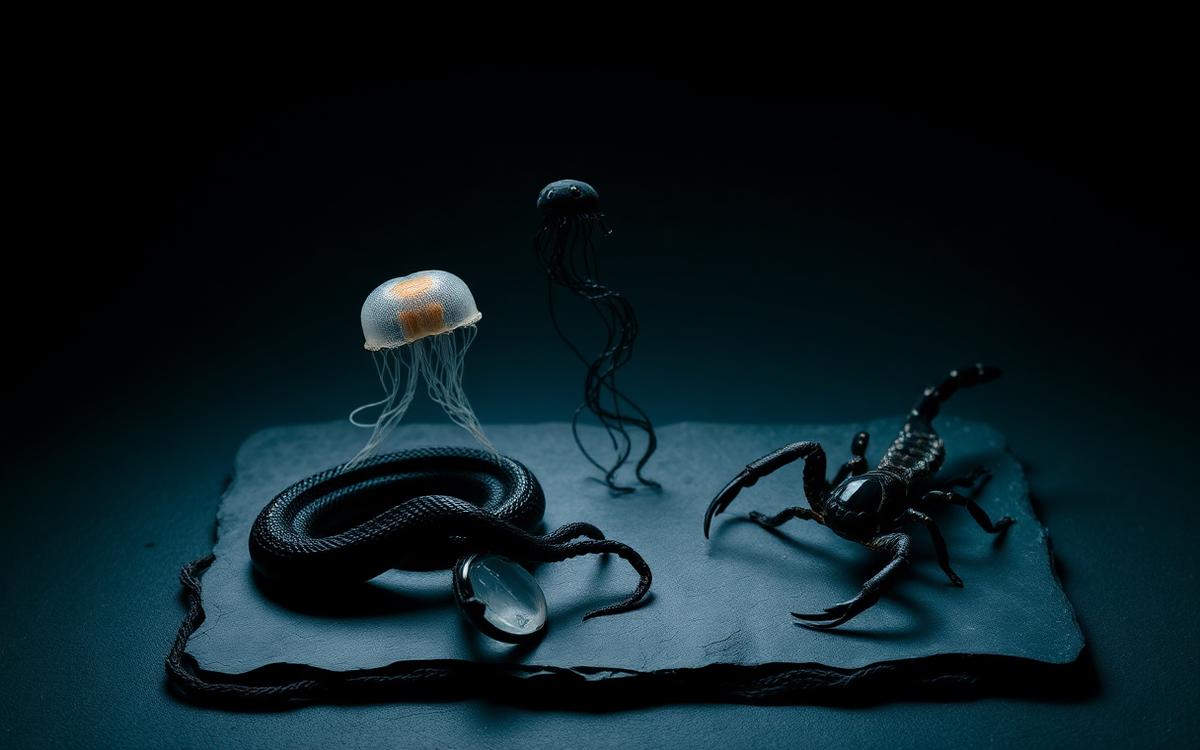
- Venomous: rattlesnakes, cone snails, scorpions, bees, box jellyfish — all deliver toxins via a mechanical injection system.
- Poisonous: poison dart frogs, pufferfish, many toads, and some caterpillars — harmful only through touch or ingestion.
- Both: the Asian tiger keelback snake sequesters toxins from toads it eats (poisonous) while also possessing venomous fangs.
- Neither: most "toxic" plants technically fall under a broader toxin category since they lack the animal-specific venom/poison framework.
The platypus is a rare mammalian example of venom — males have ankle spurs that deliver a painful, non-lethal-to-humans venom, likely used in male-to-male competition during breeding season.
Why the Distinction Matters
Medical response differs sharply between venomous and poisonous exposures. Envenomation typically calls for wound management, immobilization, and possibly antivenom, while poisoning calls for decontamination, activated charcoal, or supportive care depending on route of exposure.
Editor's note: Never attempt to identify a species solely to decide on treatment. Call poison control or emergency services immediately and describe the animal if it's safe to do so.
Journalists and educators who conflate the terms can inadvertently mislead the public about actual risk — for instance, calling a harmless poisonous frog "venomous" might cause people to underestimate the real danger of handling it versus eating it.
Gray Areas and Edge Cases
Some organisms defy tidy categorization. Certain fish, like stonefish and lionfish, have venomous spines but are also safe to eat once properly cleaned, since the venom is isolated to specific tissue. Blue-ringed octopuses are venomous when they bite but their tetrodotoxin can also cause harm if ingested improperly prepared, blurring the line further.
Slow lorises are the only venomous primates known, producing a toxin in a brachial gland on their arm that they mix with saliva before biting — a delivery method combining glandular secretion with an injection mechanism.
Getting the Language Right
Precision matters in science writing. Using "venomous snake" and "poisonous mushroom" correctly keeps communication clear, especially in emergency contexts where accurate terminology can speed up correct treatment.
- Say "venomous" for animals that inject toxins via bite, sting, or spine.
- Say "poisonous" for organisms harmful through touch or ingestion.
- When unsure, describe the mechanism directly: "this toxin is delivered through..."
Key takeaways
- Venom is injected via a delivery mechanism like fangs or stingers; poison is absorbed through touch or ingestion.
- Some animals, like certain snakes, can be both venomous and poisonous.
- The platypus and slow loris are rare examples of venomous mammals.
- Treatment protocols differ significantly between envenomation and poisoning cases.
- Precise terminology improves safety communication and reduces public confusion.
Frequently asked questions
Can a spider be poisonous instead of venomous?+
Nearly all spiders are venomous, not poisonous, because they inject toxin via fangs. Eating a spider that bit you would not typically poison you the way eating a poisonous frog would.
Is a jellyfish venomous or poisonous?+
Jellyfish are venomous. Their tentacles carry nematocysts that inject toxin on contact, which is a form of injection even without a bite.
Why do people confuse the two terms so often?+
Popular media has used them interchangeably for decades, and both refer to biological toxins, so the distinction based on delivery mechanism is easy to overlook.
Are all mushrooms considered poisonous or a separate category?+
Toxic mushrooms are classified as poisonous because harm occurs through ingestion, not injection.