Marine Venomous Life · Supporting guide
Irukandji Syndrome: The Delayed, Devastating Jellyfish Reaction
A sting from a jellyfish barely bigger than a fingernail can trigger Irukandji syndrome, a delayed cascade of pain, vomiting, and cardiovascular danger.
 By Mahmoud OsamaSenior Wildlife Researcher & Editor-in-ChiefPublished 20 October 2025 · Updated 20 October 2025 · 7 min read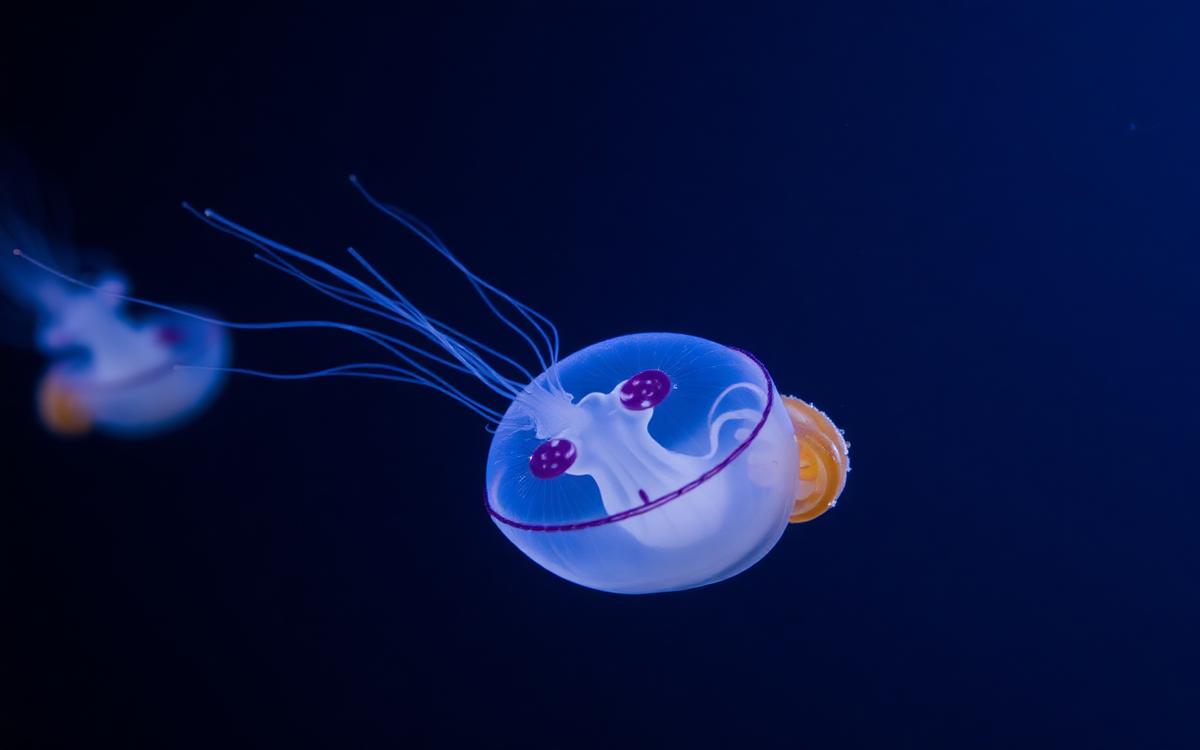
Reviewed against primary toxinology literature and IUCN assessments. This article is educational and is not medical advice — in an emergency contact your local poison centre or emergency services.
Irukandji syndrome is named for an Aboriginal Australian people from the region near Cairns, where the condition was first documented. It is caused by the sting of several small box jellyfish species, most notably Carukia barnesi, whose bell can be as small as a thumbnail and whose sting may barely register at the moment of contact.
The real danger emerges 20 minutes to several hours later, when a delayed and escalating syndrome of severe muscle pain, vomiting, anxiety, and dangerous spikes in blood pressure sets in. Because the jellyfish are nearly transparent and drift in open water, swimmers often have no warning before the sting or its delayed aftermath.
A Nearly Invisible Threat
Irukandji jellyfish are a group of small box jellyfish species found mainly in tropical waters off northern Australia, though similar species and reports occur in other parts of the Indo-Pacific.
Their bells often measure less than 2 centimeters across, and their bodies are almost completely transparent, making them nearly impossible to see in open water even under good conditions.
- Carukia barnesi is the best-studied Irukandji-syndrome-causing species
- Tentacles carry stinging cells called nematocysts along their length
- Stings frequently occur during the Australian wet season, roughly November to May
The Delayed Onset That Defines the Syndrome
A Sting That Doesn't Feel Dangerous at First
The initial sting is often mild, described as a minor prick or itch, and many victims continue swimming or return to shore without concern. This deceptive mildness is part of what makes Irukandji syndrome so dangerous.
Full-blown symptoms typically appear 20 to 40 minutes later, though onset can range from immediate to several hours, and can escalate quickly into a medical emergency.
Recognizing Irukandji Syndrome
- Severe lower back and abdominal pain
- Nausea, vomiting, and profuse sweating
- Anxiety, restlessness, and a feeling of impending doom
- Dangerous spikes in blood pressure and heart rate
- In rare severe cases, cardiac complications including heart failure or brain hemorrhage
Editor's note: The combination of severe pain and catecholamine surge places real strain on the cardiovascular system, which is the main source of danger in significant cases.
Emergency Response and Hospital Care
Anyone suspected of an Irukandji sting, even if the initial reaction seems minor, should be taken to a hospital for observation, since the delayed symptoms can escalate rapidly.
- Rinse the sting site with vinegar to deactivate any unfired nematocysts
- Seek emergency medical care even if symptoms initially seem mild
- Hospital treatment focuses on pain control and blood pressure management
- Intensive monitoring is used for cases with cardiovascular involvement
There is no specific antivenom widely available for Irukandji syndrome, so hospital management relies on aggressive symptomatic and supportive treatment, including opioid analgesia and antihypertensive medication when needed.
Reducing Your Risk in Irukandji Waters
Full-body stinger suits offer meaningful protection, as most stings occur on exposed skin. Local beach warning flags and stinger nets during the wet season are important safety signals in affected regions of northern Australia.
Because the jellyfish are so hard to see, swimmers in known Irukandji regions should heed local advisories closely, particularly during peak season.
Key takeaways
- Irukandji syndrome is caused by small, nearly transparent box jellyfish stings
- Initial stings often feel mild, but severe symptoms develop 20 minutes to hours later
- Symptoms include severe pain, vomiting, anxiety, and dangerous blood pressure spikes
- There is no dedicated antivenom; treatment is hospital-based supportive care
- Stinger suits and local beach advisories reduce risk in affected waters
Frequently asked questions
How long after a sting do Irukandji symptoms start?+
Symptoms typically begin 20 to 40 minutes after the sting, though onset can range from nearly immediate to several hours later.
Can Irukandji syndrome be fatal?+
Deaths are rare but have been reported, generally linked to severe cardiovascular complications like heart failure or brain hemorrhage from extreme blood pressure spikes.
Is there an antivenom for Irukandji stings?+
No widely available antivenom exists; treatment focuses on pain control and managing blood pressure and cardiovascular symptoms in a hospital setting.
Where are Irukandji jellyfish found?+
They are found mainly in tropical waters off northern Australia, particularly during the wet season, though related species occur elsewhere in the Indo-Pacific.
How can I protect myself from Irukandji stings?+
Wearing a full-body stinger suit, following local beach warnings, and swimming in netted areas during stinger season significantly reduce risk.