Venomous Insects · Supporting guide
Yellowjacket vs. Paper Wasp: How to Tell Them Apart and Why It Matters
Yellowjackets and paper wasps are frequently confused, but their nesting habits and aggression levels differ enough that correct identification changes how you should respond.
 By Mahmoud OsamaSenior Wildlife Researcher & Editor-in-ChiefPublished 10 November 2025 · Updated 10 November 2025 · 7 min read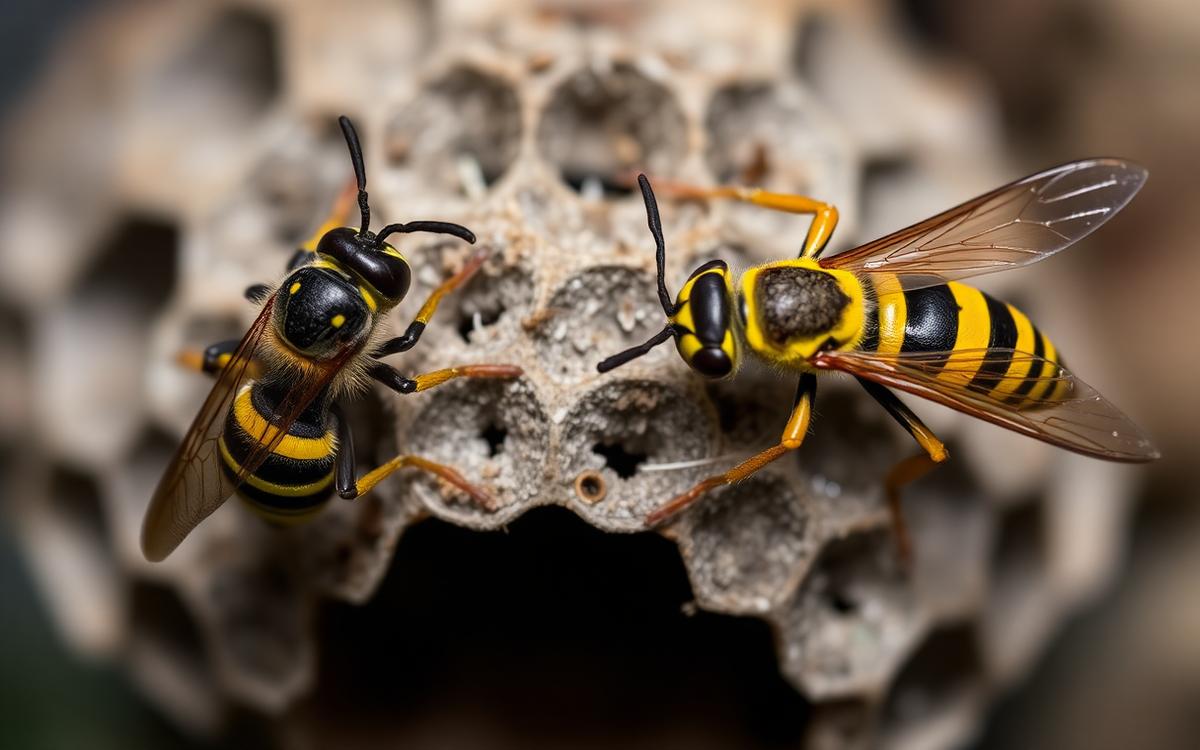
Reviewed against primary toxinology literature and IUCN assessments. This article is educational and is not medical advice — in an emergency contact your local poison centre or emergency services.
Yellowjackets and paper wasps are both common backyard stinging insects in the family Vespidae, and both can deliver a painful, repeatable sting, but they differ meaningfully in appearance, nesting behavior, and temperament. Confusing the two often leads people to either underestimate an aggressive yellowjacket colony or unnecessarily destroy a relatively docile paper wasp nest that was posing little threat.
Because both insects become more active — and more likely to sting — in late summer and early fall as colonies reach peak size and food sources dwindle, this is also the time of year when correct identification matters most for deciding whether professional removal is warranted.
Appearance Differences
- Yellowjackets: compact, robust body with bright yellow-and-black bands, short legs held close to the body in flight
- Paper wasps: slender body with a distinctly narrow, elongated waist, longer legs that dangle visibly during flight, and coloring that ranges from brown with yellow markings to reddish-brown
- Yellowjackets fly in quick, darting patterns; paper wasps fly with a more deliberate, hovering style
- Yellowjacket nests are enclosed with a papery outer shell; paper wasp nests are open-faced, resembling an upside-down umbrella of hexagonal cells
The dangling-legs cue is one of the most reliable field marks: a wasp with legs trailing conspicuously below its body in flight is almost always a paper wasp, not a yellowjacket.
Nesting Behavior
Yellowjackets typically nest underground in abandoned rodent burrows, or inside wall voids, attics, and other enclosed cavities, which makes their colonies harder to spot until someone accidentally disturbs one. Colonies can grow to several thousand workers by late summer.
Paper Wasp Nests
Paper wasps build small, open, single-comb nests under eaves, in shrubs, or on outdoor furniture, and colonies rarely exceed a few dozen individuals. Because the nest is visible and out in the open, it is generally easier to notice and avoid before an accidental encounter happens.
Aggression and Sting Risk
Yellowjackets are considerably more defensive and are responsible for the majority of late-summer wasp stings in the United States. They will aggressively defend their nest if disturbed and are also drawn to human food and sugary drinks at outdoor gatherings, leading to stings even away from the nest itself.
- Yellowjackets: highly defensive near the nest, attracted to food and sweet drinks, multiple stings common in an attack
- Paper wasps: generally docile unless the nest itself is directly touched or shaken, less likely to chase
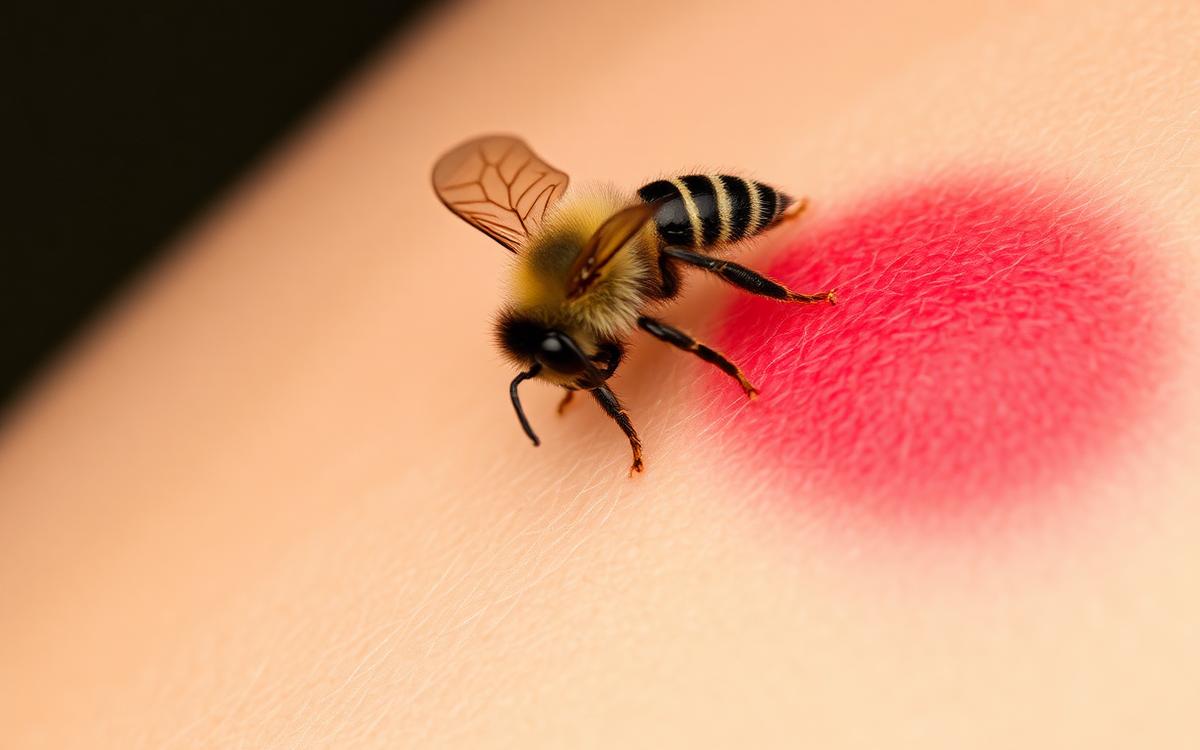
- Both can sting multiple times, unlike honey bees, because neither species loses its stinger
Treating a Sting From Either Species
- Wash the area with soap and water
- Apply a cold compress to reduce swelling and pain
- Take an antihistamine or use hydrocortisone cream for itching
- Watch closely for allergic symptoms such as hives, facial swelling, or breathing difficulty
- Seek emergency care immediately if signs of anaphylaxis appear, regardless of which insect was responsible
Deciding on Nest Removal
A paper wasp nest in a low-traffic area can often be left alone, since the colony is small and the insects are relatively non-aggressive unless directly disturbed. A yellowjacket nest, especially one found in a wall void, attic, or high-traffic area, is a stronger candidate for professional pest control removal given the colony size and defensiveness.
Never attempt to seal, spray, or flood a yellowjacket nest opening yourself without protective equipment; disturbed colonies can send out hundreds of defenders within seconds.
Key takeaways
- Paper wasps have a slender waist and dangling legs in flight; yellowjackets are stockier and fly in quick darting patterns
- Paper wasp nests are open umbrella-shaped combs; yellowjacket nests are enclosed, often underground or in wall voids
- Yellowjackets are more aggressive and are responsible for most late-summer wasp stings
- Neither species loses its stinger, so both can sting multiple times
- Nest removal decisions should factor in species, location, and colony size
Frequently asked questions
Are yellowjackets and wasps the same thing?+
Yellowjackets are a type of wasp in the family Vespidae, but the term "wasp" also includes paper wasps and many other species with different appearances and behaviors.
Why do yellowjackets seem worse in late summer?+
Colonies peak in size by late summer, and as natural food sources dwindle, workers become more aggressive and more drawn to human food and sugary drinks.
Do paper wasps attack in groups?+
They can defend their nest as a group if it is directly disturbed, but they are far less likely to chase or swarm compared to yellowjackets.
Can I tell them apart by nest alone?+
Yes, this is one of the most reliable methods: an open, exposed comb almost always belongs to paper wasps, while an enclosed nest with a papery covering belongs to yellowjackets.
Is a paper wasp sting less painful than a yellowjacket sting?+
Pain levels are broadly similar between the two, though individual experiences vary; the bigger practical difference is how likely each species is to sting multiple times during an encounter.