Venomous Insects · Supporting guide
Assassin Bug Bites: Painful Predators and the Chagas Disease Connection
Assassin bugs use a piercing beak to subdue prey with a painful bite, and one subgroup, the kissing bugs, is medically significant as a vector for Chagas disease.
 By Mahmoud OsamaSenior Wildlife Researcher & Editor-in-ChiefPublished 1 December 2025 · Updated 1 December 2025 · 8 min read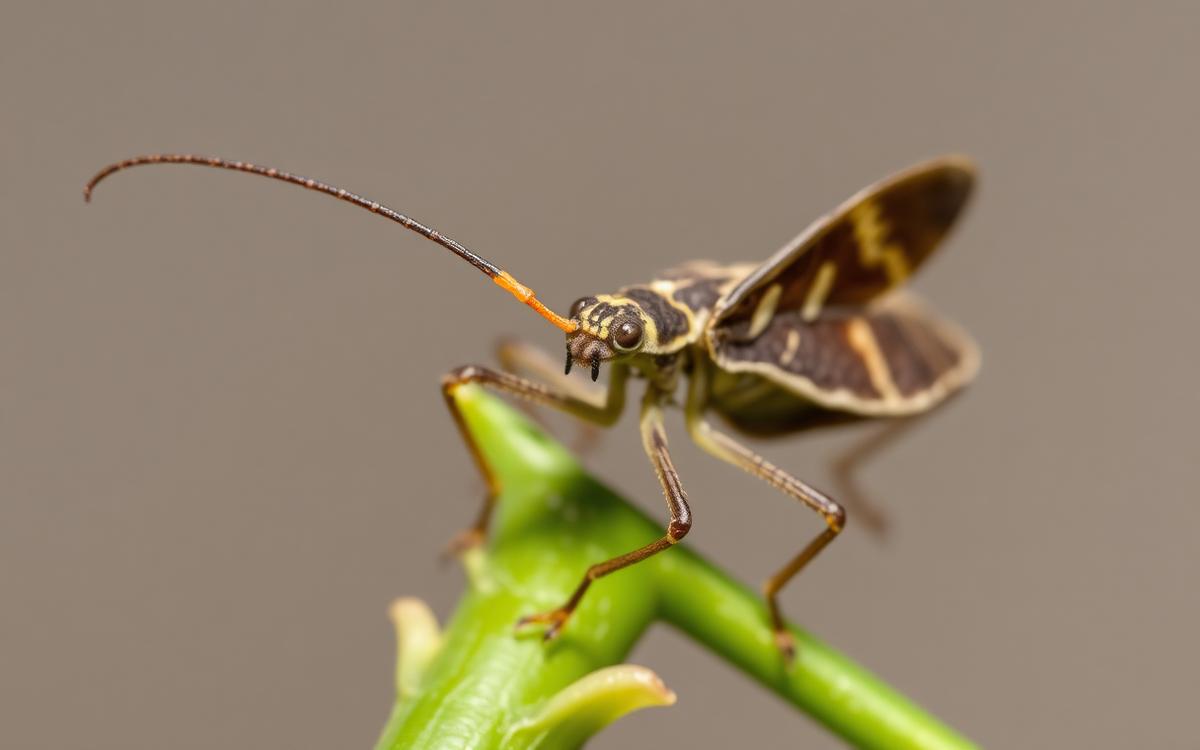
Reviewed against primary toxinology literature and IUCN assessments. This article is educational and is not medical advice — in an emergency contact your local poison centre or emergency services.
Assassin bugs are a large family of true bugs (Reduviidae) named for their predatory habit of ambushing other insects and injecting them with saliva that liquefies internal tissue for feeding. Most assassin bugs are beneficial garden predators that pose little interest in biting humans unless handled or accidentally pressed against skin, but when they do bite defensively, the pain is often described as sharp and immediate, sometimes worse than a bee sting.
A specific subgroup called kissing bugs, or triatomine bugs, carries greater medical significance because they feed on blood, including human blood, typically around the face during sleep, and can transmit the parasite that causes Chagas disease. Distinguishing a typical defensive assassin bug bite from a kissing bug feeding bite matters for assessing real health risk.
What Are Assassin Bugs
Most assassin bug species are ambush predators that feed on other insects, using their curved beak (rostrum) to inject venomous saliva that paralyzes prey and begins external digestion. They are found worldwide and are generally considered beneficial in gardens because they help control pest insect populations.
- Elongated or robust body, often dark brown, black, or patterned
- A distinctive curved, needle-like beak tucked beneath the head when not feeding
- Found on plants, under bark, and in leaf litter, typically hunting other insects
- Bite defensively when handled, trapped in clothing, or accidentally squeezed
Symptoms of a Defensive Bite
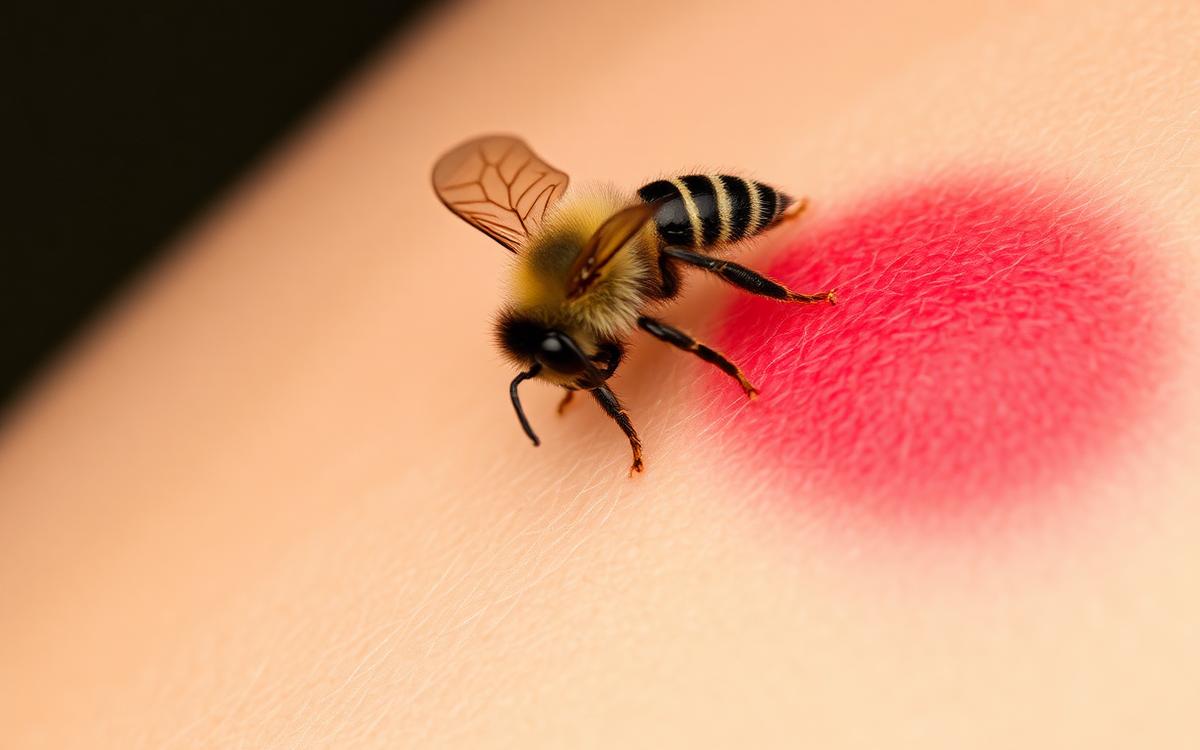
A defensive assassin bug bite delivers a small amount of the same saliva used to subdue prey, causing immediate, sharp, and sometimes surprisingly intense pain at the puncture site.
- Sudden, sharp pain at the moment of the bite
- Localized redness and swelling that can last a day or two
- Occasional itching as the site heals
- Rarely, a larger local allergic swelling in sensitive individuals
First Aid for a Typical Bite
Wash the area with soap and water, apply a cold compress to control swelling, and take an over-the-counter pain reliever if needed. Most defensive bites resolve without complication within a few days, similar to a bee or wasp sting.
Kissing Bugs and Chagas Disease
Kissing bugs (Triatominae) are blood-feeding assassin bugs found throughout the Americas, including the southern United States, Mexico, and Central and South America. Unlike most assassin bugs, they seek out human hosts specifically, often biting near the mouth or eyes during sleep — hence the common name.
The bite itself is often painless, but the bug frequently defecates near the bite site while feeding, and the parasite Trypanosoma cruzi, if present in the bug's feces, can enter the body if the person scratches the bite and inadvertently rubs the feces into the wound or a mucous membrane.
- Chagas disease can cause an acute phase with fever, swelling, and fatigue, which often goes unnoticed or is mistaken for a mild illness
- A chronic phase can develop years later, potentially causing serious heart or digestive complications
- Risk in the US is considered low but is not zero, particularly in southern states with established kissing bug populations
- Diagnosis requires a blood test; treatment is most effective when started in the acute phase
Reducing Your Risk
- Seal cracks around windows, doors, and foundations, especially in rural or semi-rural homes in the southern US
- Use screens on windows and doors in areas where kissing bugs are known to occur
- Avoid sleeping with skin exposed near unscreened openings in endemic regions
- Do not handle unfamiliar bugs found indoors near sleeping areas; capture safely in a container for identification if concerned
- Consult a healthcare provider for testing if you wake with an unexplained bite near the eyes or mouth in a known kissing bug region
When to Seek Medical Care
A typical defensive assassin bug bite rarely requires medical attention beyond basic first aid. However, anyone in a region with known kissing bug activity who develops fever, facial swelling near a bite (sometimes called Romaña's sign), or prolonged fatigue after a suspected bite should seek medical evaluation and mention the possibility of Chagas disease exposure to their doctor.
As always, any bite followed by hives, difficulty breathing, or facial swelling unrelated to a specific eyelid should be treated as a possible allergic reaction and warrants emergency care.
Key takeaways
- Most assassin bugs are beneficial predators that only bite defensively when handled
- Defensive bites are sharply painful but generally resolve within a few days with basic care
- Kissing bugs are a blood-feeding subgroup that can transmit Chagas disease via contaminated feces near a bite
- Chagas disease risk in the US is low but real in parts of the south
- Facial swelling or fever after a suspected kissing bug bite warrants medical evaluation
Frequently asked questions
Do all assassin bugs carry Chagas disease?+
No, only kissing bugs (Triatominae), a specific blood-feeding subgroup, are relevant to Chagas disease transmission, and even among those, not every individual bug carries the parasite.
How does Chagas disease actually spread from a bite?+
It is not the bite itself but the bug's feces, deposited near the bite site during or after feeding, that can carry the parasite into the body if rubbed into the wound or a mucous membrane like the eye.
Is a regular assassin bug bite dangerous?+
For most people, no — it is painful but self-limiting, similar to a bee sting, unless a rare allergic reaction occurs.
How can I tell if a bug in my house is a kissing bug?+
Kissing bugs have a distinctive cone-shaped head, a striped abdomen edge, and are typically found near sleeping areas at night; if suspected, capture it in a sealed container rather than crushing it, since crushing can spread infectious material.
Can Chagas disease be cured?+
Antiparasitic medication is most effective when given during the acute phase shortly after infection; chronic-phase treatment is more limited, which is why early detection matters.