Wildlife Safety & First Aid · Supporting guide
Camping in Snake Country: A Practical Safety Guide
Camping in snake habitat does not have to be stressful. A few practical habits dramatically lower your odds of an unwanted encounter.
 By Mahmoud OsamaSenior Wildlife Researcher & Editor-in-ChiefPublished 25 November 2025 · Updated 25 November 2025 · 7 min read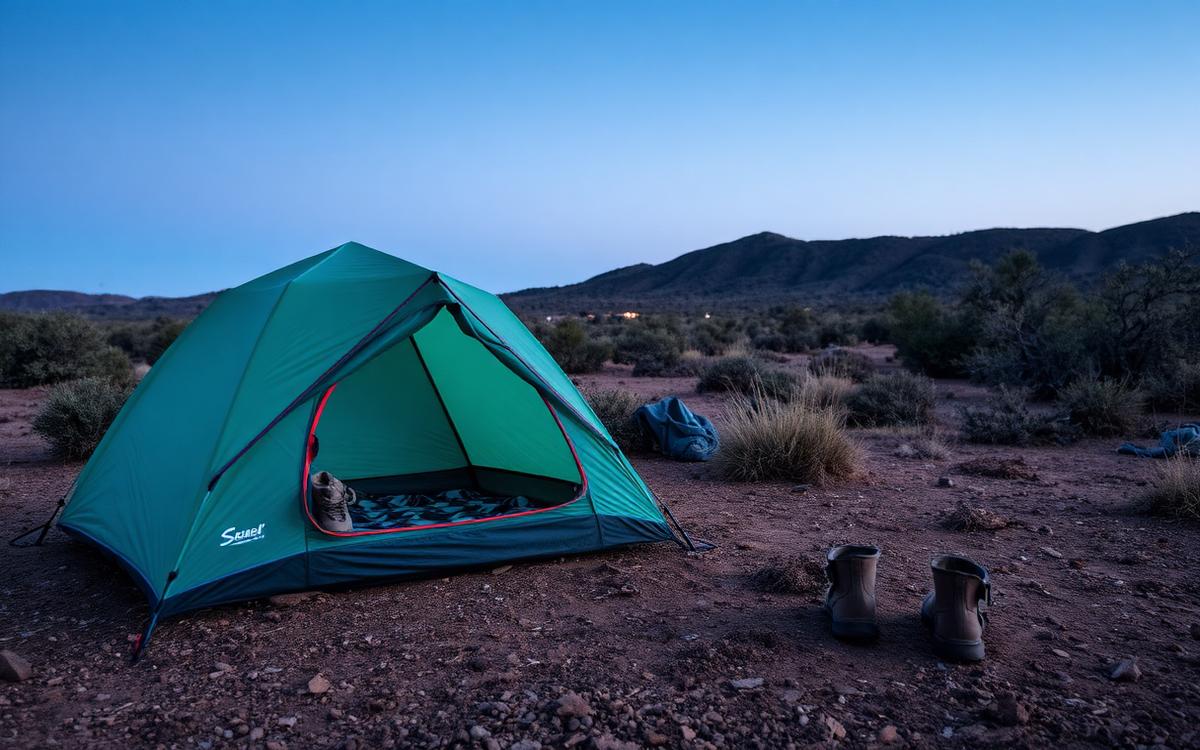
Reviewed against primary toxinology literature and IUCN assessments. This article is educational and is not medical advice — in an emergency contact your local poison centre or emergency services.
Snakes are common in many of the wild places people love to camp and hike, but serious encounters are rare when basic precautions are followed. Snakes are not aggressive by nature; nearly all bites happen when a snake is startled, cornered, or accidentally touched or stepped on, not because it sought out a confrontation.
A little planning around campsite selection, footwear, and nighttime habits goes a long way toward avoiding an unwanted encounter, and knowing what to do if you do see a snake keeps a sighting from turning into an emergency.
Choosing and Setting Up a Campsite
Snakes are drawn to areas offering cover and prey, such as rock piles, brush, tall grass, and woodpiles, as well as spots that attract rodents, like areas with exposed food or trash. Choosing a cleared, well-maintained campsite away from these features reduces the odds of an unnoticed visitor.
- Avoid pitching a tent directly next to rock piles, log piles, or dense brush
- Keep the campsite clear of food scraps and secure trash, which attract rodents that in turn attract snakes
- Shake out sleeping bags, boots, and clothing before use, especially if left outside overnight
- Use a tent with a solid, zippered floor rather than sleeping in the open where practical
Hiking Precautions During the Day
Sturdy, over-the-ankle boots and long pants offer meaningful protection against many bites, which often occur on the lower leg or foot when a snake is accidentally stepped near. Staying on cleared trails rather than bushwhacking through tall grass or leaf litter reduces the chance of surprising a hidden snake.
Watch Where You Place Hands and Feet
Many bites happen when people reach into rock crevices, log piles, or dense vegetation without looking first, often while gathering firewood or climbing over obstacles. Using a hiking pole to probe ahead in tall grass, and looking before placing hands on rocks or logs, adds a valuable buffer.
Nighttime Precautions
Many snake species are most active at dusk and during warm nights, when they hunt or move to thermoregulate. Using a flashlight or headlamp when walking around camp after dark, even for short trips to a bathroom or water source, lets you see and avoid a snake on or near the path.
- Always use a light source at night, even on familiar paths
- Check inside footwear before putting it on in the morning, since snakes may seek warm, sheltered spaces overnight
- Zip tents fully closed rather than leaving flaps open
- Keep pets on a leash near camp, since curious animals are common victims of snakebite
If You Encounter a Snake
The right response to seeing a snake is almost always to freeze briefly, then slowly back away, giving it space and a clear path to retreat. Snakes generally want to avoid confrontation and will move away once they no longer feel threatened or cornered.
Never attempt to handle, move, or kill a snake, even one you believe is non-venomous or already dead; a surprising number of bites occur during these interactions, including from severed heads that retain a reflexive bite response for a short time after death.
Being Prepared Just in Case
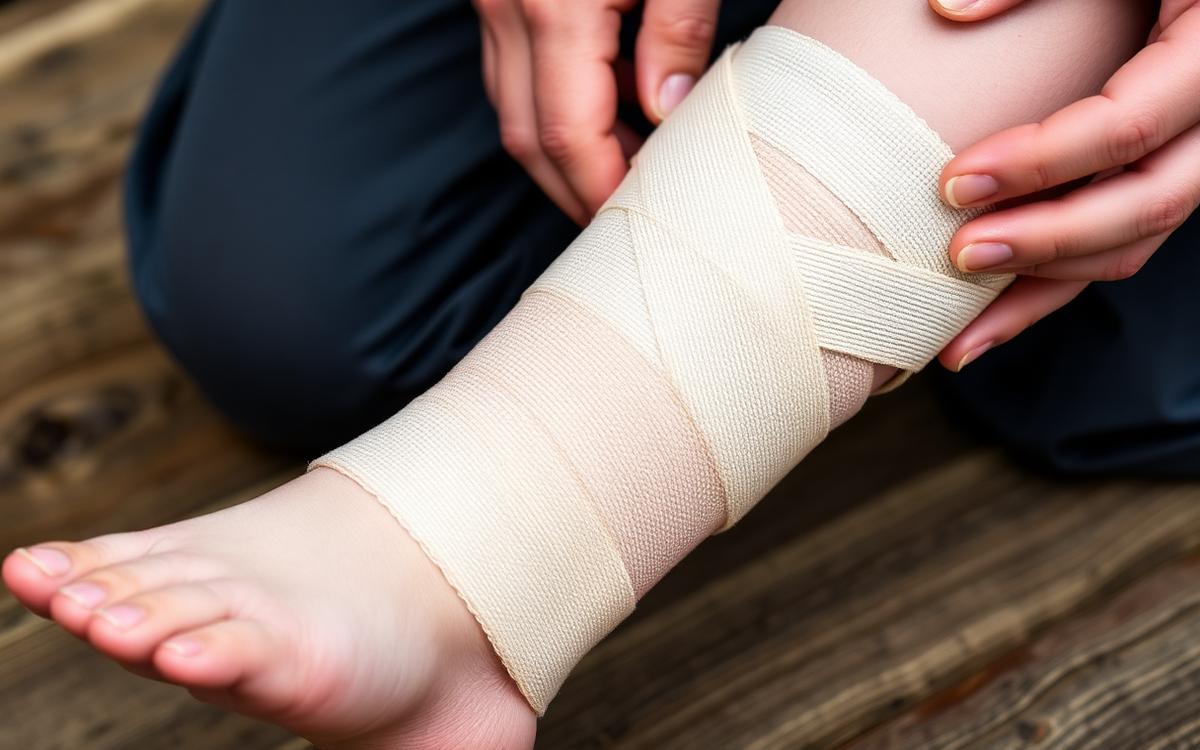
Even with good precautions, it is worth knowing basic snakebite first aid, carrying a way to call for help such as a satellite communicator in remote areas, and knowing the general profile of venomous species in the region you are visiting.
Sharing your itinerary with someone before a remote trip, and knowing the location of the nearest medical facility relative to your route, ensures that if a bite does occur, help can be reached as quickly as possible.
Key takeaways
- Most snakebites happen when a snake is surprised, cornered, or accidentally touched, not from unprovoked aggression
- Choose campsites away from rock piles, brush, and woodpiles, and keep the area free of food waste
- Wear boots and long pants, use a hiking pole in tall grass, and look before placing hands on rocks or logs
- Use a flashlight at night and check shoes before putting them on
- If you see a snake, freeze, then slowly back away and give it room to leave
Frequently asked questions
Are snakes more active in hot weather or cool weather?+
Many species are most active in warm but not extreme temperatures, often shifting activity to dawn, dusk, or night during the hottest part of summer.
Do snake repellent products actually work?+
Evidence for commercial snake repellents is weak; the most reliable prevention is habitat management and careful personal habits rather than repellent products.
Should I bring a snakebite kit with a suction device?+
Suction devices are not recommended by medical authorities, as they remove negligible venom and can worsen tissue damage. Focus instead on prevention and evacuation planning.
Is it true a dead snake can still bite?+
Yes, a reflexive bite response can persist briefly after death, so dead snakes should still be treated with caution and not handled directly.
Can snakes climb into tents?+
It is uncommon but not impossible, especially if a tent flap is left open or the site is near suitable habitat, which is why zipping tents fully closed is recommended.