Wildlife Safety & First Aid · Supporting guide
Protecting Children From Stings and Bites Outdoors
Children explore the outdoors with curious hands, making age-appropriate precautions around stings, ticks, and snakes especially important.
 By Mahmoud OsamaSenior Wildlife Researcher & Editor-in-ChiefPublished 10 December 2025 · Updated 10 December 2025 · 7 min read
Reviewed against primary toxinology literature and IUCN assessments. This article is educational and is not medical advice — in an emergency contact your local poison centre or emergency services.
Children often explore the outdoors with their hands before their caution catches up, poking at insects, turning over logs, and wandering into tall grass without a second thought. This natural curiosity is part of healthy outdoor play, but it also puts them at higher exposure to stings, tick bites, and occasionally venomous animal encounters than more cautious adults.
The goal is not to instill fear of the outdoors, which has real developmental and health benefits for children, but to build a few consistent habits and to know which symptoms after a sting or bite call for prompt medical attention, since children can react differently than adults to venom and allergens.
Before Heading Outdoors
- Dress children in closed-toe shoes, long pants, and light-colored clothing that makes ticks easier to spot
- Apply an age-appropriate, EPA-registered insect repellent according to label instructions for children
- Know whether your child has any known insect sting allergy, and carry a prescribed auto-injector if so
- Teach children early to look but not touch when they see an insect, spider, or snake, and to tell an adult
For very young children, close supervision matters more than instructions they may not yet reliably follow; toddlers in particular should be watched closely near log piles, gardens, and tall grass.
During Outdoor Play
Encouraging children to stay on trails, avoid reaching into holes or under rocks, and avoid disturbing insect nests reduces most preventable incidents. If a wasp or bee is nearby, teaching children to stay calm and walk away slowly, rather than swatting or running, lowers the chance of provoking a sting.
Snake Awareness Without Fear
Rather than framing all snakes as something to panic over, it helps to teach children a simple, calm rule: if you see a snake, stop, back away, and tell an adult. This approach builds respect and safe distance without creating lasting fear of normal outdoor exploration.
After Outdoor Time
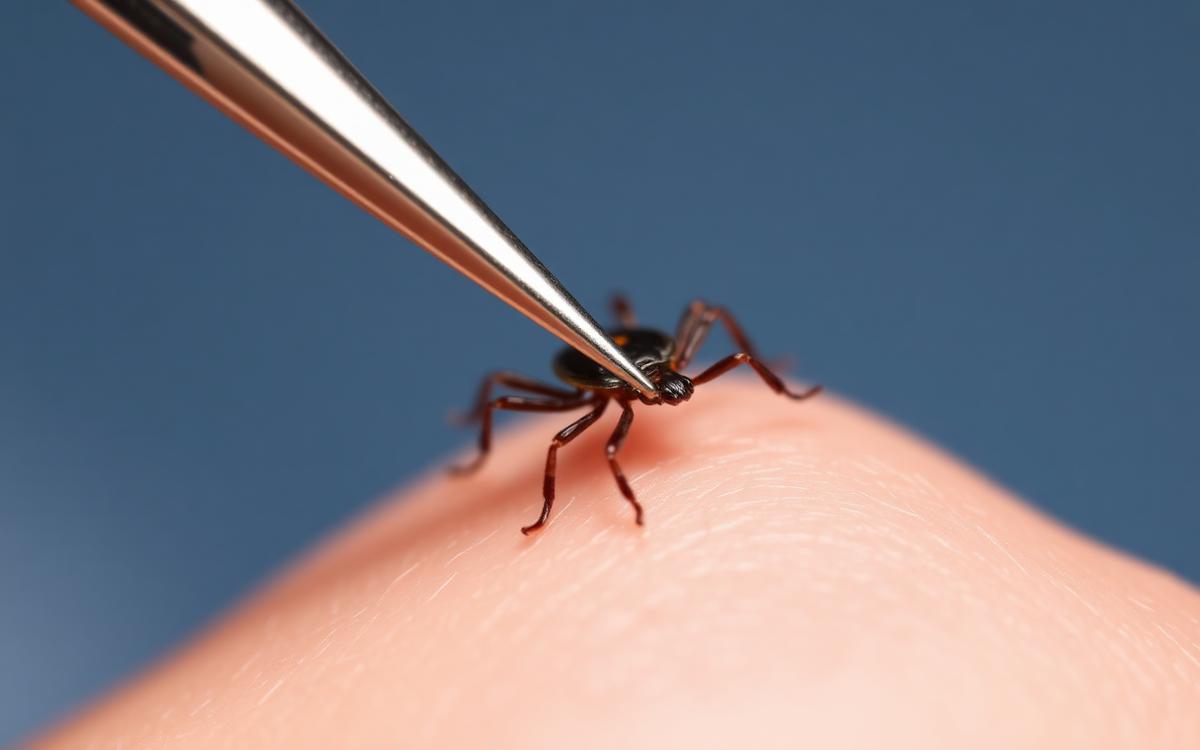
A full-body tick check is one of the most valuable habits after any time in grass, brush, or wooded areas, paying particular attention to the scalp, behind the ears, underarms, and waistband, since children may not notice or mention a tick themselves.
Checking clothing and shoes for ticks before bringing them back inside, and washing outdoor clothes promptly, further reduces the odds of a tick going unnoticed until it has attached.
Responding to a Sting or Bite
For a typical insect sting, remove any visible stinger by scraping it out sideways rather than pinching it, wash the area, and apply a cold compress to reduce swelling and pain. Over-the-counter pain relief appropriate for the child's age and weight can help with discomfort.
- Watch closely for hives, swelling of the face or lips, difficulty breathing, or unusual sleepiness after any sting, which can indicate a severe allergic reaction
- Seek immediate emergency care for any of these signs, and use a prescribed auto-injector without delay if one is available
- For a suspected venomous spider or snake encounter, keep the child calm and still, and seek medical evaluation promptly even if the child seems fine initially
- Note the time of the sting or bite and any changes in symptoms to report to a healthcare provider
Building Lasting Good Habits
Children who grow up with calm, consistent messages about respecting wildlife, rather than fear-based warnings, tend to carry safer habits into adolescence and adulthood without losing their enthusiasm for the outdoors.
Involving children in age-appropriate ways, such as helping do a tick check together or learning to identify a few local plants and animals, turns safety habits into shared routines rather than rules imposed on them.
Key takeaways
- Closed-toe shoes, appropriate repellent, and light clothing reduce sting and tick exposure for children
- Teach a simple stop-back away-tell an adult rule for snake or unfamiliar insect encounters
- Full-body tick checks after outdoor time are especially important since children may not notice a tick themselves
- Facial swelling, hives, breathing difficulty, or unusual sleepiness after a sting require immediate emergency care
- Calm, consistent safety habits build lasting respect for wildlife without discouraging outdoor play
Frequently asked questions
What insect repellent is safe for young children?+
Products with EPA-registered active ingredients formulated for children are generally considered safe when used per label instructions; check with a pediatrician for infants under the labeled age range.
How do I know if my child is allergic to bee stings?+
A prior systemic reaction, such as hives away from the sting site or breathing difficulty, is the main indicator; discuss any concerning past reaction with an allergist for testing and guidance.
Are children more vulnerable to venom than adults?+
Because of smaller body size, children can experience more pronounced effects from a given amount of venom, making prompt attention to any bite or sting especially important.
What should I teach my child about picking up bugs?+
A general rule of observing without touching unfamiliar insects, spiders, or small animals is a simple, effective habit for young children.
Should young children go camping in snake habitat at all?+
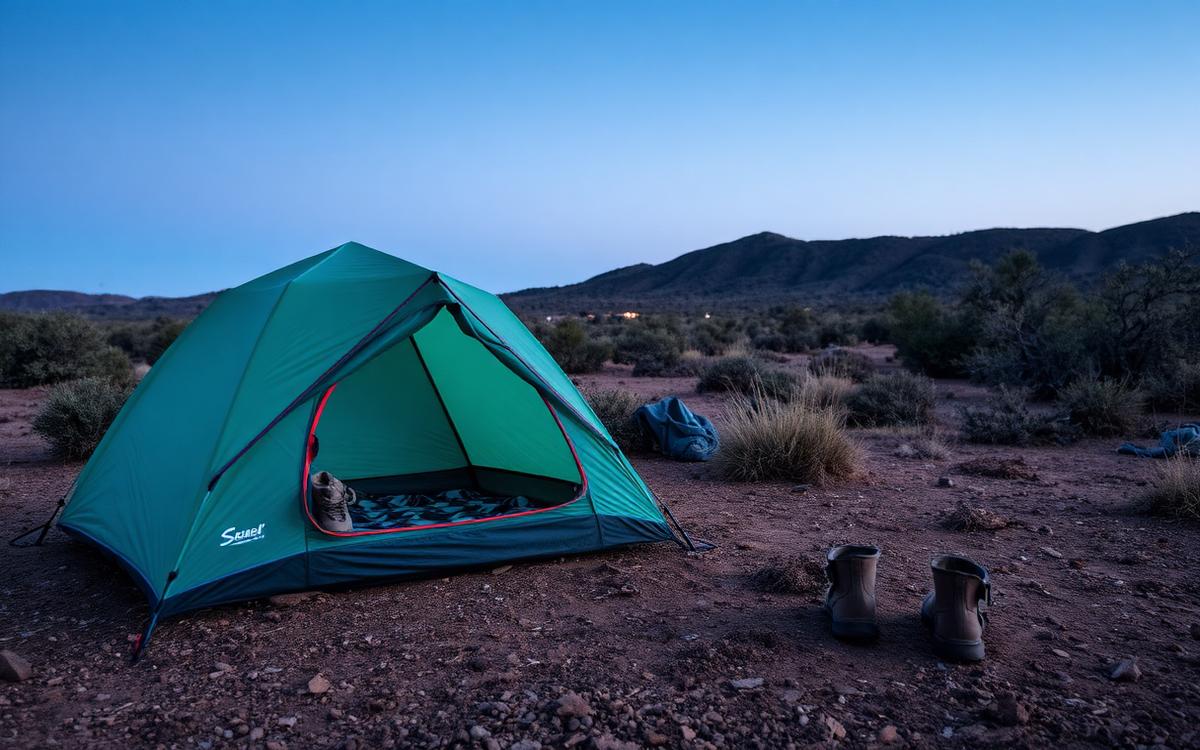
Yes, with reasonable precautions; families camp safely in snake habitat regularly by following campsite, footwear, and supervision guidelines.