Wildlife Safety & First Aid · Supporting guide
Tick Bites: How to Remove a Tick Safely and What to Watch For
Removing an attached tick correctly, and monitoring the bite site afterward, meaningfully lowers your risk of tick-borne illness like Lyme disease.
 By Mahmoud OsamaSenior Wildlife Researcher & Editor-in-ChiefPublished 25 October 2025 · Updated 25 October 2025 · 7 min read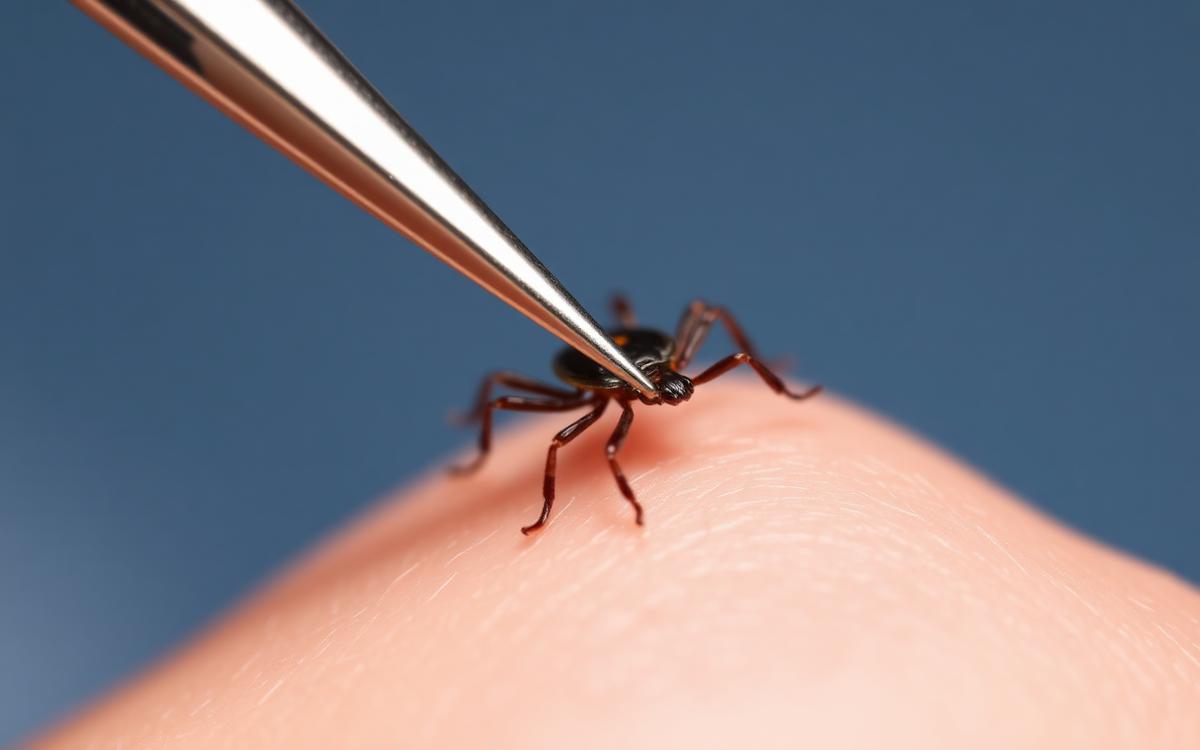
Reviewed against primary toxinology literature and IUCN assessments. This article is educational and is not medical advice — in an emergency contact your local poison centre or emergency services.
Ticks are small arachnids that attach to skin and feed on blood, and in the process can transmit a range of pathogens, including the bacteria that cause Lyme disease and several other regional illnesses. Most tick bites do not lead to disease, but how quickly and correctly a tick is removed can significantly affect the odds of transmission.
Because ticks are most often picked up during hiking, gardening, or time in tall grass and wooded areas, anyone spending time outdoors in tick habitat benefits from knowing proper removal technique and the warning signs that call for medical follow-up.
How to Remove a Tick Correctly
- Use fine-tipped tweezers, grasping the tick as close to the skin's surface as possible
- Pull upward with steady, even pressure; do not twist or jerk, which can break off mouthparts under the skin
- Avoid folk remedies like petroleum jelly, nail polish, or a lit match, which can cause the tick to release more saliva and pathogens into the bite
- After removal, clean the bite area and your hands with rubbing alcohol or soap and water
- Dispose of a live tick by placing it in alcohol, a sealed bag, or flushing it; do not crush it with bare fingers
Editor's note: If mouthparts remain embedded after removal, leave them alone; they will usually work their way out on their own, similar to a splinter. Do not dig aggressively at the skin.
Why Removal Speed Matters
Many tick-borne pathogens, including the bacterium that causes Lyme disease, generally require the tick to be attached for a period of many hours before transmission risk rises substantially. This is why prompt tick checks after outdoor activity, and quick removal of any attached tick, meaningfully lowers disease risk.
Daily Tick Checks
After spending time in wooded, brushy, or grassy areas, checking your body, clothing, and gear for ticks is one of the simplest and most effective prevention habits. Common attachment sites include the scalp, behind the ears, underarms, waistband, and behind the knees.
Symptoms to Watch for Afterward
Most tick bites cause only mild local redness and irritation that fades within a few days. However, certain symptoms in the days to weeks following a bite warrant medical attention.
- A expanding red rash, sometimes with a bullseye appearance, at or near the bite site
- Fever, chills, headache, or fatigue developing days after the bite
- Muscle or joint aches without another clear cause
- Swollen lymph nodes near the bite
- Any rash or flu-like symptoms appearing within about a month of a known tick bite
Not every tick-borne illness causes a rash, and symptoms can vary by region and the specific pathogen involved, so any unexplained illness following known tick exposure is worth mentioning to a healthcare provider.
Reducing Your Exposure
Wearing long sleeves and pants tucked into socks, using an EPA-registered insect repellent, and treating clothing and gear with permethrin can substantially cut down on tick attachment in high-risk areas.
Staying on cleared trails rather than pushing through tall grass and leaf litter also reduces contact with questing ticks, which typically wait on vegetation for a host to brush past rather than actively hunting.
When to See a Doctor
If you cannot fully remove a tick, if the bite site becomes increasingly red, warm, or painful in the days after removal, or if you develop any of the symptoms listed above, contact a healthcare provider. In some regions and circumstances, doctors may recommend a single preventive dose of antibiotics shortly after a high-risk bite.
Saving the tick in a sealed bag or container, noting the date of the bite, and mentioning your recent outdoor activity and geographic location can help a clinician assess your risk more accurately.
Key takeaways
- Use fine-tipped tweezers and steady upward pressure; avoid folk removal remedies
- Prompt removal within hours meaningfully reduces disease transmission risk for many tick-borne pathogens
- Watch for expanding rash, fever, fatigue, or joint pain in the weeks after a bite
- Daily tick checks after outdoor activity are one of the most effective prevention habits
- Permethrin-treated clothing and EPA-registered repellents reduce the odds of a tick attaching at all
Frequently asked questions
Should I save the tick after removing it?+
It can be helpful to keep it in a sealed bag or container in case your doctor wants to identify the species if you become ill.
Does every tick bite cause Lyme disease?+
No. Most tick bites do not transmit disease, and transmission risk depends on the tick species, region, and how long it was attached.
Is it dangerous if tick mouthparts stay in the skin?+
Usually not seriously; the body typically expels them over time like a splinter, though the area should be kept clean and watched for infection.
Can ticks be found in my backyard, not just the woods?+
Yes, ticks can live in tall grass, leaf litter, and brush at the edges of yards, not only deep forest.
What does a Lyme disease rash look like?+
It is often described as a bullseye pattern of expanding redness, though it does not appear in every case, so absence of a rash does not rule out infection.