Wildlife Safety & First Aid · Cornerstone guide
How Antivenom Works: From Snake Venom to Life-Saving Serum
Antivenom is one of medicine's oldest biologics, made by harvesting antibodies raised against venom. Here is how it actually works inside the body.
 By Mahmoud OsamaSenior Wildlife Researcher & Editor-in-ChiefPublished 20 September 2025 · Updated 20 September 2025 · 8 min read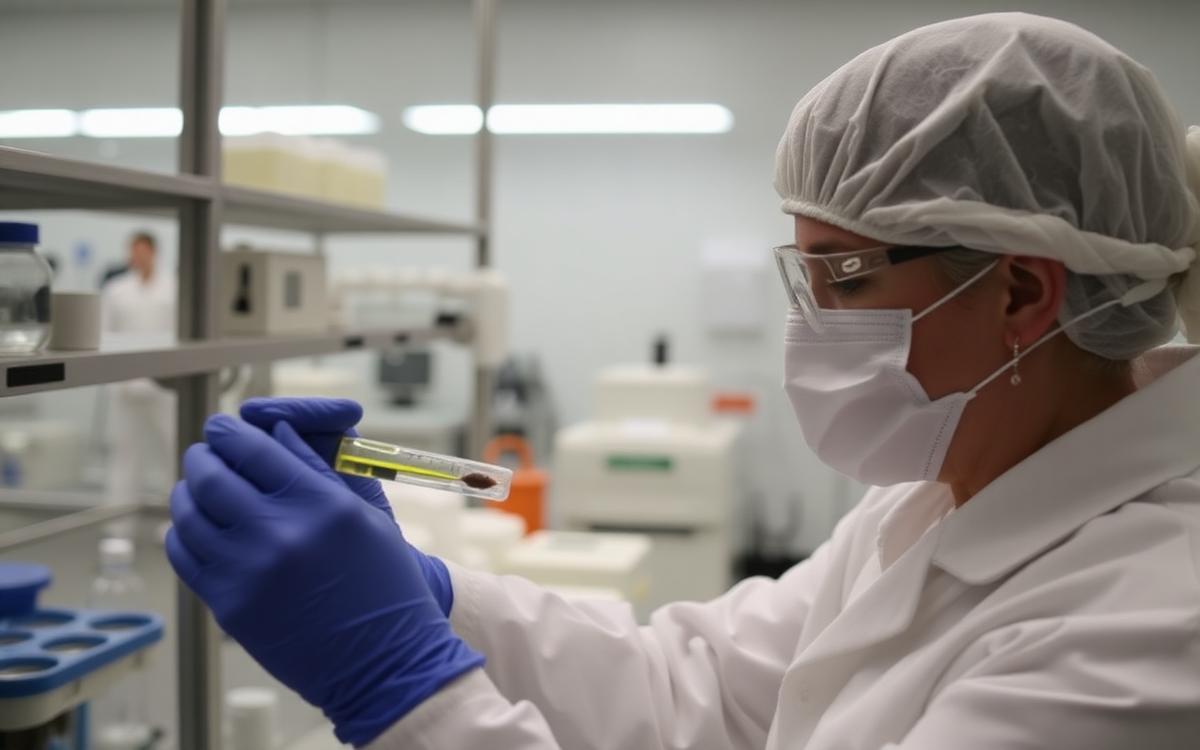
Reviewed against primary toxinology literature and IUCN assessments. This article is educational and is not medical advice — in an emergency contact your local poison centre or emergency services.
Antivenom is one of the more remarkable products in modern medicine: an animal-derived biologic that has saved countless lives since the 1890s, using a process that has changed surprisingly little in its basic principle. It works by supplying the body with antibodies that bind and neutralize venom toxins before they can cause lasting damage.
Despite being over a century old as a concept, antivenom production remains labor-intensive, regionally specific, and in short supply in many parts of the world. Understanding how it is made and how it acts in the body helps explain why timing, species identification, and access to healthcare are so critical after a serious bite or sting.
How Antivenom Is Made
Production starts with venom milked from snakes, kept at specialized serpentaria. Small, carefully controlled doses of this venom are injected into a host animal, typically a horse or sheep, over weeks or months. The host's immune system responds by producing antibodies against the venom's toxins.
Blood plasma is then collected from the host animal, and the antibody-rich portion is purified and processed into a sterile, injectable product. The result contains antibody fragments capable of recognizing and binding specific venom components.
- Monovalent antivenom targets a single species' venom
- Polyvalent antivenom is raised against several species common to a region
- Purification methods affect how likely a patient is to have an allergic reaction to the antivenom itself
How It Neutralizes Venom in the Body
Once infused into a patient's bloodstream, antivenom antibodies circulate and bind to venom toxin molecules, much like a lock finding its matching key. This binding can block a toxin's active site, preventing it from damaging tissue, disrupting blood clotting, or interfering with nerve signaling.
Binding, Not Reversing
It is important to understand that antivenom does not repair damage that has already occurred; it stops additional toxin molecules from causing further harm. This is why any tissue damage, bleeding disorders, or nerve effects that developed before treatment may take time to resolve even after antivenom is given, and some effects can be permanent if treatment is delayed too long.
Why Timing and Species-Matching Matter
Antivenom works best when given as soon as symptoms of significant envenomation appear, before toxins spread widely or bind irreversibly to tissue. Delayed treatment can mean more antivenom is needed, and some effects may no longer be reversible.
Because antivenoms are often raised against specific species or regional venom mixes, using the wrong product can be less effective. This is one reason accurate identification of the snake, or at least its likely regional species, is valuable when safe to obtain, and why hospitals in snake-endemic regions stock antivenoms matched to local fauna.
Risks and Side Effects
Because antivenom is made from animal-derived proteins, it can trigger allergic reactions in some patients, ranging from mild rash to anaphylaxis. Hospitals administering antivenom typically monitor patients closely and have treatments for allergic reactions on hand.
A delayed reaction called serum sickness can also occur days after treatment, causing fever, joint pain, and rash as the immune system responds to the foreign proteins. This is generally manageable with medical care and does not mean the antivenom failed to work.
Global Access Challenges
Despite proven effectiveness, antivenom supply is a persistent global health problem. Production is expensive, shelf lives are limited, and manufacturers have sometimes discontinued products for regions with lower profitability, leaving some countries with critical shortages.
The World Health Organization has classified snakebite envenoming as a neglected tropical disease and has pushed for improved production, distribution, and affordability, particularly in sub-Saharan Africa and parts of South Asia where bite rates and antivenom shortages are both high.
Key takeaways
- Antivenom is made by collecting antibodies raised in host animals exposed to controlled doses of venom
- It neutralizes circulating toxins but does not reverse damage already done
- Species-matched antivenom is generally more effective than a mismatched product
- Allergic reactions and delayed serum sickness are recognized risks, managed in clinical settings
- Global antivenom shortages remain a serious public health issue, especially in the tropics
Frequently asked questions
Can antivenom be given at home?+
No. It requires medical supervision because of the risk of allergic reactions and the need to monitor the patient's overall condition.
Does antivenom work for all snakebites?+
It only works against the toxins it was raised to target. This is why regional, species-matched antivenoms are important.
How soon after a bite should antivenom be given?+
As soon as clear signs of significant envenomation appear; earlier treatment generally produces better outcomes, though it can still help hours later depending on the venom type.
Is antivenom made the same way for all animals, like spiders and scorpions?+
The basic antibody principle is similar, though production details differ by venom source, and not all venomous species have a commercially available antivenom.
Why is antivenom so expensive?+
It involves maintaining venomous animal colonies, host animals, and extensive purification and safety testing, all of which are costly and slow to scale.