Venomous Insects · Supporting guide
European Hornet vs. "Murder Hornet": Separating Fact From Panic
Media coverage of the Asian giant hornet sparked years of "murder hornet" panic, but most large hornets people encounter in North America are actually the far less dangerous European hornet.
 By Mahmoud OsamaSenior Wildlife Researcher & Editor-in-ChiefPublished 4 December 2025 · Updated 4 December 2025 · 8 min read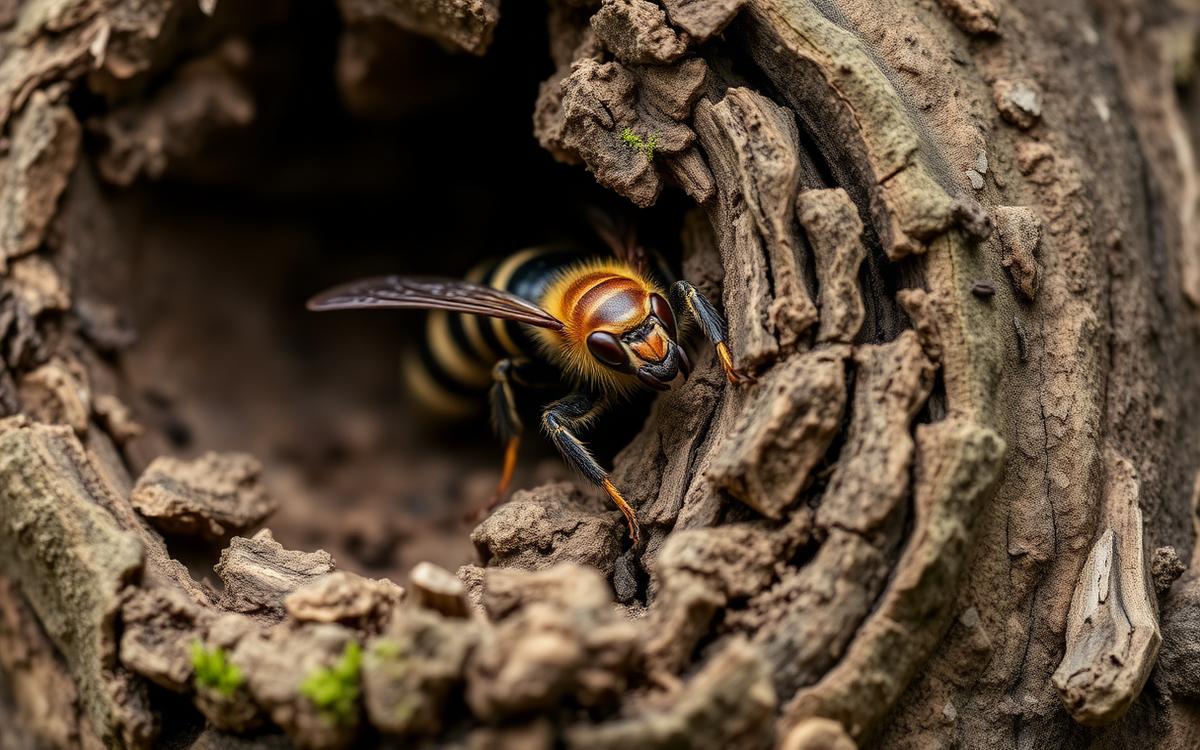
Reviewed against primary toxinology literature and IUCN assessments. This article is educational and is not medical advice — in an emergency contact your local poison centre or emergency services.
When the Asian giant hornet (Vespa mandarinia) was first detected in Washington State in late 2019, media outlets quickly nicknamed it the "murder hornet," and the term stuck through a wave of viral coverage in 2020. The name was sensational but not entirely baseless — this is the world's largest hornet species, and its venom and mandibles can indeed be dangerous, particularly to honey bee colonies it raids for larvae.
The panic, however, wildly outpaced the actual U.S. range of the species, which as of the mid-2020s remains limited to small, actively managed pockets of the Pacific Northwest and has not established a wider foothold. Most people who report seeing a "murder hornet" in the eastern or central United States are actually looking at the European hornet (Vespa crabro), a large but comparatively mild-mannered species that has lived in North America since the 1800s.
Telling the Two Species Apart
- Asian giant hornet: up to 5 cm (2 inches) long, orange-yellow head, dark thorax, banded abdomen; native to East and Southeast Asia
- European hornet: up to 3.5 cm (1.4 inches) long, reddish-brown thorax, yellow abdomen with brown markings, paler face than the Asian giant hornet
- European hornets are active at night and are drawn to lights, unlike most other North American wasps
- Asian giant hornets nest in the ground; European hornets nest in hollow trees, wall voids, and other enclosed cavities
Size alone is a poor identifier because European hornets are already noticeably larger than yellowjackets and paper wasps, which is part of why they are so often mistaken for the more exotic species in news photos.
Comparing Sting Severity
Both hurt, but not equally
Asian giant hornet stings deliver a larger venom volume through a longer stinger and have been described by researchers, including entomologist Justin Schmidt, as producing pain compared to a hot nail driven into the skin. Multiple stings have caused human deaths, mostly in Japan and China, generally from either high sting counts or allergic reactions.
European hornet stings are painful, roughly comparable to or somewhat more intense than a common wasp sting, but are not considered unusually dangerous beyond the standard risks of any large stinging insect: multiple stings or an allergic reaction.
What the Actual Risk Looks Like Today
State and federal agencies in Washington and British Columbia have run active detection and eradication programs since 2019, destroying known Asian giant hornet nests and monitoring with traps. As of the most recent official updates, the species has not been confirmed as established beyond isolated detections, and officials consider the wider "murder hornet invasion" narrative overstated relative to the actual documented spread.
- Confirmed U.S. detections have remained geographically limited to small areas of northwest Washington
- Coordinated trapping and nest destruction programs have targeted every confirmed nest
- No confirmed established populations outside this narrow area as of recent monitoring reports
- European hornets remain the far more commonly encountered large hornet across most of the U.S.
What To Do If You Find a Large Hornet Nest
Do not attempt to identify or remove a suspected Asian giant hornet nest yourself; report it to your state department of agriculture or extension office, which can confirm identification and coordinate safe removal. For a confirmed European hornet nest in a wall void or tree, a licensed pest control professional can assess whether removal is necessary or whether it can be left alone away from high-traffic areas.
Why Both Species Matter Ecologically
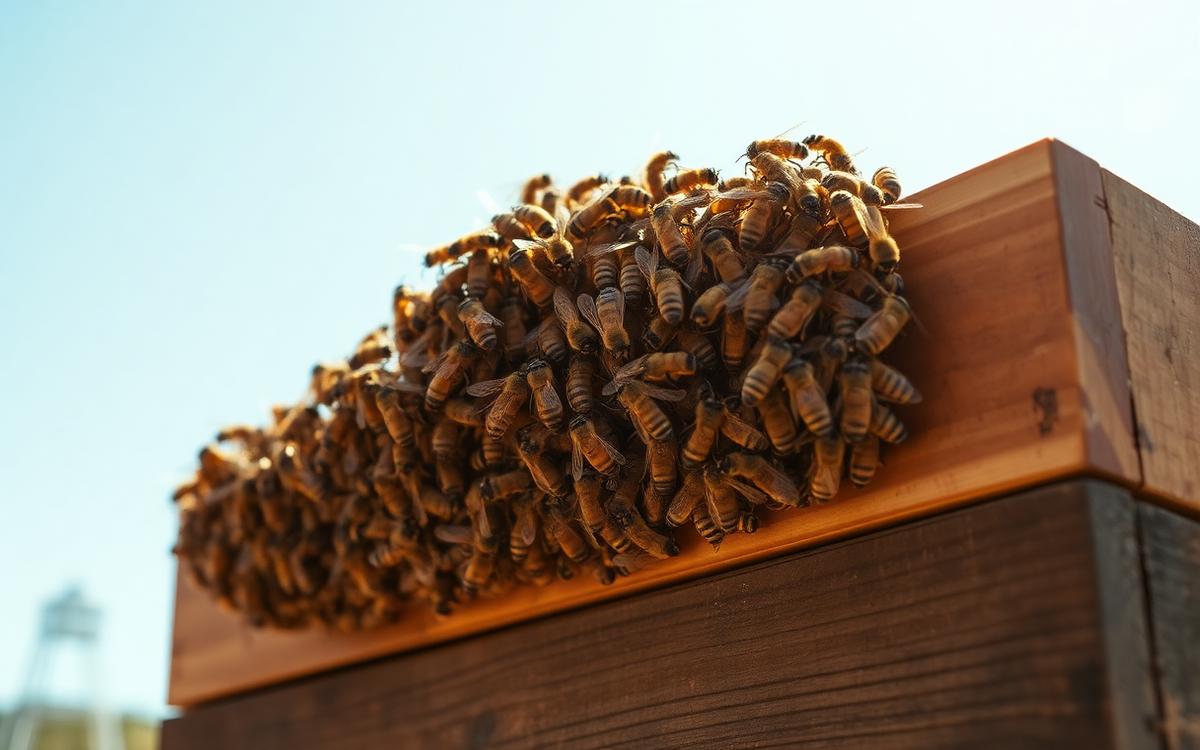
European hornets prey on a range of insect pests, including caterpillars and other wasps, and can be considered a mixed-impact species for gardens. Asian giant hornets are a genuine ecological threat specifically to honey bee colonies in regions where they establish, since a small group of hornets can destroy an entire hive in hours during their group-attack phase.
Key takeaways
- The "murder hornet" nickname refers to the Asian giant hornet, which has had only limited, actively managed detections in the Pacific Northwest.
- Most large hornets seen elsewhere in North America are European hornets, a different and far less dangerous species established since the 1800s.
- Asian giant hornet stings deliver more venom and have caused fatalities abroad, mostly from multiple stings or allergic reactions.
- European hornet stings are painful but comparable to other large wasps, without the same documented lethality record.
- Suspected Asian giant hornet sightings should be reported to state agriculture agencies rather than handled independently.
Frequently asked questions
Are murder hornets in my state?+
As of the most recent monitoring, confirmed Asian giant hornet detections remain limited to a small area of northwest Washington state and nearby British Columbia; sightings elsewhere are almost always a different, misidentified species.
What's the difference between a European hornet and a murder hornet?+
European hornets are smaller (up to about 3.5 cm), reddish-brown and yellow, and nest in cavities like trees or walls. Asian giant hornets are larger (up to 5 cm), more vividly orange-headed, and nest underground.
Can a European hornet sting kill you?+
It is unlikely for a healthy person without allergies, though multiple stings or an allergic reaction can still be dangerous, as with any stinging insect.
Why are Asian giant hornets called murder hornets?+
Media coverage in 2020 coined the nickname based on their large size, potent sting, and their habit of decapitating honey bees in mass attacks on hives.
What should I do if I think I found a murder hornet nest?+
Do not approach or attempt removal; report the sighting with photos to your state department of agriculture or extension service for confirmation.