Venomous Insects · Supporting guide
Kissing Bugs and Chagas Disease: What the Bite Really Transmits
Kissing bugs feed painlessly on sleeping hosts, but it is their feces — not their bite — that can transmit the parasite responsible for Chagas disease.
 By Mahmoud OsamaSenior Wildlife Researcher & Editor-in-ChiefPublished 20 November 2025 · Updated 20 November 2025 · 8 min read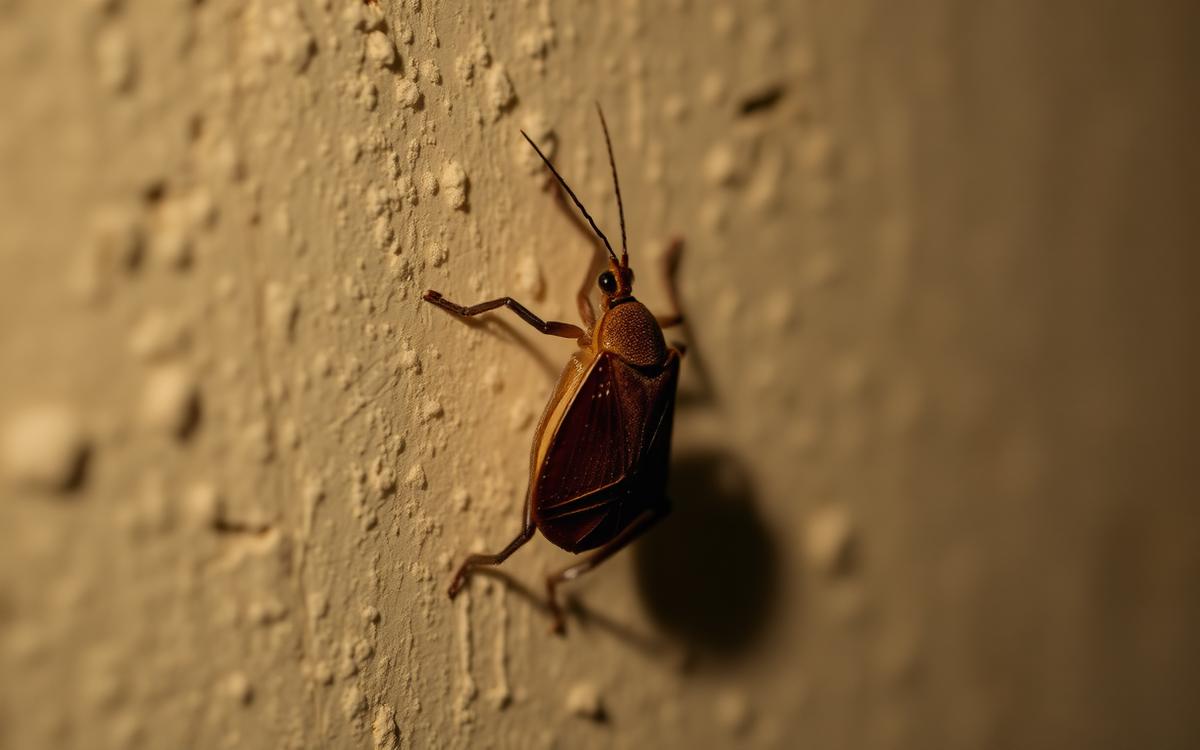
Reviewed against primary toxinology literature and IUCN assessments. This article is educational and is not medical advice — in an emergency contact your local poison centre or emergency services.
Kissing bugs, members of the subfamily Triatominae, are blood-feeding insects named for their habit of biting people around the mouth and eyes while they sleep. The bite itself is usually painless and causes only mild local irritation — the real danger is what the bug leaves behind afterward.
Kissing bugs are the primary vector for Trypanosoma cruzi, the parasite that causes Chagas disease, a condition affecting an estimated 6 to 7 million people worldwide according to the World Health Organization, concentrated in Latin America but increasingly recognized in the southern United States. Transmission does not happen through the bite wound directly but through contamination with the bug's infected feces.
What Kissing Bugs Are
Triatomine bugs are found throughout the Americas, from the southern United States to Argentina, and prefer to feed at night on sleeping mammals, including humans, dogs, and wild animals. They hide in cracks in walls, thatched roofs, rodent nests, and woodpiles during the day and emerge to feed after dark.
- Elongated, oval body typically 1.5-2.5 cm (0.6-1 inch) long
- Cone-shaped head with a piercing mouthpart used for feeding
- Nocturnal, feeding on sleeping hosts often around the face
- Found from the southern U.S. through Central and South America
How Chagas Disease Is Actually Transmitted
It's the feces, not the bite
After feeding, a kissing bug often defecates near the bite site. The feces can contain Trypanosoma cruzi parasites, which enter the body when a person unconsciously scratches the itchy bite, rubbing the parasite-laden feces into the wound or into mucous membranes like the eyes or mouth. The bite itself does not inject the parasite.
Other, less common transmission routes include congenital transmission from mother to child, blood transfusion, organ transplantation, and consumption of food contaminated with triatomine feces.
Recognizing Chagas Disease
The acute phase, in the weeks after infection, is often mild or asymptomatic but can include fever, fatigue, body aches, and localized swelling near the entry point (sometimes a distinctive swelling near one eye called Romaña's sign). Without treatment, the infection can become chronic and silent for decades.
- Acute phase: fever, fatigue, swelling near the bite or eye, sometimes mild for weeks
- Indeterminate chronic phase: no symptoms, parasite persists in the body, can last decades
- Chronic symptomatic phase: cardiac complications (arrhythmias, heart failure) in up to 30% of untreated cases, and gastrointestinal complications in a smaller subset
Diagnosis and Treatment
Chagas disease is diagnosed through blood tests detecting the parasite (acute phase) or antibodies (chronic phase). Antiparasitic medications, benznidazole and nifurtimox, are most effective when given early in the acute phase and are also used in some chronic cases, particularly in younger patients, though efficacy diminishes with disease duration.
Editor's note: Anyone bitten by a suspected kissing bug in an endemic area who develops unexplained fever or swelling near the bite should seek medical evaluation and mention the exposure specifically.
Reducing Exposure at Home
Seal cracks in walls, roofs, and window screens, use bed nets in high-risk endemic areas, keep pet sleeping areas clean, and manage rodent populations that provide bugs with alternative blood meals. Insecticide spraying of housing has substantially reduced transmission in many endemic countries.
Key takeaways
- Kissing bugs (Triatominae) bite painlessly, usually near the face, while a person sleeps.
- Chagas disease is transmitted mainly through contact with the bug's feces being rubbed into the bite or mucous membranes, not the bite itself.
- The disease can remain silent for decades before causing serious heart or digestive complications in a subset of untreated cases.
- Early antiparasitic treatment with benznidazole or nifurtimox is most effective in the acute phase.
- Sealing homes and reducing rodent harborage are the most effective prevention strategies.
Frequently asked questions
Does a kissing bug bite hurt?+
Usually no. The bite is often painless enough that people do not wake up, which is part of why the insect is an effective disease vector.
How do you get Chagas disease from a kissing bug?+
Infection occurs when infected feces from the bug, left near the bite site, are rubbed into the wound or into the eyes or mouth, not through the bite itself.
Is Chagas disease common in the United States?+
Locally acquired cases are uncommon but documented, particularly in southern states; most U.S. cases are diagnosed in people who acquired the infection in Latin America.
Can Chagas disease be cured?+
Antiparasitic treatment is most effective when given early in the acute phase; chronic infections are harder to clear but treatment may still reduce disease progression in some patients.
What does Romaña's sign look like?+
It is a painless swelling of the eyelid on one side of the face, occurring when the parasite enters through the eye, and is a classic early sign of acute Chagas disease.