Spiders & Scorpions · Cornerstone guide
Black Widow Bite: Symptoms, Timeline, and Treatment
Black widow venom triggers a distinctive syndrome called latrodectism. Here is how to recognize it and what real treatment looks like.
 By Mahmoud OsamaSenior Wildlife Researcher & Editor-in-ChiefPublished 4 September 2025 · Updated 4 September 2025 · 8 min read
Reviewed against primary toxinology literature and IUCN assessments. This article is educational and is not medical advice — in an emergency contact your local poison centre or emergency services.
Black widow spiders (genus Latrodectus) are found across temperate and subtropical regions worldwide, including much of the United States. Females carry a potent neurotoxic venom, and while bites are rarely fatal to healthy adults, they cause a memorable and often severe illness known as latrodectism.
Understanding the real symptom timeline, separating it from internet myths, and knowing when to seek emergency care can make the difference between a miserable few days and a dangerous medical situation, particularly for children, the elderly, and pregnant people.
How black widow venom works
The key toxin in black widow venom is alpha-latrotoxin, a large protein that binds to nerve terminals and causes massive, uncontrolled release of neurotransmitters such as acetylcholine and norepinephrine. This is fundamentally different from the tissue-destroying venoms of many other spiders.
Because the toxin affects the whole nervous system rather than just the bite site, symptoms are often systemic rather than local, which surprises people expecting a dramatic wound.
- Alpha-latrotoxin opens calcium channels in nerve endings
- This causes flooding of neurotransmitters into synapses
- Result is widespread muscle cramping and autonomic symptoms, not tissue death
Symptom timeline after a bite
The bite itself is often described as a sharp pinprick, sometimes barely noticed. Local redness and two small puncture marks may appear within minutes.
First one to three hours
Pain typically spreads from the bite site to nearby muscle groups, often the abdomen or back, and can be mistaken for a surgical emergency such as appendicitis because of severe muscular rigidity.
- Intense muscle cramping and rigidity, especially abdomen, back, or legs
- Profuse sweating, sometimes localized to the bite limb
- Nausea, vomiting, headache, and elevated blood pressure
- Anxiety and restlessness
Symptoms usually peak within 2 to 8 hours and can persist, waxing and waning, for 24 to 72 hours even with treatment.
Treatment and when antivenom is used
Most cases are managed with supportive care: opioid pain relievers, benzodiazepines for muscle spasm, and monitoring of blood pressure and heart rhythm. Ice packs and rest at the bite site can help reduce discomfort.
Latrodectus antivenom is available and highly effective at rapidly reversing symptoms, but it carries a risk of allergic reaction including anaphylaxis, so physicians typically reserve it for severe cases: uncontrolled pain, significant hypertension, respiratory difficulty, or high-risk patients such as pregnant women, young children, and people with cardiovascular disease.
Editor's note: Seek emergency care immediately for severe abdominal rigidity, chest pain, difficulty breathing, or bites in infants, pregnant patients, or people with heart conditions.
Reducing bite risk
Black widows are shy and bite defensively, usually when a hand or foot accidentally presses against them in a dark space such as a woodpile, garage corner, shed, or outdoor toilet.
- Shake out gloves, boots, and stored clothing before use
- Wear gloves when clearing woodpiles, sheds, or crawl spaces
- Use a flashlight when reaching into dark storage areas
- Reduce clutter and seal gaps around garages and outbuildings
Common myths worth correcting
Contrary to popular belief, female black widows do not always eat their mates, and a black widow bite, while painful, is rarely lethal to a healthy adult in a country with modern medical care.
Reported fatality rates from black widow bites in the era before antivenom were around 1 to 5 percent, and deaths today are exceedingly rare thanks to supportive treatment and available antivenom.
Key takeaways
- Black widow venom causes latrodectism, a syndrome of muscle cramping and autonomic symptoms, not tissue necrosis.
- Pain often spreads from the bite site to the abdomen or back within hours and can mimic a surgical emergency.
- Most bites are treated with supportive care; antivenom is reserved for severe or high-risk cases.
- Deaths are rare in modern healthcare settings, but children, the elderly, and pregnant patients need prompt evaluation.
- Prevention centers on checking dark storage spaces and wearing gloves when handling debris.
Frequently asked questions
Is a black widow bite always dangerous?+
Not always. Many bites cause only mild local pain, but a significant portion progress to systemic latrodectism requiring medical attention, so any suspected bite should be evaluated.
How long do symptoms last?+
Acute symptoms often peak within a few hours and can wax and wane for one to three days, with some residual weakness or fatigue lasting longer.
Do all black widow bites need antivenom?+
No. Most are managed with pain control and muscle relaxants; antivenom is used selectively for severe pain, high blood pressure, or vulnerable patients.
Can a black widow bite kill you?+
Death is very rare in places with access to modern medical care, though it was more common historically before antivenom and supportive treatment existed.
How do I identify a black widow?+
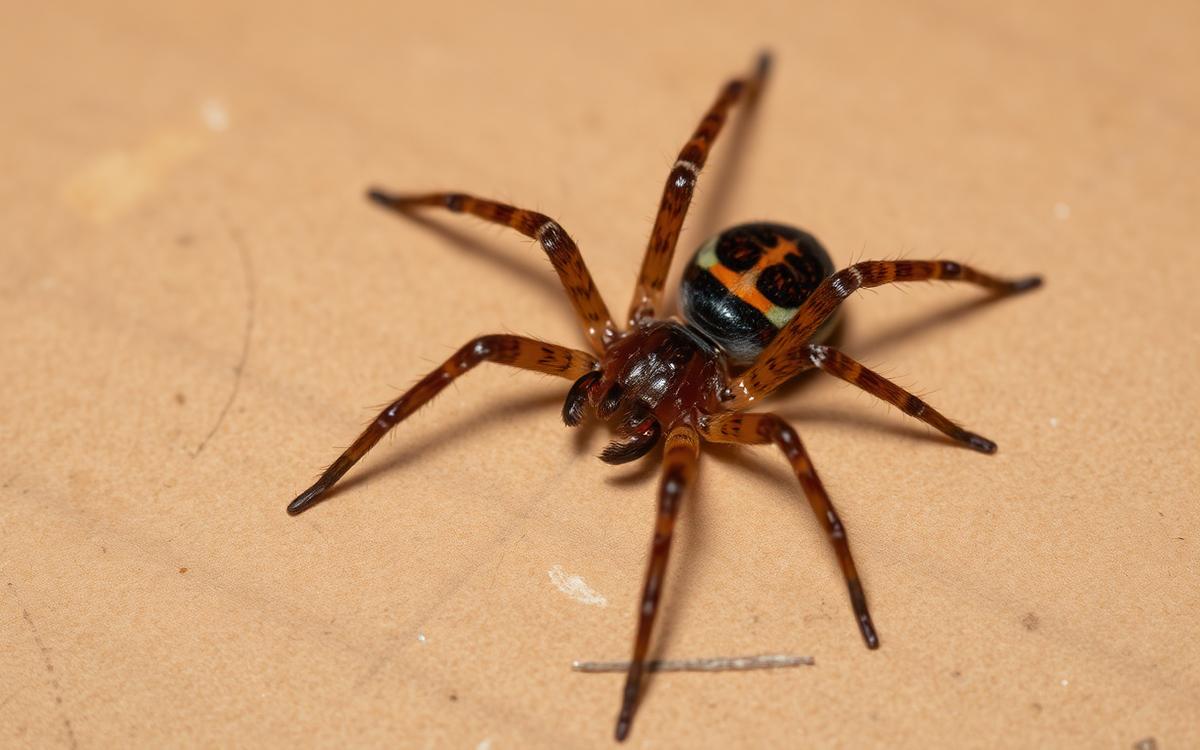
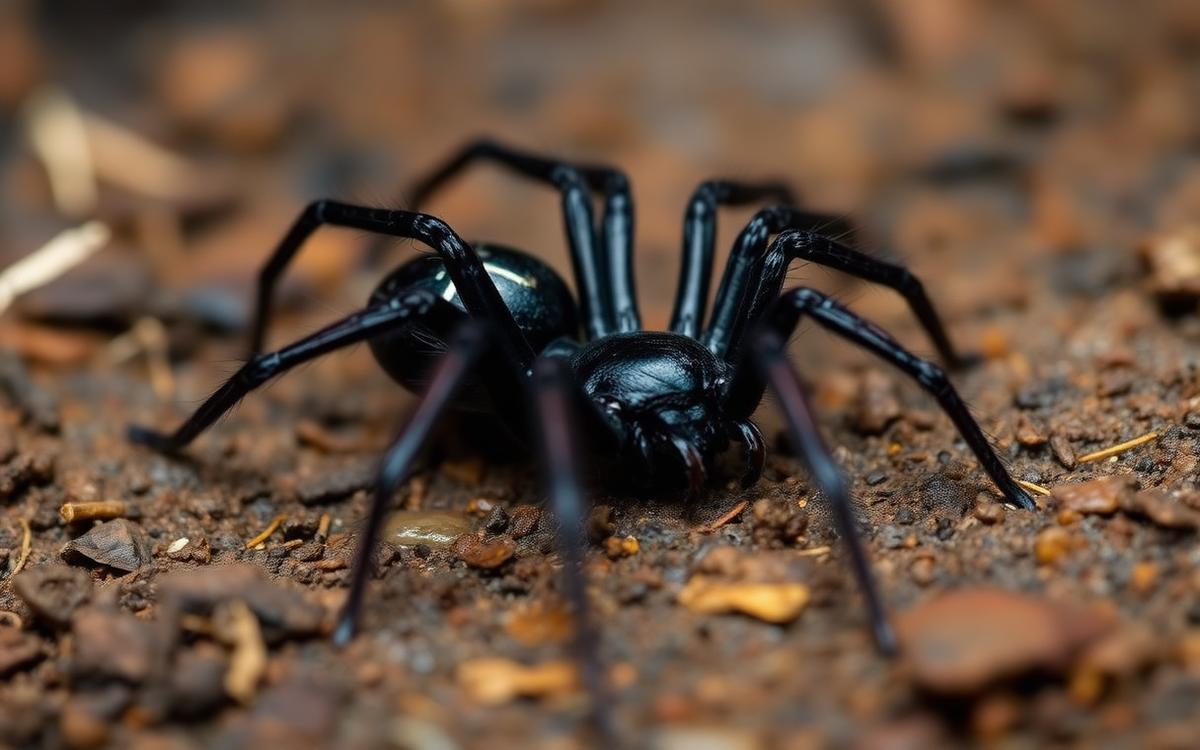
Adult females are shiny black with a red or orange hourglass shape on the underside of the abdomen, though markings vary by species and region.