Spiders & Scorpions · Supporting guide
Yellow Sac Spider Bites: What to Actually Expect
Yellow sac spiders are among the most commonly encountered house spiders, and their bites are far milder than old myths suggested.
 By Mahmoud OsamaSenior Wildlife Researcher & Editor-in-ChiefPublished 4 December 2025 · Updated 4 December 2025 · 6 min read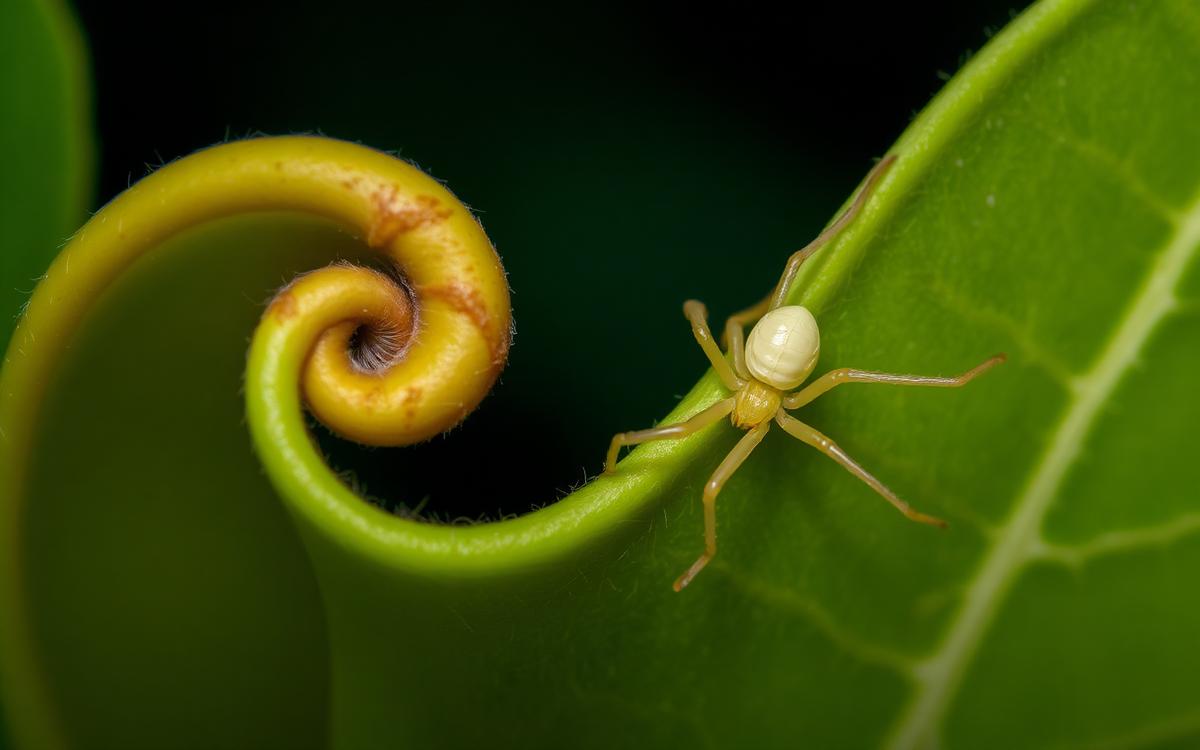
Reviewed against primary toxinology literature and IUCN assessments. This article is educational and is not medical advice — in an emergency contact your local poison centre or emergency services.
Yellow sac spiders (genus Cheiracanthium) are among the most frequently encountered spiders inside homes across North America, Europe, and beyond, often found in the corners of ceilings and walls where they build small silken retreats, or sacs, to rest in during the day.
For years, some yellow sac spider bites were mistakenly lumped in with brown recluse necrosis cases, based on outdated assumptions about their venom. More recent research has significantly walked that back, painting a picture of a bite that is uncomfortable but rarely serious.
Identifying yellow sac spiders
These spiders are small, typically under half an inch in body length, pale yellow to greenish-tan in color, with slightly darker legs and a faint darker stripe sometimes visible along the abdomen.
- Build small tubular silk sacs in ceiling corners, window frames, and among stored items
- Active hunters at night rather than web-building trappers
- Commonly found both indoors and in gardens, particularly under leaves and in vegetation
What the bite actually feels like
A yellow sac spider bite is usually described as an immediate sharp, stinging pain, unlike the sometimes painless bite of a recluse spider.
Typical progression
- Sharp pain at the moment of the bite
- Redness and mild swelling develop over the following hour
- A small blister or sore may form at the bite site
- Symptoms generally resolve within one to two weeks with basic wound care
Necrosis, if it occurs at all, is typically limited to a small superficial area, quite different from the deeper, spreading tissue damage sometimes seen in genuine recluse envenomation.
How the necrosis myth took hold
Laboratory studies conducted decades ago found that Cheiracanthium venom could cause some tissue changes in animal models, which led to yellow sac spiders being flagged as a possible cause of necrotic wounds in humans, especially in regions without brown recluse populations.
Subsequent clinical case reviews found that documented human bites overwhelmingly caused mild, self-limited symptoms, and the necrotic potential seen in lab settings did not translate into significant real-world harm in the vast majority of bites.
Treating a bite at home
Most yellow sac spider bites can be managed with basic first aid: wash the area with soap and water, apply a cold compress to reduce swelling, and take over-the-counter pain relievers as needed.
- Clean the wound and monitor for signs of spreading redness or infection
- Apply ice in short intervals to reduce pain and swelling
- Avoid scratching or picking at any resulting blister
- Seek medical care if fever, spreading redness, or worsening pain develops
Reducing encounters at home
Since yellow sac spiders favor ceiling corners, window frames, and clutter, regular cleaning and vacuuming of these areas can reduce their presence indoors.
Because bites often occur when a spider is trapped against skin overnight, shaking out bedding and checking clothing left on the floor can help avoid accidental contact.
Key takeaways
- Yellow sac spiders are common indoor spiders once wrongly blamed for serious necrotic wounds.
- Bites cause immediate sharp pain, unlike many painless recluse bites, followed by mild swelling.
- Modern clinical reviews show the vast majority of bites are mild and self-limited.
- Basic wound care at home is usually sufficient; medical attention is needed only if infection signs appear.
- Reducing clutter and checking bedding can help prevent accidental bites.
Frequently asked questions
Are yellow sac spider bites dangerous?+
Generally no; most cause only mild pain and localized swelling that resolves within one to two weeks.
Can yellow sac spiders cause necrosis like brown recluses?+
Lab studies once suggested this possibility, but real-world clinical data show significant necrosis is rare and typically much less severe than genuine recluse bites.
How can I tell a yellow sac spider from a brown recluse?+
Yellow sac spiders are pale yellow to greenish with eight eyes, while brown recluses are brown with a violin marking and only six eyes.
Do yellow sac spiders bite often?+
They are one of the more frequent biting house spiders because they actively hunt at night and can end up trapped against skin in bedding or clothing.
When should I see a doctor for a bite?+
If you notice spreading redness, fever, worsening pain, or a wound that fails to improve after several days.