Spiders & Scorpions · Cornerstone guide
Brown Recluse Bites: Necrosis Facts vs. Internet Myths
Brown recluse bites are widely blamed for skin wounds they did not cause. Here is what the evidence actually shows.
 By Mahmoud OsamaSenior Wildlife Researcher & Editor-in-ChiefPublished 18 September 2025 · Updated 18 September 2025 · 8 min read
Reviewed against primary toxinology literature and IUCN assessments. This article is educational and is not medical advice — in an emergency contact your local poison centre or emergency services.
Few spiders have been blamed for as many skin injuries they did not cause as the brown recluse. In regions where the species does not even live, doctors and patients alike still reach for 'spider bite' as an explanation for mysterious sores, ulcers, and infections.
Real loxoscelism, the medical term for brown recluse envenomation, does exist and can occasionally cause serious tissue damage. But the gap between the rare genuine case and the flood of misdiagnoses is enormous, and understanding that gap matters for getting the right treatment.
Identifying the actual spider
The brown recluse (Loxosceles reclusa) is native mainly to the central and southern United States, roughly from Texas to Georgia and up into the lower Midwest. It is not established in most of the country, despite frequent claims of sightings nationwide.
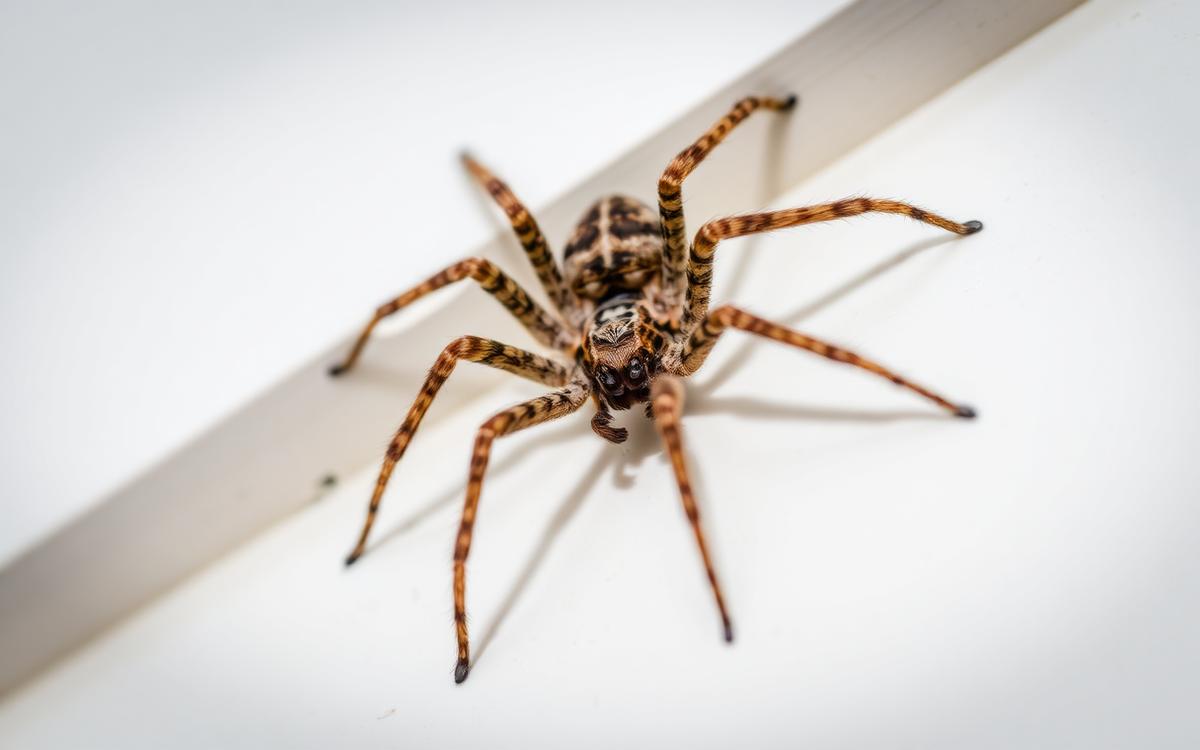
- Small, roughly the size of a quarter with legs extended
- Uniform tan to dark brown color, no stripes or bold patterns
- A dark violin-shaped marking on the top of the cephalothorax, pointing toward the abdomen
- Six eyes arranged in pairs, unlike most spiders which have eight
Positive identification of the actual spider, ideally the specimen itself, is considered essential by toxinologists before diagnosing a wound as a recluse bite.
What a real bite looks like
Most confirmed brown recluse bites cause only mild redness, itching, and swelling that resolve within days without treatment. A minority, thought to be a small percentage, progress toward a necrotic lesion.
The rare necrotic reaction
In these uncommon cases, the bite area may develop a bluish or purplish center surrounded by a pale ring and outer redness sometimes called a 'red, white, and blue' sign, followed over days by an ulcer that can take weeks or months to heal.
Editor's note: Systemic loxoscelism, involving fever, blood cell breakdown, and kidney injury, is rare but more often reported in children.
Why 'spider bite' is so overused as a diagnosis
Studies looking at wounds attributed to brown recluse bites, especially outside the spider's known range, have found the actual causes are usually something else entirely.
- Community-acquired MRSA and other bacterial skin infections
- Diabetic ulcers and vascular disease
- Chemical burns, allergic reactions, and shingles
- Bites or stings from other arthropods
Because MRSA infections in particular can start as a painful red bump and progress to a necrotic ulcer, they are very frequently mistaken for spider bites, delaying proper antibiotic treatment.
Treatment approach
There is no widely available antivenom for brown recluse bites in the United States. Care typically involves wound cleaning, pain control, tetanus prophylaxis, and close monitoring for signs of infection or tissue breakdown.
Surgical removal of dead tissue is sometimes needed for larger necrotic wounds, but early aggressive surgery is generally discouraged because lesions often stabilize on their own with conservative care.
When to see a doctor
- A wound is rapidly expanding, blistering, or turning dark
- Fever, chills, or flu-like symptoms accompany a skin lesion
- The lesion is not improving after several days of home care
- You live outside the recluse's known range but have an unexplained ulcer
In the last scenario, a clinician should actively look for bacterial infection or another cause rather than defaulting to a spider bite diagnosis.
Key takeaways
- Brown recluse spiders live mainly in the central and southern US, not nationwide.
- Most confirmed bites cause only mild, self-limiting symptoms.
- Severe necrotic wounds are uncommon and require positive spider identification to diagnose confidently.
- Many wounds blamed on 'spider bites' are actually bacterial infections like MRSA or other medical conditions.
- There is no commercially available antivenom; treatment is supportive wound care.
Frequently asked questions
Can a brown recluse bite kill you?+
Death is extremely rare and mainly associated with systemic complications in children; most bites, even necrotic ones, are not fatal.
How do doctors confirm a recluse bite?+
Ideally by identifying the actual spider, since there is no reliable lab test, and by considering the patient's location within the spider's known range.
Why do I keep hearing about recluse bites where I live?+
The species is often misidentified, and many skin lesions attributed to it are actually caused by bacterial infections or other conditions.
How long does a necrotic wound take to heal?+
Severe lesions can take several weeks to a few months to fully heal and may leave a scar.
Is there a home remedy for a recluse bite?+
No home remedy reliably prevents necrosis; keep the wound clean, use ice and elevation for comfort, and seek medical evaluation.