Reptiles & Amphibians · Cornerstone guide
Herping Safety: How to Observe Reptiles and Amphibians Responsibly
Herping, the hobby of searching for reptiles and amphibians in the wild, is rewarding but comes with real risks that responsible enthusiasts learn to manage.
 By Mahmoud OsamaSenior Wildlife Researcher & Editor-in-ChiefPublished 15 January 2026 · Updated 15 January 2026 · 9 min read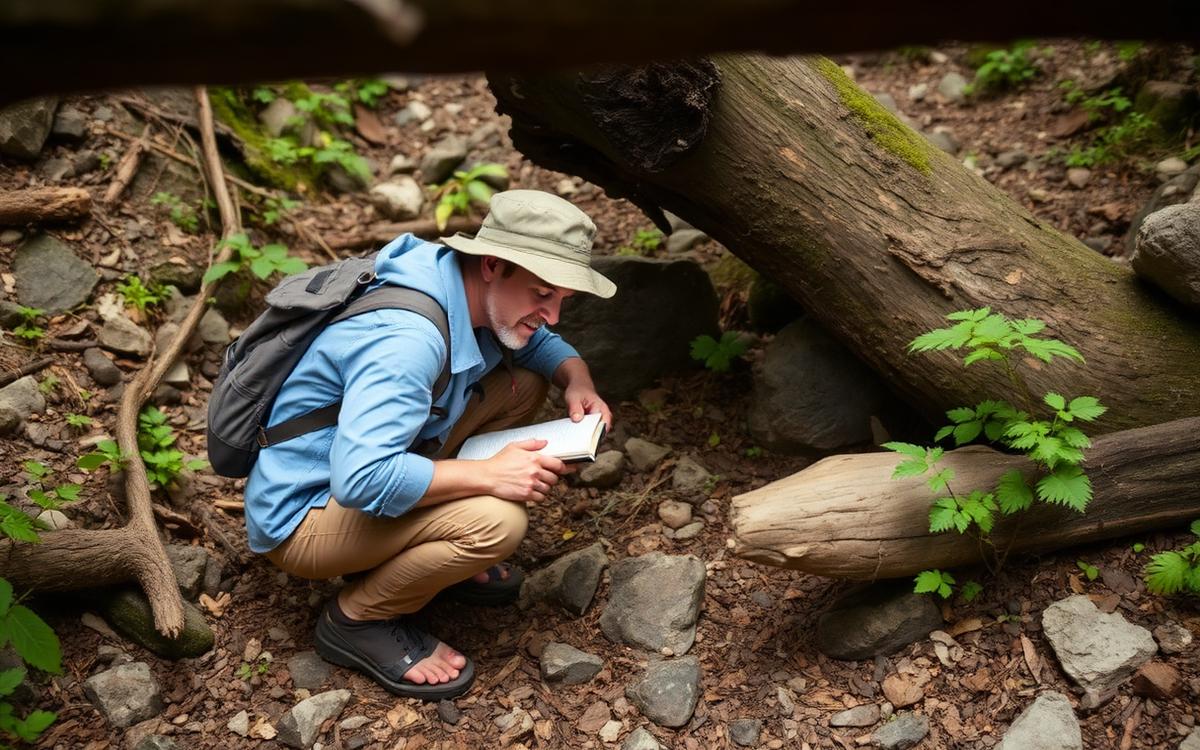
Reviewed against primary toxinology literature and IUCN assessments. This article is educational and is not medical advice — in an emergency contact your local poison centre or emergency services.
Herping, the pastime of actively searching for reptiles and amphibians in their natural habitat, has grown from a niche pursuit among biologists into a popular hobby supported by field guides, apps, and active online communities. Done well, it fosters genuine appreciation for often-misunderstood animals and can contribute real data to citizen science projects tracking range shifts and disease.
Done carelessly, herping carries real risks, from venomous snakebites and toxic amphibian secretions to disease transmission between sites and unnecessary stress on the animals themselves. This guide lays out the core safety practices that experienced field herpers follow, whether flipping logs in Appalachian forests or searching desert washes at night.
Essential Gear and Trip Preparation
- Snake hook or herp stick to move debris and cover objects without using bare hands
- Sturdy, over-the-ankle boots and long pants in venomous snake habitat
- A charged phone with offline maps and a satellite communicator in remote areas without cell service
- A field guide or reliable identification app specific to your region
- A basic first aid kit and knowledge of the nearest hospital with antivenom stock
Tell someone your planned route and expected return time before heading into remote habitat, particularly for solo night hikes, which are common for finding nocturnal amphibians and snakes.
Protocol Around Venomous Species
Look, Photograph, Do Not Handle
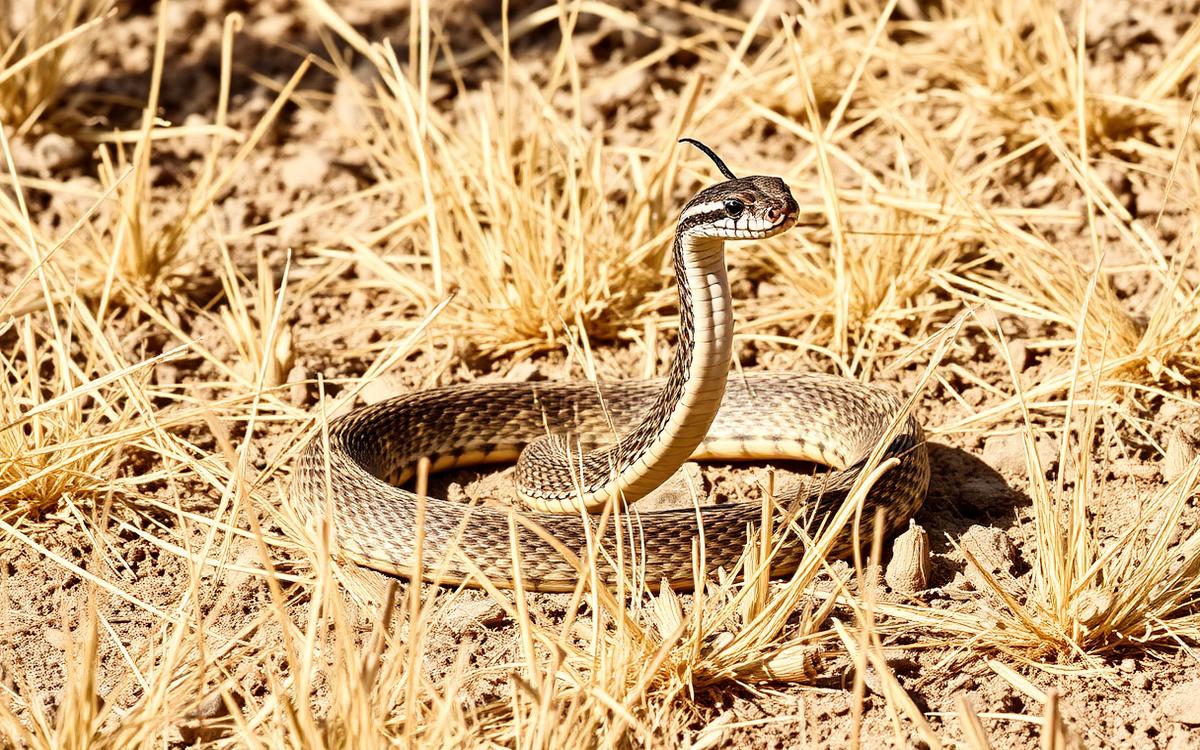
The overwhelming majority of snakebites documented in medical literature occur when someone attempts to handle, move, or kill a venomous snake rather than simply observing it. If you are not a trained, permitted handler, the safest and most respectful approach is to photograph the animal from a safe distance and let it move on undisturbed.
When flipping logs or rocks, always lift the far edge toward you so the object shields your hand and body from anything underneath, and never place fingers under a rock or log before seeing what is there.
Amphibian Handling and Hygiene
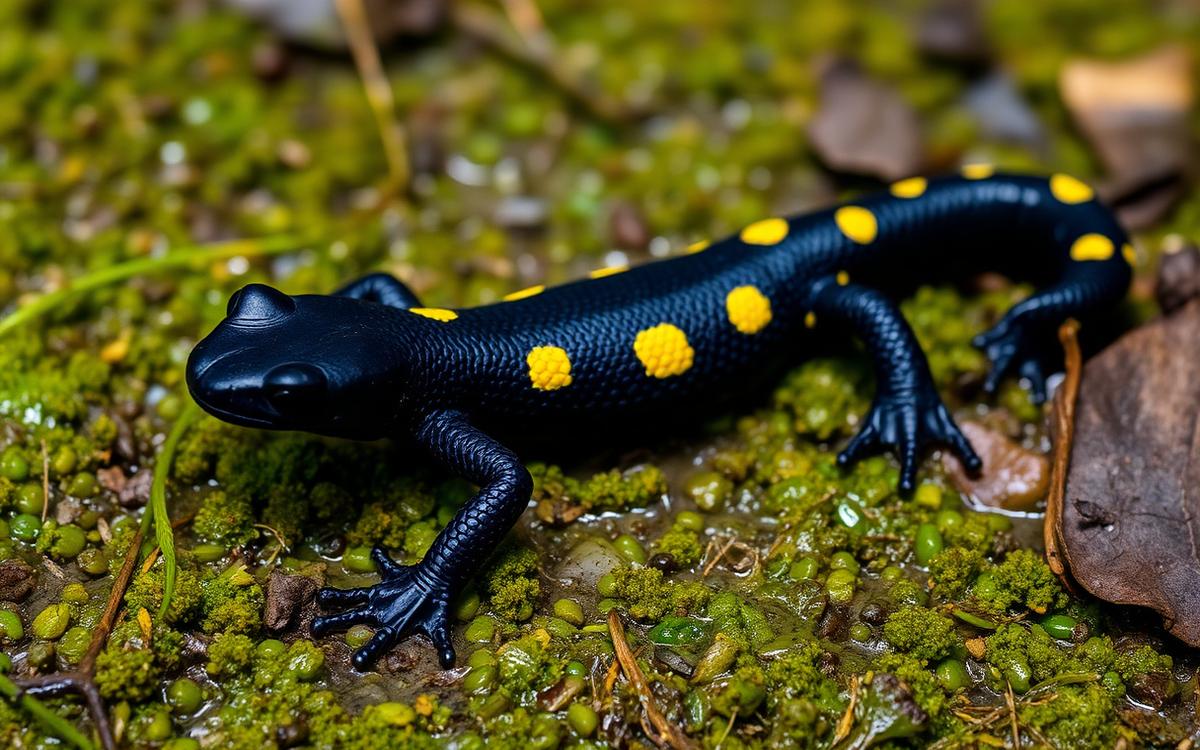
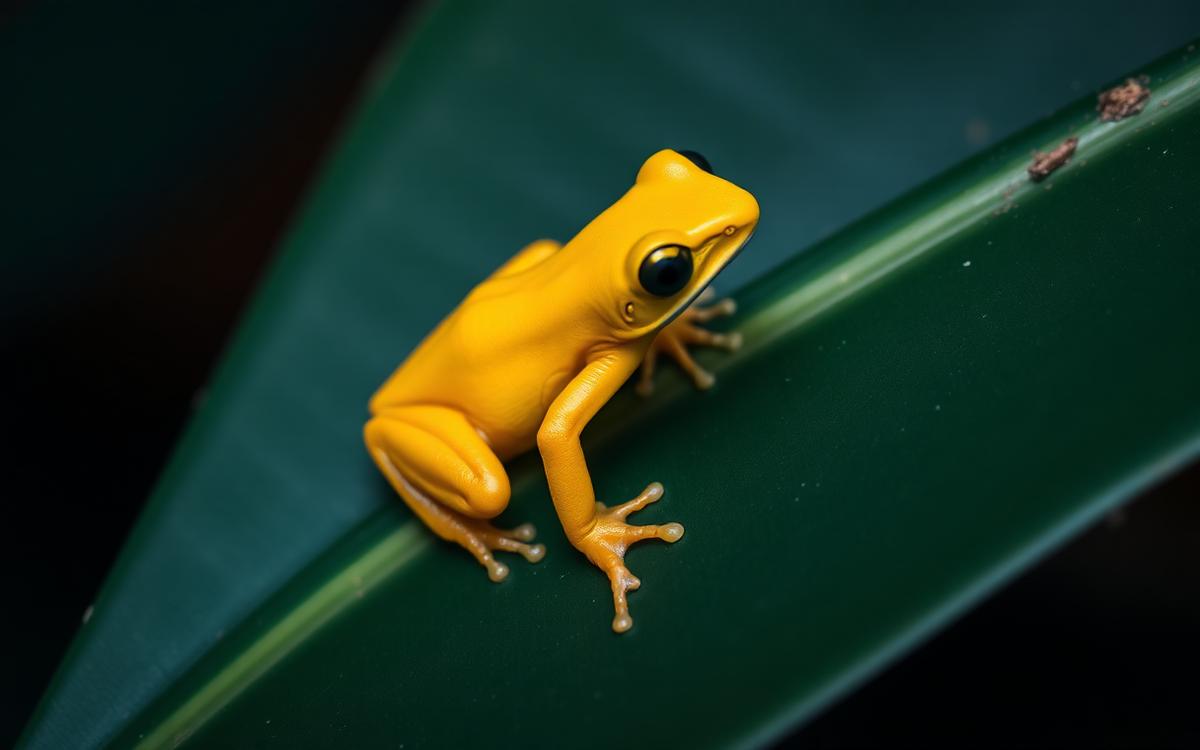
Amphibians have permeable skin that absorbs substances readily, including sunscreen, insect repellent, and hand sanitizer residue, which can harm the animal even in a brief, well-intentioned handling. Wetting hands with clean stream water before any necessary handling reduces this risk.
- Use a fresh pair of nitrile gloves or clean, unscented wet hands when handling amphibians briefly for photography or research
- Never handle amphibians after applying bug spray, sunscreen, or hand lotion
- Disinfect boots and gear between different wetland or forest sites to avoid spreading chytrid fungus or ranavirus
- Release animals exactly where found, since many species have small home ranges and strong site fidelity
Preventing the Spread of Wildlife Disease
Field herpers can unintentionally spread pathogens like chytrid fungus (Bd and Bsal) and snake fungal disease between sites on boots, tires, and equipment. Groups such as the Partners in Amphibian and Reptile Conservation network publish decontamination protocols involving diluted bleach or specific disinfectant soaks between locations.
Simple habits, cleaning mud off boots before leaving a site and allowing gear to fully dry between outings, meaningfully reduce cross-contamination risk without requiring specialized equipment.
Legal and Ethical Considerations
Many reptile and amphibian species are protected under state, federal, or international law, and collecting or even handling certain species without a permit can carry significant fines. Rules vary widely by state and country, so checking current regulations before a trip, especially for protected species like certain rattlesnakes or salamanders, is essential.
Ethical herping also means minimizing habitat disturbance: always return flipped logs and rocks to their original position, since these cover objects provide critical shelter and moisture that many species depend on for survival.
Key takeaways
- Most snakebites during herping happen when someone tries to handle or kill a venomous snake rather than simply observe it.
- Using a snake hook and lifting cover objects away from your body reduces bite risk significantly.
- Amphibians have permeable skin that absorbs sunscreen, repellent, and lotion, so hands should be clean and wet before handling.
- Disinfecting boots and gear between sites helps prevent spreading chytrid fungus and other wildlife diseases.
- Always return logs and rocks to their original position to preserve habitat for the species you are observing.
Frequently asked questions
Is herping dangerous?+
Herping carries manageable risks, mainly from venomous snake encounters and terrain hazards, that are significantly reduced by proper gear, technique, and not handling unfamiliar species.
Do I need a permit to go herping?+
Requirements vary by state and country; many public lands allow observation freely, but collecting, handling, or photographing certain protected species may require a permit.
What is the safest way to flip a log while herping?+
Lift the far edge toward yourself so the log or rock shields your body, and never place your hand underneath before seeing what, if anything, is there.
Can sunscreen actually harm a frog or salamander?+
Yes, amphibian skin is highly permeable, and residues from sunscreen, insect repellent, or hand sanitizer can be absorbed and cause harm, so hands should be rinsed clean before contact.
What should I do if I find a venomous snake while herping?+
Keep a safe distance, photograph it if you wish, and allow it to move away on its own rather than attempting to handle, move, or kill it.