Wildlife Safety & First Aid · Supporting guide
Building a First-Aid Kit for Venomous-Animal Country
Heading into remote venomous-animal habitat requires more than a standard first-aid kit — here's what actually belongs in your pack.
 By Mahmoud OsamaSenior Wildlife Researcher & Editor-in-ChiefPublished 5 December 2025 · Updated 5 December 2025 · 7 min read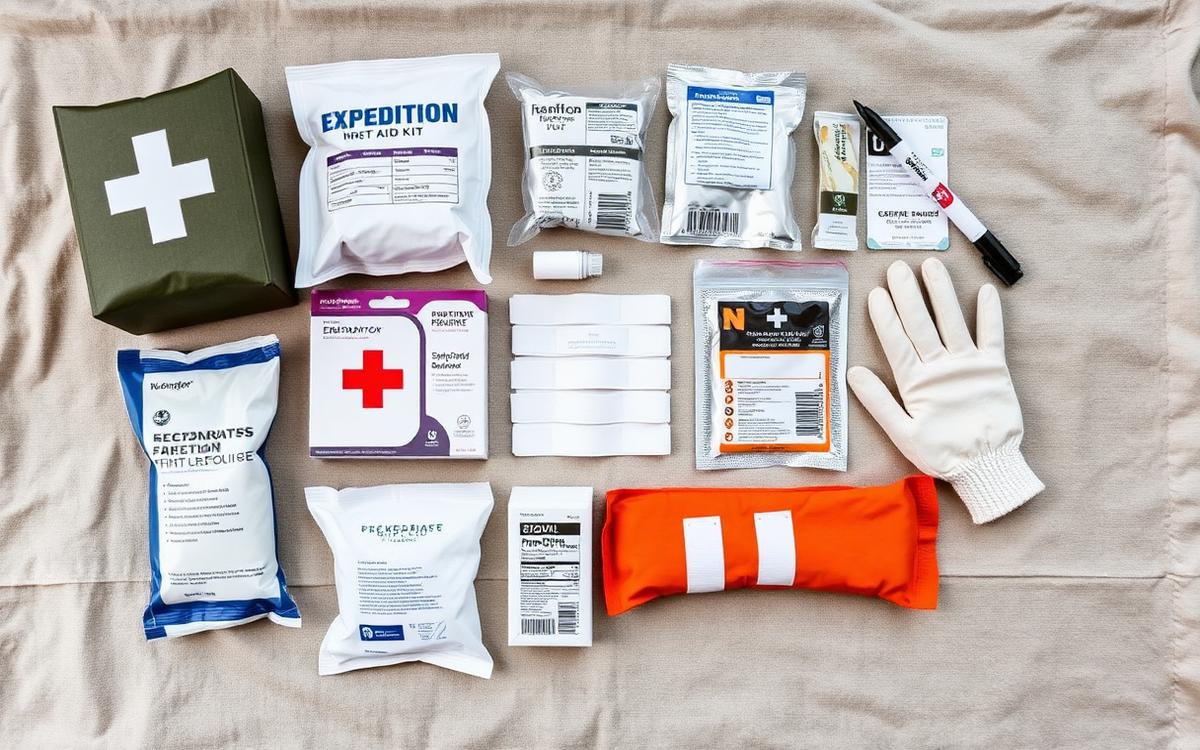
Reviewed against primary toxinology literature and IUCN assessments. This article is educational and is not medical advice — in an emergency contact your local poison centre or emergency services.
Standard first-aid kits are built around cuts, blisters, and sprains — useful, but not enough for a remote expedition through snake, scorpion, or spider habitat. Envenomation emergencies require specific supplies, a clear action plan, and realistic expectations about what field first aid can and cannot do.
This guide walks through what belongs in an expedition first-aid kit for venomous-animal country, what outdated advice to avoid, and how to plan your evacuation strategy before you ever set foot on the trail.
The Core Principle: You Can't Treat Envenomation in the Field
No first-aid kit contains a cure for snakebite, scorpion sting, or spider bite envenomation. Antivenom must be administered by trained medical personnel in a clinical setting. The purpose of a field kit is to stabilize the patient, slow venom spread where appropriate, manage pain and anxiety, and support a safe evacuation — not to neutralize the venom itself.
Editor's note: Never apply a tourniquet, attempt to suck out venom, cut the bite site, or apply ice directly to a suspected venomous bite. These outdated methods can worsen tissue damage without meaningfully slowing venom absorption.
What to Pack
- Wide, elastic compression bandages — used for the pressure immobilization technique recommended for certain neurotoxic snakebites (check regional guidance, as this technique isn't appropriate for all snake types, such as many pit vipers with tissue-destroying venom).
- A rigid splint or SAM splint to immobilize the bitten limb and reduce movement, which slows lymphatic venom spread.
- A permanent marker to note the time of bite and mark the leading edge of swelling at intervals, which helps receiving medical staff assess progression.
- A means of reliable communication — satellite messenger or personal locator beacon in areas without cell coverage.
- Basic wound care supplies: sterile gauze, adhesive tape, antiseptic wipes, and nitrile gloves.
- Pain relief such as acetaminophen (avoid aspirin and NSAIDs, which can worsen bleeding risk in envenomation cases).
- An epinephrine auto-injector if any group member has a known insect sting allergy.
Do Your Regional Research Before You Go
Know What's Actually Out There
First-aid protocols differ by species. Pressure immobilization is recommended for elapid snakebites (like coral snakes or Australian elapids) where venom is primarily neurotoxic, but it's generally discouraged for pit viper bites where localized tissue damage from immobilized venom can worsen outcomes.
Before any expedition, research which venomous species are present in your destination, note the nearest hospital or clinic with antivenom stock, and identify realistic evacuation routes and expected transport time.
Basic Field Response Protocol
- Move the person away from the animal to prevent further bites or stings.
- Keep the patient calm and still; movement accelerates venom circulation.
- Remove rings, watches, or tight clothing near the bite site before swelling worsens.
- Note the time of the bite/sting and, if safe, a description (not capture) of the animal.
- Immobilize the limb at or below heart level unless local guidance specifies otherwise.
- Begin evacuation immediately — do not wait to see if symptoms worsen before seeking help.
Training Matters More Than Gear
A well-stocked kit is only as useful as the knowledge of the person using it. Wilderness first aid or wilderness first responder courses cover envenomation response in far more depth than a kit's included instructions ever could, and hands-on practice with pressure immobilization bandaging builds confidence you won't have time to develop mid-emergency.
Group leaders on any expedition into remote venomous-animal habitat should ensure at least one member has current wilderness first aid certification and that the group's emergency communication plan is tested before departure.
Key takeaways
- No field kit can cure envenomation — its role is to stabilize the patient and support safe evacuation.
- Avoid outdated methods like tourniquets, venom suction, or cutting the bite site.
- Pressure immobilization bandages work for certain neurotoxic snakebites but not all species — research regional protocols first.
- Reliable communication devices are essential in areas without cell coverage.
- Wilderness first aid training is as important as the physical contents of the kit.
Frequently asked questions
Should I bring antivenom on an expedition?+
Antivenom requires proper storage, medical training, and monitoring for allergic reactions, so it should be administered at a medical facility, not carried and self-administered in the field.
Is pressure immobilization always the right first-aid technique?+
No, it's recommended mainly for neurotoxic elapid bites, but generally discouraged for pit viper bites where localized tissue damage can be worsened by immobilizing venom in one area.
What should I do if I can't reach help quickly after a bite?+
Keep the patient calm and still, immobilize the limb, monitor vital signs, and continue attempting evacuation or communication — do not attempt unproven home remedies.
Can ice help a venomous bite or sting?+
No, applying ice directly is not recommended for suspected envenomation, as it can worsen tissue damage without slowing venom absorption meaningfully.