Wildlife Safety & First Aid · Supporting guide
How to Keep Scorpions and Spiders Out of Your Home
Scorpions and spiders enter homes looking for shelter, moisture, and prey — here's how to make your home far less appealing to both.
 By Mahmoud OsamaSenior Wildlife Researcher & Editor-in-ChiefPublished 3 November 2025 · Updated 3 November 2025 · 7 min read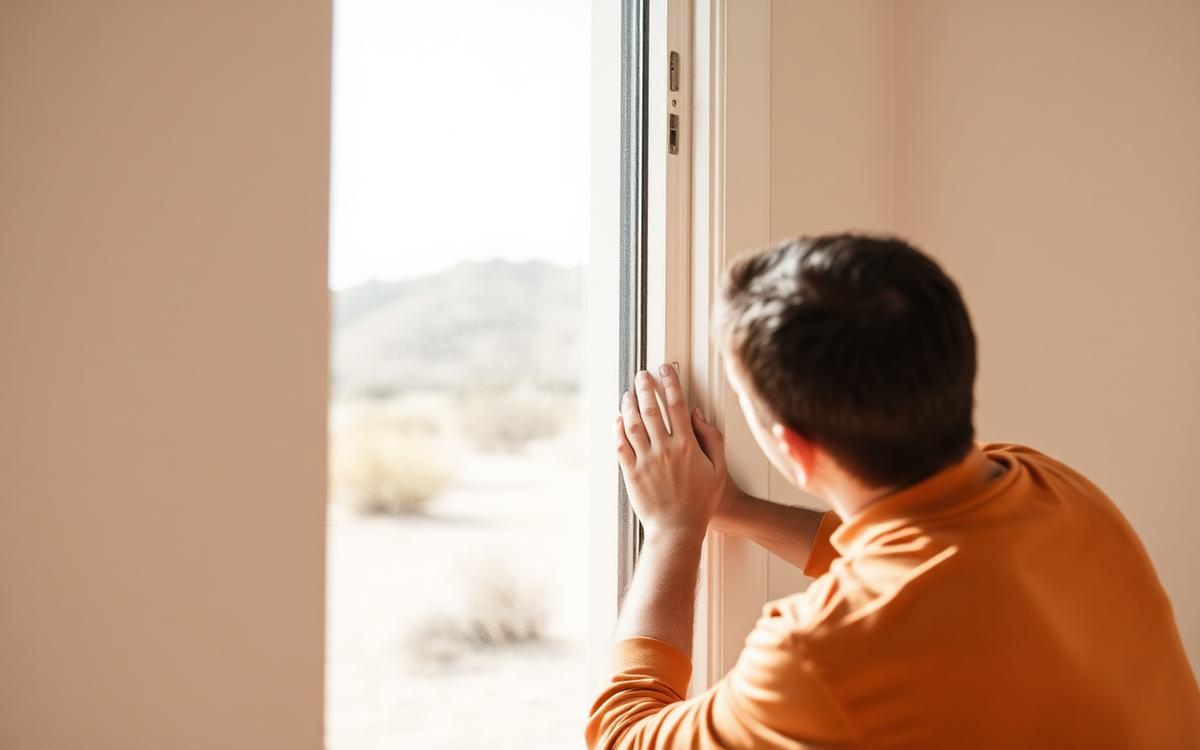
Reviewed against primary toxinology literature and IUCN assessments. This article is educational and is not medical advice — in an emergency contact your local poison centre or emergency services.
Scorpions and spiders don't invade homes out of aggression — they come in search of three things: shelter, moisture, and food. Understanding that motivation is the key to effective, long-term prevention, rather than relying solely on pesticide sprays that treat symptoms without addressing the root causes.
This guide walks through a layered approach to scorpion- and spider-proofing your home: sealing entry points, reducing attractants, and using targeted treatments only where necessary. It draws on integrated pest management (IPM) principles used by professional pest control services and extension entomologists.
Why They Come Inside
Scorpions are drawn indoors primarily by moisture and prey availability, especially during hot, dry spells when outdoor humidity drops. They often follow insect prey — crickets, roaches, and other bugs — right through the same gaps those insects use to enter.
Spiders similarly follow food sources, but many species also seek dark, undisturbed corners for web-building. A cluttered garage, seldom-used closet, or stack of cardboard boxes is prime spider real estate.
Sealing Entry Points
- Inspect and caulk gaps around window frames, door frames, and utility penetrations (pipes, cables, vents) — scorpions can squeeze through openings as thin as a credit card.
- Install or repair door sweeps on exterior doors; gaps under doors are a top entry point for both scorpions and spiders.
- Repair torn window screens and ensure they fit snugly in frames.
- Seal cracks in the foundation and around the base of exterior walls.
- Check weep holes in brick veneer for mesh screens designed to keep pests out while allowing drainage.
Don't Forget the Roofline
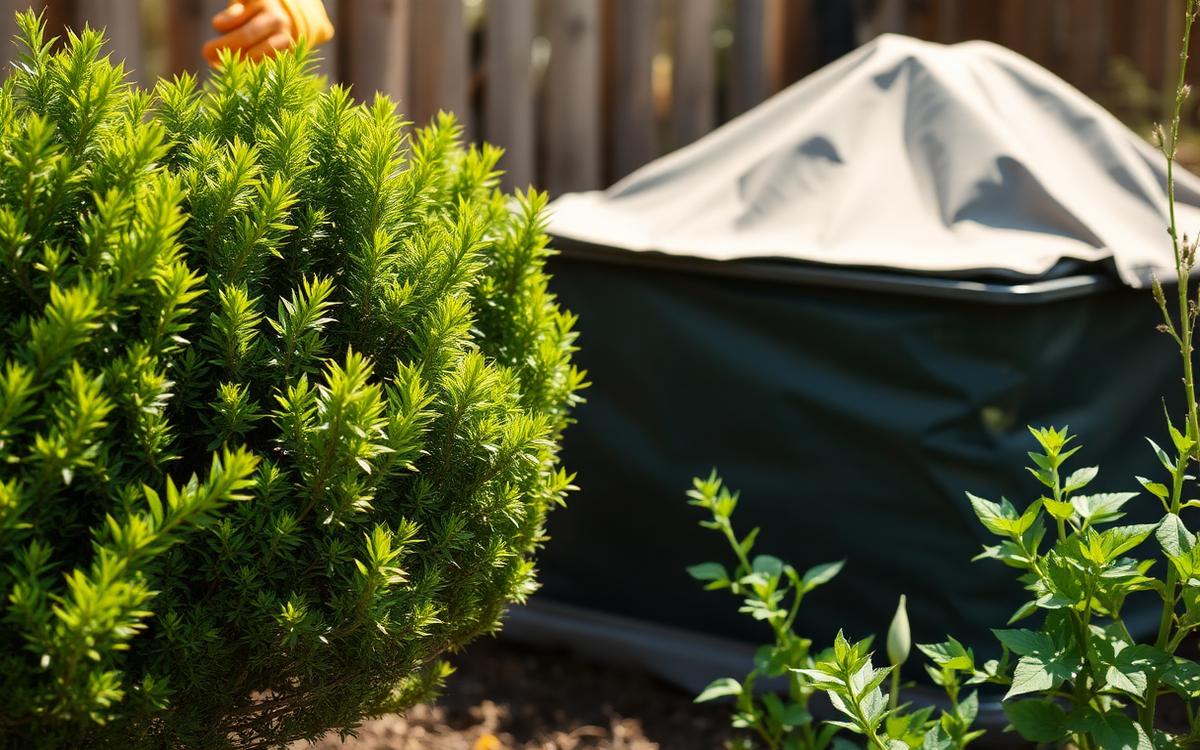
Overhanging tree branches and shrubs touching the house create a literal bridge for spiders and, in the case of some scorpion species, easy access to attic and roof vents. Trim vegetation back at least a foot from exterior walls and rooflines.
Reduce What Attracts Them
Since both pests are largely drawn in by prey insects, reducing the overall insect population around your home indirectly reduces scorpion and spider presence. Outdoor lighting is a major factor — bright white lights attract flying insects, which in turn attract spiders and the insects scorpions eat.
- Switch outdoor bulbs to yellow "bug" lights or motion-activated fixtures to reduce insect attraction.
- Fix leaky outdoor faucets and eliminate standing water sources near the foundation.
- Store firewood and building materials away from the house, elevated off the ground.
- Reduce clutter in garages, sheds, and basements where spiders build undisturbed webs.
Indoor Monitoring and Removal
Sticky glue traps placed along baseboards in garages, closets, and basements are an effective, low-toxicity way to monitor scorpion and spider activity without chemicals. A UV flashlight at night can also help locate scorpions, since their exoskeletons fluoresce a distinctive blue-green under UV light.
If you find a scorpion or spider indoors, avoid handling it directly. Use a jar-and-paper method to trap and relocate it outdoors, or contact pest control for species you can't confidently identify, especially in regions with medically significant species like the Arizona bark scorpion or brown recluse spider.
When to Call a Professional
If sealing and reducing attractants doesn't resolve recurring sightings, or if you live in a region with medically significant species, a licensed pest control professional can apply targeted perimeter treatments that are more effective and longer-lasting than store-bought sprays.
Editor's note: Regions with Arizona bark scorpions or widow/recluse spider populations warrant extra caution — consult local extension services for species-specific guidance before attempting DIY treatment.
Key takeaways
- Scorpions and spiders enter homes seeking shelter, moisture, and prey insects, not out of aggression.
- Sealing gaps around doors, windows, and utility penetrations is the most effective long-term prevention.
- Reducing outdoor lighting attraction and standing water lowers insect populations that draw in scorpions and spiders.
- UV flashlights can help detect scorpions at night since their exoskeletons fluoresce under UV light.
- Professional pest control is worth considering in regions with medically significant species.
Frequently asked questions
What smells repel scorpions and spiders?+
Some people report success with essential oils like lavender or cedar as mild deterrents, but there is limited rigorous evidence they work reliably; sealing entry points is far more effective.
Do scorpions and spiders die in the winter?+
Many species become dormant or seek shelter indoors during cold months rather than dying, which is why sealing entry points before winter is especially important.
Are house spiders dangerous?+
Most common house spiders are harmless to humans; only a few species, like widow spiders and recluse spiders, are medically significant and warrant extra caution.
How do I know if I have a scorpion infestation?+
Frequent sightings, especially indoors at night, along with finding them under UV light in multiple rooms, suggest an established population rather than an occasional wanderer.