Spiders & Scorpions · Cornerstone guide
Arizona Bark Scorpion: The Most Medically Significant Scorpion in North America
Small, pale, and often hiding in woodpiles or shoes, the Arizona bark scorpion delivers the most dangerous sting of any scorpion native to the United States.
 By Mahmoud OsamaSenior Wildlife Researcher & Editor-in-ChiefPublished 5 September 2025 · Updated 5 September 2025 · 8 min read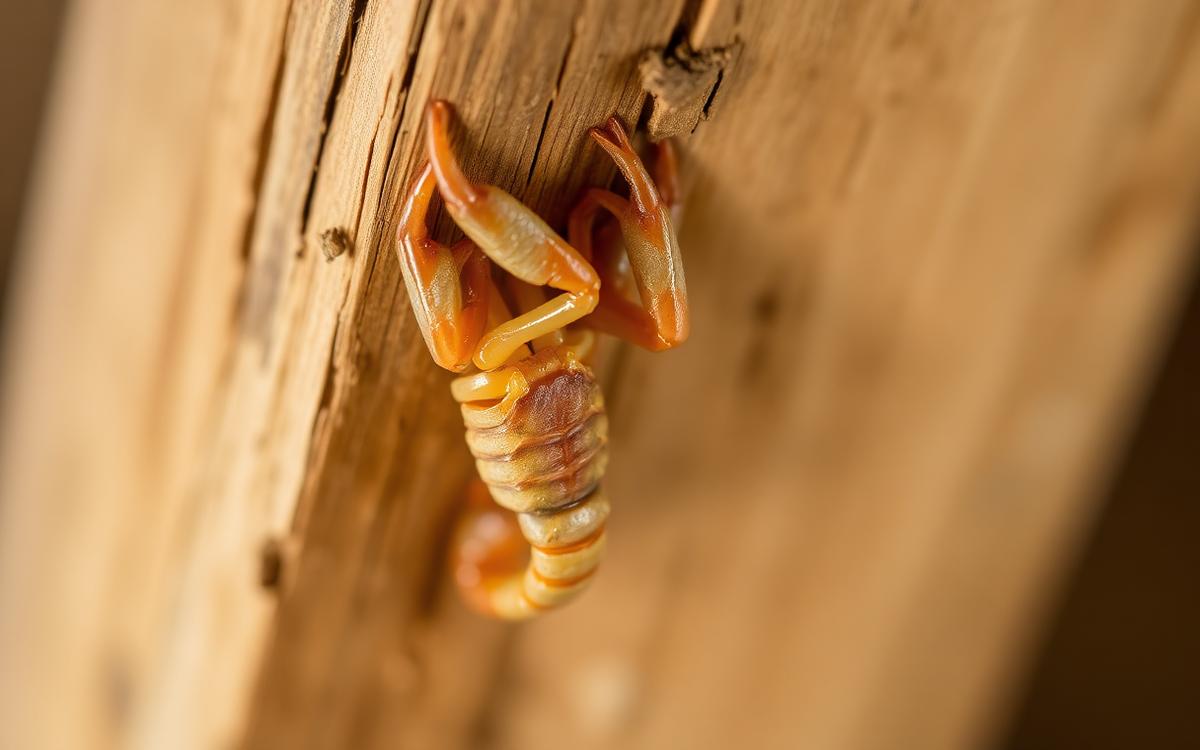
Reviewed against primary toxinology literature and IUCN assessments. This article is educational and is not medical advice — in an emergency contact your local poison centre or emergency services.
The Arizona bark scorpion (Centruroides sculpturatus) is the only scorpion species in the United States whose sting is considered medically significant enough to occasionally require hospital treatment and antivenom. Native to the Sonoran Desert region spanning Arizona, parts of California, New Mexico, and Mexico, this slender, straw-colored arachnid rarely exceeds three inches in length, yet its neurotoxic venom can cause intense pain, numbness, and, in vulnerable individuals, systemic symptoms severe enough to require intensive monitoring.
Unlike most scorpions, which are solitary ground-dwellers, bark scorpions are strong climbers capable of scaling stucco walls, tree bark, and the undersides of furniture, which explains their name and their tendency to turn up indoors in patio furniture, shoes, and bedding. Understanding where they live, what their sting feels like, and when to seek care is essential for residents of the desert Southwest.
Identification and Habitat
Arizona bark scorpions are translucent yellow-tan, slender-bodied, and have a thin tail relative to their pincers, distinguishing them from bulkier, less dangerous species such as the desert hairy scorpion. Adults typically measure 5–8 centimeters.
Where they hide
- Beneath tree bark, especially mesquite and palo verde
- Woodpiles, palm fronds, and stacked lumber
- Inside homes: closets, shoes, bedding, and bathroom fixtures
- Crevices in stucco, block walls, and rock landscaping
Their climbing ability sets them apart from nearly every other North American scorpion species, allowing them to invade upper floors and ceilings of homes near desert habitat.
Venom and Sting Symptoms
Bark scorpion venom contains neurotoxins that interfere with sodium channels in nerve cells, causing prolonged nerve firing rather than tissue destruction. This produces a sting that is often described as intensely painful but leaves little to no visible mark, which can confuse first responders unfamiliar with the species.
- Immediate, sharp, burning pain at the sting site
- Numbness or tingling radiating from the site
- Muscle twitching or jerking, especially in children
- Blurred vision, roving eye movements, and slurred speech in severe pediatric cases
- Difficulty breathing or swallowing in rare, severe reactions
Most healthy adults experience several hours to a couple of days of pain and numbness without progressing to systemic illness. Young children and, less commonly, elderly or immunocompromised adults face the highest risk of severe neuromuscular symptoms.
Treatment and Antivenom
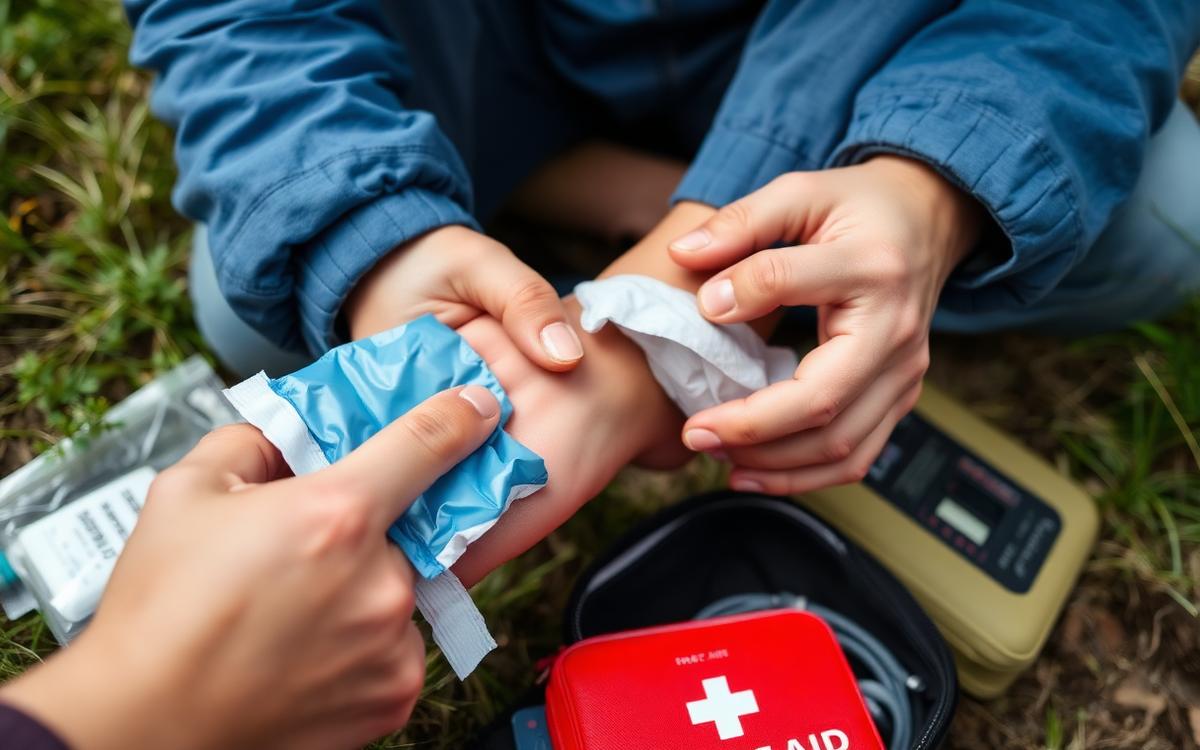
For most stings, treatment is supportive: pain control, cool compresses, and monitoring. In the United States, an antivenom product called Anascorp, derived from horse plasma and approved by the FDA in 2011, is used for children and adults showing significant systemic symptoms, dramatically reducing the need for intubation and sedation compared to supportive care alone.
Editor's note: Anyone stung who is under five years old, elderly, or developing systemic symptoms such as roving eyes or breathing difficulty should be evaluated at an emergency department immediately.
Poison control centers throughout Arizona and neighboring states are well versed in bark scorpion management and can guide caregivers on whether a sting warrants an ER visit.
Prevention Around the Home
- Seal cracks around doors, windows, and utility penetrations
- Remove woodpiles, leaf litter, and debris from near the foundation
- Shake out shoes and clothing left on the floor overnight
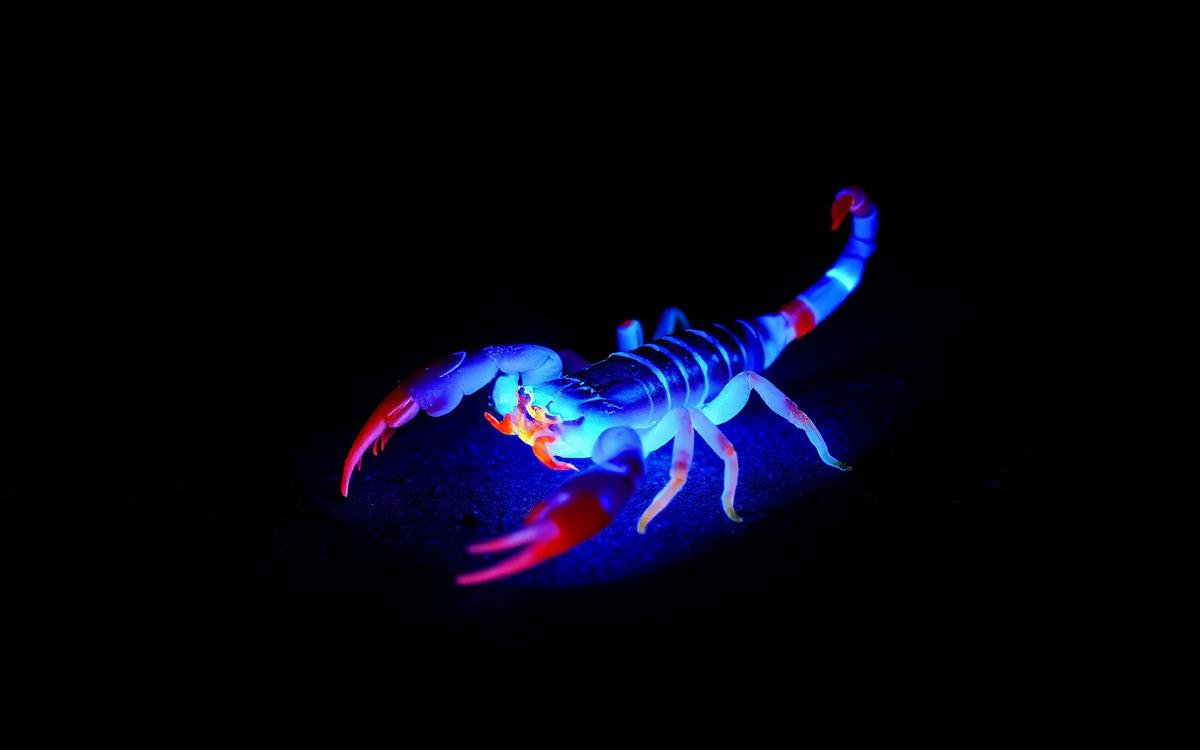
- Use yellow or UV blacklight inspections after dark, since scorpions fluoresce brightly
- Apply residual pesticide barriers seasonally in high-risk regions
Because bark scorpions can enter through gaps as small as a credit card's edge, exclusion is generally more effective long-term than chemical treatment alone.
Key takeaways
- The Arizona bark scorpion is the only US scorpion species with medically significant, occasionally life-threatening venom.
- It is a skilled climber, often found on walls, in trees, and inside homes.
- Symptoms include severe pain and numbness with little visible swelling.
- Anascorp antivenom is available for severe pediatric and adult cases.
- Sealing entry points and clearing debris are the most effective prevention strategies.
Frequently asked questions
Is the Arizona bark scorpion sting deadly?+
Deaths are extremely rare in modern times due to available medical care, but severe reactions in young children can be serious without treatment.
How can I tell a bark scorpion from other desert scorpions?+
Bark scorpions are slender, pale tan, and climb walls and trees, whereas bulkier species like the desert hairy scorpion are darker and stay on the ground.
Do bark scorpions glow under UV light?+
Yes, like nearly all scorpions, their exoskeleton fluoresces blue-green under ultraviolet light, making nighttime inspections easier.
What should I do immediately after a sting?+
Clean the area, apply a cool compress, take over-the-counter pain relief, and monitor for numbness spreading or muscle twitching, seeking care if symptoms worsen.