Spiders & Scorpions · Cornerstone guide
Scorpion Sting First Aid: What to Do in the First Hour
Most scorpion stings are painful but not dangerous, yet knowing the warning signs that separate a routine sting from a medical emergency can save a life.
 By Mahmoud OsamaSenior Wildlife Researcher & Editor-in-ChiefPublished 5 November 2025 · Updated 5 November 2025 · 8 min read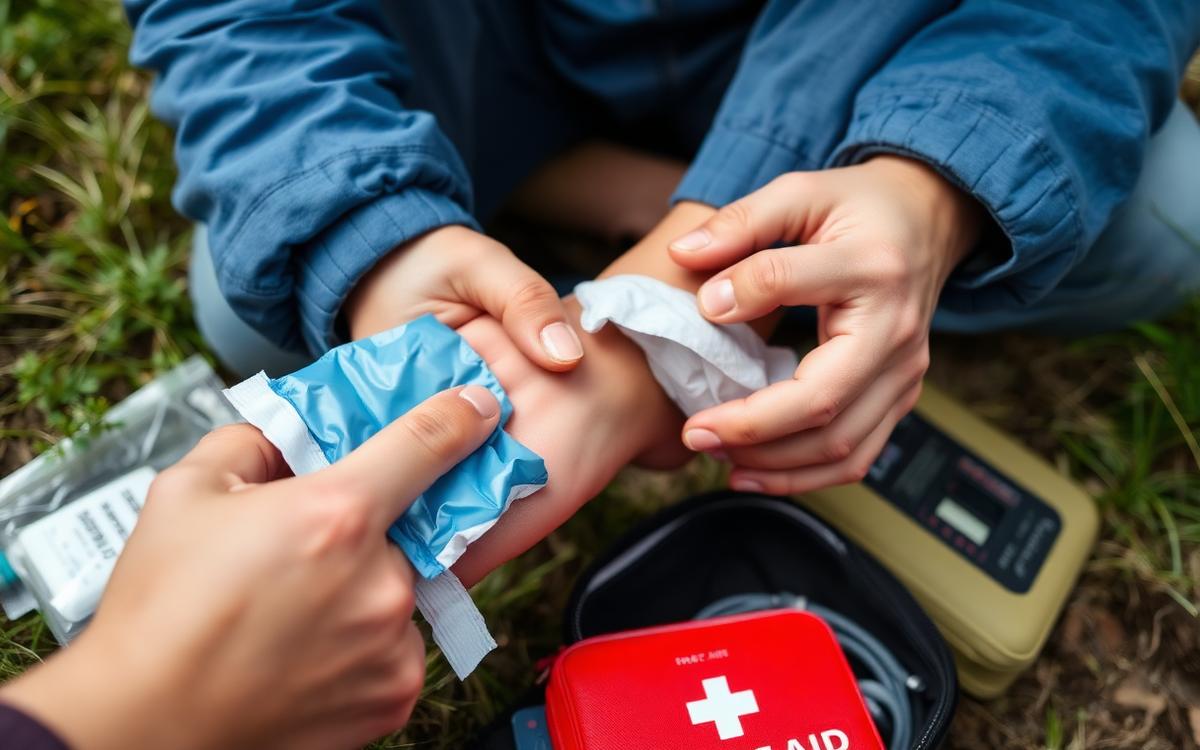
Reviewed against primary toxinology literature and IUCN assessments. This article is educational and is not medical advice — in an emergency contact your local poison centre or emergency services.
The vast majority of the roughly 1,500 scorpion species worldwide have venom no more dangerous than a wasp sting, causing pain, redness, and mild swelling that resolve within a day. However, roughly two dozen species, including several discussed elsewhere on this site, carry venom capable of causing severe systemic illness, particularly in children, the elderly, and people with underlying health conditions. Knowing basic first aid steps, and more importantly, recognizing the warning signs that demand emergency care, can make the difference between a bad night and a medical crisis.
This guide walks through what to do immediately after a sting, what symptoms should prompt an ER visit, and what NOT to do, since several traditional remedies for scorpion stings can actually make things worse.
Immediate First Aid Steps
- Stay calm and move away from the area where the scorpion was encountered
- Wash the sting site gently with soap and water
- Apply a cool compress or ice pack wrapped in cloth to reduce pain and swelling
- Take an over-the-counter pain reliever such as acetaminophen or ibuprofen if needed
- Keep the affected limb at or below heart level to reduce swelling
- Remove tight rings, watches, or jewelry near the sting site in case of swelling
For the majority of stings worldwide, these steps combined with time are enough; pain and numbness typically peak within a few hours and fade over one to three days.
Warning Signs That Require Emergency Care
Systemic symptoms indicate that venom is affecting more than the local sting site and require prompt medical evaluation, ideally at an emergency department.
- Difficulty breathing, swallowing, or speaking
- Uncontrollable muscle twitching, jerking, or drooling, especially in children
- Roving or abnormal eye movements
- Severe abdominal pain, vomiting, or profuse sweating
- Rapid or irregular heartbeat, chest pain, or signs of shock
- Any sting to a child under age six, regardless of visible symptoms
Call for help right away
In a true emergency, call local emergency services immediately rather than driving yourself, particularly if symptoms are worsening or breathing is affected.
Common Mistakes to Avoid
- Do not apply a tight tourniquet; this can cause tissue damage without meaningfully slowing venom spread
- Do not cut the wound or attempt to suck out venom, a practice with no proven benefit and real infection risk
- Do not apply ice directly to skin without a cloth barrier, which can cause frostbite
- Do not rely solely on home remedies like toothpaste, alcohol, or urine, which have no scientific backing
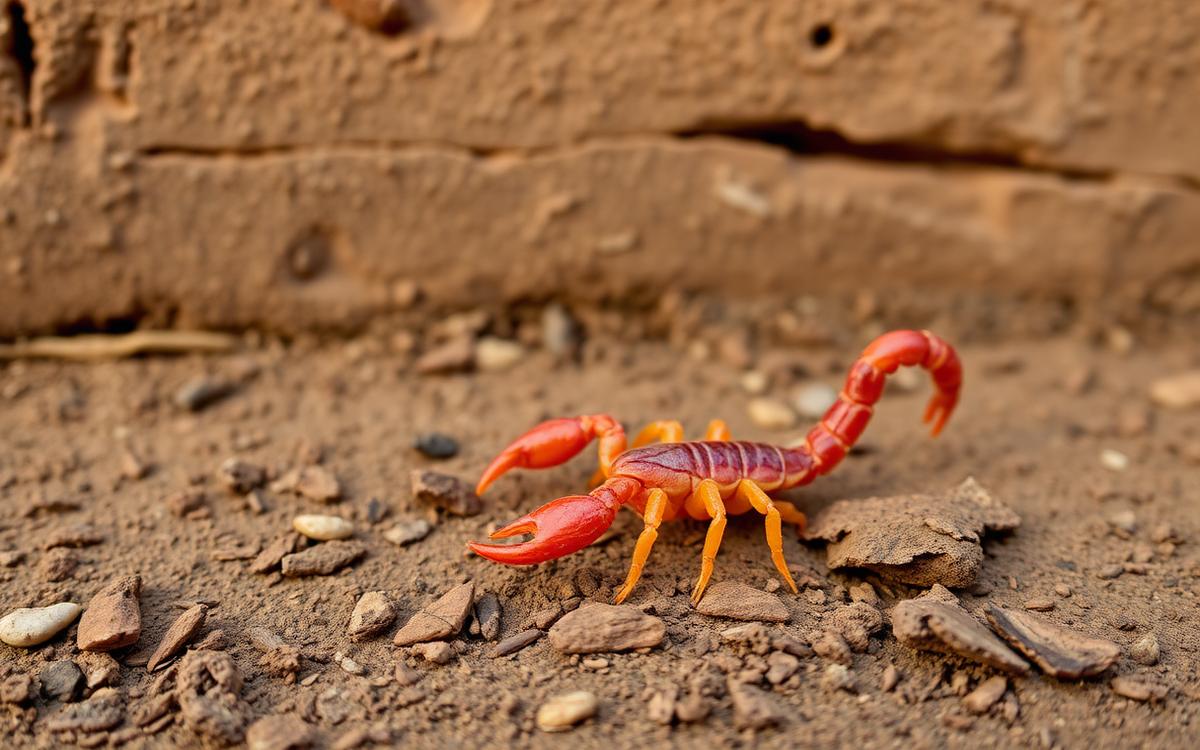
- Do not assume all scorpion species are equally dangerous; identification, when safely possible, helps guide care
If the scorpion can be safely photographed or captured in a sealed container without further risk, this can help medical staff identify the species and tailor treatment, though safety should always come first.
When to Contact Poison Control
In countries with poison control hotlines, such as the United States' Poison Help line, calling after any scorpion sting, even a seemingly mild one, is a reasonable precaution. Poison control specialists can help assess symptom severity over the phone and advise whether home observation is sufficient or an ER visit is warranted.
Editor's note: Keep the regional poison control number saved in your phone if you live in or are traveling to a scorpion-endemic area.
Key takeaways
- Most scorpion stings can be managed at home with cold compresses and pain relievers.
- Systemic symptoms like breathing trouble, drooling, or eye movement abnormalities require emergency care.
- Children under six should always be evaluated by a doctor after any scorpion sting.
- Tourniquets, cutting the wound, and folk remedies do not help and can cause harm.
- Poison control centers can help assess sting severity over the phone.
Frequently asked questions
Can I treat a scorpion sting at home?+
Yes, for most species and most healthy adults, home care with cold compresses and pain relievers is sufficient.
How long does scorpion sting pain last?+
Typically a few hours to a couple of days, though numbness or tingling can occasionally last longer.
Should I try to catch the scorpion that stung me?+
Only if it can be done safely; identification can help guide treatment, but personal safety always comes first.
Is a tourniquet a good idea for a scorpion sting?+
No, tourniquets are not recommended and can cause tissue damage without slowing venom effects.
When should a child be seen by a doctor after a sting?+
Any scorpion sting in a young child warrants medical evaluation given their higher risk of systemic symptoms.