Spiders & Scorpions · Supporting guide
Indian Red Scorpion: South Asia's Most Medically Important Scorpion
Despite its modest size, the Indian red scorpion causes some of the most severe cardiovascular scorpion sting reactions documented anywhere in the world.
 By Mahmoud OsamaSenior Wildlife Researcher & Editor-in-ChiefPublished 5 October 2025 · Updated 5 October 2025 · 7 min read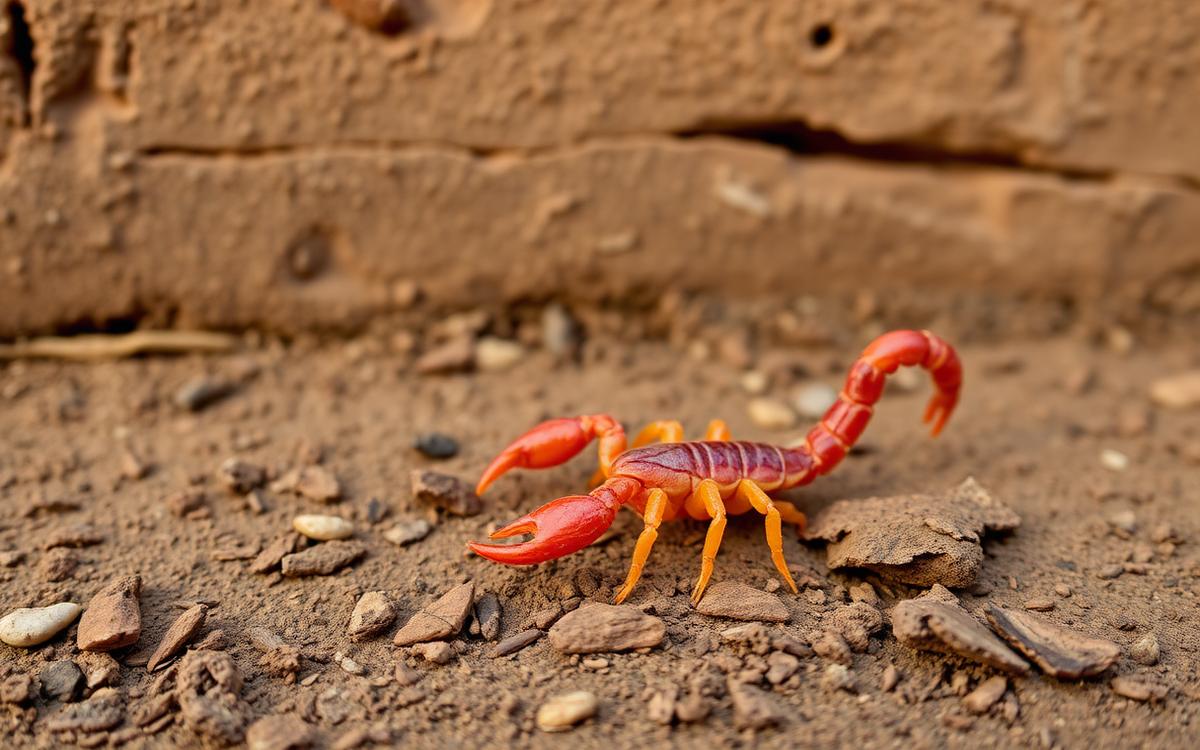
Reviewed against primary toxinology literature and IUCN assessments. This article is educational and is not medical advice — in an emergency contact your local poison centre or emergency services.
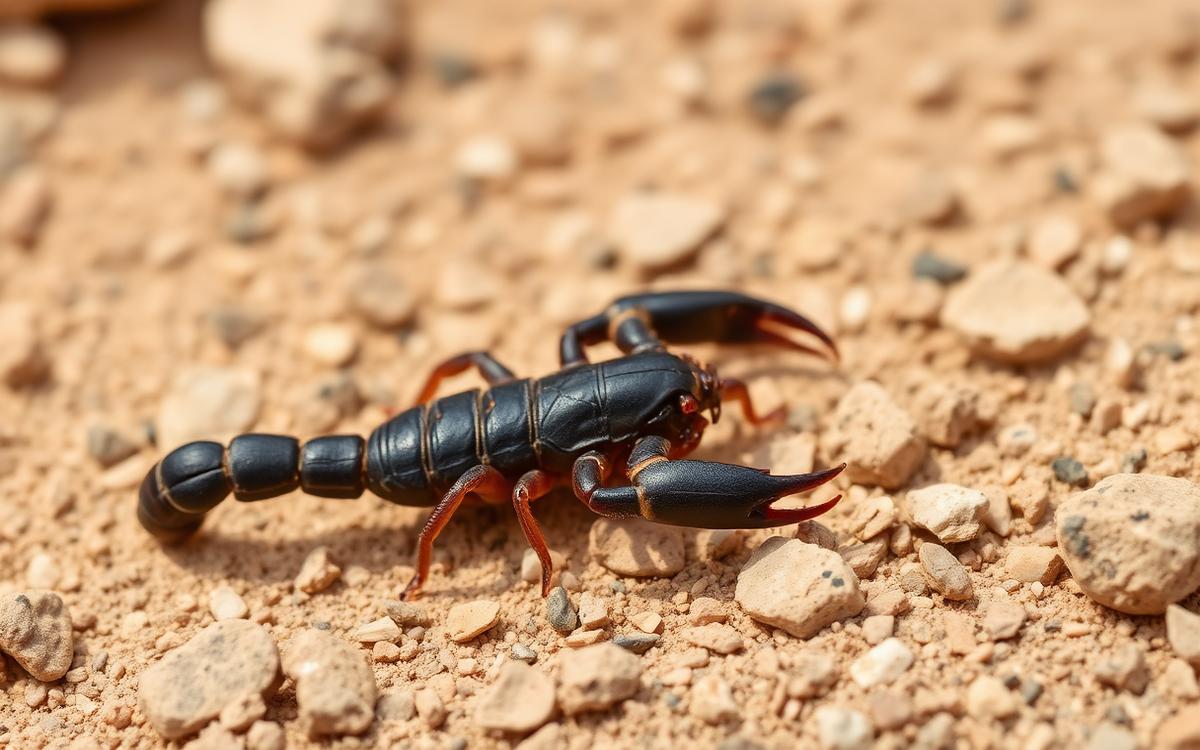
The Indian red scorpion (Hottentotta tamulus, formerly Mesobuthus tamulus) is a small, reddish-brown scorpion found across India, Pakistan, Nepal, and Sri Lanka that punches far above its size in medical significance. Despite reaching only about 8–9 centimeters, its venom is capable of triggering a cascade of cardiovascular effects, including dangerously elevated blood pressure, heart failure, and pulmonary edema, particularly in children and untreated adults.
It is considered one of the most medically important scorpions in Asia, alongside select species in the Middle East and North Africa, and has been the subject of extensive clinical research aimed at understanding and treating its distinctive autonomic storm of symptoms.
Appearance and Range
Hottentotta tamulus is reddish-brown to yellowish, with a moderately thick tail and comparatively slender pincers. It thrives in agricultural areas, under rocks, in leaf litter, and inside rural homes, where it often comes into contact with farmworkers and sleeping children.
- Found throughout peninsular India, Sri Lanka, Pakistan, and parts of Nepal
- Common in agricultural fields, granaries, and rural housing
- Most active at night, especially during the humid monsoon season
- Reaches roughly 8–9 centimeters at maturity
The Autonomic Storm
What sets Hottentotta tamulus apart clinically is the venom's ability to trigger a massive release of catecholamines, hormones that drive the body's fight-or-flight response. This produces a distinctive pattern doctors call an "autonomic storm."
- Sudden spikes in blood pressure followed by dangerous drops
- Rapid, irregular heartbeat
- Profuse sweating and vomiting
- Pulmonary edema, fluid accumulating in the lungs
- Acute heart failure in severe, untreated cases, particularly in children
Because these symptoms mimic several cardiac emergencies, prompt recognition that a scorpion sting is the underlying cause is critical for correct treatment.
Treatment Approaches
Management combines species-specific antivenom, where available, with vasodilator medications such as prazosin, which counteracts the catecholamine surge and has been shown in clinical studies to significantly reduce complications and mortality.
Editor's note: Prazosin therapy, pioneered through research in Indian hospitals, remains a cornerstone treatment for Hottentotta tamulus stings even where antivenom access is limited.
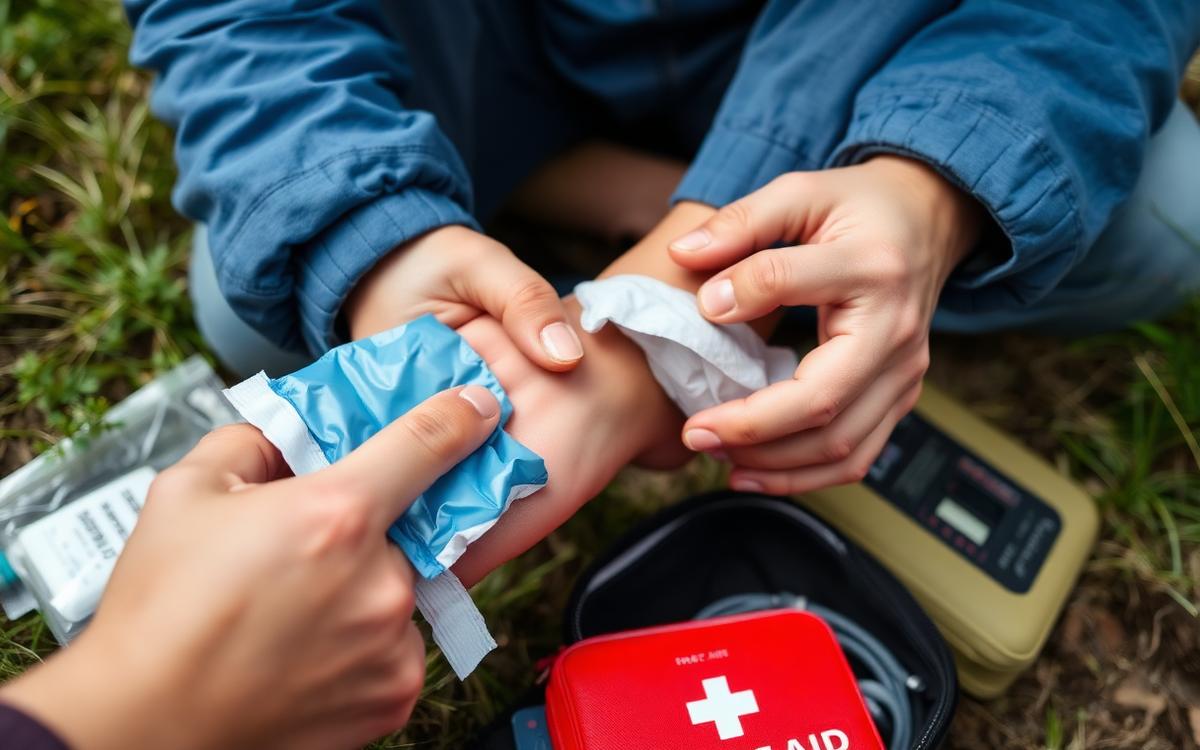
Supportive care for pulmonary edema and cardiac monitoring in an intensive care setting is recommended for any patient showing signs of the autonomic storm.
Rural Prevention Strategies
- Check bedding and footwear before use in rural or agricultural housing
- Store grain and firewood away from living spaces
- Use torches or lights when walking outside at night during monsoon season
- Seek care immediately for any sting in a child, given the higher complication risk
Key takeaways
- The Indian red scorpion is small but causes severe cardiovascular reactions in a subset of victims.
- Its venom triggers an 'autonomic storm' of catecholamine release affecting heart and blood pressure.
- Prazosin is a key medication used alongside antivenom for treatment.
- Children face the highest risk of severe complications including pulmonary edema.
- Rural agricultural areas of South Asia see the highest sting incidence.
Frequently asked questions
How dangerous is an Indian red scorpion sting?+
It can be life-threatening, especially in children, due to cardiovascular complications, though most adult stings are treatable with prompt medical care.
What is prazosin used for in scorpion stings?+
Prazosin is a vasodilator drug that counters the dangerous blood pressure swings caused by the venom's catecholamine surge.
Where is the Indian red scorpion found?+
It is found across India, Pakistan, Sri Lanka, and Nepal, particularly in agricultural and rural areas.
Is antivenom always necessary for this species?+
Not always; many mild stings are managed with pain control and monitoring, but antivenom plus prazosin is recommended for systemic symptoms.