Spiders & Scorpions · Supporting guide
Androctonus: The Fat-Tailed Scorpions Behind Most African Scorpion Deaths
With thick tails packed with muscle and highly potent neurotoxic venom, Androctonus species are considered among the deadliest scorpions in the world.
 By Mahmoud OsamaSenior Wildlife Researcher & Editor-in-ChiefPublished 20 September 2025 · Updated 20 September 2025 · 7 min read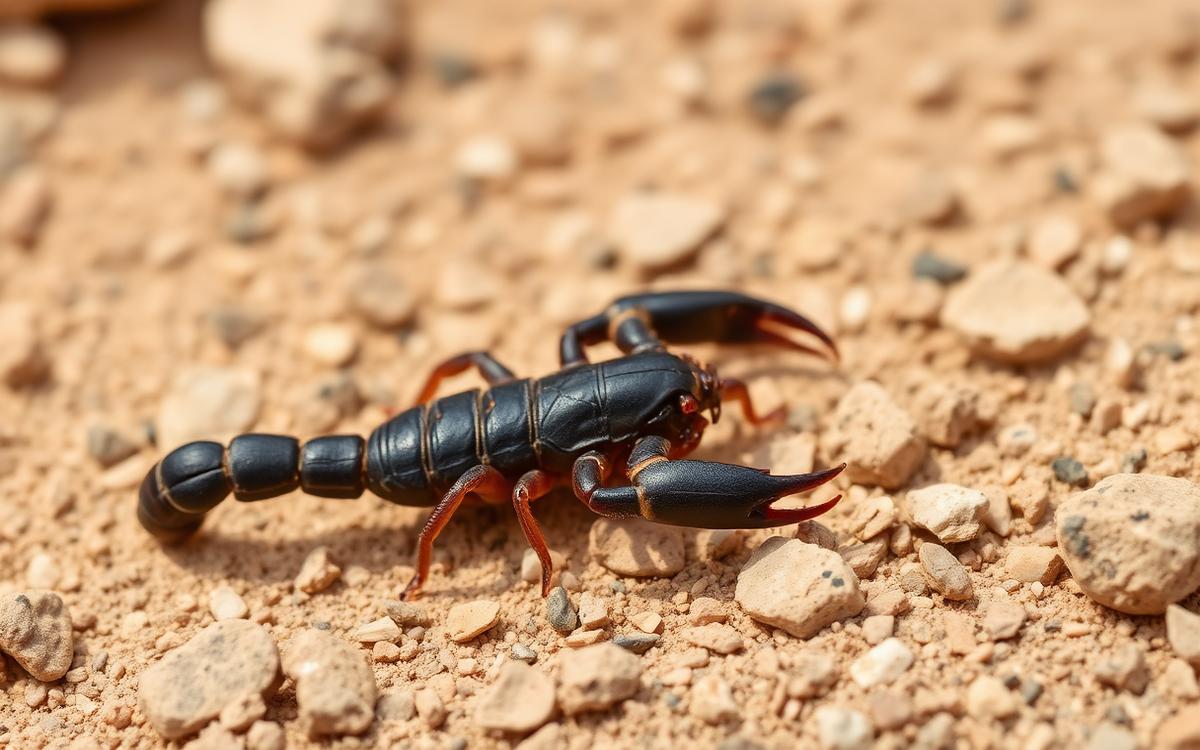
Reviewed against primary toxinology literature and IUCN assessments. This article is educational and is not medical advice — in an emergency contact your local poison centre or emergency services.
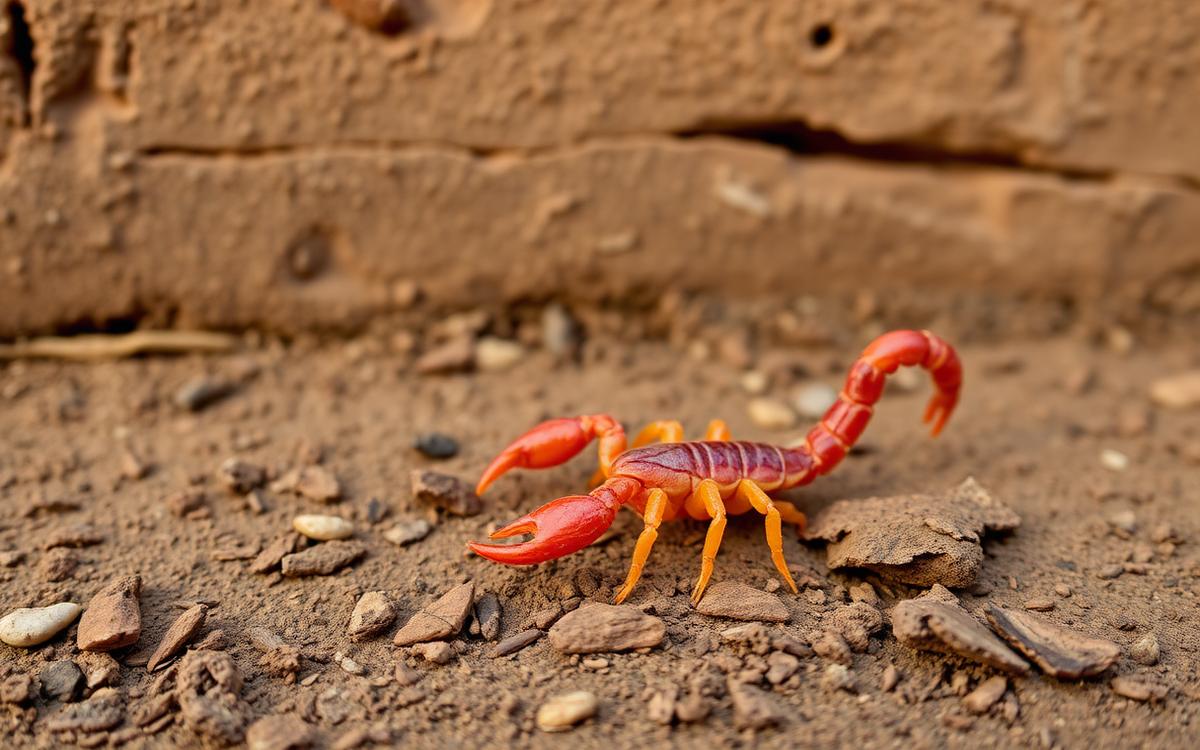
The genus Androctonus, whose name derives from Greek for "man-killer," comprises around a dozen species of fat-tailed scorpions found across North Africa, the Sahel, and the Middle East. Unlike many dangerous scorpions that rely on large, crushing pincers, Androctonus species have relatively small pincers and instead invest their defense entirely in a thick, muscular tail and a venom gland capable of delivering a large dose of highly potent neurotoxin.
Species such as Androctonus australis (the North African fat-tailed scorpion) and Androctonus crassicauda (the Arabian fat-tailed scorpion) are consistently implicated in the majority of scorpion sting fatalities in countries including Algeria, Tunisia, Morocco, and parts of the Middle East, particularly among children in rural areas with limited access to emergency care.
Species and Range
Androctonus includes roughly ten to twelve recognized species distributed from Morocco through Egypt, the Arabian Peninsula, and into parts of South Asia. They favor arid and semi-arid habitats: rocky outcrops, sand dunes, and dry scrubland.
- Androctonus australis – North Africa, especially Algeria and Tunisia
- Androctonus crassicauda – Middle East and Arabian Peninsula
- Androctonus amoreuxi – Sahara and Sahel regions
- Androctonus bicolor – parts of the Middle East and Horn of Africa
All species share the diagnostic thick tail segments and comparatively slender pincers that distinguish the genus from bulkier, less dangerous scorpions.
Why the Venom Is So Dangerous
Androctonus venom is a cocktail of sodium and potassium channel toxins that overstimulate the nervous system, triggering a surge of neurotransmitter release. This can cause cardiovascular and respiratory complications well beyond the localized pain typical of most scorpion stings.
- Excruciating, immediate pain far exceeding a typical scorpion sting
- Excessive sweating, salivation, and vomiting
- Elevated or irregular heart rate and blood pressure changes
- Pulmonary edema in severe untreated cases
- Respiratory failure, primarily in young children
Public health researchers in Algeria and Tunisia have documented that a large share of severe pediatric scorpion sting cases nationally are attributable to Androctonus species, underscoring the genus's outsized medical importance relative to its geographic range.
Public Health Impact
Scorpion stings remain a significant rural public health issue across North Africa, with tens of thousands of stings reported annually in countries like Tunisia and Algeria. Most stings occur at night when scorpions seek warmth or forage, and most fatalities occur in children under ten who receive care too late.
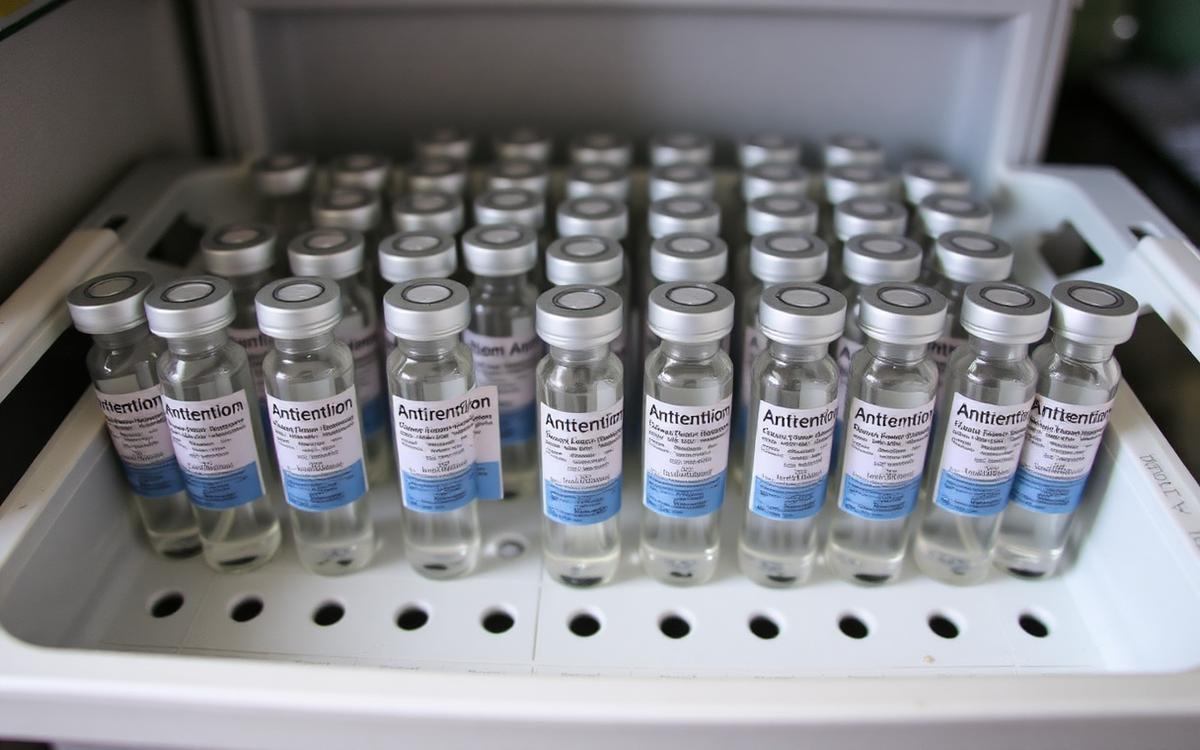
Editor's note: Reducing pediatric mortality from Androctonus stings depends heavily on rapid access to regional antivenom and monitored care within the first hours after envenomation.
Health ministries in affected countries have invested in region-specific antivenoms and rural clinic stocking programs, which have measurably reduced case fatality rates over recent decades.
Reducing Risk in Endemic Areas
- Shake out shoes, clothing, and bedding before use
- Use mosquito nets tucked under mattresses, which also reduce scorpion contact
- Avoid walking barefoot at night near rural or rubble-strewn ground
- Seek immediate care for any sting in a child under five in endemic regions
Community education campaigns pairing prevention advice with clear guidance on when to seek antivenom have been among the most effective tools for reducing deaths in high-incidence regions.
Key takeaways
- Androctonus scorpions are responsible for most scorpion sting deaths in North Africa and parts of the Middle East.
- Their venom overstimulates the nervous system, potentially causing cardiovascular and respiratory failure.
- Children are at the highest risk of fatal outcomes.
- Regional antivenoms have significantly reduced case fatality rates where available.
- Simple prevention steps like shaking out shoes reduce sting incidents substantially.
Frequently asked questions
Is Androctonus the most dangerous scorpion genus in the world?+
It is widely regarded as one of the two or three most medically significant scorpion genera, alongside Leiurus and some Tityus species in the Americas.
How can you identify an Androctonus scorpion?+
Look for a thick, muscular tail relative to comparatively small, slender pincers, along with a sandy to dark brown coloration.
Are all Androctonus stings fatal?+
No, most adult stings cause severe pain without death, but children and untreated severe cases carry meaningful fatality risk.
Where is antivenom available for Androctonus stings?+
National health systems in Algeria, Tunisia, Morocco, and several Middle Eastern countries stock region-specific antivenoms in rural and hospital clinics.