Spiders & Scorpions · Supporting guide
Emperor Scorpion: Why the World's Largest Scorpion Makes a Low-Risk Pet
Despite its imposing size and fearsome pincers, the emperor scorpion has venom no more dangerous than a bee sting, making it one of the safest scorpions to keep.
 By Mahmoud OsamaSenior Wildlife Researcher & Editor-in-ChiefPublished 20 October 2025 · Updated 20 October 2025 · 7 min read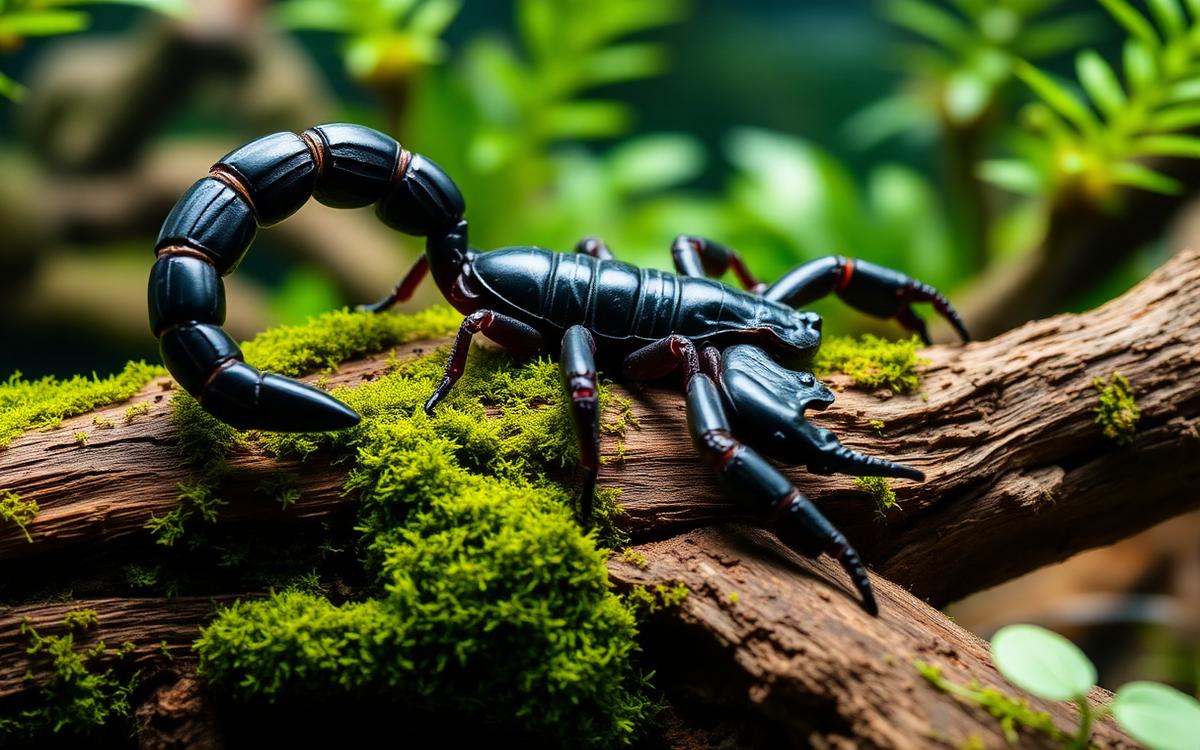
Reviewed against primary toxinology literature and IUCN assessments. This article is educational and is not medical advice — in an emergency contact your local poison centre or emergency services.
The emperor scorpion (Pandinus imperator) is among the largest scorpions in the world, with adults regularly reaching 15–20 centimeters and glossy black to dark-brown exoskeletons that give them an almost prehistoric appearance. Native to the rainforests and savannas of West Africa, this impressive size and imposing set of pincers might suggest a dangerously venomous animal, but emperor scorpions actually rely primarily on their strength to subdue prey and defend themselves, reserving their comparatively mild venom as a last resort.
This combination of dramatic appearance and low medical risk has made the emperor scorpion one of the most popular scorpion species in the exotic pet trade, alongside being widely used in zoo education programs. However, the same popularity has raised conservation concerns due to wild collection pressure in parts of its native range.
Venom and Sting Risk
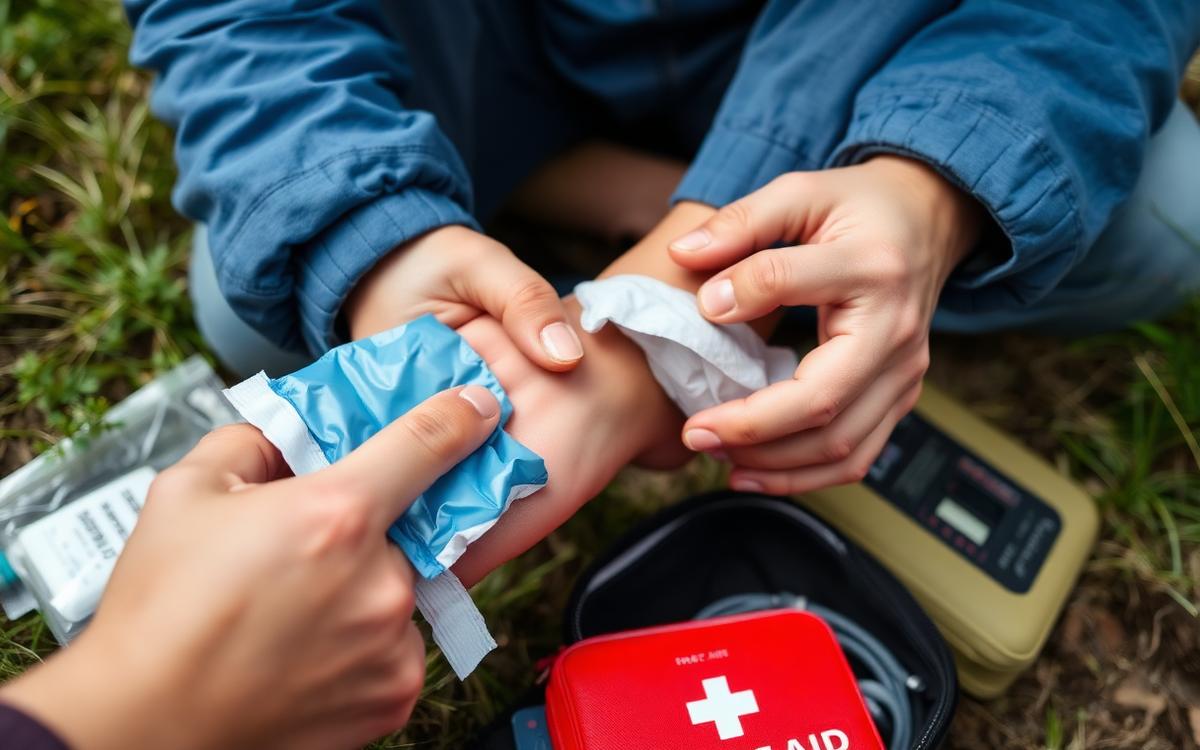
Emperor scorpion venom is considered mild, generally producing effects comparable to a bee or wasp sting: localized pain, redness, and mild swelling that resolve within a day or two for the vast majority of people. Serious allergic reactions are possible but rare, similar to other insect sting allergies.
- Sting pain typically mild to moderate, rarely requiring more than ice and OTC pain relief
- Large pincers can pinch firmly, sometimes causing more discomfort than the sting itself
- Severe reactions are uncommon and usually linked to individual allergy rather than venom potency
- Considered safe enough for supervised educational handling by trained keepers
Care Requirements as a Pet
Emperor scorpions are relatively hardy captives, but they require a humid, warm enclosure that mimics their West African rainforest floor habitat.
Basic husbandry needs
- Substrate of moist coconut fiber or peat, at least 4–6 inches deep for burrowing
- Temperatures maintained around 78–85°F (25–29°C)
- Humidity kept between 70–80%, requiring regular misting
- Hides such as cork bark or half-logs to reduce stress
- Diet of crickets, roaches, and occasional pinky mice for adults
They are relatively docile and often tolerate gentle handling better than many scorpion species, though like all scorpions they should never be handled by children unsupervised or squeezed, which can provoke defensive stinging or pinching.
Conservation Status and Trade
Wild emperor scorpion populations in countries such as Togo, Ghana, and Benin have faced pressure from large-scale collection for the pet trade, prompting CITES to list the species under Appendix II, requiring export permits and quotas to ensure sustainable trade.
Editor's note: Buyers seeking emperor scorpions as pets are encouraged to purchase captive-bred individuals, which are widely available and reduce pressure on wild populations.
Captive breeding has become increasingly common among reptile and invertebrate specialty breeders, making wild-caught specimens less necessary for the hobbyist market than in past decades.
Natural Behavior in the Wild
- Nocturnal burrowers that dig extensive tunnel systems in soft rainforest soil
- Exhibit some of the strongest documented maternal care among scorpions, carrying young on their backs for weeks
- Live in loose social groupings in the wild, unusual among typically solitary scorpions
- Feed opportunistically on insects, small vertebrates, and other invertebrates
Key takeaways
- Emperor scorpions are among the largest scorpion species but have mild, low-risk venom.
- Their sting is comparable to a bee sting for most people, with serious reactions being rare.
- They require warm, humid enclosures with deep burrowing substrate as pets.
- The species is CITES Appendix II listed due to wild collection pressure.
- Captive-bred individuals are widely available and preferred for the pet trade.
Frequently asked questions
Are emperor scorpions dangerous to keep as pets?+
No, their venom is mild and comparable to a bee sting, making them one of the safer scorpion species for experienced keepers.
How big do emperor scorpions get?+
Adults typically reach 15–20 centimeters, making them one of the largest scorpion species in the world.
Do emperor scorpions need a permit to own?+
Requirements vary by country and state; check local exotic pet regulations, as CITES Appendix II status affects international trade and import documentation.
Can emperor scorpions live together?+
Yes, unlike many scorpion species, emperor scorpions can sometimes tolerate communal housing, though monitoring for aggression is still recommended.