Reptiles & Amphibians · Cornerstone guide
Russell's Viper and the South Asian Snakebite Crisis
Russell's viper is one of Asia's 'big four' medically important snakes, responsible for tens of thousands of severe bites each year across farming communities.
 By Mahmoud OsamaSenior Wildlife Researcher & Editor-in-ChiefPublished 1 October 2025 · Updated 5 December 2025 · 8 min read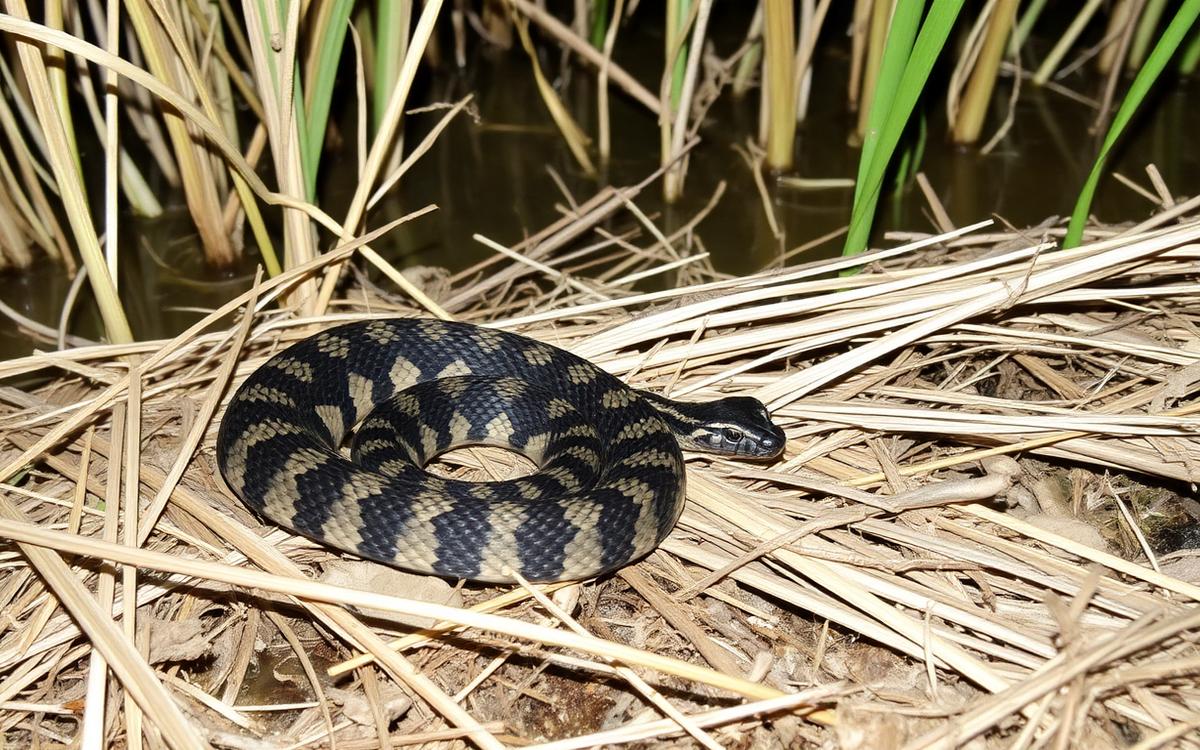
Reviewed against primary toxinology literature and IUCN assessments. This article is educational and is not medical advice — in an emergency contact your local poison centre or emergency services.
Russell's viper (Daboia russelii) is one of the 'big four' snake species responsible for the vast majority of snakebite deaths in India, Sri Lanka, Bangladesh, and parts of Southeast Asia. Unlike many venomous snakes that avoid people, Russell's vipers often live in agricultural fields, rice paddies, and near human dwellings, putting farmworkers at frequent risk, especially at night or during harvest.
Its venom is unusually complex, combining hemotoxic, cytotoxic, and sometimes neurotoxic effects that can cause internal bleeding, kidney failure, and tissue destruction. The World Health Organization considers snakebite a neglected tropical disease, and Russell's viper sits at the center of that public health challenge, causing an estimated tens of thousands of bites annually in South Asia alone.
Identification and Range
Russell's vipers are stout-bodied snakes with a distinctive pattern of three rows of dark brown, ring-edged blotches running the length of the body, giving it a chain-like appearance. They range from India and Sri Lanka through Bangladesh, Myanmar, Thailand, and parts of Indonesia and southern China.
- Length: typically 1-1.5 meters, occasionally longer
- Habitat: grasslands, scrubland, rice paddies, farmland
- Activity: primarily nocturnal, though active by day in cooler weather
Venom and Clinical Impact
Russell's viper venom is a complex mix of enzymes that trigger disseminated intravascular coagulation, acute kidney injury, and local tissue necrosis. In some populations, notably in parts of Sri Lanka, bites can also cause neurotoxic symptoms, a regional variation that complicates treatment.
- Hemotoxic effects: uncontrolled bleeding, blood that fails to clot
- Renal effects: acute kidney injury, sometimes requiring dialysis
- Local effects: swelling, blistering, tissue death at the bite site
- Some regional populations: neurotoxic signs like ptosis
Editor's note: Coagulation abnormalities can persist for days, so victims need extended hospital monitoring even after initial stabilization.
Public Health Burden
The WHO estimates that snakebite causes around 81,000 to 138,000 deaths globally each year, with South Asia bearing a disproportionate share, and Russell's viper is consistently among the top contributors to both bites and fatalities in India and Sri Lanka.
Rural agricultural workers, particularly those working barefoot in fields at dawn or dusk, face the highest risk. Delays in reaching hospitals with adequate antivenom stocks remain one of the largest drivers of preventable death.
Antivenom and Treatment Challenges
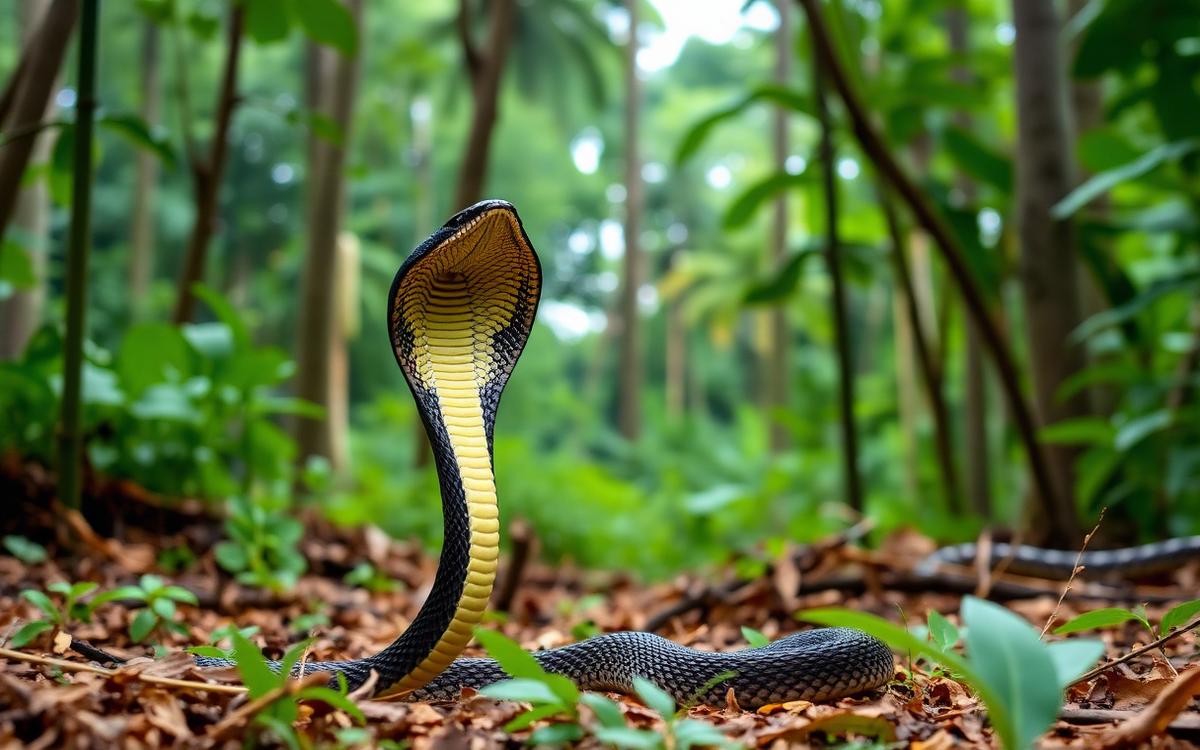
Polyvalent antivenom covering the 'big four' species (Russell's viper, Indian cobra, common krait, and saw-scaled viper) is manufactured in India and distributed regionally, but venom variation between geographic populations of Russell's viper can reduce antivenom effectiveness in some areas.
- Polyvalent antivenom is standard first-line treatment in India
- Regional venom variation can require higher doses or alternate products
- Early administration significantly reduces mortality and complications
Prevention in Farming Communities
Simple interventions have measurably reduced bite rates in high-risk regions: wearing boots in fields, using a flashlight at night, sleeping under bed nets to prevent snakes entering homes, and community education on avoiding leaf litter and grain stores where the snakes hide.
Public health programs increasingly focus on stocking rural clinics with antivenom and training local health workers to recognize and treat bites quickly, which has shown measurable reductions in mortality in pilot regions of India and Sri Lanka.
Key takeaways
- Russell's viper is a leading cause of snakebite death across South Asia.
- Its venom causes bleeding disorders, kidney failure, and tissue damage.
- It commonly lives near farmland, increasing risk for agricultural workers.
- Venom composition varies regionally, affecting antivenom effectiveness.
- Simple preventive measures like footwear and flashlights reduce bite risk.
Frequently asked questions
Why is Russell's viper so dangerous?+
It combines a defensive temperament, habitat overlap with farmland, and venom that causes severe bleeding and kidney damage.
What are the 'big four' snakes of India?+
Russell's viper, the Indian cobra, the common krait, and the saw-scaled viper, which together cause most snakebite deaths in India.
Can Russell's viper venom cause kidney failure?+
Yes, acute kidney injury is a well-documented and serious complication of its bites.
Is antivenom always effective against Russell's viper?+
Generally yes, but regional venom variation can reduce effectiveness, sometimes requiring larger doses.