Reptiles & Amphibians · Supporting guide
Saw-Scaled Viper: Small Snake, Outsized Death Toll
Barely half a meter long, the saw-scaled viper is often cited as causing more human deaths annually than any other snake species on Earth.
 By Mahmoud OsamaSenior Wildlife Researcher & Editor-in-ChiefPublished 1 December 2025 · Updated 5 February 2026 · 7 min read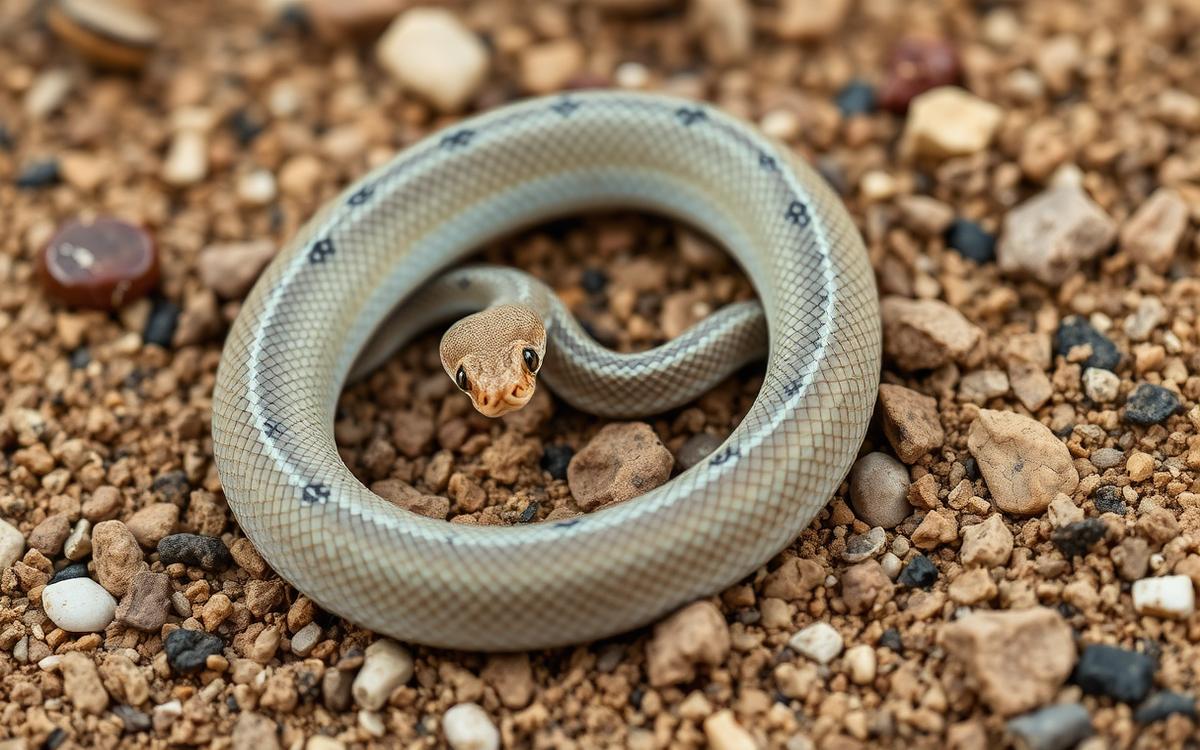
Reviewed against primary toxinology literature and IUCN assessments. This article is educational and is not medical advice — in an emergency contact your local poison centre or emergency services.
The saw-scaled viper (genus Echis), sometimes called the carpet viper, is one of the smallest of the world's medically significant snakes, rarely exceeding 60-90 centimeters, yet it is frequently cited as responsible for more human deaths than any other snake species, due to a combination of potent venom, defensive temperament, and dense overlap with human populations across Africa, the Middle East, and South Asia.
Unlike many venomous snakes that flee at the first sign of a threat, saw-scaled vipers are notably quick to strike when disturbed and produce a distinctive warning sound, rubbing rows of serrated scales together to create a rasping hiss, before lashing out with remarkable speed relative to their small size.
Identification and Range
Saw-scaled vipers are small, thick-bodied snakes with keeled, sawtooth-edged scales along their sides, which they rub together in a figure-eight coiling motion to produce a rasping warning sound audible several meters away. Coloration varies by species and region, generally sandy brown or gray with pale, wavy or blotched patterning that provides excellent camouflage in arid habitats.
- Range: North and West Africa, the Middle East, and South Asia including India and Sri Lanka
- Habitat: arid and semi-arid scrubland, farmland, rocky terrain
- Multiple species exist within genus Echis, with regional venom variation
Why It Causes So Many Deaths
Several factors combine to make the saw-scaled viper unusually dangerous at a population level: it is common and often abundant in farmland and near villages, it is well camouflaged and easily stepped on, it strikes readily and quickly when threatened, and in many rural areas antivenom access is limited or delayed.
The scale of the problem
In parts of India, saw-scaled vipers are one of the 'big four' snakes responsible for the majority of the country's roughly tens of thousands of annual snakebite deaths, and similar patterns are reported in parts of West Africa and the Middle East.
Venom Composition and Effects
Saw-scaled viper venom is primarily hemotoxic, containing enzymes that interfere with blood clotting and damage blood vessel walls, leading to internal and external bleeding, kidney damage, and in severe cases, hemorrhagic stroke.
- Local effects: swelling, pain, blistering at the bite site
- Systemic effects: spontaneous bleeding from gums, nose, or old wounds
- Severe complications: acute kidney injury, intracranial hemorrhage
- Onset: coagulation abnormalities can appear within hours
Editor's note: Bites should be treated as medical emergencies even if initial symptoms appear mild, since bleeding disorders can develop or worsen over the following day.
Prevention and Treatment
Because saw-scaled vipers are so well camouflaged and quick to strike, prevention focuses on practical habits: wearing closed footwear outdoors, using lights at night, checking bedding and shoes in endemic regions, and avoiding walking through tall grass or rubble barefoot.
- Polyvalent antivenom is available in India, several African nations, and the Middle East
- Early treatment significantly reduces bleeding complications and mortality
- Community health worker training has improved outcomes in high-burden regions
Key takeaways
- The saw-scaled viper is small but is frequently cited as the deadliest snake by total human deaths.
- It produces a distinctive rasping warning sound by rubbing serrated body scales together.
- Its venom is hemotoxic, causing severe bleeding and kidney damage.
- It ranges across Africa, the Middle East, and South Asia, often near farmland.
- Prompt antivenom treatment substantially reduces the risk of death.
Frequently asked questions
Is the saw-scaled viper the deadliest snake in the world?+
By total number of human deaths caused annually, it is frequently cited as the leading contributor, though this varies by region and reporting quality.
What does the saw-scaled viper's warning sound like?+
A rasping hiss produced by rubbing rows of serrated side scales together in a coiled, figure-eight posture.
Where are saw-scaled vipers found?+
Across North and West Africa, the Middle East, and South Asia, particularly in arid farmland and scrubland.
What does its venom do to the body?+
It disrupts blood clotting, causing internal and external bleeding, and can lead to kidney damage or hemorrhagic stroke in severe cases.
Is there an effective antivenom?+
Yes, polyvalent antivenoms covering saw-scaled viper venom are produced regionally and are effective when given promptly.