Spiders & Scorpions · Supporting guide
Six-Eyed Sand Spider: The Desert Recluse Relative
The six-eyed sand spider is a camouflaged desert ambusher whose venom is feared but almost never actually documented in human bites.
 By Mahmoud OsamaSenior Wildlife Researcher & Editor-in-ChiefPublished 16 October 2025 · Updated 16 October 2025 · 6 min read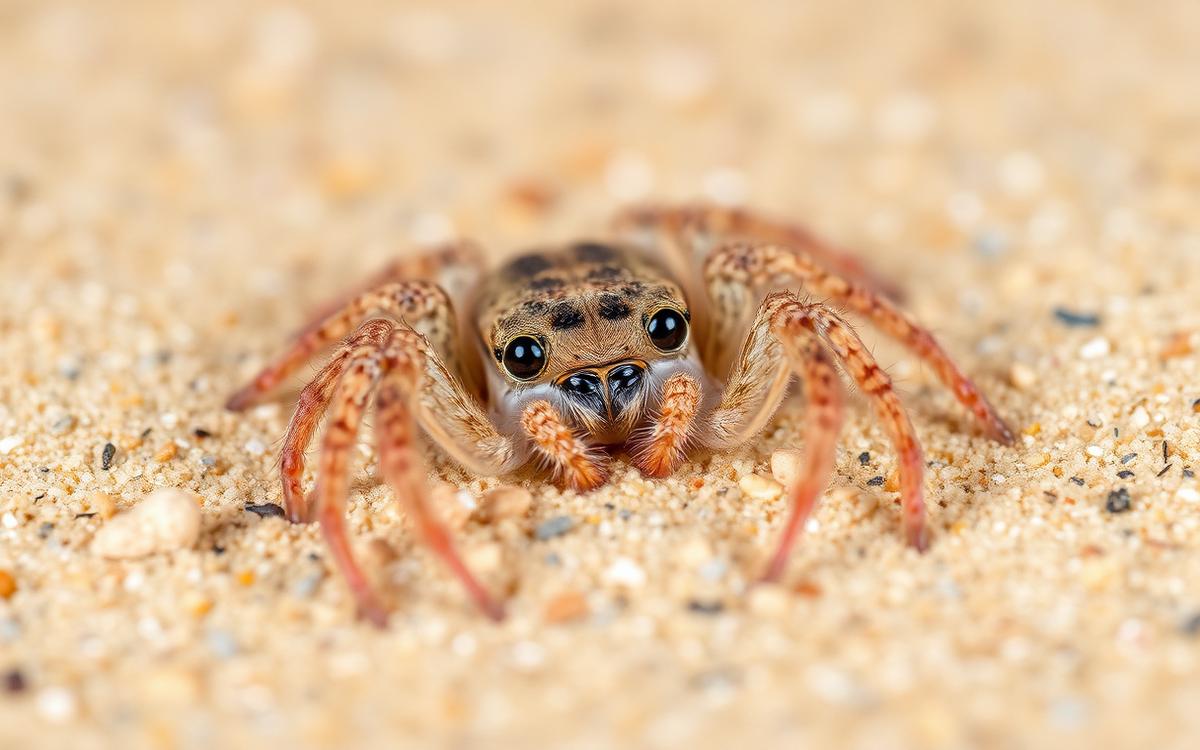
Reviewed against primary toxinology literature and IUCN assessments. This article is educational and is not medical advice — in an emergency contact your local poison centre or emergency services.
The six-eyed sand spider (genus Sicarius) lives in the deserts of southern Africa and parts of South America, where it buries itself in sand and waits, sometimes for weeks, for prey to wander close. It belongs to the same broader family group as recluse spiders and shares a similarly potent, tissue-damaging venom.
Much of what circulates online about this spider is exaggerated speculation rather than documented medical fact, since actual confirmed human bites are exceptionally rare. Understanding what is genuinely known, versus what is folklore, gives a clearer picture of the real risk.
Appearance and camouflage
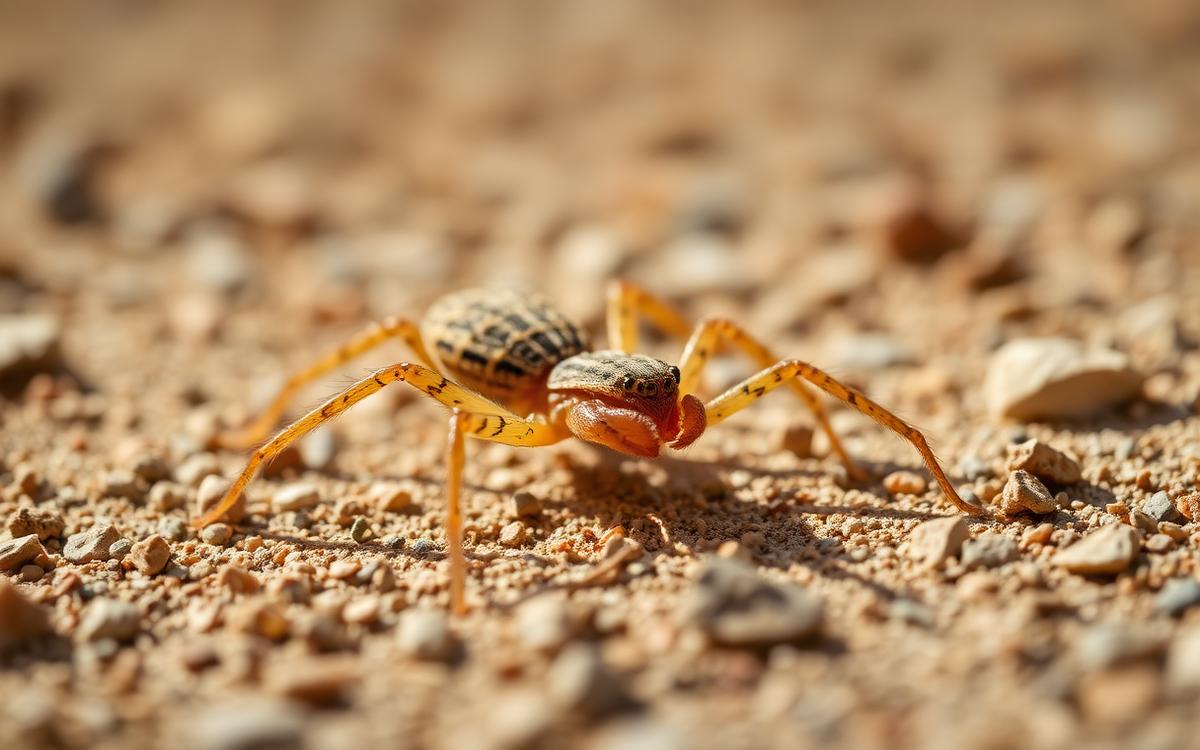
As the name suggests, six-eyed sand spiders have six eyes arranged in three pairs, a trait shared with recluse spiders, rather than the eight eyes typical of most spider species.
- Flattened, sand-colored body that blends into desert substrate
- Covered in fine hairs that trap grains of sand for camouflage
- Ambush predator that buries itself just under the surface, leaving only eyes and front legs exposed
This camouflage is so effective that the spider is rarely seen even by researchers actively searching for it in its native habitat.
What the venom actually does
Laboratory studies on Sicarius venom have found it contains sphingomyelinase D, the same class of tissue-destroying enzyme found in recluse spider venom, and in some lab tests it appears to be present in comparable or even higher concentrations.
Why documented bites are so rare
Despite the laboratory findings, there are vanishingly few confirmed medical case reports of six-eyed sand spider bites in humans, largely because the species is reclusive, lives in sparsely populated desert regions, and rarely encounters people.
This creates a wide gap between theoretical venom potency, based on lab assays, and real-world clinical data, which toxinologists caution against overstating.
Separating myth from evidence
Some sources online claim the six-eyed sand spider has caused gruesome deaths with no antidote, but these claims typically trace back to anecdote and speculation rather than peer-reviewed case reports.
- No verified human deaths have been rigorously documented and published in toxinology literature
- Most cited 'incidents' lack confirmed spider identification
- The spider is not aggressive and will flee or remain buried rather than confront a human
Reducing risk in the field
For researchers, hikers, or desert campers in regions where Sicarius species occur, sensible precautions mirror those for other reclusive venomous species: avoid putting bare hands or feet into loose sand without checking, and shake out footwear and bedding.
Because there is no specific commercially produced antivenom for Sicarius bites, any suspected bite should be treated as a wound-care emergency with prompt medical evaluation, similar to recluse spider protocols.
Key takeaways
- Six-eyed sand spiders are desert ambush predators related to recluse spiders, found in southern Africa and South America.
- Their camouflage and burrowing behavior make them extremely hard to spot in the wild.
- Venom contains tissue-damaging sphingomyelinase D, similar to recluse spider venom, based on lab studies.
- Confirmed human bite case reports are exceptionally rare, so dramatic online claims should be treated skeptically.
- No specific antivenom exists; suspected bites should receive prompt wound-focused medical care.
Frequently asked questions
Is the six-eyed sand spider the deadliest spider in the world?+
This claim is not well supported by documented case reports; its venom is potent in lab tests, but verified human deaths are essentially absent from medical literature.
Where does it live?+
Primarily in arid desert regions of southern Africa, with related species found in South American deserts as well.
Does it attack people?+
No, it is reclusive and buries itself in sand, actively avoiding contact with humans.
Is there an antivenom?+
No specific commercial antivenom exists; treatment would rely on general supportive wound care similar to recluse spider bites.
How can you identify one?+
Look for a flattened, sand-colored spider with six eyes in three pairs, though sightings are extremely rare due to its camouflage.