Spiders & Scorpions · Supporting guide
Camel Spiders: Debunking the Wild Wartime Myths
Camel spiders became internet legends during the Iraq and Afghanistan wars, but nearly every viral claim about them is false.
 By Mahmoud OsamaSenior Wildlife Researcher & Editor-in-ChiefPublished 20 November 2025 · Updated 20 November 2025 · 6 min read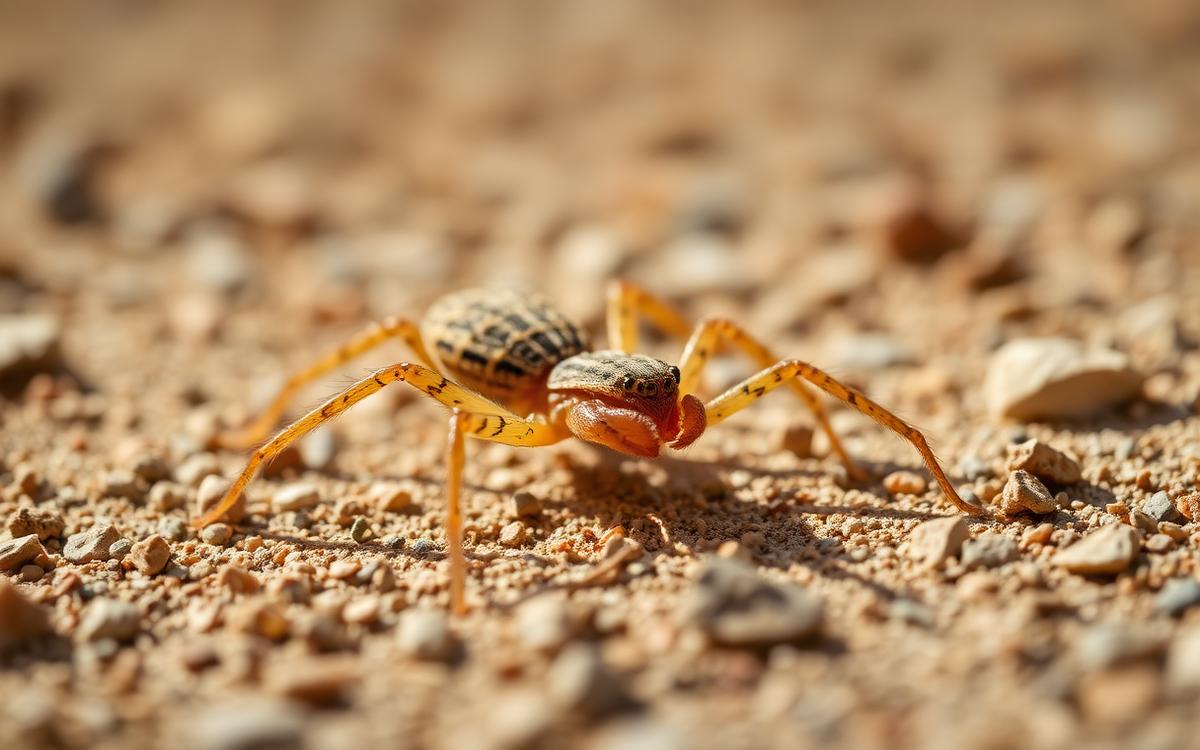
Reviewed against primary toxinology literature and IUCN assessments. This article is educational and is not medical advice — in an emergency contact your local poison centre or emergency services.
Camel spiders (order Solifugae, also called sun spiders or wind scorpions) shot to internet infamy during the Iraq and Afghanistan wars, with emailed photos and forwarded stories claiming they were foot-long, venomous, screaming creatures that chased soldiers across the desert at 25 miles per hour.
Almost none of that is true. Camel spiders are fascinating, fast, and genuinely have oversized jaws, but the viral mythology surrounding them says far more about wartime folklore than actual arachnid biology.
Not actually spiders
Despite the common name, camel spiders are not true spiders. They belong to their own arachnid order, Solifugae, distinct from spiders (Araneae) and scorpions, though all three share the broader arachnid class.
- Over 1,000 species exist worldwide, mostly in arid and semi-arid regions
- Most species are a few inches long, not the exaggerated foot-long size often claimed
- Recognizable by very large, forward-pointing jaws called chelicerae used to crush prey
Fact-checking the viral claims
Myth: they are venomous
Camel spiders have no venom glands. They kill prey purely through the crushing and shredding action of their oversized jaws, not chemical toxins.
Myth: they chase people at high speed
They can move quickly in short bursts, but nowhere near the wildly exaggerated speeds claimed online, and they do not pursue humans; erratic movement toward a person's shadow is more likely them seeking shade, not hunting.
Myth: they scream
There is no documented vocalization; any sound associated with them is anecdotal and unverified in scientific literature.
- No venom glands exist in Solifugae anatomy
- Documented sprint speeds are a small fraction of viral claims
- They are not parasitic and do not burrow into human skin, another common false claim
What camel spiders actually do
Camel spiders are opportunistic predators that eat insects, small lizards, and occasionally small rodents or birds, using speed and their powerful jaws rather than venom to subdue prey.
Their tendency to run toward moving shadows, including those cast by people or vehicles, likely comes from a heat-avoidance behavior in extremely hot desert environments, and this behavior is almost certainly the origin of the 'chasing' myth.
Is there any real risk to humans?
A bite from a camel spider's large jaws can be painful and may break skin, creating a risk of secondary bacterial infection like any puncture wound, but there is no venom-related medical emergency to manage.
- Clean any bite wound thoroughly and monitor for infection
- Avoid handling camel spiders, since their jaws can pinch firmly
- Seek medical care only if signs of infection develop, not due to venom concerns
Key takeaways
- Camel spiders are not true spiders; they belong to the separate arachnid order Solifugae.
- They have no venom glands and kill prey with powerful crushing jaws, not toxins.
- Claims about chasing humans at high speed and screaming are internet exaggerations, not documented behavior.
- Their shadow-following tendency is likely heat avoidance, not predatory pursuit of people.
- Bite risk is limited to mechanical injury and possible infection, not envenomation.
Frequently asked questions
Are camel spiders venomous?+
No, they lack venom glands entirely and rely on their large jaws to subdue prey mechanically.
How fast can camel spiders really run?+
They move quickly in short bursts but far slower than the exaggerated wartime claims of 25 miles per hour or more.
Do camel spiders scream?+
There is no scientific documentation of vocalization; this claim is unverified folklore.
Can a camel spider hurt you?+
A bite can be painful and break skin due to strong jaws, but it carries no venom risk, only a standard wound infection risk.
Where do camel spiders live?+
They are found in arid and desert regions worldwide, including parts of the Middle East, Africa, Asia, and the southwestern United States.